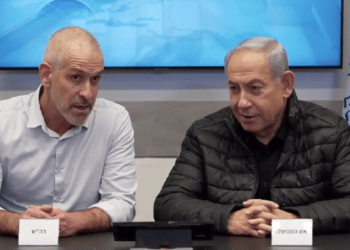
Israel sent messages to the US over the weekend, both at the political and military levels, saying that IDF forces in southern Lebanon are committed to the ceasefire, and that all fire from Israel is in response to Hezbollah violations, operational fire intended, among other things, to evacuate casualties, and preemptive fire against rocket launchers.
After each of the incidents since Thursday night, contacts were held with the Americans at all levels, including between the Prime Minister's Office and the White House. In those talks, Israel presented its picture of the situation and Hezbollah's violations, for which diplomatic sources say Iran is responsible.
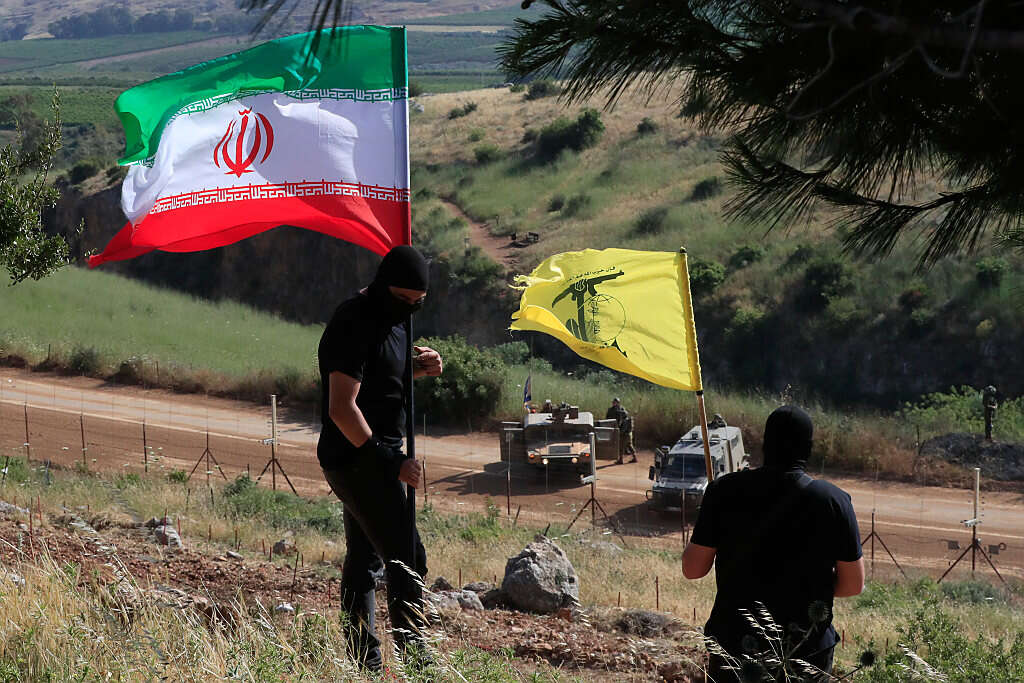
The sources say Iran was behind all the weekend attacks, including Hezbollah's overnight attack between Thursday and Friday, in which four Armored Corps soldiers were killed and others were wounded, as well as the fire on Saturday in which a soldier from the Commando Brigade was killed and others were wounded.
According to the sources, Israel had warned the Americans in advance that linking the memorandum of understanding to the situation in Lebanon would lead to an escalation of the confrontation with Hezbollah, and that Iran would initiate attacks to create the crisis and deepen the rift between Jerusalem and Washington.
"Iran planned the crisis in advance"
According to one diplomat, who is not Israeli, Iran planned the crisis and the postponement of the signing in Switzerland on Friday in advance, after President Trump publicly signed the memorandum of understanding binding the United States. In doing so, Iran received the agreement's immediate benefits: the lifting of the US naval blockade, the removal of sanctions, and the sharp shift in US policy and discourse in favor of the agreement and against Israel. It is now trying to extract additional last-minute gains.
A political official said the messages sent to the Americans included a list of ceasefire violations by Hezbollah, alongside a clarification that Israel would respond with great force. However, Beirut has still not been attacked, and apparently will not be attacked, at least not intensively. Such an attack is precisely Iran's goal, knowing that the United States, as implied by President Trump's remarks this week and by direct messages, is strongly opposed to strikes on buildings in Beirut.
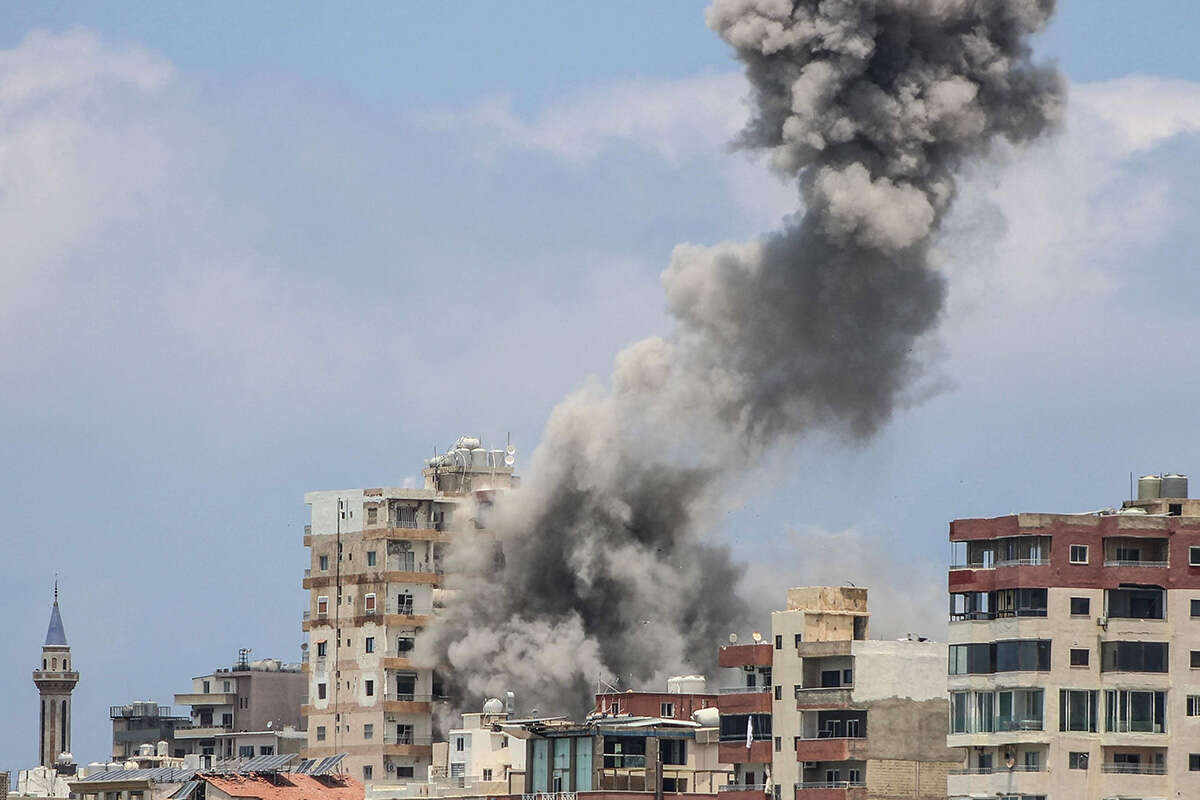
According to reports, claims and leaks initiated by the Iranians, the strike in Beirut at the beginning of the week nearly derailed the completion of the memorandum of understanding.
At the same time, Iran's political echelon is under heavy pressure, both from street demonstrations against the memorandum of understanding and from the Islamic Revolutionary Guard Corps.
According to information reaching the US, opposition to the memorandum of understanding is fierce within the Revolutionary Guards and in other parts of the regime, including parliament. They will try to torpedo it, whether by creating difficulties in the Strait of Hormuz or by instructing Hezbollah to attack IDF soldiers.
Looking at it from the opposite perspective, an Israeli official said, Iran gave Israel the ability to stop the agreement by tying it to Lebanon. However, it is doubtful whether Israel will try to do so, given the current discourse of the administration in Washington.
Dermer's Warning
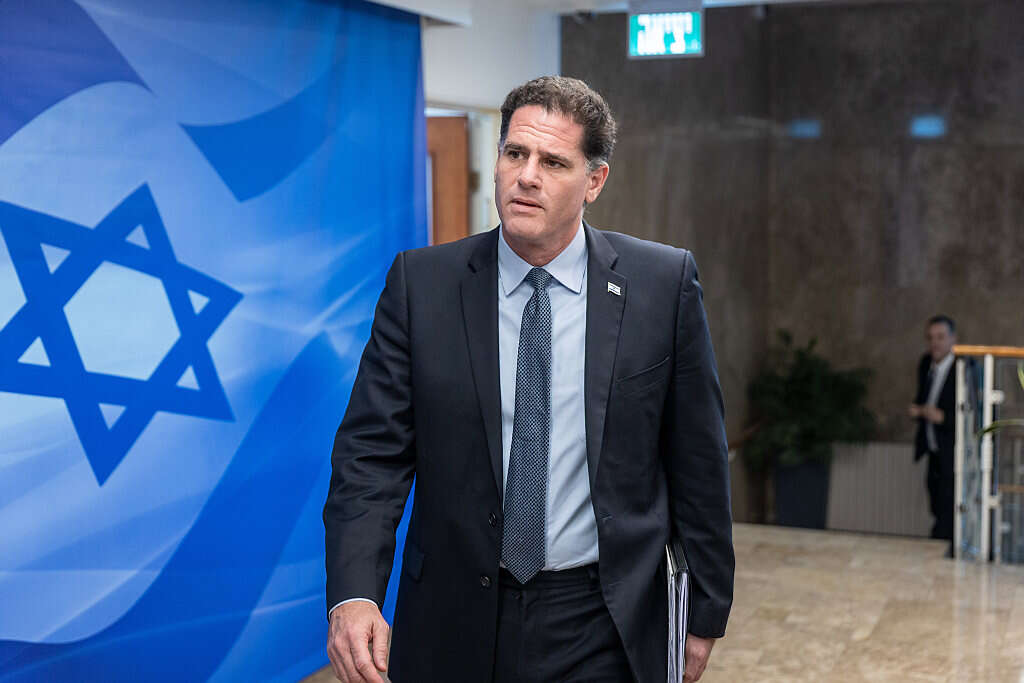
The shift in relations with the US led former minister Ron Dermer to deliver a sharp warning to Israel's political and security leadership not to attack the administration, in order to avoid worsening the confrontation, two sources told Hayom. According to the sources, the message was especially severe, and Dermer used less diplomatic language than is customary for him to make clear to the Israeli leadership that it must not worsen the situation further and that this was a genuine emergency.
Dermer warned that the sensitivity of relations with the US at this time, after the memorandum of understanding, requires Israel not to be seen by the administration as the party destroying American efforts to end the war. He warned against blunt statements and direct attacks on figures in the administration, first and foremost the president.
It should be recalled that Vice President Vance heavily criticized Israeli cabinet members who he said had attacked the president, even though the comments made by the ministers who spoke out, Bezalel Smotrich and Itamar Ben Gvir, did not include a direct attack on the president. However, ministers in the government, in internal conversations, are not sparing in their criticism of the American president, both regarding the memorandum of understanding and because of what they see as the tying of the IDF's hands in the war against Hezbollah.
One of them said: "The White House's lack of sensitivity to the fact that Israel is suffering the loss of the best of our sons because of its conduct toward Iran, which has increased Tehran's appetite to harm us."
Dermer's intervention raised the question of whether he has entered the mission of contacts and liaison with the administration. There is no official confirmation of this, but it is more than reasonable to assume that Prime Minister Benjamin Netanyahu recruited him because of the crisis with the administration and the need to prevent it from worsening. Dermer is known to have excellent ties with many senior administration officials and to be well versed in the intricacies of internal American politics, especially in the Republican Party.