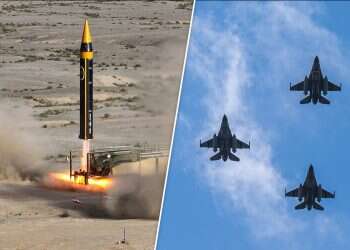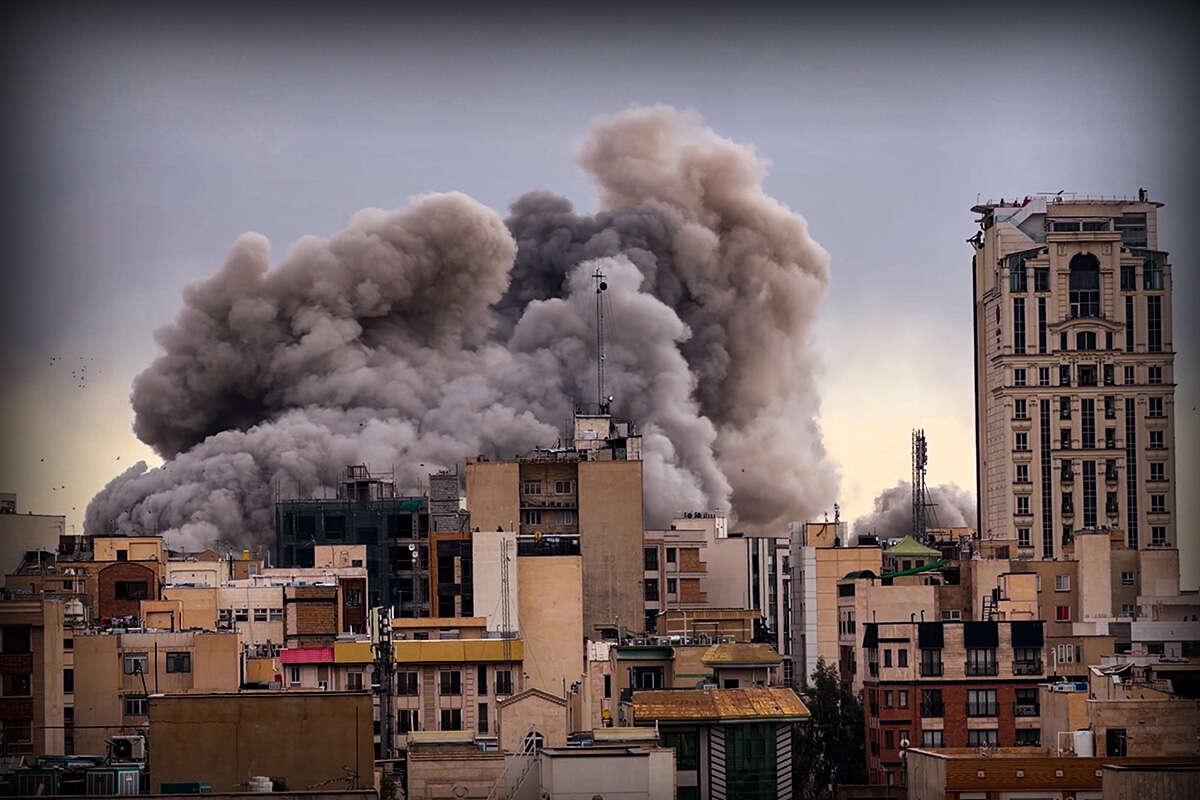
As of this writing, although several Israeli municipal authorities have decided to open public shelters, the IDF Home Front Command has not changed its instructions for civilians. But after the experience of the past year during Operation Rising Lion and Operation Roaring Lion, local authorities and the public alike are clearly reading the signs and understand that Israel may once again be heading toward another round of fighting with Iran.
Israel has, in fact, dramatically raised its alert level since the beginning of the week. Until now, the level of readiness was considered "high." The Israel Defense Forces are now at maximum readiness and prepared for any development at extremely short notice. In effect, the Israeli security establishment is ready to carry out any decision the political leadership may make.
Internal assessments within the security establishment indicate that, from Israel's perspective, the best option at present would be to preserve the existing situation: an effective blockade on Iran combined with US military pressure. But that situation does not satisfy US President Donald Trump, who dislikes stagnation. Israeli officials therefore fear that Trump could eventually lose patience and pursue an agreement that would not serve Israel's interests.
Israel's second-best option is therefore a resumption of the fighting, but in a different and more aggressive format than the one seen during Operation Roaring Lion. Were senior security officials asked, they would say that any renewed campaign must also include strikes on Iran's national infrastructure.
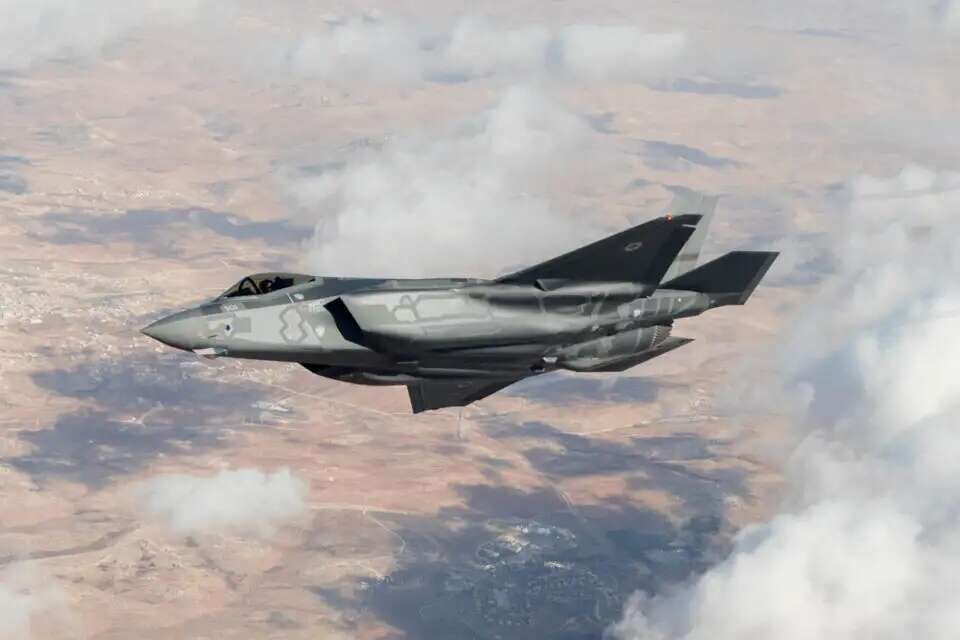
Even then, however, there is no guarantee of a dramatically different outcome, whether the collapse of the Iranian regime or, at the very least, its surrender. The greatest concern in such a scenario is that Iran could attack the oil facilities of neighboring countries, potentially triggering a genuine energy crisis, something Trump is known to be determined to avoid.
Another possibility is an Iranian miscalculation, with the leadership in Tehran deciding to launch what it regards as a pre-emptive attack in an effort to catch Israel by surprise and inflict significant damage, based on the assumption that the side that starts a war generally gains the greater advantage. This is one of the main reasons Israel is maintaining a high state of readiness, not only to take military action should it be required, but above all to defend itself.
Either way, Israel may now face another period of intense tension, one that could end with renewed fighting, or might not. The outcome will probably be determined by one man sitting in Washington and making the decisions that truly shape Israeli life.