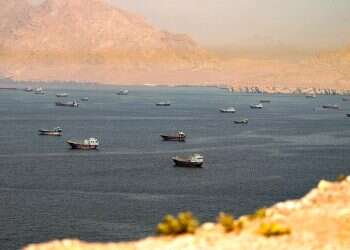
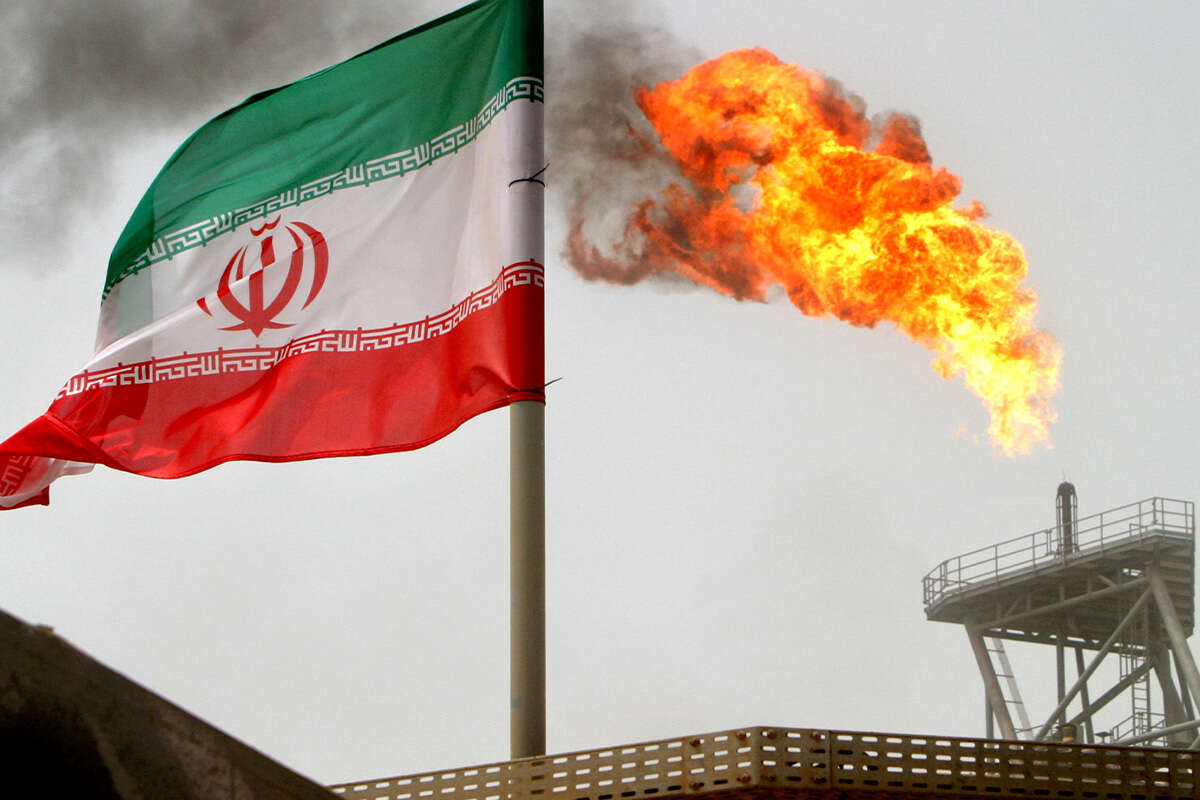
Iranian oil exports are breaking records, reaching volumes last seen in the previous decade, after the 2015 nuclear deal, known as the JCPOA. In just one week, Iran brought in nearly $3 billion through the export of 36 million barrels. This, incidentally, is why the Strait of Hormuz will remain open despite declarations by the Islamic Revolutionary Guard Corps that it could close it: It is clearly in their interest to keep it open. This is a flood of cash from which Iran had been cut off during the US naval blockade, which nearly brought its economy to complete collapse.
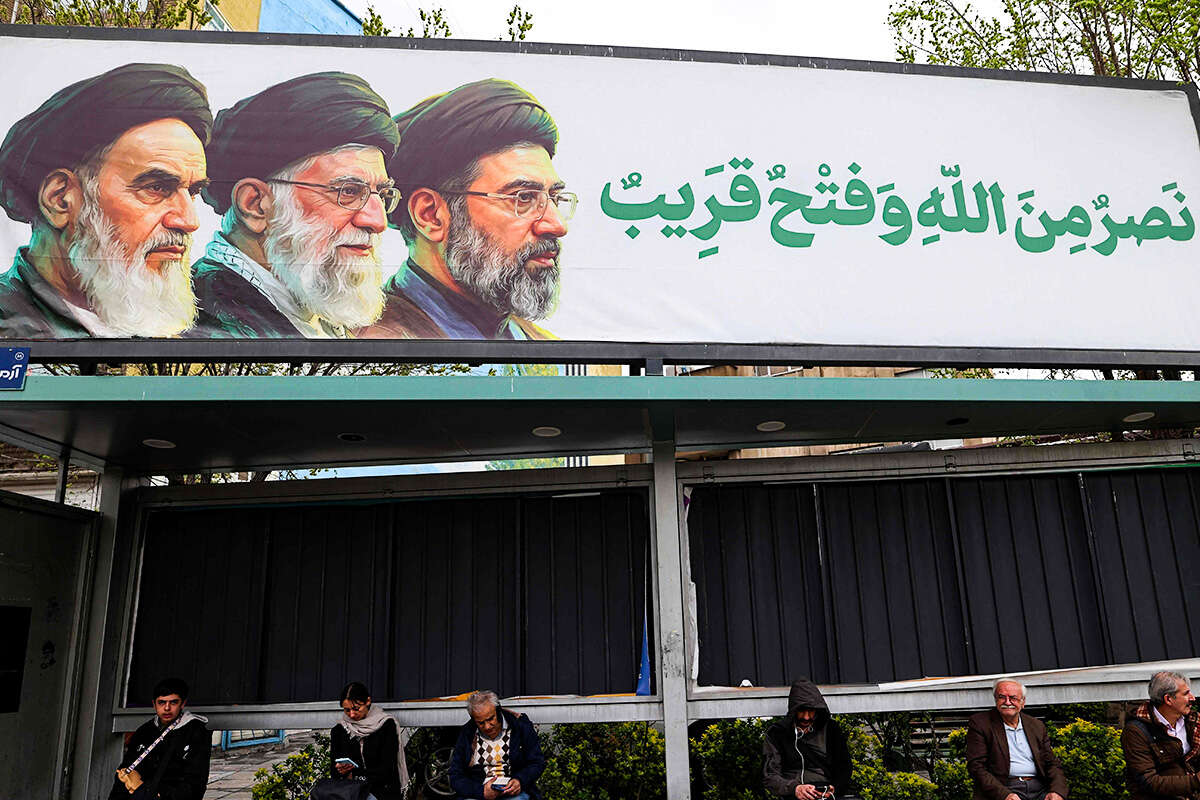
Most of this money goes to companies belonging to the Revolutionary Guard, which tightly controls Iran's oil sector. This means the capital does not reach the state treasury or the "civilian" government headed by President Masoud Pezeshkian. One of the main criticisms of the memorandum of understanding signed by President Donald Trump with Iran concerns precisely this clause, which allows Iran to export freely and without sanctions. On an annual basis, Iran's income from oil sales at the current pace would reach about $100 billion a year, more than double its revenue in the years before the war.
Again, the overwhelming majority of this money is directed to the Revolutionary Guard: funding and rebuilding military power, the missile array, aid to regional terrorist organizations, chiefly Hezbollah, and strengthening the regime against domestic opposition. The meaning is a rapid erosion, within months, of almost all the war's achievements, with the possible exception of the nuclear issue.
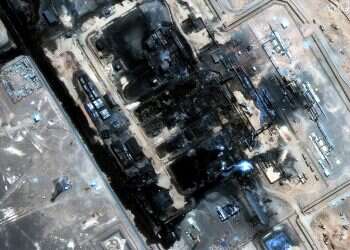
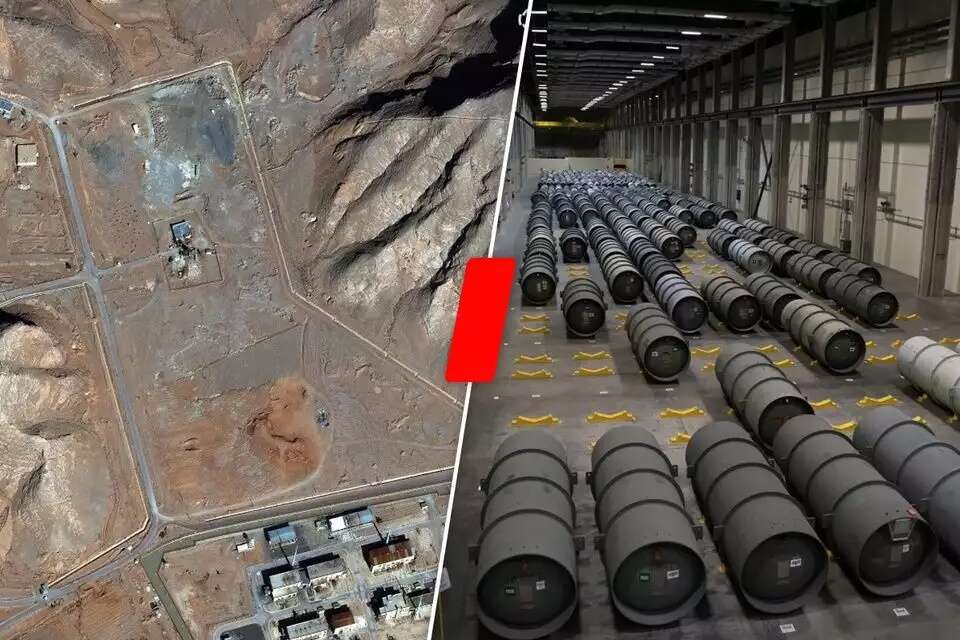
The nuclear project has suffered severe blows, both in Operation Rising Lion and Operation Roaring Lion. Most of the facilities above ground were destroyed, and the weaponization project was set back by years following the destruction of laboratories and facilities and the elimination of most of the scientists working on it. According to Western assessments, some of the highly enriched uranium was indeed neutralized in the bombings, while the remaining portion is supposed to be under close monitoring. The clause dealing with this in the memorandum of understanding refers to dilution and international supervision. Nevertheless, quite a few intelligence and assessment officials in Israel and the West expect that the regime will not give up this card and will continue to develop, or at least secretly preserve, military nuclear capabilities.
On the civilian economic front, Iran's economy is showing signs of recovery "on paper" only: The stock exchange has risen, reflecting optimism about the future, and the decline of the Iranian rial has been stopped. But in the markets themselves, there has been no drop in prices. The cost of basic goods has risen by more than 100% since the start of the war, the real unemployment rate is approaching 50% of the workforce, and more than half the population has fallen below the poverty line. Pezeshkian is struggling to secure a share of these revenues, but he too admitted this week that a large portion of Iran's treasury was transferred during the war directly into the hands of the Revolutionary Guard.