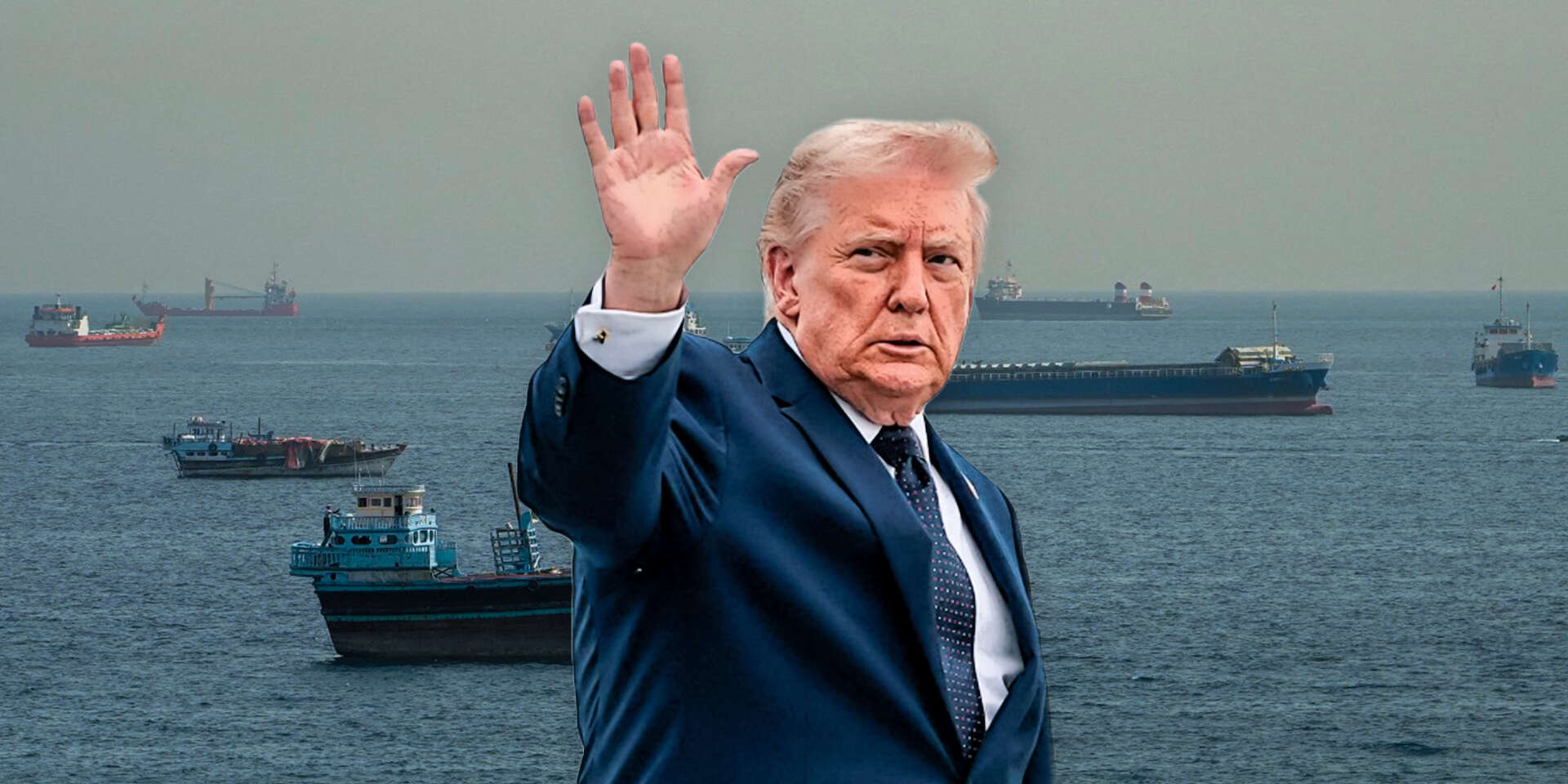
The US, Iran and Oman are nearing an interim agreement to reopen the Strait of Hormuz, with the Trump administration seeking to announce it as early as Wednesday, Axios reported, citing two regional sources and a senior US official. According to the report, Iran's leadership completed its approval process Tuesday.
The emerging arrangement is expected to remain in effect for 60 days, with an option to extend it. During that period, ships entering the Persian Gulf would use a northern route through Iran's territorial waters, while vessels heading out toward the Arabian Sea would use a southern route through Omani territorial waters, in coordination with Tehran. No transit fees or tolls would be collected.
At the same time, the parties would work to clear naval mines from the strait's main shipping lane within 30 days. Once the mines have been removed, the lane is expected to accommodate two-way traffic under a permanent arrangement to be negotiated by Iran and Oman.
The agreement is also intended to restore the ceasefire between the US and Iran and restart negotiations over a nuclear agreement. It is expected to give Iran greater control over maritime traffic in the Strait of Hormuz than it had before the war.
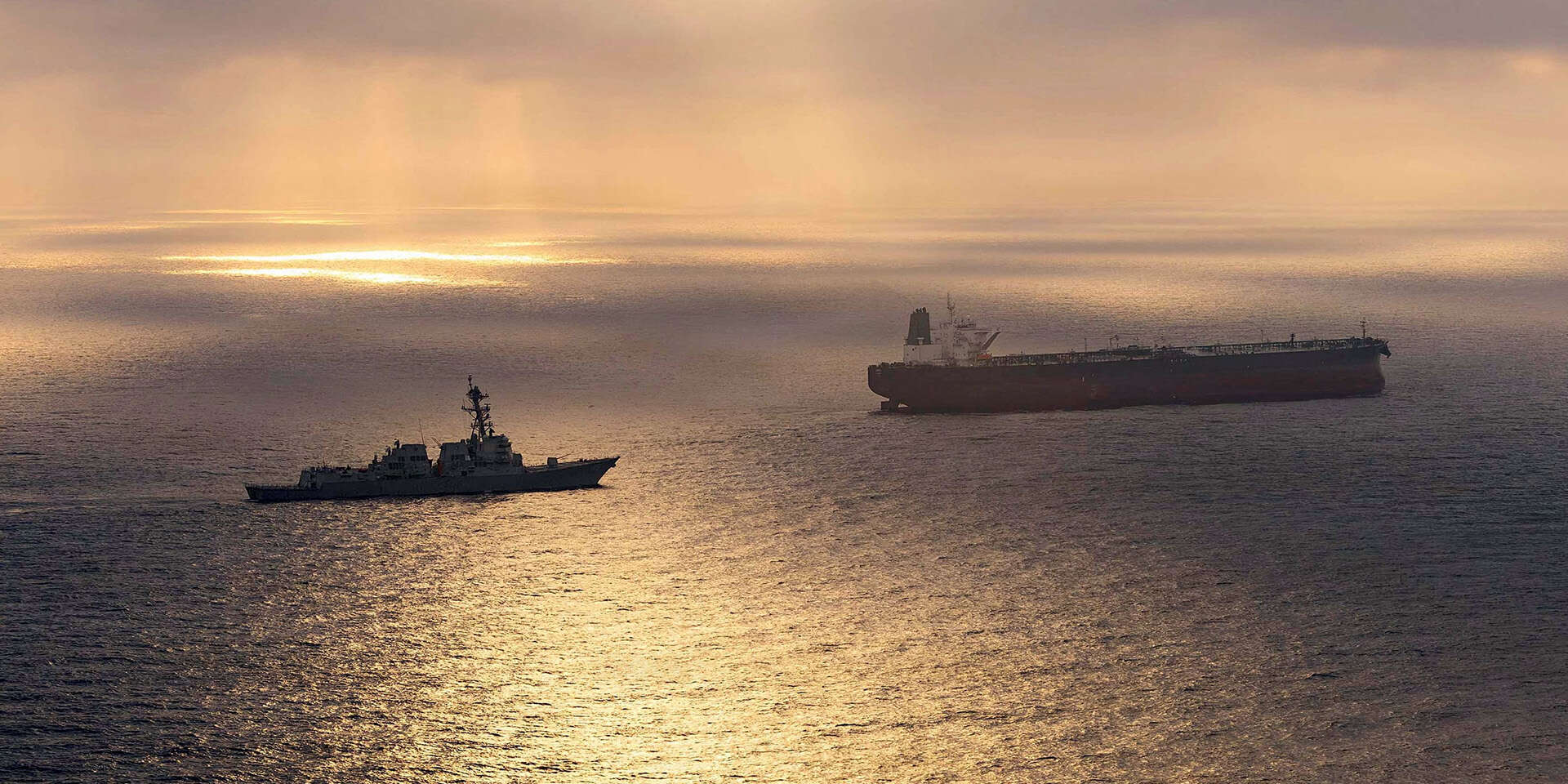
In an interview with Fox News, US President Donald Trump said it had been "a very good day" and that the Iranians had been negotiating throughout the day despite their denials. "It looks like things are moving along well," Trump said, stressing that if an agreement was reached and the Strait of Hormuz reopened, Iran would "never have a nuclear weapon." Trump added that the US had complete control over developments in the strait through its blockade. Asked what would happen if the negotiations collapsed again, he replied, "I have time."
According to the report, Trump decided Saturday not to carry out, at this stage, his threat to launch a broad campaign of strikes against Iran, giving diplomatic efforts more time. However, he could authorize major strikes if an agreement is not reached soon.
.@POTUS: "If they back out again, they're going to get hit really hard. They know that; they understand that. I have no choice. They can't have a nuclear weapon. It's very simple." https://t.co/T0CHftB3Q8 pic.twitter.com/MEoq9ACyrk
— Rapid Response 47 (@RapidResponse47) August 5, 2026
The White House has been actively involved in the talks. Several discussions have taken place in recent days among Trump's special envoy Steve Witkoff, Iranian Foreign Minister Abbas Araghchi and Omani Foreign Minister Badr al-Busaidi. Officials from Qatar, Pakistan and Saudi Arabia have also participated in the mediation efforts.
Araghchi agreed in principle to the framework over the weekend, but the proposal required the approval of Iranian Supreme Leader Mojtaba Khamenei and Iran's Supreme National Security Council. According to the senior US official and a regional source, Iran's leadership completed the approval process Tuesday.
The US administration nevertheless remains cautious. About three weeks ago, the White House, Oman and the mediators believed an agreement with Iran had already been reached, but Tehran resumed attacks on ships. Two weeks of fighting followed, bringing the sides to the brink of a full-scale war.