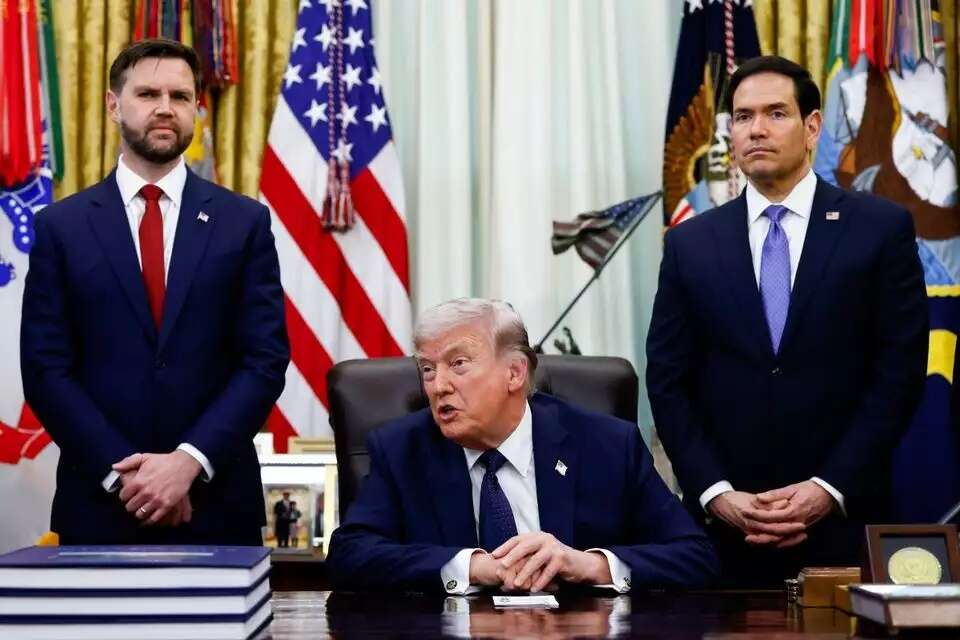
Substantive disagreements are roiling the US administration between the Vance group, which is responsible for negotiations with Iran, and the State Department under Secretary of State Marco Rubio over the Lebanon issue.
According to sources familiar with the matter, the State Department strongly opposed the creation of the "cell" announced after the talks in Switzerland, a body made up of Qatar, Pakistan and the US that is intended to resolve the issue of the war in Lebanon. The State Department's position, as expressed in position papers and closed-door discussions, was that Iran's goal was to sabotage direct negotiations between Israel and Lebanon by creating a bypass route.
Hezbollah and Iran oppose talks with Israel, since according to the official Lebanese position, these talks are supposed to lead at the very least to a declaration of "one weapon" in Lebanon and the full authority of the elected government over the means of force, the army and police. The meaning is Hezbollah's disarmament.
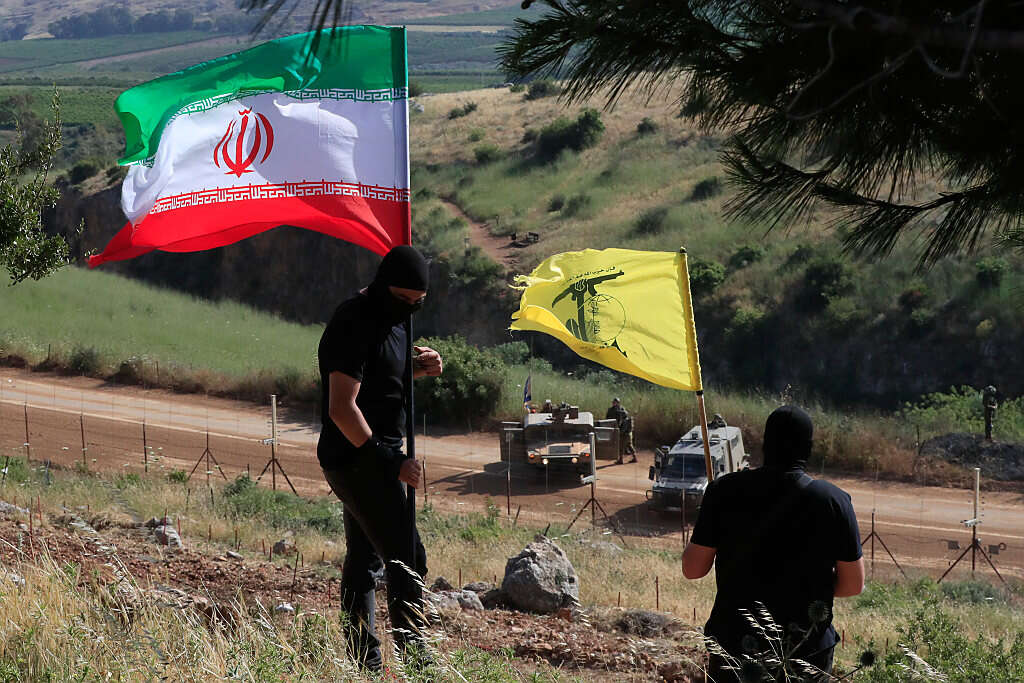
Qatar came to the aid of its Iranian allies and secured the agreement of Vance and his team to establish the new body, which is supposed to bring about implementation of the ceasefire and the terms of the memorandum of understanding between Iran and the US. Under the memorandum, there is supposed to be a full ceasefire alongside the preservation of Lebanon's territorial borders, meaning an Israel Defense Forces withdrawal.
US Vice President JD Vance, in his summary remarks on the negotiations in Switzerland, referred to the situation as if a junior commander in Hezbollah were firing at Israel from time to time and causing it to respond. Vance knows full well that this is an Iranian bluff, since the Iranians themselves told him otherwise.
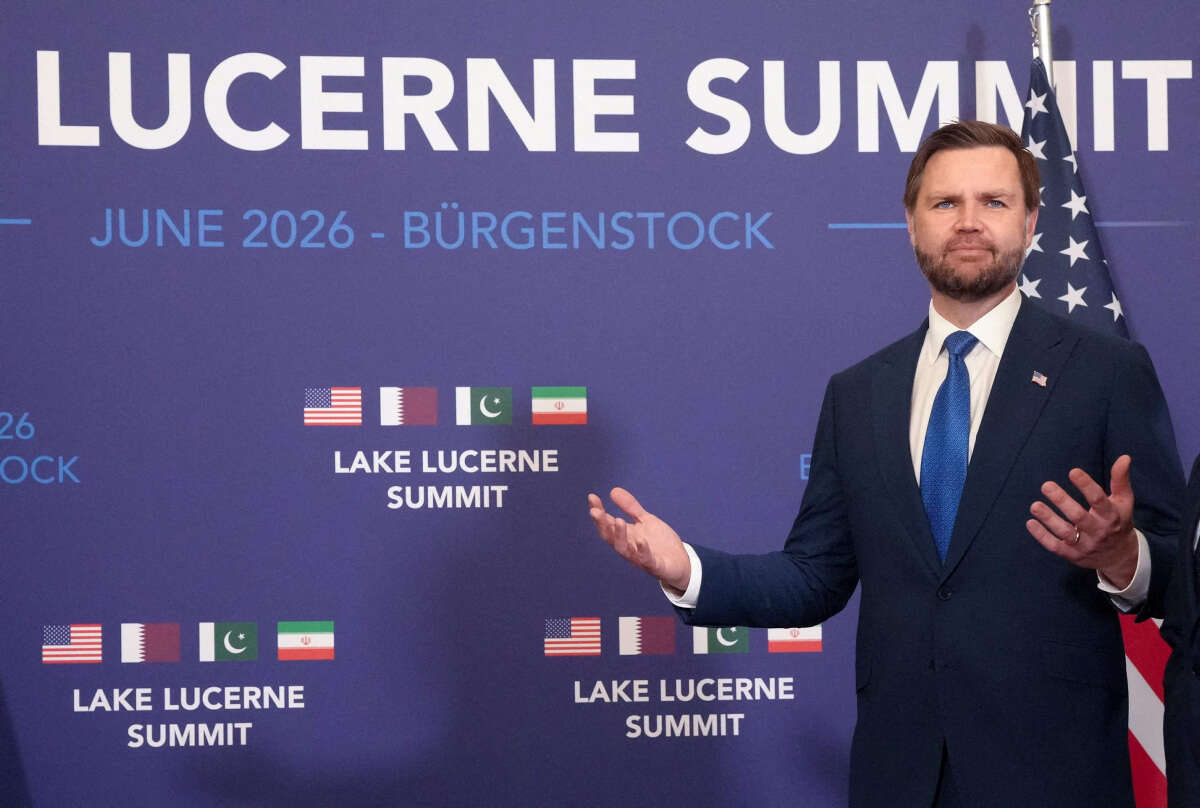
Hayom reported that unequivocal intelligence documented instructions and conversations between Tehran and Beirut, where Revolutionary Guards officers are stationed, including orders to escalate fire against Israel. Those instructions came shortly after the memorandum of understanding was signed by the US president in Paris, meaning after Iran received what it wanted and the Strait of Hormuz was reopened.
Iranian Foreign Minister Abbas Araghchi tried to explain to the Americans that the instructions were issued by extremists in the Revolutionary Guards who were trying to sabotage the agreement with the US. In practice, this is a sophisticated Iranian move designed to sharpen the confrontation between Israel and the US over events in Lebanon. The Americans, or at least Vance and his team, seem eager to fall into this trap.
Qatar did not stop at establishing the cell. According to reports in Lebanon, Qatari Prime Minister Mohammed al-Thani, together with Vance and envoy Kushner, spoke with Lebanese President Joseph Aoun, the figure who has so far pushed for contacts with Israel. This is significant pressure intended to sabotage the direct contacts.
When Iranian media outlets reported in recent days that the Strait of Hormuz had been closed again, I rushed to check tanker and ship-tracking websites, and then stopped. There is no need to check. It is clearly a lie. Iran is earning billions, and more precisely, the Revolutionary Guards are enriching the organization's coffers and the pockets of its senior officials, many of whom have become millionaires thanks to tanker traffic through the Strait of Hormuz. There is no chance they would put that at risk.
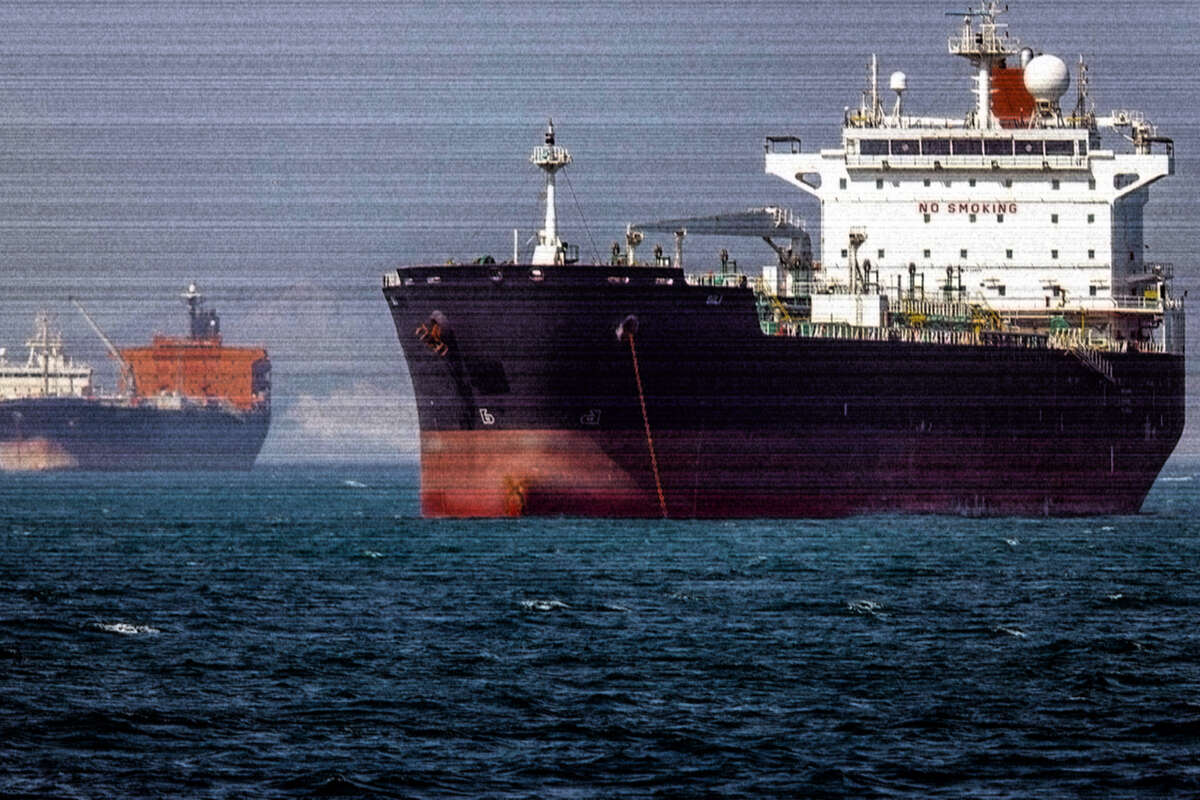
According to tanker-tracking data, the pace of Iranian oil exports is breaking records and reaching volumes seen in the previous decade after the signing of the nuclear deal, known as the Joint Comprehensive Plan of Action. Iran brought in nearly $3 billion in one week from the export of around 36 million barrels of oil.
That is also why, despite Revolutionary Guards declarations about closing Hormuz, the strait will remain open, in line with their interest. This is a cash flow from which Iran had been cut off during the American naval blockade, which nearly led to its economic collapse.
Most of this money goes to companies controlled by the Revolutionary Guards, which dominate Iran's oil sector. That means it does not reach the state treasury or the civilian government headed by President Masoud Pezeshkian.
One of the main criticisms of the memorandum of understanding signed by President Donald Trump with Iran relates precisely to this clause, which allows Iran to export freely without sanctions. In annual terms, Iran's oil revenues could reach around $100 billion a year, more than twice its revenues in the years preceding the war. Most of this money will be directed to the Revolutionary Guards, to the rebuilding of military power, the missile array, assistance to regional terrorist organizations led by Hezbollah, and strengthening the regime against domestic opposition. The meaning is the rapid erosion of most of the war's achievements within a few months, except perhaps in the nuclear sphere.
The nuclear project suffered severe blows both in Operation Rising Lion and in the current war. Most of the above-ground facilities were destroyed, the weaponization project was set back years following the destruction of laboratories and facilities and the elimination of most of the scientists who worked on it. According to Western assessments, some of the highly enriched uranium was neutralized in the bombings, and the rest is under surveillance. The relevant clause in the memorandum of understanding deals with diluting the material and international supervision.
However, intelligence and assessment officials in Israel and the West believe that the Iranian regime will not give up this card and will continue secretly to develop, or at least preserve, military nuclear capabilities.
Earlier, US Treasury Secretary Scott Bessent announced the temporary removal of sanctions on Iranian oil exports. Bessent strongly opposed the move and warned that it would open enormous income opportunities for Iran, while reimposing the sanctions would be far more complicated and enforcing them would be more difficult. His position, he said, was rejected.
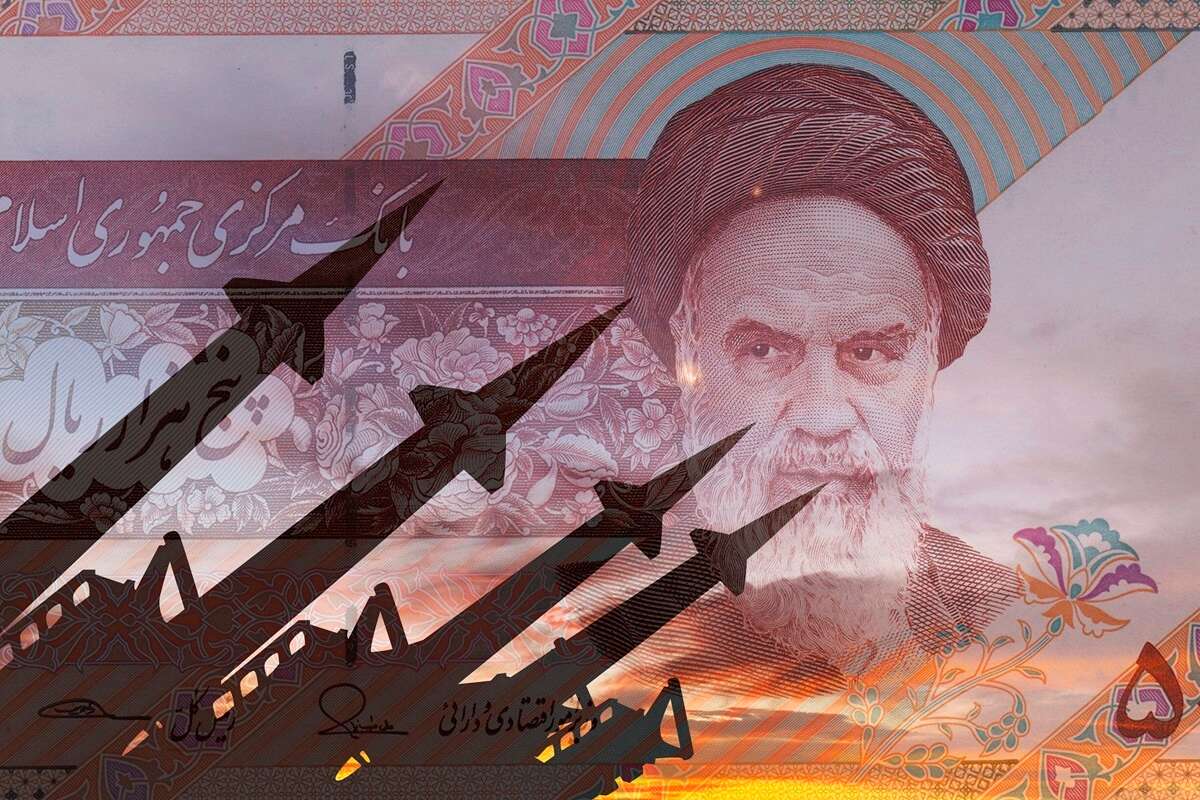
In the civilian economic sphere, Iran's economy is showing signs of recovery on paper: stock market gains, cautious optimism about the future and a halt to the weakening of the Iranian rial.
However, markets have not seen price declines, and prices of basic goods have risen by more than 100% since the start of the war. The real unemployment rate, according to estimates, is approaching 50% of the workforce, and more than half the population lives below the poverty line.
Pezeshkian is fighting to receive a share of the revenues, but he too admitted this week that a substantial portion of state revenues had been transferred during the war to the Revolutionary Guards.