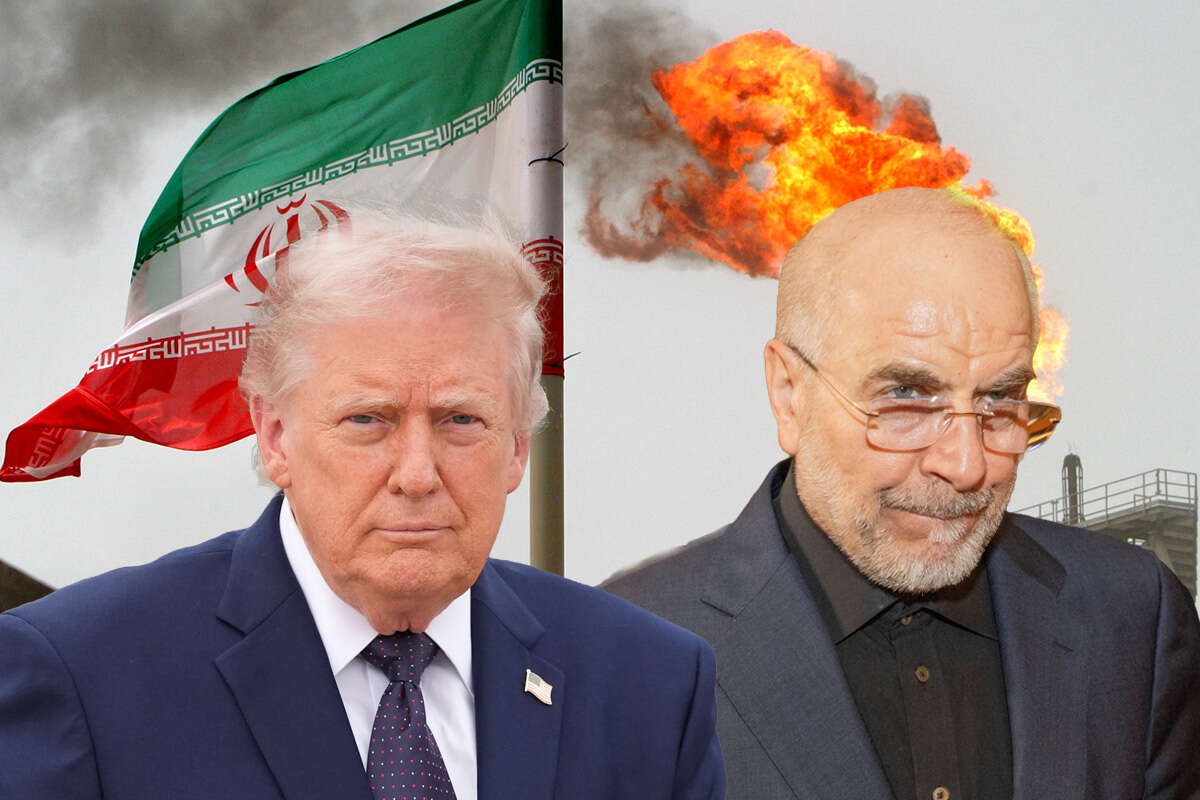
The US Treasury Department has suspended sanctions on the production, delivery and sale of oil in Iran, as part of the implementation of the memorandum of understanding to end the war signed with Iran. The general license issued by the department permits all transactions needed for the production, sale, delivery and unloading of crude oil, petrochemical products and petroleum products of Iranian origin, and will remain in effect until Aug. 21.
US Treasury Secretary Scott Bessent linked the move to the negotiations taking place in Switzerland. "In line with the ongoing productive talks in Switzerland, Iran has committed to free and open transit in the Strait of Hormuz and to permit International Atomic Energy Agency (IAEA) inspectors into their country," he wrote in a statement posted on X. "As part of the framework, the Treasury Department has issued a temporary 60-day general license allowing the production, delivery and sale of Iranian oil."
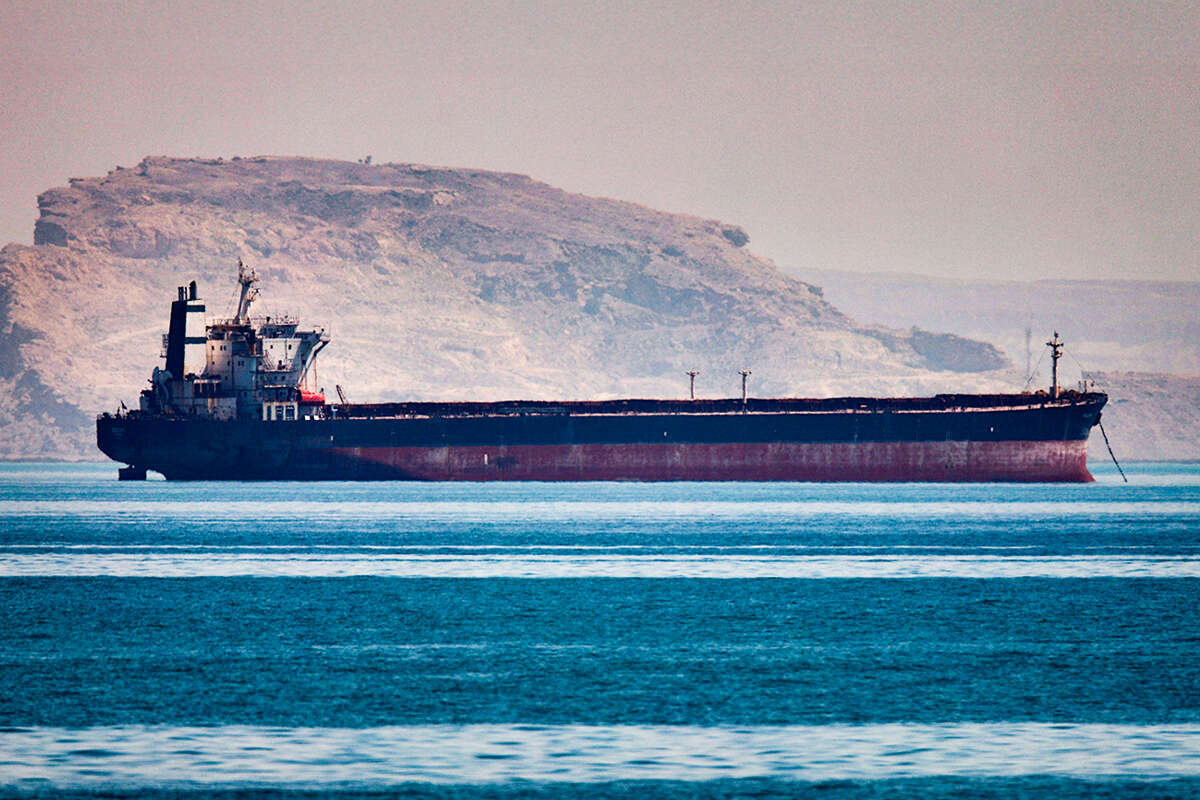
Earlier, Israel Hayom reported that the pace of Iranian oil exports is breaking records and reaching levels last seen in the previous decade, in the period following the original nuclear deal. In just one week, Tehran brought in close to $3 billion from the export of 36 million barrels, and in annual terms its oil sales revenue could reach about $100 billion, more than double its income in the years before the war, with most of the money flowing to the Revolutionary Guards and companies linked to them.
Before departing Switzerland for Washington on Monday, Vice President JD Vance said the talks had laid the groundwork for a final deal that has yet to be reached. "We have laid very good foundations for a successful final deal. The final deal is the house. We poured the foundation, we have not yet built the house, but we have laid a solid foundation," he said, adding that "a great deal remains to be done."
Vance also addressed the issue of frozen Iranian assets, rejecting "several inaccurate reports regarding frozen or unfrozen Iranian assets." He said, "We wanted to make sure we set up a process whereby, if we ever unfreeze Iranian assets, we can ensure that that money, that Iranian money, goes to help the Iranian people and not to fund terrorism."
He credited the solution to Trump adviser Jared Kushner, who formulated it with Qatar: "The money will actually go to the purchase of American soybeans, American corn and American wheat for the benefit of the Iranian people." According to Vance, "This is a classic Trump deal, whereby if Iranian assets are ever unfrozen, they will enrich American farmers and feed the Iranian people."