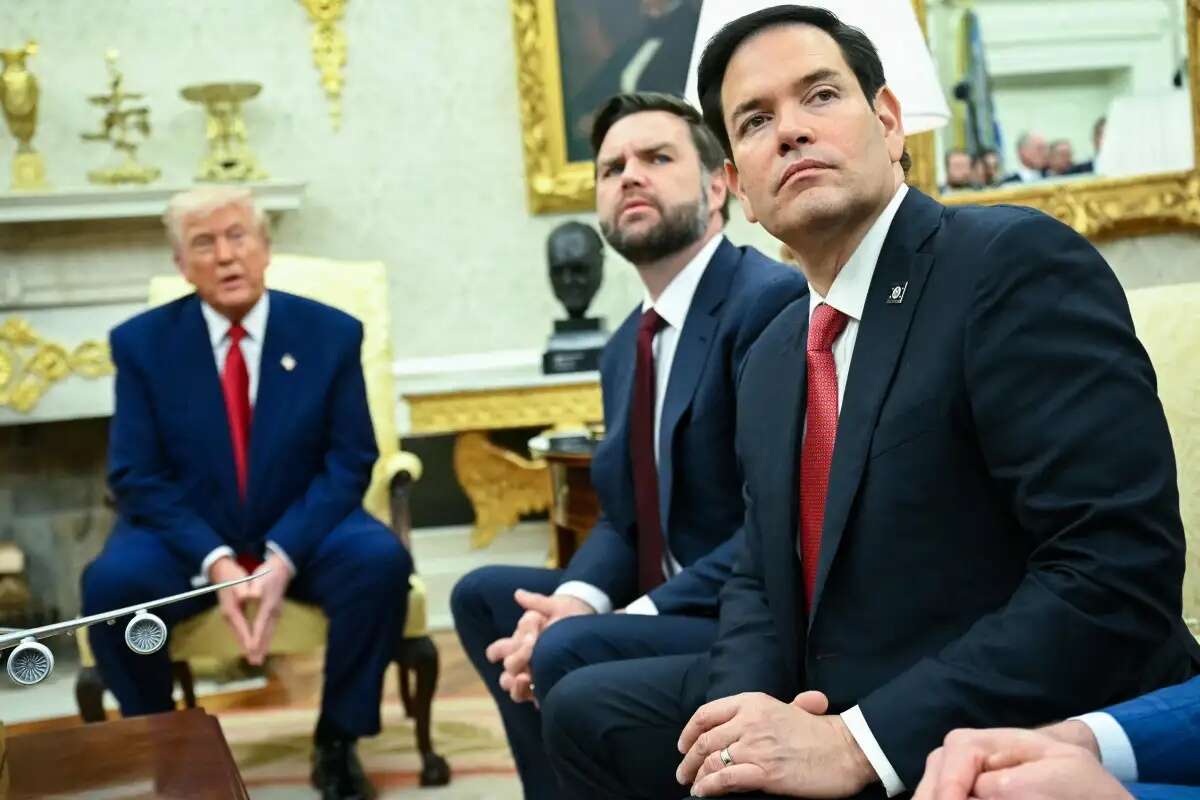
US Secretary of State Marco Rubio is being greeted by a deeply concerned Emirati leadership. The reason for the concern is the memorandum of understanding between the US and Iran, which left the Iranian military threat in place and even strengthened it, contrary to American promises and expectations from the war. And the Emiratis are not only worried, they are also taking action. According to various diplomatic sources, the UAE is not prepared at this stage to release frozen Iranian accounts, as the Americans agreed with Iran.
According to various reports, the understandings reached in the talks in Switzerland, mediated by Qatar, included the release of $12 billion in accounts from Qatar and another $3 billion from the UAE. The Americans boasted that the money would be used for civilian purposes and to buy food from the United States.
But the UAE is making it clear: Iran must pay for the damage it caused during the war, which is estimated in the billions of dollars. First, this involves direct damage, including hits to civilian facilities, hotels, airports, ports and more. Beyond that, there is the indirect damage caused by the halt in maritime trade, and especially by the disruption of oil exports from the UAE. The ports of Dubai and Abu Dhabi are vast trade hubs that move goods from the East to the region and to Europe.

The Emiratis' second condition, according to the diplomatic sources, is the inclusion of a clause in the emerging agreement with Iran requiring it not to attack its neighbors and not to obstruct the passage of ships through the Strait of Hormuz. Under the demand, the clause would be ratified by the UN Security Council and backed by sanctions if violated. This is identical to Iran's demand of the United States.
Rubio will try to reassure
Rubio's visit to the Gulf states is meant to update them on the agreement, try to reassure them and promise that the United States is committed to their security. Yet Rubio, who opposes the memorandum of understanding with Iran because of its strategic implications, will struggle to provide the explanations and guarantees being sought by the Gulf states that were hit hardest by Iranian fire, especially the United Arab Emirates, Bahrain and Kuwait.

The United States has clear interests in these countries, including huge military bases, and they are major buyers of American weapons. Bahrain and the UAE are partners in the Abraham Accords, which are highly important to the president, and Kuwait has been mentioned as a country that could join them. All three invest enormous sums in American companies, and their position carries significant weight. Opposite them stands Qatar, the big winner from the thaw between Iran and the US, while Saudi Arabia sits on the fence and must decide whether to join the radical Sunni axis of Qatar, Turkey and Pakistan, or the moderate axis of countries that have agreements with Israel.
At the same time, Rubio is waging a behind-the-scenes battle with Vice President Vance over Lebanon. The direct talks between Israel and Lebanon are being held at the State Department in Washington under his auspices and with the involvement of senior officials from his office, while Vance reached an understanding with Iran on the creation of a body involving Iran, Pakistan and Qatar that would "monitor" the ceasefire in Lebanon. In practice, the purpose of this body is to torpedo the direct talks between the two countries, the talks being promoted by Rubio.
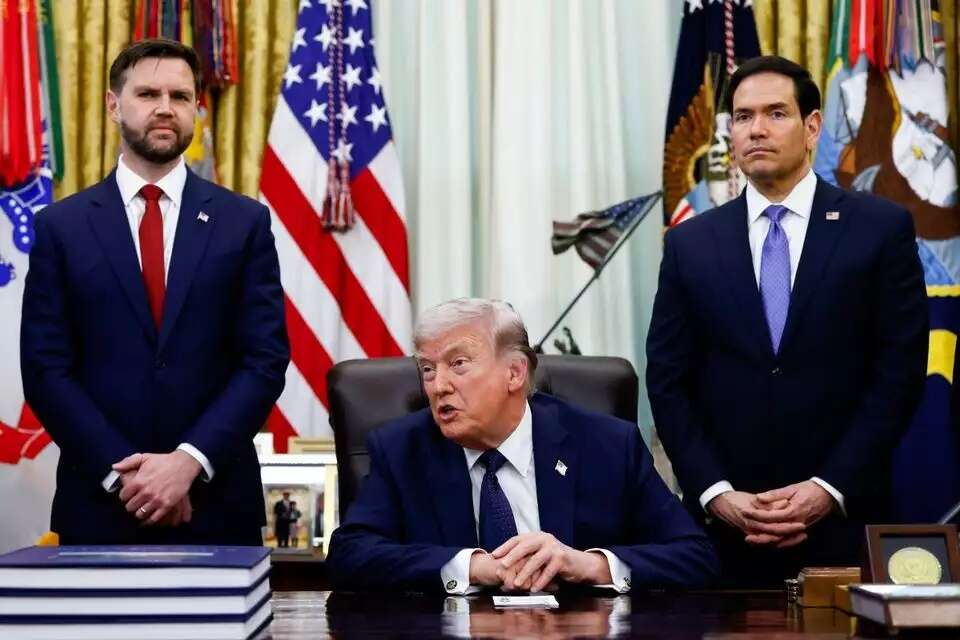
The vice president tried to explain that this was not a body with authority, and that its purpose was to ensure that Iran restrains Hezbollah. But in Beirut, the explanations are not being accepted. President Joseph Aoun, Prime Minister Nawaf Salam and Foreign Minister Youssef Raggi are saying publicly and in briefings to journalists that they will not allow Iran to influence the talks.
According to the diplomatic officials, President Donald Trump will have to enter the picture, and in this context he is leaning toward Rubio's position, since an agreement between Israel and Lebanon appears within reach, even if there is no practical solution to the main obstacle: disarming Hezbollah.