In an interview he gave several days ago to Iranian radio, Iranian Parliament Speaker Mohammad Bagher Ghalibaf revealed more than he may have intended.
Beyond the declarations of victory and the familiar boasting, he effectively admitted that Iran had not achieved its goals on the battlefield. But according to him, it is making much more significant gains in negotiations than it managed to achieve through military force. He called it "diplomacy from a position of strength."
For Iran, this is not just a slogan. It is a long-standing operational concept.
Ghalibaf explains plainly how Iran links the different fronts. From its perspective, closing the Strait of Hormuz, escalating in Lebanon and negotiating with the United States are not separate events, but different tools in the same strategy, whose goal is to bring about an end to the pressure on Iran and the enemy's withdrawal. Military pressure is not meant to defeat the enemy, but to influence the terms of the agreement reached through negotiations.
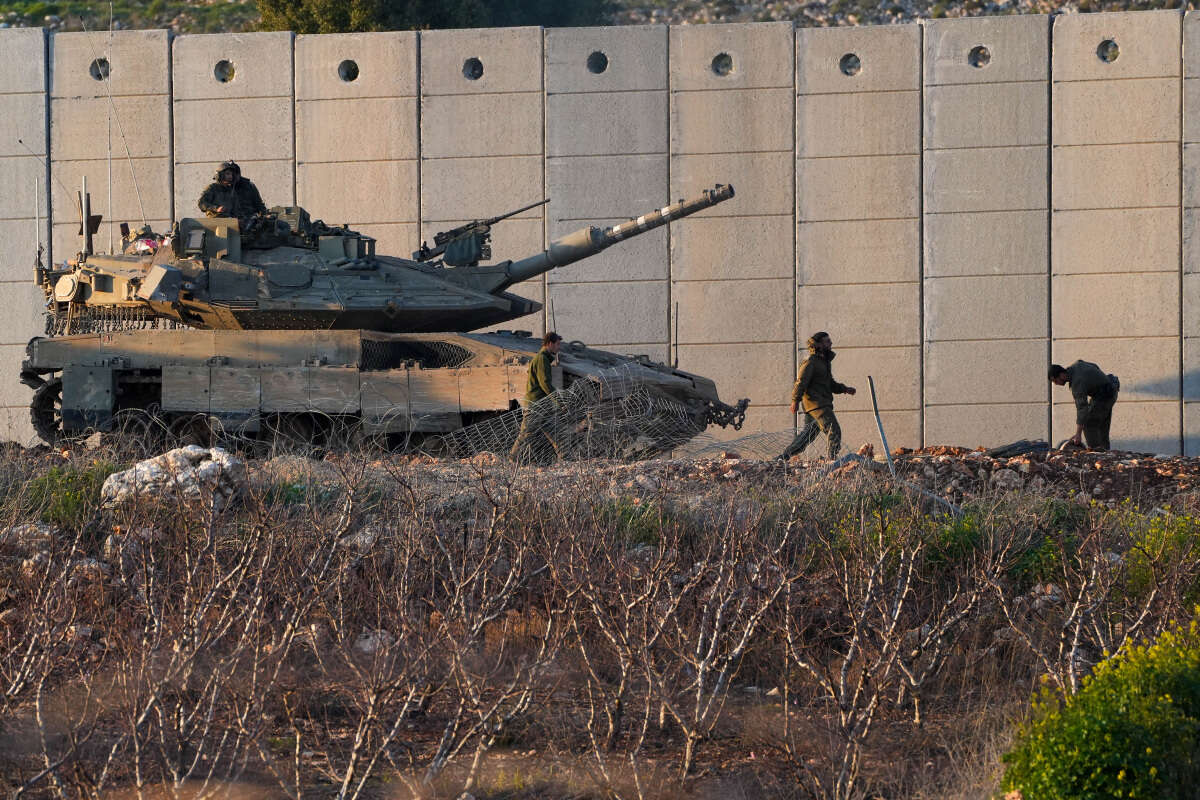
Hezbollah, through which Iran has set a strategic trap for Israel, plays a clear role in this doctrine. Its goal now is not to defeat Israel, but to create a dynamic that will lead to an Israeli response, giving Iran grounds to threaten to blow up the negotiations and causing the United States to pressure Israel, of all countries, in order to prevent an escalation. From Tehran's perspective, Lebanon has become leverage over Washington and a means of increasing friction between the US and Israel.
This is precisely the point that the Israeli government is struggling to internalize, or refuses to understand, as it walks into the trap with its eyes open.
In Israeli discourse, one often hears the argument: "Iran is the United States' problem; Lebanon is our problem." But the reality is almost the opposite. The central threat to Israel lies in Tehran, not Beirut. Hezbollah is an arm. Iran is the head. Therefore, Israel's strategic goal cannot be the endless management of the conflict in Lebanon, but the weakening of Iran and the reduction of its ability to continue building, funding and arming its proxies.
Statements by government ministers indicate that they prefer to continue the fighting in Lebanon, toward yet another unattainable "total victory." At times, it also seems that some in Jerusalem believe that continuing the fighting in Lebanon will help torpedo the negotiations with Iran, or at least improve Israel's position regarding them. These two working assumptions are not new. During the fighting in Gaza, too, some believed that military escalation would alter the course being pursued by an American administration determined to reach an agreement.
But experience should have taught us something. When a US president decides that an agreement is a strategic objective, attempts to thwart it through military escalation do not cancel the agreement. Sometimes they even cause him to accelerate efforts to achieve it and to pressure his closest ally, Israel, to pay the price of stability.
That was the case in the past around President Barack Obama's nuclear deal. That was the case with President Donald Trump's 20-point agreement in Gaza, and that could happen even more forcefully today if Israel is perceived as acting against the initiative Trump is leading vis-à-vis Iran.
There is another option
Instead of Israel becoming the tool through which Iran exerts pressure on Washington, it can become the tool through which Washington exerts pressure on Iran.
That requires a conceptual shift. Not public opposition to an agreement at any price, but deep strategic coordination with the American administration. Israel does not have to like every agreement. Nor does it need to relinquish its security interests. But it can work together with the United States to turn its military achievements into leverage that improves the terms of the agreement.
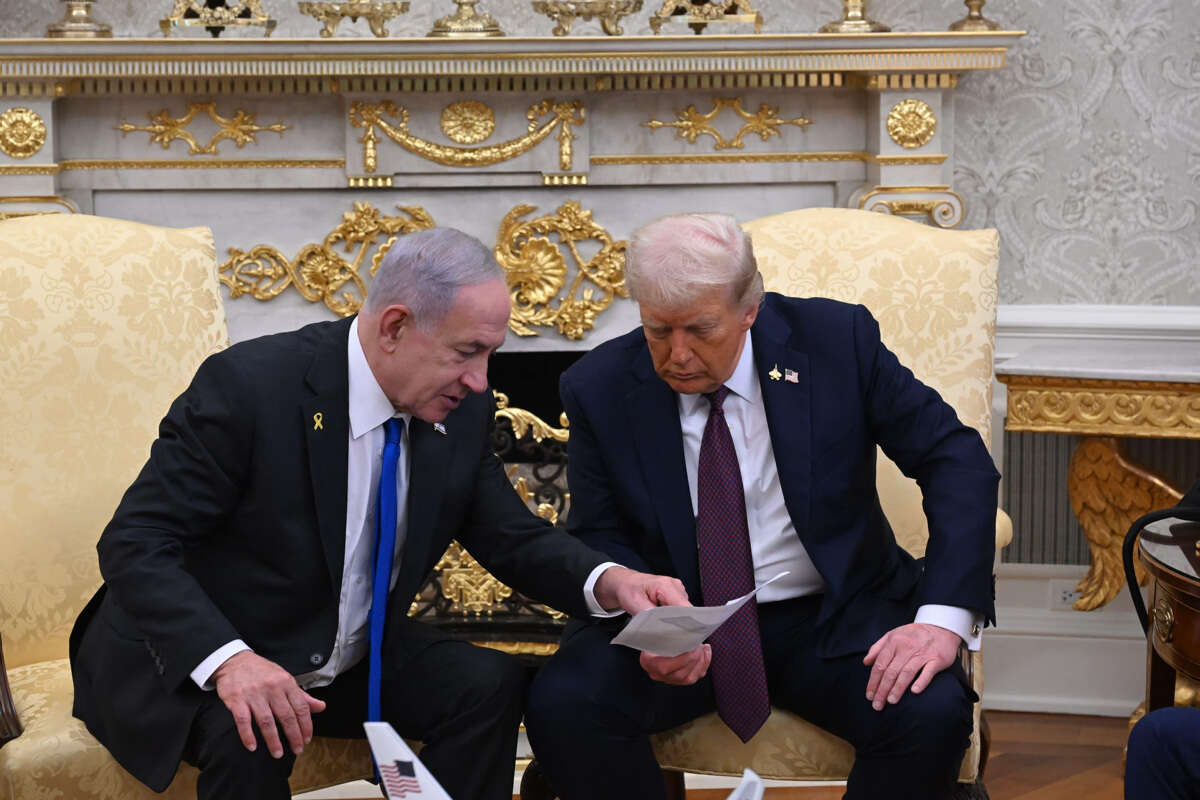
Imagine a reality in which the American administration and the Israeli government are fully coordinated, and there is no suspicion that the Israeli government is seeking to sabotage the administration's efforts to reach an agreement. In such a reality, every Israeli threat to use force becomes a more credible threat against Iran. The president will not be required to restrain Israel in order to save the negotiations, as is happening now. On the contrary, he can tell Tehran: If you do not show flexibility, it will be harder for me to restrain Israel.
Likewise, progress in the negotiations could have been linked to Hezbollah restraint, a reduction in Iranian support for the organization and progress toward a security and political arrangement in Lebanon. That is how Israel could have used its military power to secure diplomatic gains, exactly as Iran is trying to do, only in the opposite direction.
Some will argue that Iran would never agree to this, or that the United States would not be willing to present such demands. Perhaps. But that is precisely the meaning of diplomacy from a position of strength. It means not using force as a substitute for policy, but turning it into leverage that serves policy. Iran understands this well.
That is also how the countries of the region will be convinced that Israel knows not only how to use force, but also how to translate it into diplomatic achievements. This would be the way to rebuild the pragmatic camp in the Middle East, restore momentum to normalization processes and deepen the regional partnership against Iran.
But as these lines are being written, reports are emerging of Israel's decision to hold its fire in Lebanon alongside the establishment of a US-Iran coordination cell on Lebanon, without Israeli involvement and contrary to Israel's security interest. If this is indeed how things develop, Israel could find itself in the worst possible situation: paying the price of Iranian pressure without enjoying the fruits of strategic coordination with the United States.
Iran has already understood that there is no separation between the battlefield and the negotiating table. The question is whether we, too, will internalize that Israel's military power will be translated into lasting achievements only when it is accompanied by a coordinated, clear and focused diplomatic strategy. This is not a question of power. It is a question of priorities.

Every Israeli should ask himself what he prefers: an isolated and disconnected Israel that clings to its righteousness while our power and standing erode, or a connected, strong Israel that acts wisely and enhances its influence?