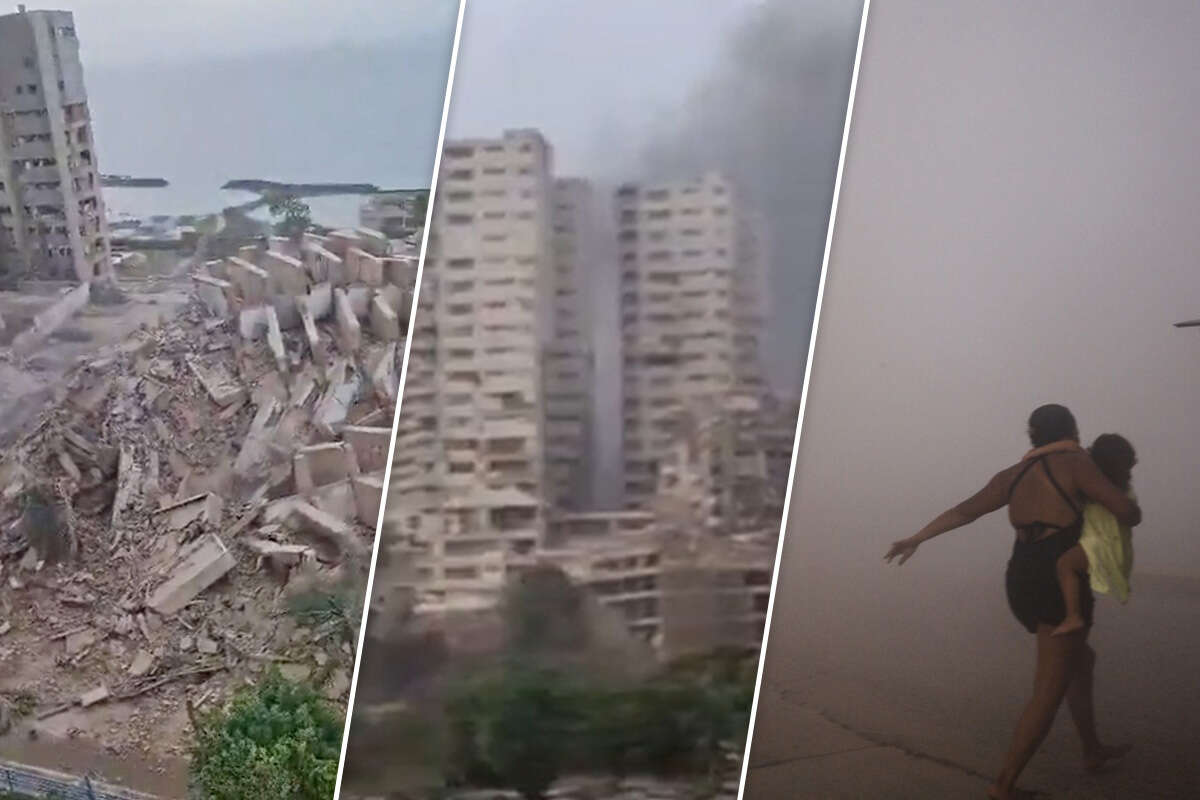
Extensive search and rescue efforts continued in Venezuela on Thursday, hours after two powerful earthquakes struck the country, devastated entire areas of the capital, Caracas, and coastal regions in the north, and left many people trapped under the rubble. Overnight, authorities said the death toll had reached 164, with more than 971 injured, but acting President Delcy Rodríguez warned that the number was expected to rise, as it did not yet include La Guaira state, near the capital, which has been declared a disaster zone.
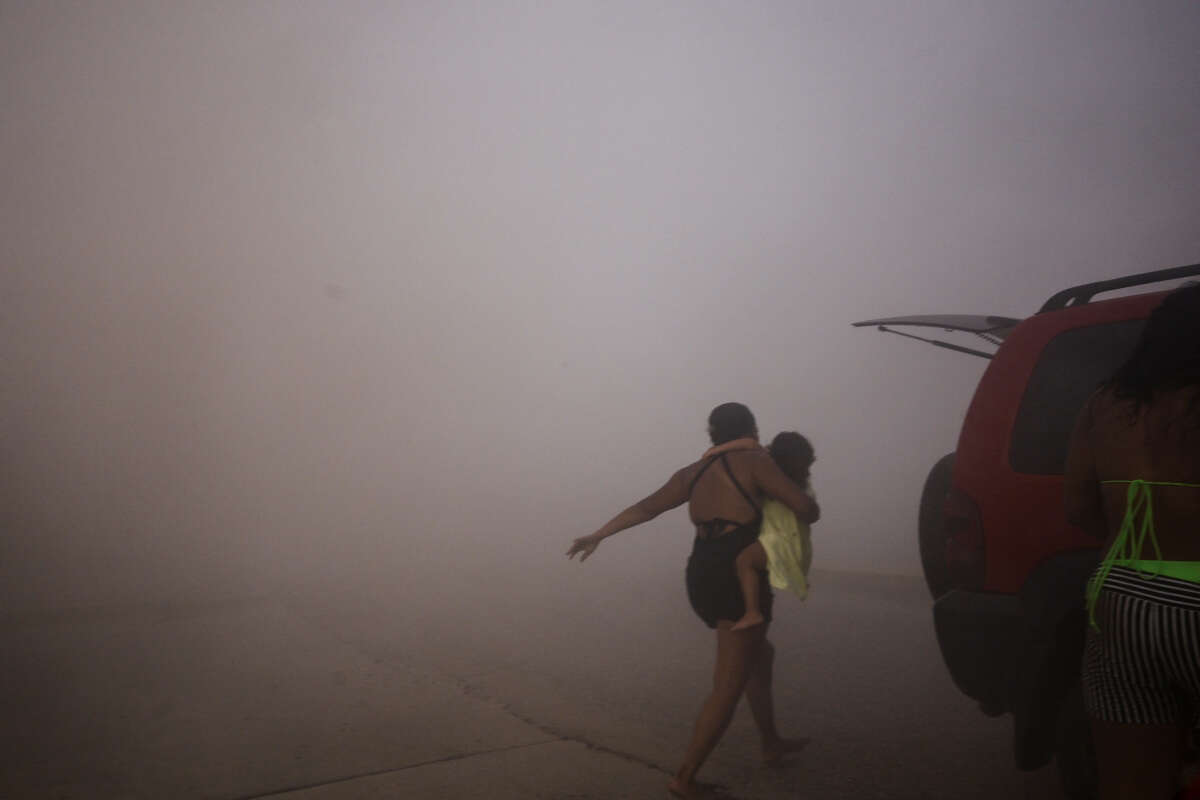
The first images emerging from Venezuela revealed widespread destruction in and around the capital: buildings collapsed into piles of concrete and steel, facades torn away to expose the interiors of homes, and columns of dust rising above the ruins. Terrified residents, some still in pajamas, rushed into the streets and remained there, afraid to return home as aftershocks continued to shake the area.
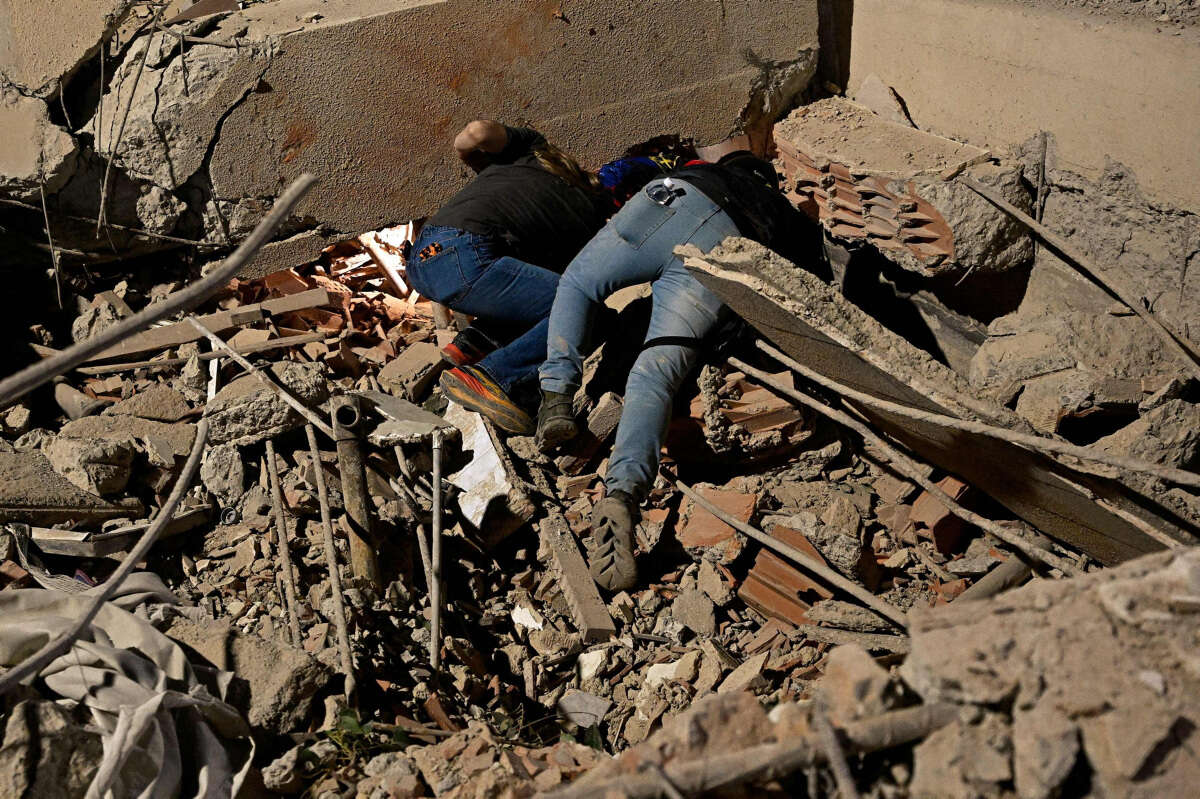
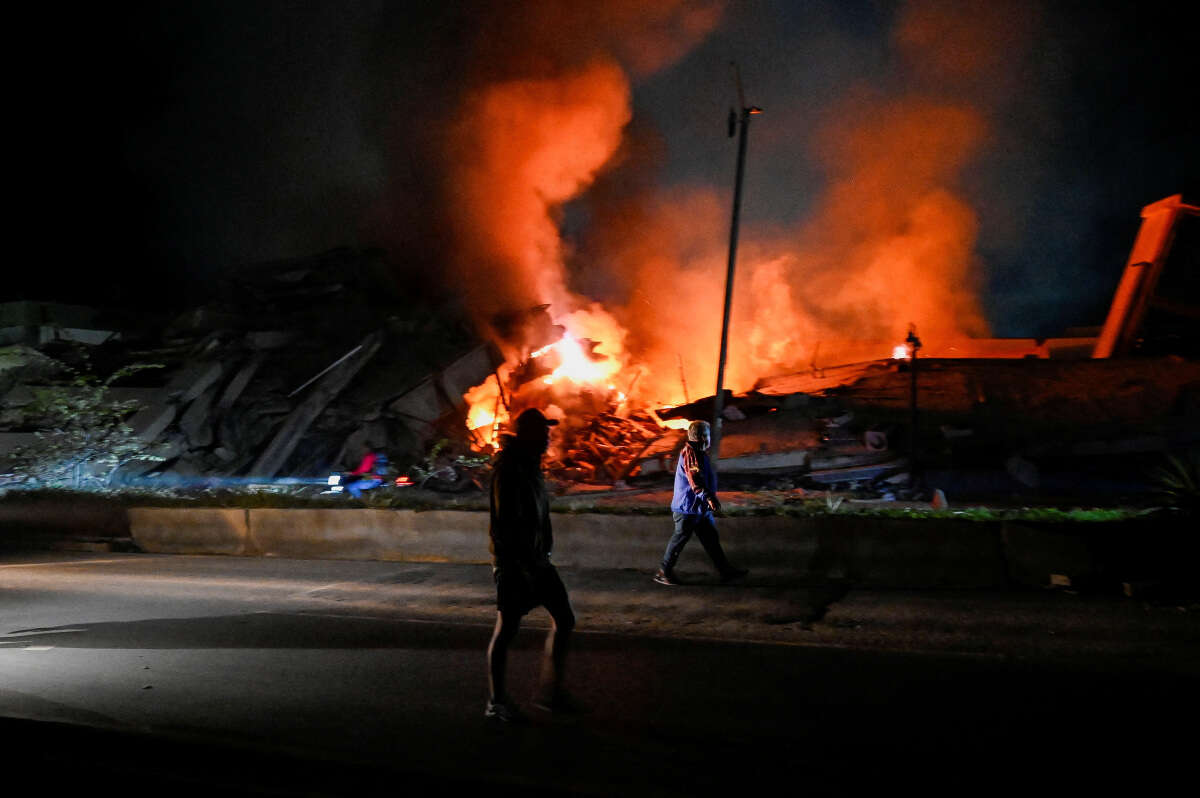
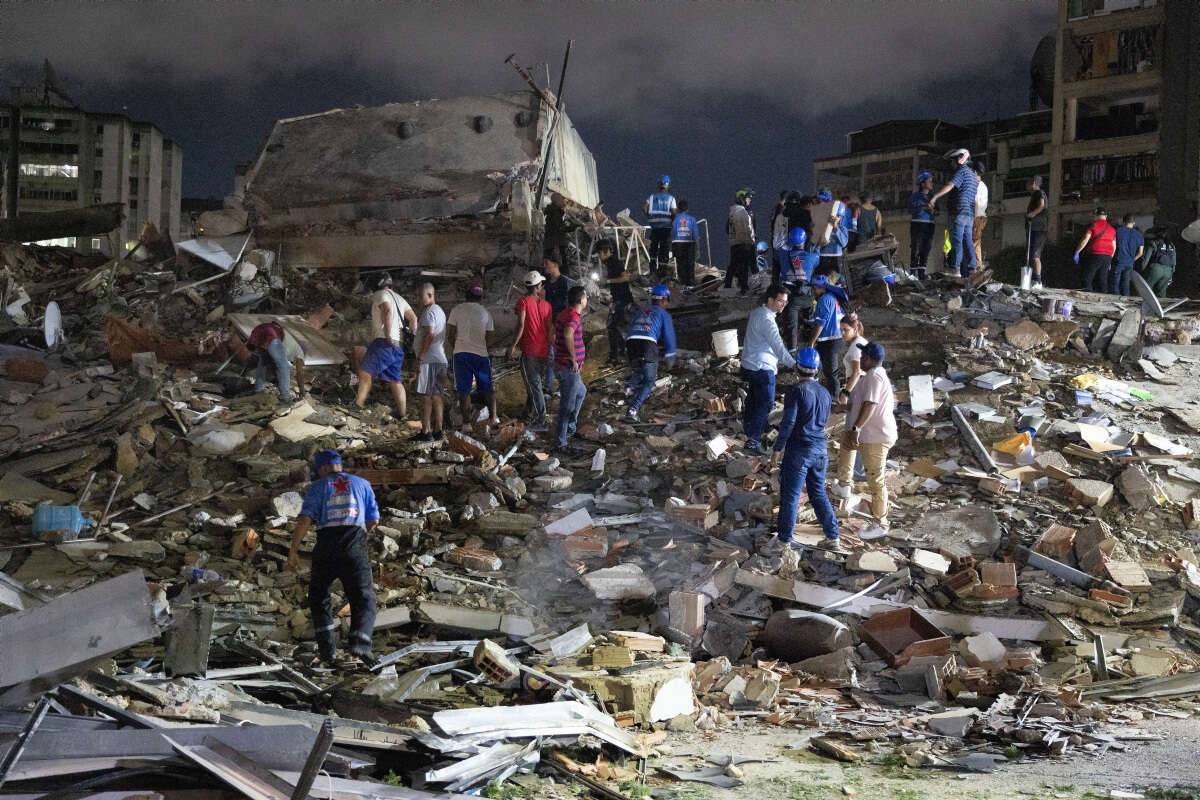
In the Altamira neighborhood in eastern Caracas, an AFP reporter documented a 22-story building that had completely collapsed. At its base, people were seen calling out the names of loved ones in the dark as volunteers climbed over the rubble. "We need flashlights," one of them shouted. In many places, electricity and internet service were cut off, while fire engines and rescue teams were deployed across the capital.
The disaster followed two powerful earthquakes that struck one after the other, about 160 kilometers (99 miles) west of Caracas, near the coastal city of Morón. The first had a magnitude of 7.2, and less than a minute later a second, even stronger quake struck, with a magnitude of 7.5. Rodríguez said about 20 aftershocks were recorded afterward. The earthquakes were felt across the country and as far as the Colombian capital, Bogotá, hundreds of kilometers away, where alarms sounded and residents evacuated buildings out of concern. According to the US Geological Survey, it was the strongest earthquake to hit Venezuela in more than a century.
Several circumstances apparently worsened the scale of the disaster. The double earthquake struck the country in the middle of a national holiday, when Venezuela marks the 1821 military victory that secured its independence from Spain, and many families were at home. The relatively shallow depth of the two quakes, 22 kilometers (14 miles) and 10 kilometers (6 miles), also intensified the shaking felt at ground level, compounded by the scale of older construction in the city.
The US Geological Survey estimated, based on a forecasting model, that there was a 44% chance the death toll would exceed 10,000, and a 30% chance it would even cross the 100,000 mark. However, this was not an official count or an estimate based on conditions on the ground, but a statistical calculation based on previous earthquakes with similar characteristics, the scope of the affected area, population density, and the magnitude and depth of the quake.
Rescue efforts continued throughout the night to locate people trapped beneath collapsed buildings, with some rescuers using cellphone flashlights to search in the dark. Gustavo Duque, the mayor of Chacao in eastern Caracas, said 23 people had been rescued so far and more than 500 emergency workers were operating in the area. He added that the voices of trapped people could still be heard through the rubble. "We can hear people alive, and we will rescue them," he said.
Members of the Jewish community in Caracas described hours of fear that ended in relief. "We are still processing this. No member of the community was hurt, and that is simply a tremendous miracle," Shimon, a Caracas resident, told Hayom. "We are praying for the welfare of all residents of Caracas and hope that as many trapped people as possible will be saved. Soon we will understand who can return to their home and who cannot, but it is simply a miracle that we did not lose any member of the community." He said the scale of the collapse could have been much greater: "The entire construction method changed after the earthquake in '67, and that is why hundreds of buildings did not crash down. This earthquake was very strong."
Some residents were trapped under the rubble and were rescued only after long hours. Martha Añez, a Caracas resident trapped in her apartment, told CNN that she went out onto the balcony and shouted for help: "We are trapped! We need help! Someone come!" The aftershocks that followed, she said, "felt endless," and the three lower floors of her building were completely destroyed.
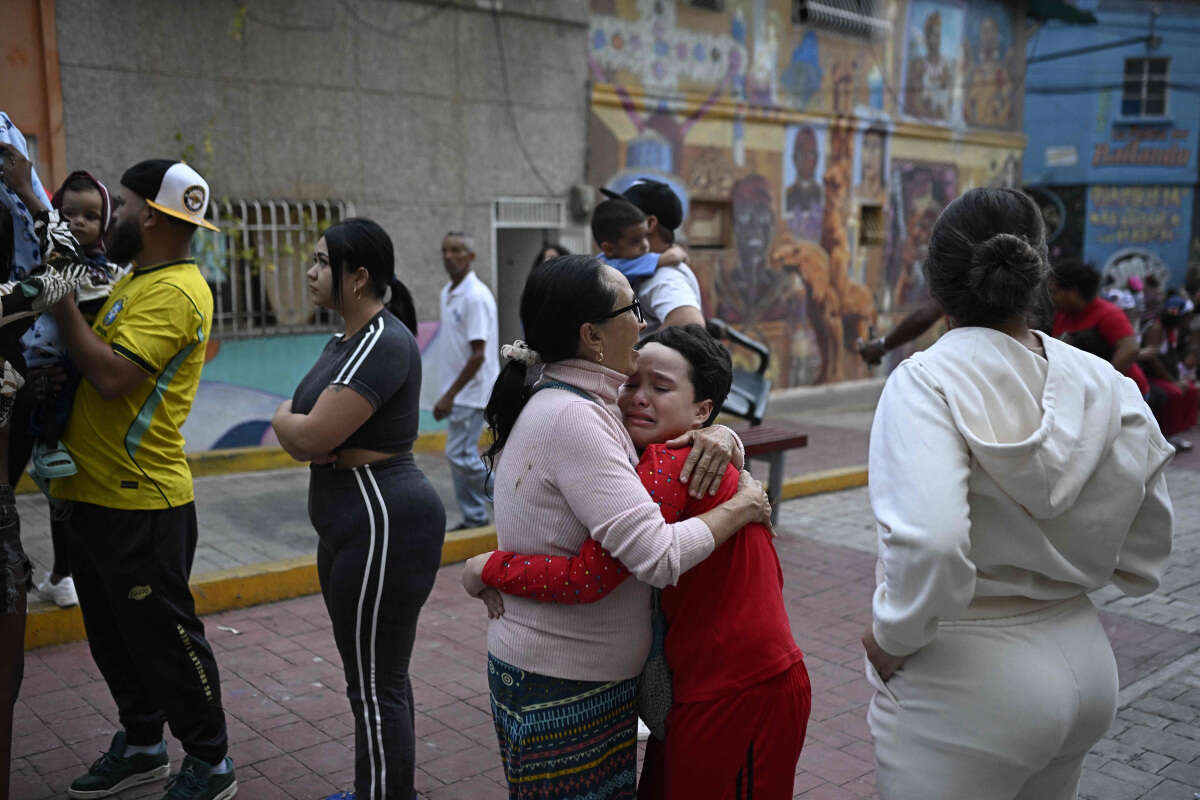
"There was banging from one side and kicking from the other. I don't know who actually rescued us, because they shouted, 'Get away from there, we are coming,' until they finally broke through the door," she said, describing the moments of her rescue.
Another Caracas resident, Erick Martínez, was also trapped in his home. He said he pushed furniture around to shield himself from objects falling into his apartment from the floors above and waited about two hours until he was rescued. When rescuers realized he was still alive, he said, they shouted to him, "Talk, talk, talk," and that is what he did. Abilio González, who managed to escape with his wife and granddaughter, later returned home to find it destroyed. "How many more families will end up like this, with buildings destroyed in Caracas?" he said.
The main center of destruction appears to be La Guaira state, on the coast west of Caracas, which Rodríguez declared a disaster zone. "The situation in La Guaira state is a true tragedy," she said. "Dozens of buildings collapsed." In the city of Macuto, a hotel on the coastline collapsed, while in the town of Catia La Mar, collapsed buildings and heavily damaged high-rises were documented. The state is also home to Simón Bolívar International Airport, Venezuela's main airport serving the capital, which was closed after its infrastructure sustained heavy damage. Videos filmed inside the terminal showed people running to escape, floors covered with rubble and dust, and damaged ceilings.
Venezuela lies in an active seismic zone, along the fault line between the Caribbean and South American tectonic plates, but a disaster on this scale has not been recorded there for generations. The last deadly quake remembered by residents of the capital occurred in 1967 and killed about 200 people, and many witnesses compared the current event to it. The deadliest earthquake in the country's history occurred in 1812, when an estimated 30,000 people were killed after a powerful quake destroyed large parts of Mérida and Caracas.
The disaster comes just about six months after the country experienced political upheaval following the capture of Venezuelan President Nicolás Maduro in a US operation in early January, after which his deputy, Delcy Rodríguez, became acting president and began moving Caracas closer to Washington. US Secretary of State Marco Rubio announced Thursday morning that the US was "immediately deploying search and rescue teams, medical equipment and humanitarian aid to Venezuela," at the instruction of President Donald Trump. According to Rodríguez, Rubio expressed "solidarity and support" in a conversation with her.
Trump himself addressed the disaster on Wednesday, writing that the two earthquakes were "massive in scale and have left a devastating number of deaths." He said the US was "ready, willing and able to help," and that he had instructed all government agencies to prepare for rapid action. "We will be there for our wonderful new friends," he added, referring to the rapprochement between the countries. "Early reports are not good."
Other countries have also come to Venezuela's aid. According to Rodríguez, rescue teams are expected to arrive from the Dominican Republic, El Salvador and Mexico, as well as from Qatar, whose delegation is expected to land in the country on Friday. At the same time, China, Brazil and Caribbean countries including Antigua and Barbuda, Belize, Saint Lucia and Dominica have also offered humanitarian aid and support. Spain also said it would provide any emergency assistance required, as did Germany and other European countries.