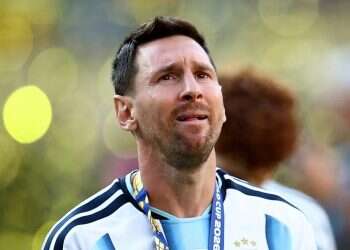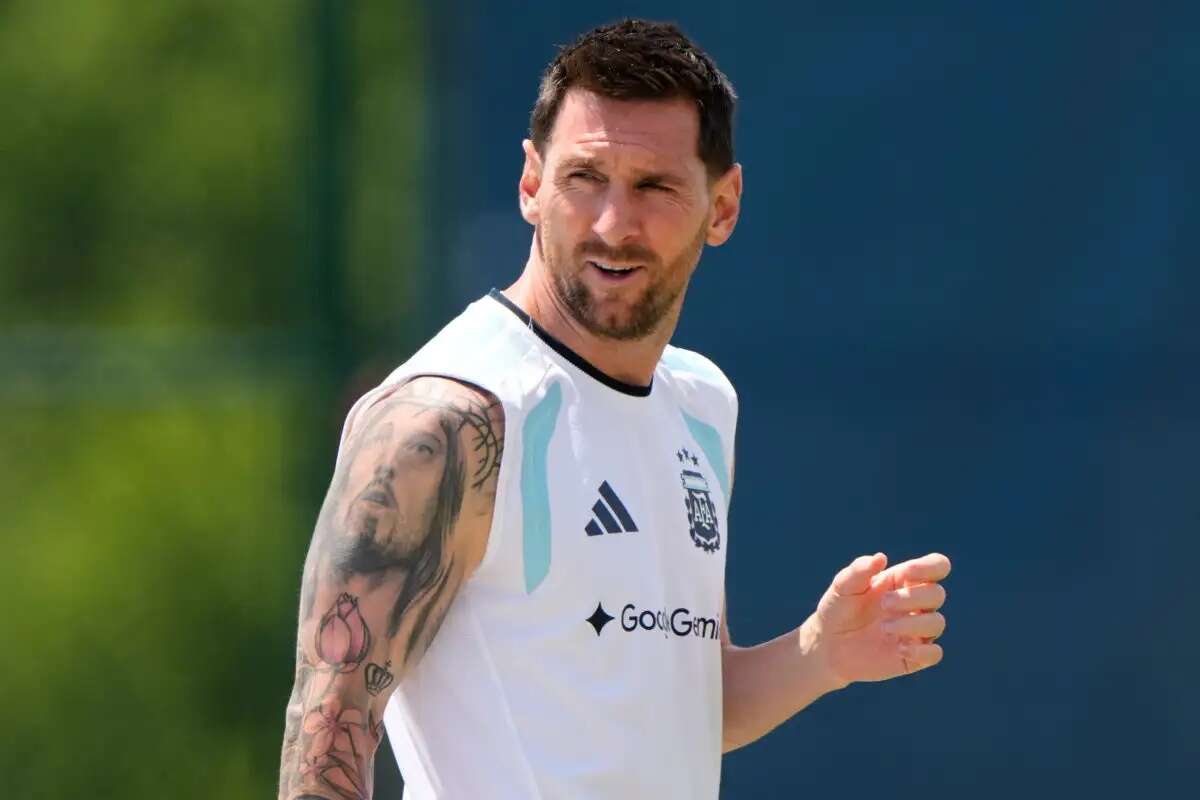
For many, Lionel Messi is the most gifted soccer player in history. But at 39, as he continues to score, break records and lead Argentina's national team, it is becoming clear that the great secret behind his extraordinary career is not just natural talent, but above all discipline.
Messi, who celebrated his 39th birthday yesterday, recently said he does not think about his age when he takes the field, but focuses instead on how his body feels and on maintaining it. His comments came after he scored twice in Argentina's win over Austria this week and became the tournament's all-time leading scorer with 18 goals.
The Argentine's strict lifestyle was built over more than a decade, after years in which he suffered recurring bouts of vomiting during and after matches. In 2015, he turned to Italian nutritionist Giuliano Poser, a move that became one of the most significant turning points of his career.
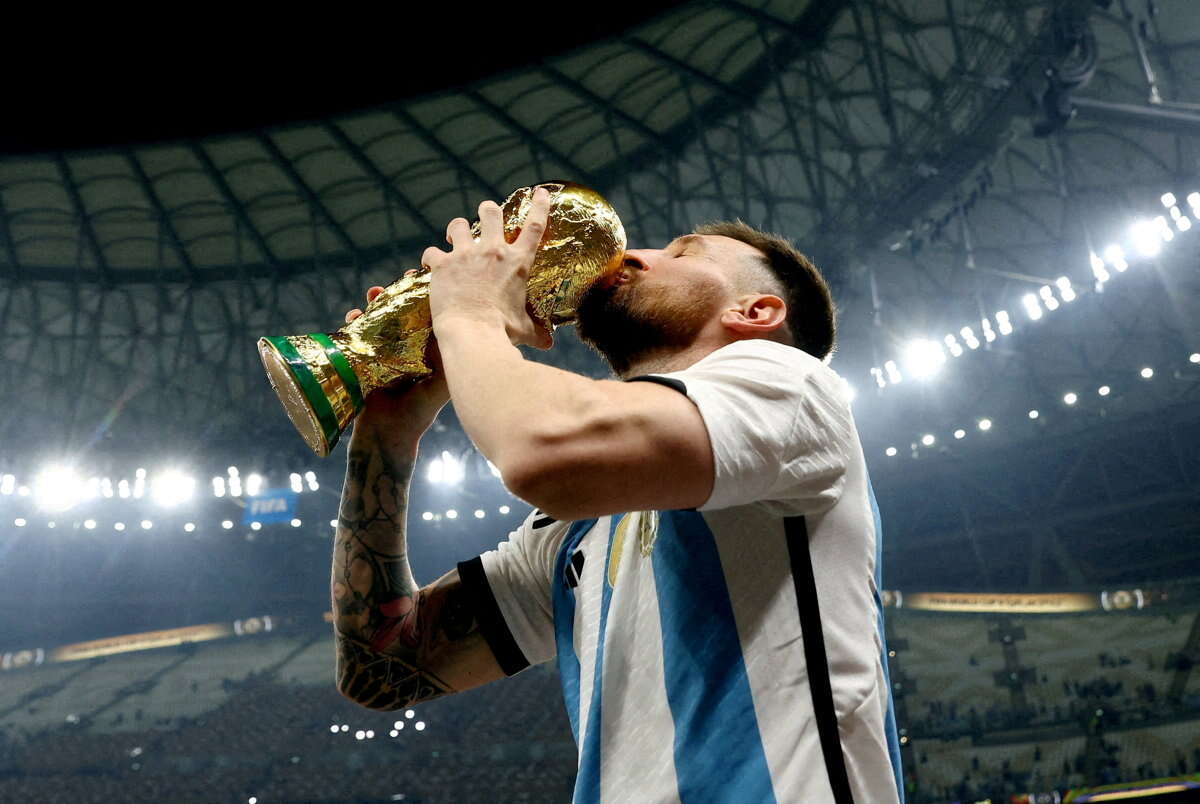
Their work together went far beyond a new diet. Messi underwent a comprehensive change that included emotional therapy using Bach flower remedies, posture improvement through rehabilitation exercises and osteopathic treatments, as well as an introduction to kinesiology for movement and coordination analysis. At the same time, he gave up sugary drinks, chocolate, processed foods and pizza, all of which had been an integral part of his diet for years.
Poser has previously explained that his goal was never to turn Messi into a better player. "I am not going to improve a phenomenon like Messi by having him eat in a certain way, but we can make him continue being Messi for longer," he said. According to Poser, five components formed the basis of the program: drinking plenty of water, high-quality olive oil, whole grains, fresh fruit and quality vegetables, alongside a significant reduction in sugar and red meat.
The results came quickly. Messi himself acknowledged that for years he had consumed large quantities of chocolate, snacks and carbonated drinks, but that once he began adhering to a proper diet, the stomach problems that had troubled him almost disappeared. At the same time, there was also a significant decline in the muscle injuries he had suffered throughout his career.
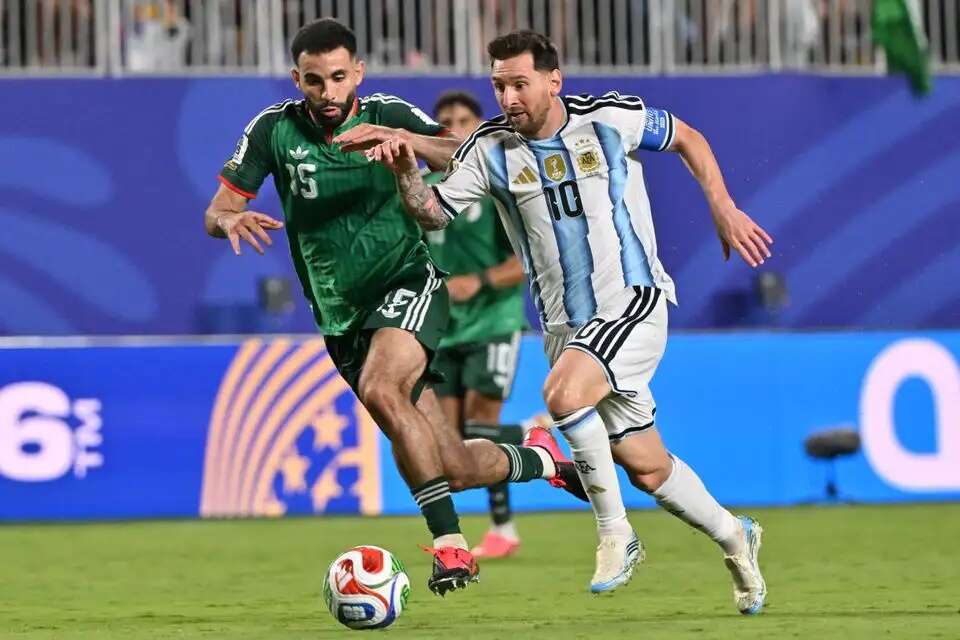
Since then, Messi has continued to adhere to the same principles. According to him, the key to longevity in soccer is a combination of a carefully managed diet, targeted strengthening exercises and smart bodywork. "I have been careful about what I eat for many years. Then I do strengthening exercises and very little beyond that. I am not really a gym person," he has said in the past. Still, he admits that he, too, has one weakness that is hard to give up completely: chocolate.
Today, Messi works with nutritionist Ismael Galancho, who continues the professional approach based on science, data and precision. His diet is based on fruit, vegetables, legumes, fish, lean meats and tubers, while almost completely avoiding processed food. "There are no magic potions. There is only science, evidence and precision," Galancho said.
Still, he also makes clear that nutrition is not the source of Messi's rare talent. "Leo would have remained the best in the world even if he ate pizza and hamburgers every day," he said. But at an age when most soccer players have long since hung up their cleats, the difference between a great career and a historic one appears to lie precisely in the uncompromising discipline that has allowed him to maintain his body for years.