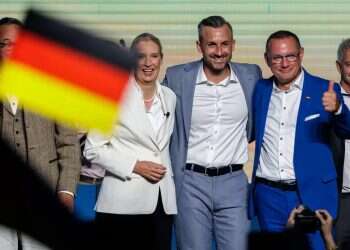
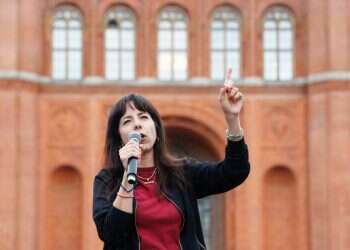
Spain, Italy, and France, three of the most influential countries in Europe, will enter election campaigns over the coming year that could significantly alter the continent's political landscape. Each has its own urgent domestic matters, including the economy, immigration, corruption, and crises of confidence. Still, from an Israeli perspective, the electoral drama directly touches Israel's standing with the European Union, its main trading partner.
Various election campaigns across the continent have already shown that an obsessive campaign against Israel provides quite limited electoral benefits. This was the case in the general elections in Norway, where anti-Israel parties that placed the struggle against Israel at the center failed to garner additional votes. Polls in Spain show that the stance of parties toward Israel is not a game-changer in the voting decision, and local election results in several regions in Italy and the UK have also proven that the impact of a campaign based on opposition to Israel is generally limited, perhaps except for Muslim-majority areas.
Yet, Israel is expected to receive significant attention in the upcoming elections, largely due to the anti-Israel drift on the continent and the fight for every vote. "The current situation in European public opinion is not good for Israel, and political forces are trying to exploit this," Dr. Rami Daniel, the head of the Europe program at the Institute for National Security Studies, explained.
"On one hand, left-wing elements are trying to attract voters through an anti-Israel campaign, and this is happening prominently in all three countries," Daniel said. "At the same time, even the most comfortable governments are under growing pressure from parties hostile to Israel, and once they realize that public opinion is turning against Israel, they are forced to adopt a complex stance so as not to lose voters in tight elections."
Dr. Daniel explained that even without official measurement, it is clear that if European foreign policy were determined by a referendum, almost all of them would adopt an anti-Israel stance. The leaders know this and conduct themselves accordingly. According to Daniel, Israel is in a sensitive position, and a series of statements and perhaps even complex actions against it are expected, since, as the elections approach, the gap between public opinion and the stance of leaders seeking re-election will shrink.
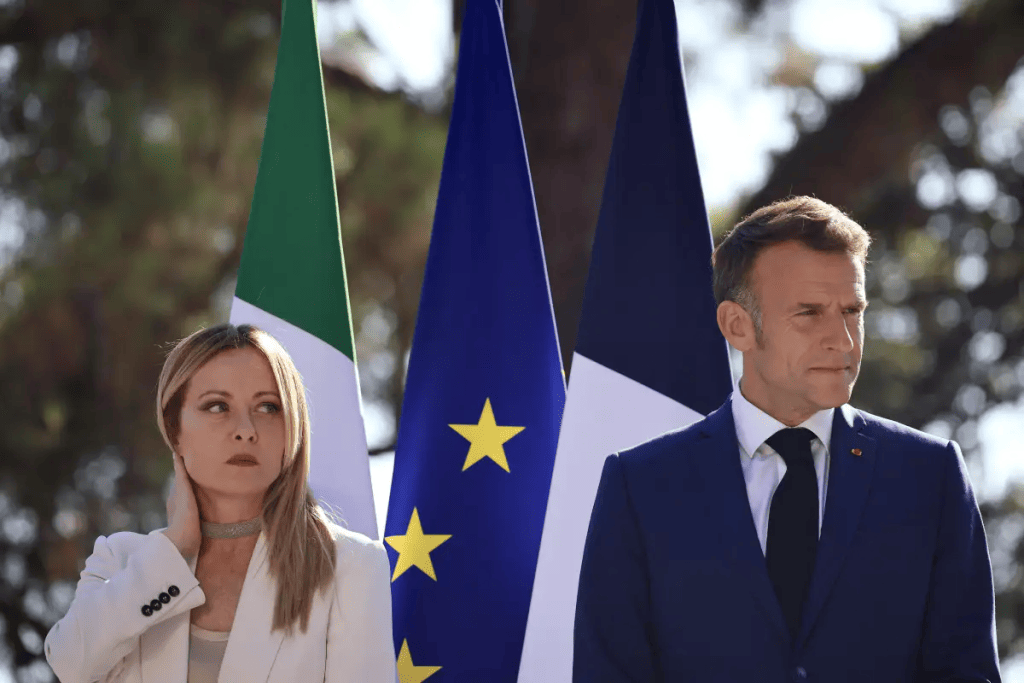
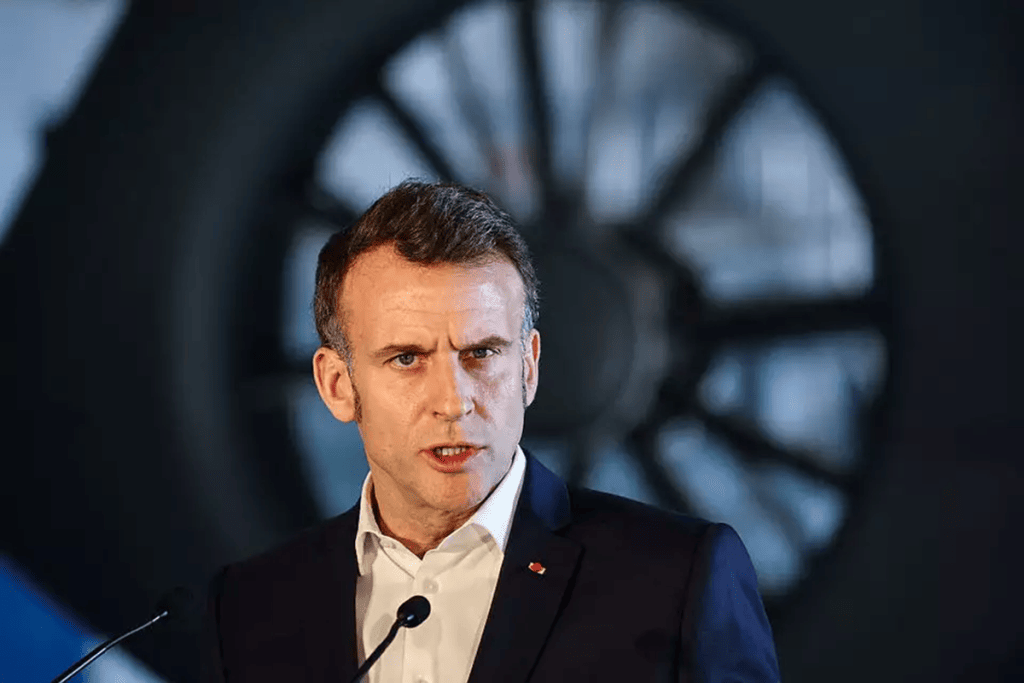
"The most distinct example of this is Giorgia Meloni, the Prime Minister of Italy. She is considered one of the European leaders most supportive of Israel, but Italian public opinion is among the most problematic on the continent, and as the elections approach, she is forced to align with popular sentiment," Dr. Daniel explained. "Leaders like Emmanuel Macron of France and Pedro Sánchez of Spain also find an incentive to take a tougher stance toward Israel ahead of the ballot box. Although Macron does this to leave a legacy, since he cannot run again, it is clear to him as well that discourse against Israel can electorally assist whoever runs in his place in the presidential elections next year."
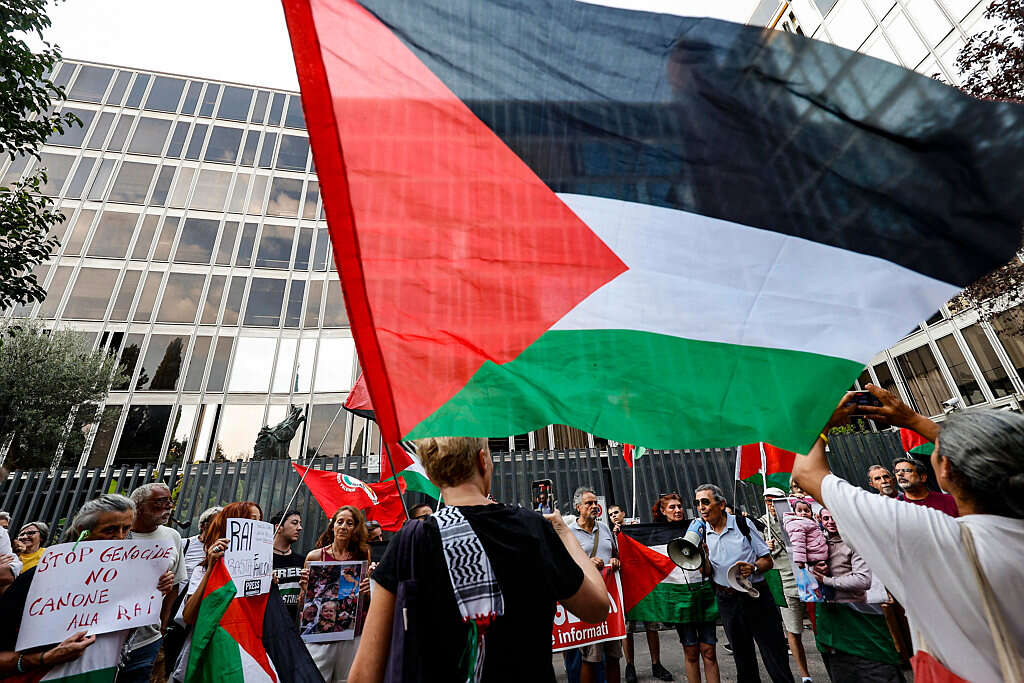
The campaign currently underway could have an immediate impact on Israel's status. The possibility of European sanctions, which seemed distant after the ceasefire, has recently become a realistic scenario once again. For nearly three years of war, almost no sanctions were imposed on Israel by European Union institutions, but according to Dr. Daniel, this situation could change, "especially on issues like settler violence and the actions of specific ministers, which are perceived as crossing every red line that even a European conservative can tolerate."
The elections in Italy are scheduled to take place toward the end of 2027, unless Italian Prime Minister Giorgia Meloni chooses to advance them, a possibility that has become increasingly likely in recent days. In any case, a difficult battle awaits her. Although she is expected to soon become the longest-continuously-serving prime minister in Italy since World War II, recent polls show that the path to another term will be challenging.
A painful defeat in the referendum on judicial reform, along with a feeling that she did not meet expectations in the areas of immigration and the economy, created disappointment among a part of her support base.
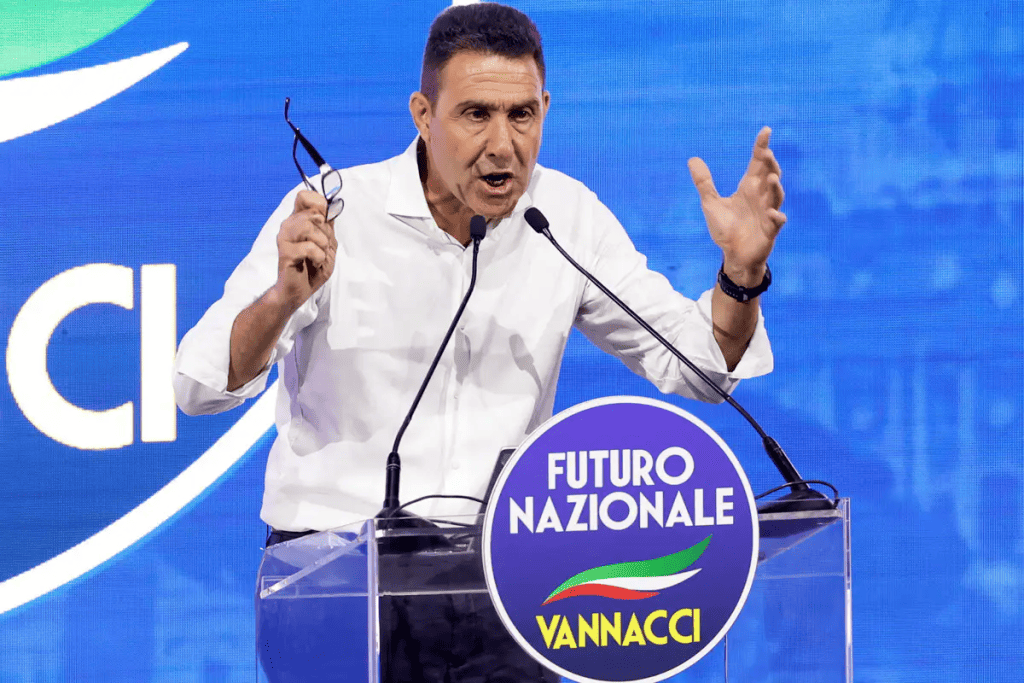
Stefano Piazza, an Italian journalist and author, noted that the issues at the center of the election campaign will likely be economic, as Italy continues to grow at too slow a pace, and the question of immigration is rising again. According to Piazza, Meloni has a good chance of winning another term, but much will depend on the coalition's performance in the months before the elections. "There is also uncertainty generated by Roberto Vannacci, the former far-right general who established his own party called National Future, which could draw votes away from the ruling coalition," Piazza explained.
If Meloni continues to rule, Piazza said, relations will maintain their level, even if cautiously and quietly. If the left wins, significant anti-Israel steps are expected, as the leaders of the camp have already declared they will recognize a Palestinian state – and that is only the beginning. Currently, Italy supports Israel in EU institutions, and together with Germany blocks the suspension of the Association Agreement (the primary treaty governing Israel-EU relations) – a loss by Meloni would place this in jeopardy.
"I do not see how the Italians can place trust in the left-wing coalition. Its return to power would be a disaster for Italy," Piazza concluded.
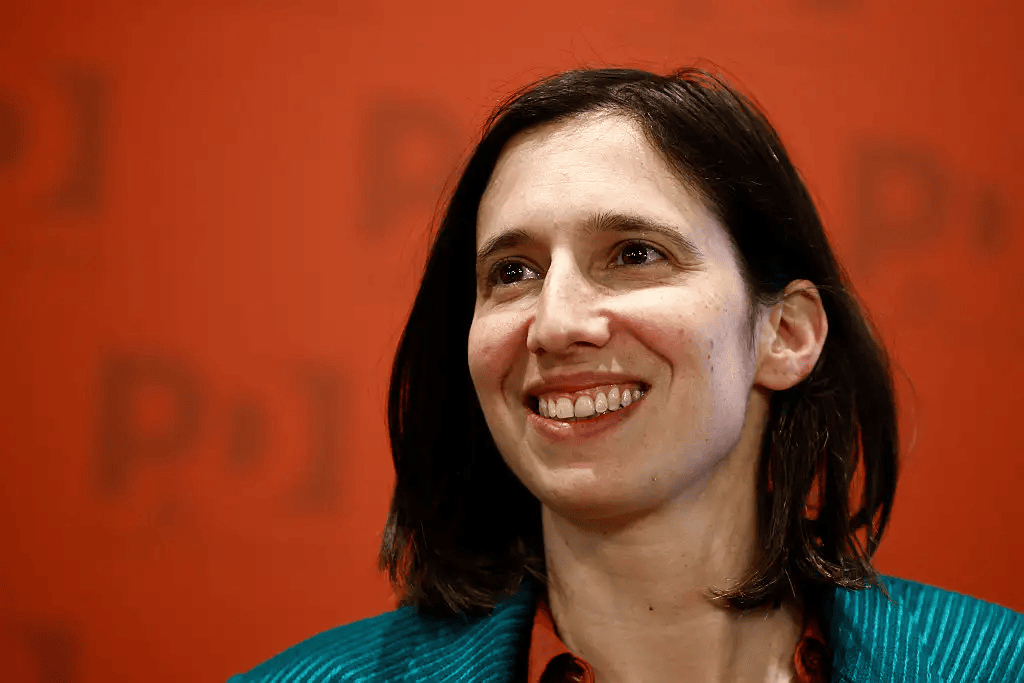
Currently, Meloni's party leads the polls with around 28%, while the left-wing parties trail behind. However, the rise of the new far-right party of Roberto Vannacci, which steals votes from her party and her coalition partner, the League party of Matteo Salvini, could make it difficult for her to form a coalition.
In Spain, the elections are supposed to take place next summer, but the pressure on sitting Prime Minister Pedro Sánchez is growing, as is the opposition's expectation to advance the elections, against the backdrop of corruption scandals involving many of his close associates.
Recently, the court ordered the confiscation of the passport of his wife, Begoña Gómez, following a corruption case in which she is accused, while concurrent proceedings are underway against his brother and his close political allies. The police even raided the party headquarters in Madrid.
The Supreme Court sentenced former Transport Minister and close Sánchez associate José Luis Ábalos to 24 years in prison in a corruption scandal. Sánchez denies any connection to the cases, claims that the prosecution is acting against him for political motives, and refuses to vacate his seat at this stage.
Elias Cohen, the editor of the Jewish publication Enfoque Judío, explained that the legal proceedings are what will actually determine the date of the elections, and it may be earlier than expected. Recent polls give an advantage to the center-right Popular Party, but it will only be able to form a government with the support of the right-wing nationalist Vox party. "The alliances forged over the past year between the Popular Party and Vox at the regional level indicate that the Popular Party already understands it will need the support of Vox at the national level as well," Cohen said.
For Israel, the Sánchez government leads a prominent anti-Israel policy, which includes boycotts, cancelling deals, and promoting anti-Israel initiatives across the European Union and the Arab world. Sánchez claims he is promoting human rights, but in Spain, they accuse him of harnessing the Israeli issue for domestic political needs.
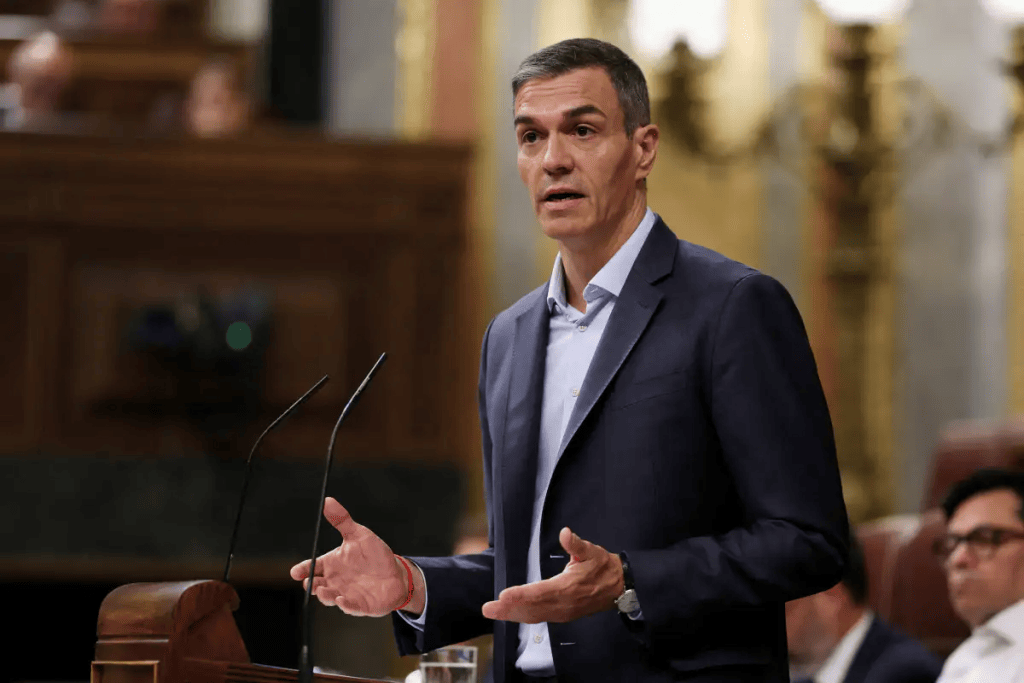
"Sánchez makes strategic use of the conflict with Israel as a political tool to please his partners in the radical left and preserve his minority coalition, and also to distract public opinion from internal scandals. Support for a Palestinian state receives more than 80% among the population in Spain, which gives Sánchez wide maneuverability to sharpen his tone toward Israel," Cohen said.
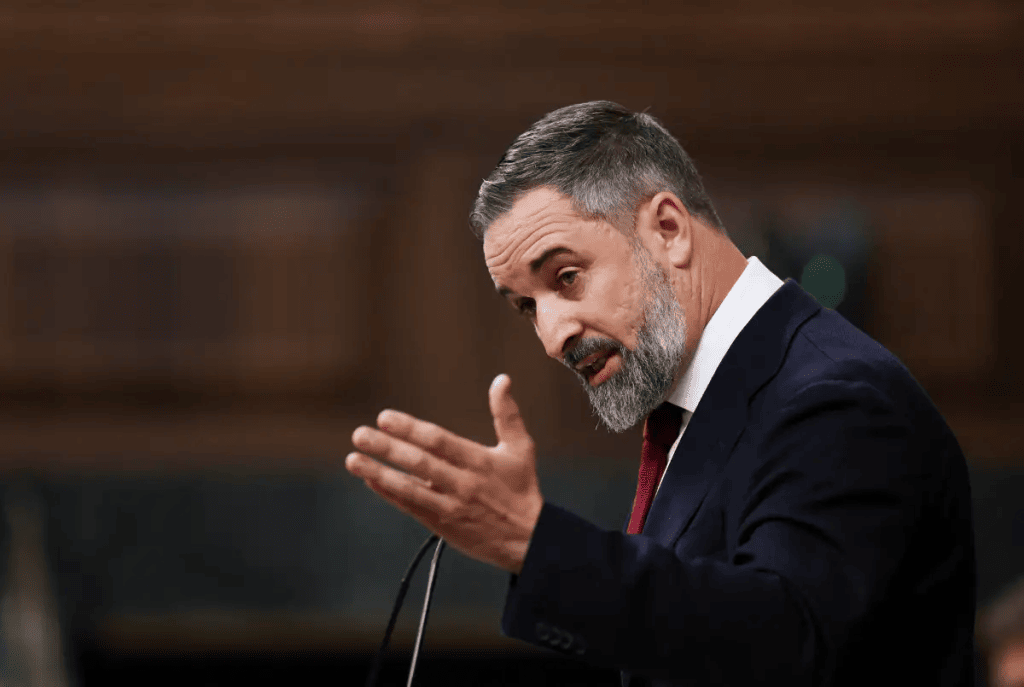
In Israel, they are tracking the elections in Spain, and polls predict that if the right unites, it will be able to establish a coalition, and one of the leaders most hostile to Israel in recent years will leave his position. Currently, the Popular Party leads with around 32%, the Socialists led by Sánchez are fading to around 27%, and the Vox party stands at around 17% – significant growth of around 5% compared to the previous elections, even if it has lost some momentum. After deducting the parties that will not pass the electoral threshold, the two right-wing parties are expected to jointly cross the 50% threshold of voter votes.
Spanish public opinion is indeed hostile to Israel, but a right-wing government under the influence of Vox, which consistently supports Israel, is expected to change the approach in Madrid. According to Cohen, this is not necessarily a dramatic change in foreign policy, but rather a significant improvement in diplomatic dialogue and a cessation of Spanish support for international legal initiatives against Israel.
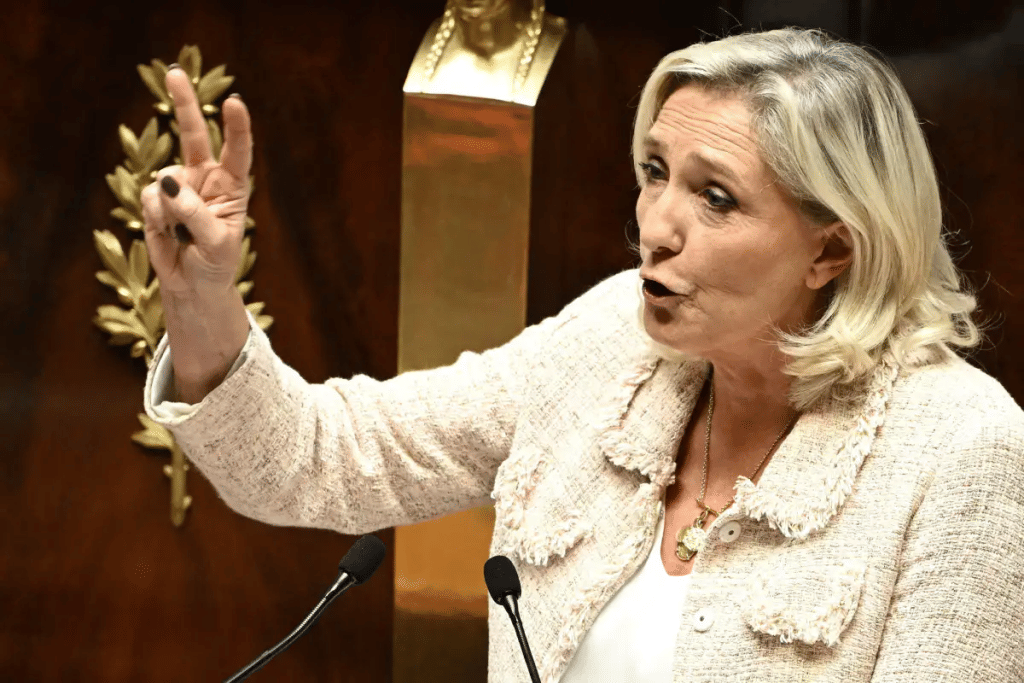
The French presidential elections will take place in April 2027. Macron, who is not permitted to run for another term, will leave behind a presidential field that has never been so open. The rise of Marine Le Pen on the right, expressed in the real possibility that her party member Jordan Bardella will be elected – if the court does not reverse its decision and allow the party leader to run herself – and on the other hand, the rise of Jean-Luc Mélenchon on the left, have created a real risk that the second round will be conducted between the two extremes, if the political center does not consolidate a unifying candidate.
Laetitia Enriquez, a journalist covering French politics for the newspaper Actualité Juive, explained that Macron is not subject to personal electoral pressure, since he will leave at the end of his second term anyway. However, the need to leave a legacy, against the backdrop of the failure of the domestic reforms he tried to pass, explains his heavy investment in foreign policy, and in the Israeli-Palestinian issue in particular. "If many centrist candidates run, there is a considerable probability that the two leading candidates will be Bardella and Mélenchon. This is a possible scenario even with a single unpopular centrist candidate, and all the more so if there are several," Enriquez said.
Several centrist candidates are already seeking to run for the presidency, including the young Gabriel Attal, who served as prime minister on behalf of Macron; Édouard Philippe, the former prime minister and chairman of the Horizons party; and the name of Raphaël Glucksmann from the center-left has also come up. According to the election system in France, if none of the contenders wins more than 50% in the first round, the two leaders advance to a head-to-head battle in the second round, which decides who will be president.
The problem for the center is that, according to recent polls, it is not clear at all if its candidate will pass the first round. Even if they pass, recent polls indicated that if the candidate is Édouard Philippe, he would lose to Bardella in the second round by a result of 52% to 48%. If Mélenchon advances to the second round, Bardella is expected to defeat him by an even larger margin.
According to Enriquez, from an Israeli perspective, a nationalist-right government led by Bardella is expected to fundamentally change Paris's attitude toward Jerusalem. Moving away from clashes, continuous criticism, and the promotion of sanctions, the foreign policy, which is held by the president, will become friendly toward Jerusalem. A centrist government might continue the current line, while a left-wing government led by Mélenchon, whom some define as "obsessive and antisemitic," is expected to destroy relations between the countries. "Meanwhile, until the elections, Macron will continue to score points on the Palestinian issue. The symbolic recognition of a Palestinian state and harsh statements toward Israel are expected to continue, as this is the only arena where he feels he has something to offer to the French and to history," Enriquez said.
Dr. Daniel emphasizes that even facing the most comfortable governments, such as Meloni in Italy, the Popular Party in Spain, or a centrist president in France, there are red lines that current Israeli policy crosses, and its continuation will create severe problems with Europe. "Events like violence toward Christians in Jerusalem, an insufficient response to Jewish terror in Judea and Samaria, and provocative actions by specific ministers, all of these create difficulties that are hard to explain even to friendly governments," Dr. Daniel warned.

Dr. Daniel forecasts that until late 2027, Israel could find itself facing three relatively comfortable governments, including Meloni in Italy, the Popular Party in Spain, and a centrist or far-right president in France. However, the path there, in the months before the elections, will not be simple, and could include pressures, statements, and perhaps also sanctions, which will come precisely from governments that are not enemies.
"Meloni is the best thing that can happen to us in Italy, but even she has limits, and current Israeli policy exceeds them. Israel must return to a wise and responsible foreign policy, and that way we can restore our standing in Europe, a continent that is very important for us, even critical," Dr. Daniel concluded.