Israel's eastern border is the longest in the country, stretching approximately 300 kilometers (186 miles), yet only about 40,000 residents live along its expanse, and most of it remains without a continuous physical barrier. For years, the sector was perceived as quiet, but following October 7, even as the IDF operates across multiple fronts, a new concept is taking shape in Jerusalem – the next border that could be put to the test is precisely the eastern one, due to it being breached, distant from current combat zones, and sparsely populated.
It is now disclosed here for the first time that the government is drafting a comprehensive national plan combining the Ministry of Settlement and National Missions, the Prime Minister's Office, and the Ministry of Defense to alter the reality in the region. In May 2025, the Security-Diplomatic Cabinet approved an initial pilot program valued at approximately 80 million shekels ($22 million). Government ministries are already discussing a far broader plan, on a scale of billions of shekels, which will bring thousands of new families to the area and transform it into a space with a significant civilian presence along the border with Jordan.
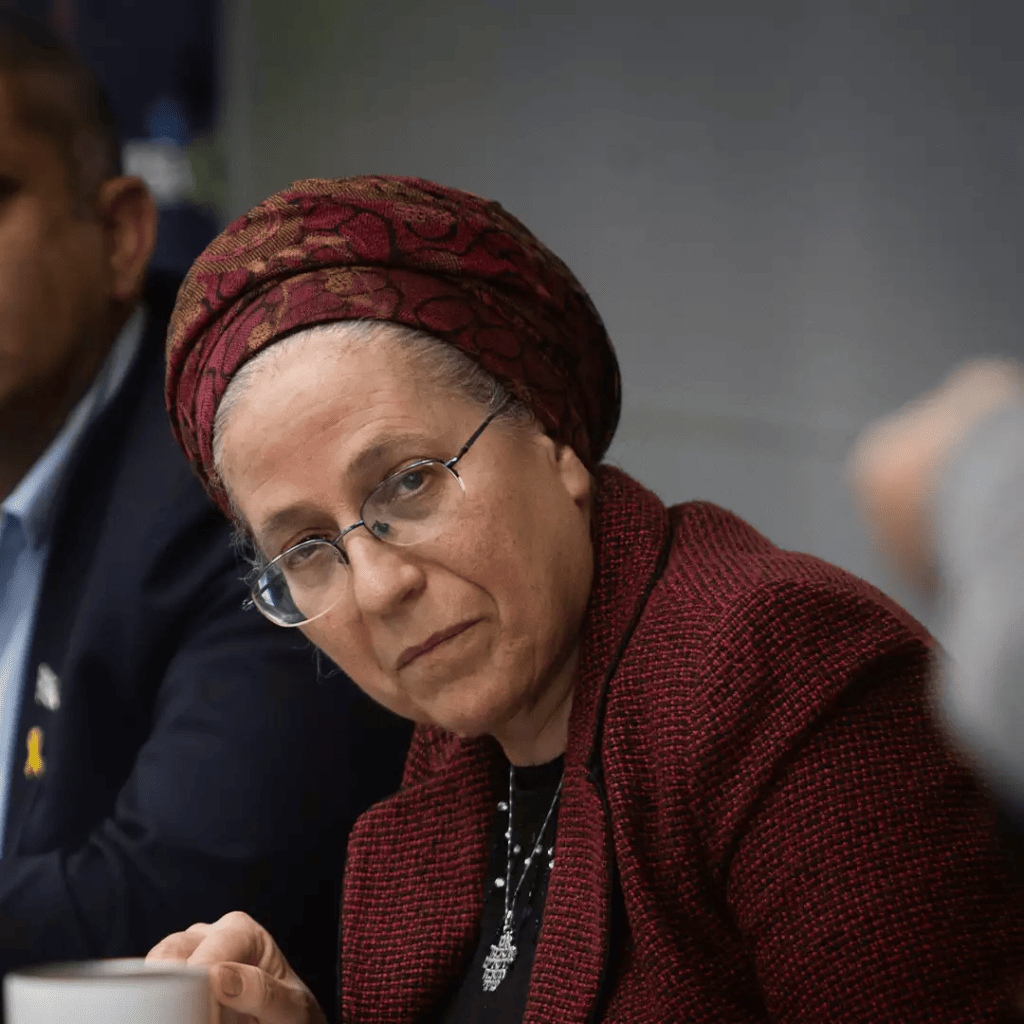
Minister for Settlement and National Missions Orit Strook led the move. Months after the war erupted, Strock began promoting a plan to reinforce the eastern axis before Prime Minister Benjamin Netanyahu, the defense establishment, and the National Security Council, and after extensive staff work, Netanyahu tasked her with formulating it. "Everyone is looking at Gaza, Lebanon, and Iran," she said, "but the eastern border is Israel's longest. It is relatively quiet, and therefore it is easy to ignore. Precisely because of this, it compels us to think ahead."
The pilot was approved in 2025, and professional officials consider it a success. Currently, the pilot is in the progressive stages of expanding into a wider, more heavily budgeted plan that the government is expected to vote on soon, with some figures pushing for the vote to take place as early as the upcoming cabinet meeting.
At the core of the plan lies a time-tested concept from the founding generation – "settlement equals security." According to Strook, the central conclusion from the events of October 7 is that it is impossible to rely solely on fences, sensors, and military forces. "We cannot wait until the threat materializes. We learned that we must build layers of defense in advance – not just the military, but also settlement, agriculture, communities, and young people living on the ground."
The concept is also gaining support from civilian and security figures. Uri Sapir, the deputy CEO of HaShomer HaChadash, explained that the war accelerated the need for action in this breached space. According to him, the Iranians are constantly seeking new ways to operate against Israel: "They are developing new proxies. If they decide to act from the east, it will be through this border."
Beyond the Iranian threat, Sapir pointed to a structural problem: "Ultimately, the IDF cannot place a soldier every two meters. The solution is a strong population that sits on the border, lives there, works there, and constitutes part of the defense array." Sapir noted in this context the Allon Plan and the regional defense concept of Yigal Allon from the 1960s, which was based on people living on the ground. This time, the concept is returning in the wake of the trauma of the war.
Avner Goldschmidt, a project manager for the Settlement Division within the Settlement Administration, detailed the three pillars of the current pilot:
-
Strengthening existing communities: Establishing young neighborhoods and absorption centers that will allow new families to join local standby squads (armed civilian security teams).
-
National mission hubs: Establishing nearly 30 hubs along the border, including pre-military academies, Nahal (IDF pioneer youth), student villages, and service-year organizations.
-
Security farms: Establishing agricultural-security farms, some near old military outposts that were abandoned over the years along the water line. The presence of a single family on a farm makes it possible to seize a massive territory and generate continuous surveillance and presence for security forces.
The project is generating surprising connections and receiving support even from figures who are not identified with the right-wing camp. The head of the Jordan Valley Regional Council, Idan Greenbaum, did not hide the ideological gaps between himself and Minister Strook: "We did not grow up in the same seminary, and we likely disagree on a variety of issues. Yet, we meet here on one thing – the love of the people and the land, and the desire to develop the State of Israel."
Greenbaum credited Strook for identifying the problem and pushing the state to act, adding that October 7 proved that one cannot assume a quiet border will remain so forever. Beyond the security necessity, he flagged the move as a massive opportunity for development: "If you give people affordable housing, education, health, and infrastructure – they will come."
Minister Strook is already looking toward the next goals. According to her, if the pilot along the eastern border succeeds, the model will be implemented in other regions as well: "Where there is no settlement, there is no governance, no sovereignty, and no security. I hope we succeed in establishing farms like these in the Negev and the Galilee as well, regions that are crying out for this presence."