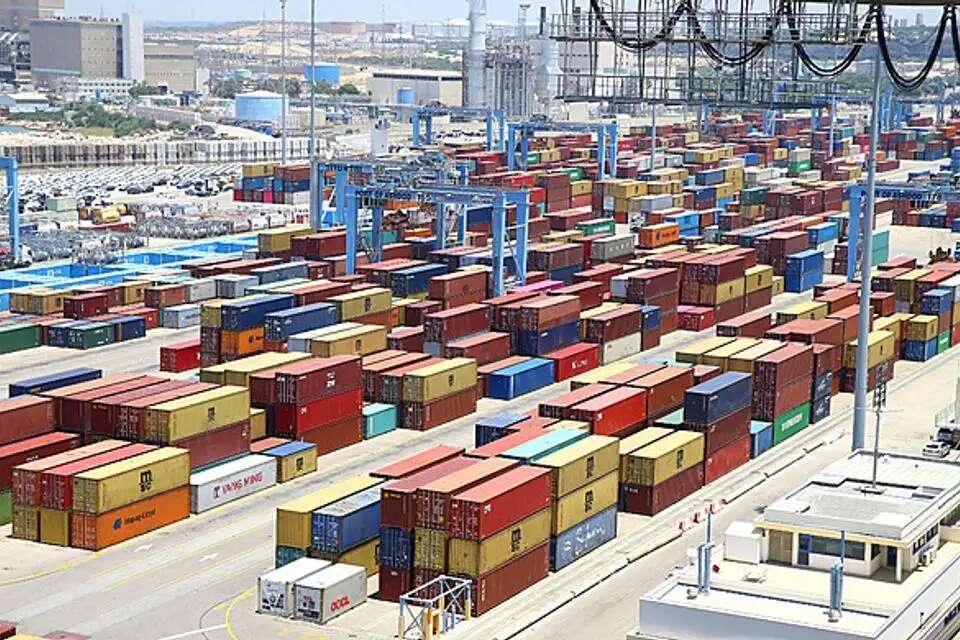
The competition over the development of future regional trade routes is now widely portrayed as a zero-sum game. Against this backdrop, Transportation Minister Miri Regev recently sent a warning letter to Prime Minister Benjamin Netanyahu, cautioning that regional energy and trade routes are being advanced with the stated aim of bypassing Israel.
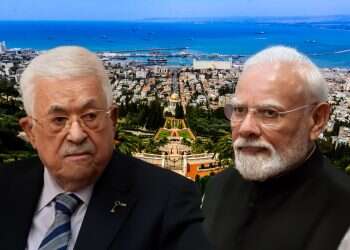
The minister's warning came, among other things, in response to the signing of a memorandum of understanding in June between Turkey and Saudi Arabia to build a railway line connecting the two countries via Jordan and Syria. The line is, in effect, a revival of the Hejaz Railway, which was built in the final years of the Ottoman Empire. The promotion of this transportation route is seen as potentially harming the vision of the India-Middle East-Europe Economic Corridor, known as IMEC, which was launched in September 2023 and in which Israel was assigned a central role as a transit route. Although at first glance the revival of the railway appears intended to bypass Israeli territory, an examination of some of the maps published around the time of the signing, including one released by Turkey's official news agency, shows that the historical connection to Haifa Port still appears in them. This means that reviving the historic line could actually contain an opportunity for Israel.
The main missing link today for realizing the IMEC vision in general, and the regional railway in particular, is Jordan. If Turkey and Saudi Arabia succeed in advancing construction of the railway infrastructure inside Jordan, this could serve Israel in the future. Under a government that sets as a goal the renewal of civilian cooperation with countries in the region, the existence of Jordanian infrastructure would create the potential for a rail connection and access to the sea through Israel. To that end, Israel must also complete the rail link from Beit She'an station to the Jordan River border crossing, about 12 kilometers (7.5 miles).
The IMEC vision has struggled to gain momentum since it was presented, given the consequences of the war that broke out on October 7. Today, Israel is seen as a complex and problematic partner, partly because of the damage to its international standing and its stringent security demands. Still, it is worth remembering that the regional players competing with Israel over trade routes also suffer from economic, infrastructural and security problems, as well as failures of governance. A good example is Iraq's "Development Road," which Turkey is promoting from the port of al-Faw, currently under construction in southern Iraq, to its territory and from there to Europe, as one of the alternative routes to IMEC.
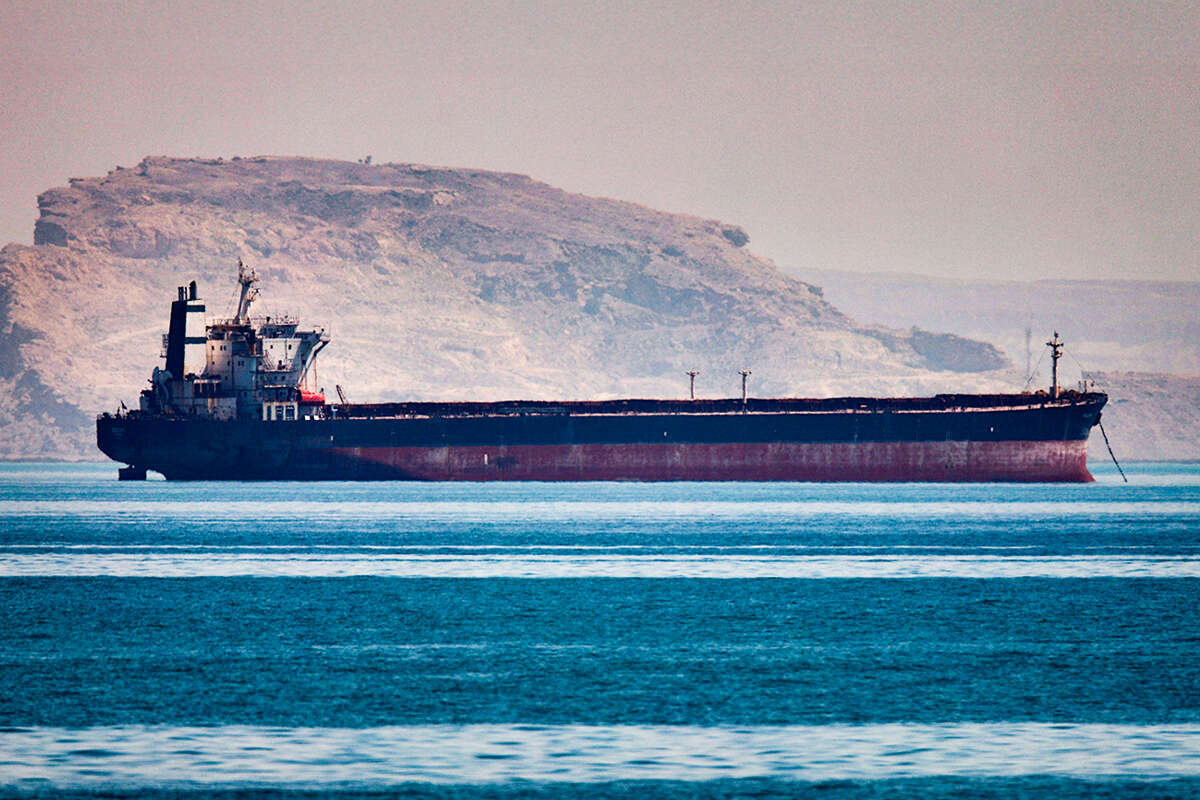
Alongside Iraq's chronic instability, this project suffers from an inherent strategic vulnerability stemming from the fact that its outlet in the Persian Gulf is exposed to security threats in the Strait of Hormuz, and that it is adversely affected by the strained relations between Baghdad and Kuwait. In light of this, it is clear that this route, too, cannot be an absolute or stable solution to the region's land transportation problems.
Thus, redundancy in transportation routes in the region is not a luxury or a waste, but a strategic necessity. Those seeking to promote a single exclusive route ignore the transformative potential of regional connectivity, whose impact extends far beyond the laying of isolated railway tracks in each country.
The explanation for Israel being bypassed today also lies in its own policy. In 2024, Regev signed off on the cancellation of the Afula-Jenin railway, which was supposed to connect to the Valley Railway, running from Haifa to Beit She'an. The minister justified the cancellation by saying that the railway's construction had been promoted by Turkey as part of an initiative intended to connect a Palestinian Authority preferred industrial zone, based on the Qualified Industrial Zone model, to the Mediterranean Sea, in economic and operational partnership with Israel. The fact that the preferred industrial zone project in northern Jenin was ultimately not established, despite the extensive efforts invested in advancing it, deserves a discussion of its own.
Nevertheless, the transportation minister's move illustrates how Israel today, in the absence of a vision that includes the Palestinians and while ignoring them, is effectively pushing itself out of the main trade routes as well. Israel cannot complain that it is being bypassed when it itself refrains from inclusive thinking.
The writer is a senior researcher at the Institute for National Security Studies and specializes in Turkish foreign policy.