The United States may intensify its strikes against Iran in the coming days and weeks, but the attacks are expected to focus on keeping the Strait of Hormuz open while avoiding escalation into a full-scale war, a security official familiar with regional discussions told Israel Hayom.
According to the official, the Americans are listening closely to the Gulf states and coordinating their actions with them. On the one hand, as Israel Hayom previously reported, the Gulf states have changed course and are now demanding a decisive outcome against Iran. On the other, they remain concerned about their sensitive strategic infrastructure, particularly oil and gas fields and facilities, as well as desalination plants.
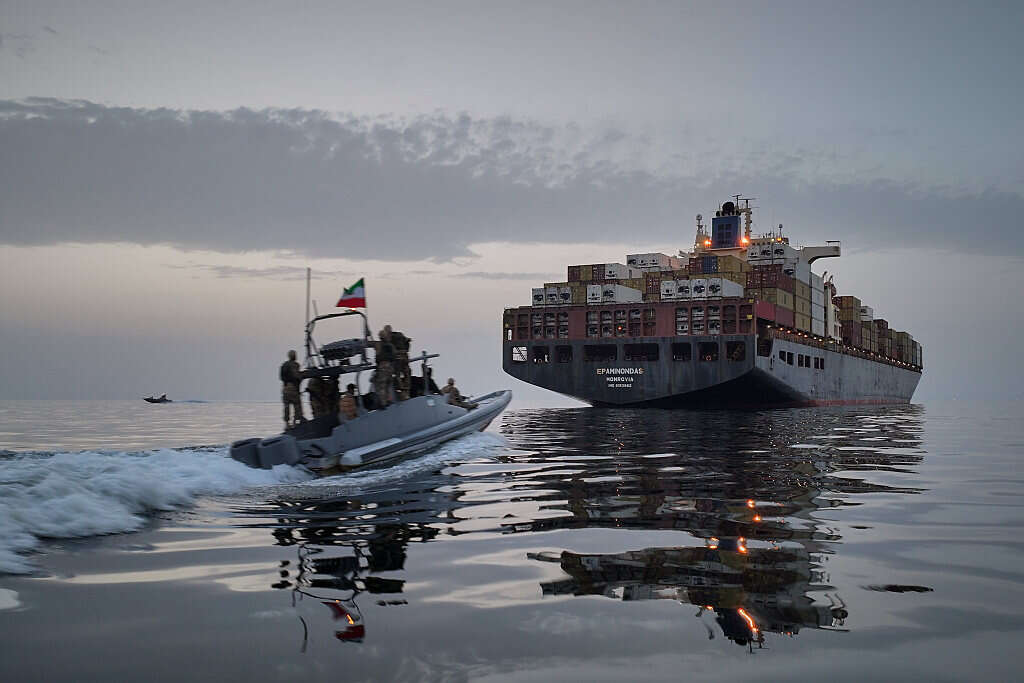
As part of this policy, two Gulf states are actively participating in the strikes, although on a limited scale, Israel Hayom has learned.
The Americans, together with Britain, France and other countries operating through the joint command center of US Central Command, are helping the Gulf states establish an intelligence, early-warning and active defense network against Iranian missile and drone attacks. Israel is also part of the network. Israel Hayom previously reported that an Iron Dome battery had been deployed in the United Arab Emirates and was being operated by Israeli personnel.
Over the past week, Iran has fired almost no missiles or drones at the UAE, even though the country is regarded as Tehran's principal Gulf rival. However, assessments within US Central Command and the Gulf states indicate that Iran may expand its attacks to include the UAE and Saudi Arabia if the confrontation escalates.
Protecting maritime trade
The US Navy is now preparing to close gaps in the maritime blockade around the Strait of Hormuz, prevent Iranian tankers and ships from passing through, and protect the shipping route through the Bab el-Mandeb Strait. Iran and the Houthis have said that route is also expected to come under attack.
At the same time, the economic campaign against Iran is expanding. According to reports in Iranian media, the US Treasury has successfully frozen several billion dollars belonging to Iran in digital assets.
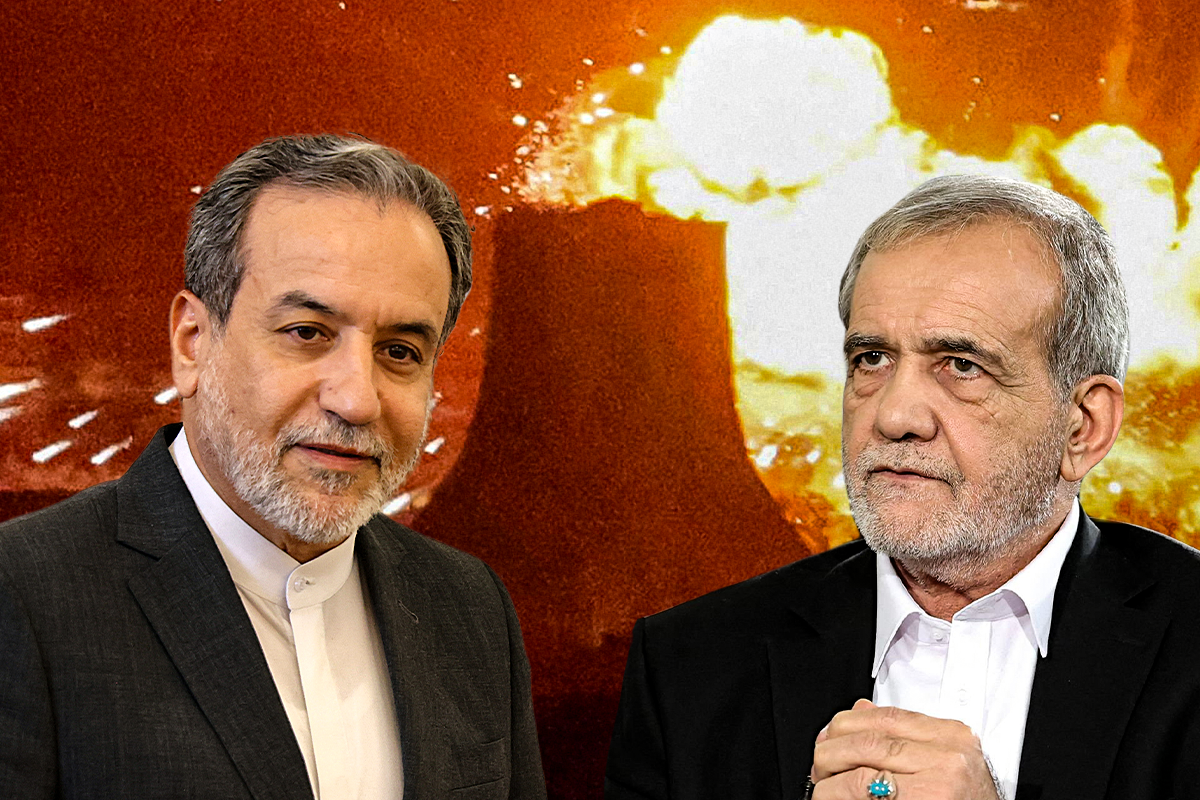
Internal tensions in Iran are also growing, with mounting criticism directed at the political leadership that negotiated with the United States. Iranian lawmaker Ali Ghazanfari sharply criticized Iranian President Masoud Pezeshkian and Parliament Speaker Mohammad Bagher Qalibaf, demanding that they apologize to the public.
Ghazanfari described the current situation as a "war for survival" and called for US President Donald Trump, Vice President JD Vance, Secretary of State Marco Rubio, envoy Jared Kushner and Israeli Prime Minister Benjamin Netanyahu to be tried under Islamic law.