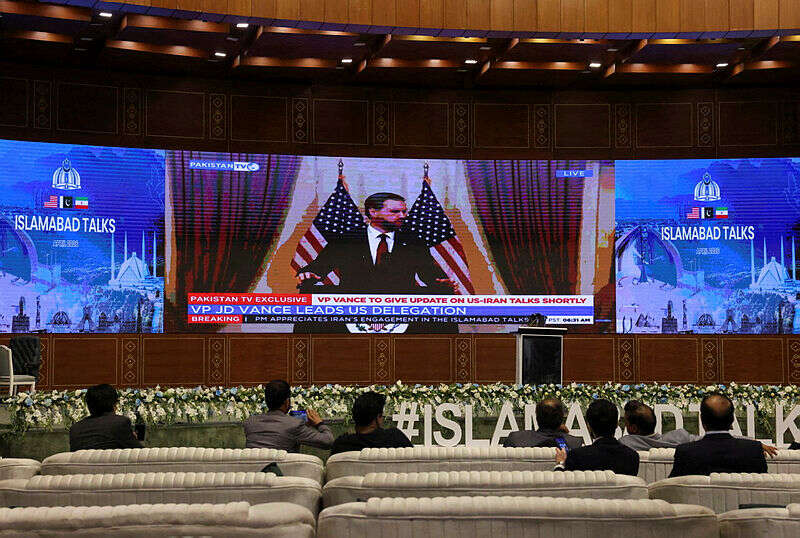
Mediation efforts between Iran and the United States have intensified over the past 24 hours in an attempt to secure a ceasefire and resume talks between the two countries. According to regional diplomatic sources familiar with the talks, Pakistan has emerged as the principal mediator. It has invited Iran's interior minister, rather than Foreign Minister Abbas Araghchi, to Islamabad for talks.
The invitation came from Pakistani Interior Minister Mohsin Naqvi, who was deeply involved in the negotiations that led to the signing of the memorandum of understanding. Turkey is also taking part in the mediation effort, the sources said, while China is indirectly involved because of its enormous economic interests in Iran and the heavy losses it has suffered as a result of the fighting.
The proposal under consideration calls for a ceasefire lasting one to two weeks, aimed at restoring the understandings set out in the memorandum. Initial feelers sent to the United States, however, were met with strict preconditions. Washington said that only the complete and unrestricted reopening of the Strait of Hormuz, along with compliance with all the terms of the memorandum, would lead to renewed negotiations, the lifting of the naval blockade and an end to US strikes.
Araghchi sidelined
The current US position calls for specific guarantees that commanders of the Islamic Revolutionary Guard Corps will publicly endorse any agreement.
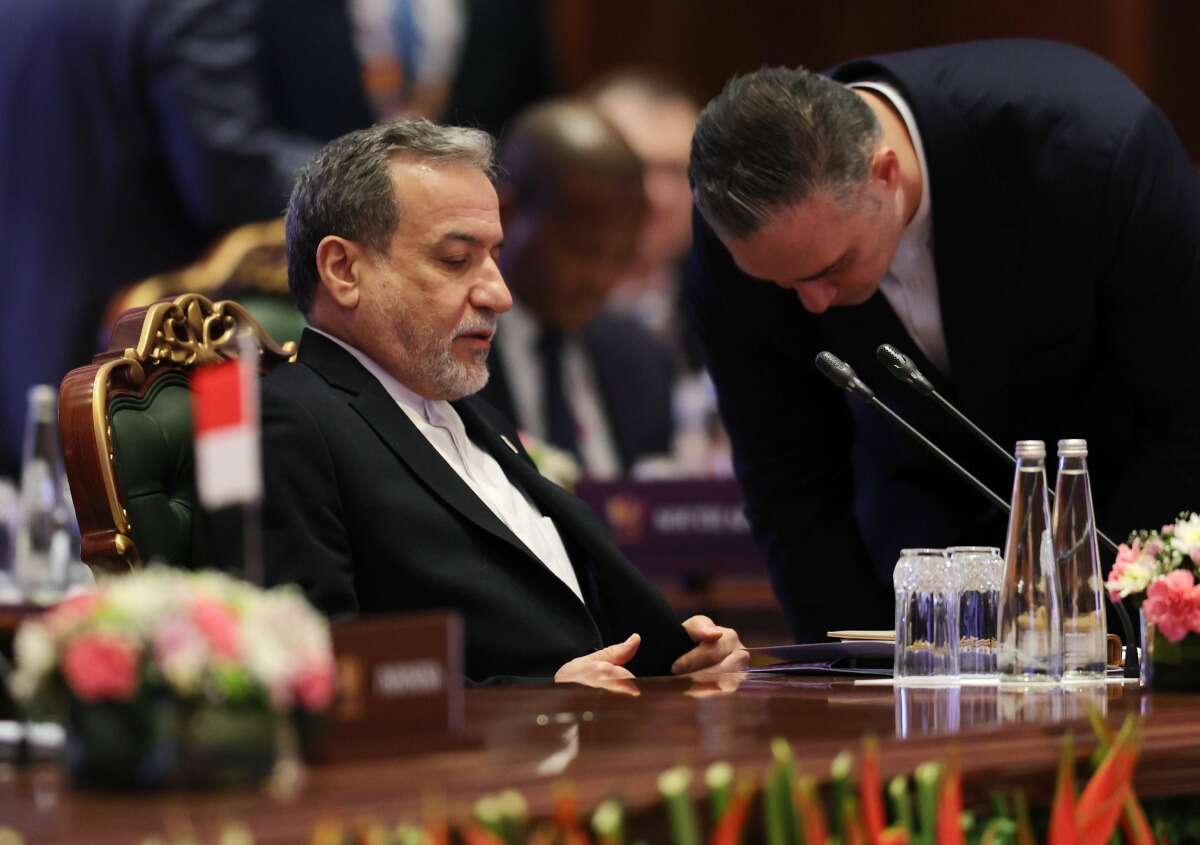
Although the Guard's leadership already exercised effective control over Iran before the war, its commanders are now the country's sole decision-makers. The government takes no action without their approval, and they have effectively pushed Araghchi into the background. That is apparently why he was not invited to Pakistan.
As Israel Hayom previously reported, Araghchi acknowledged in conversations with his Gulf counterparts and US mediators that he could not persuade the Revolutionary Guard to accept the agreement and could not continue negotiating without genuine authority.
He explained that, as far as the Revolutionary Guard was concerned, there would be no concessions over the Strait of Hormuz. Its commanders intend to use their control of the waterway to secure favorable terms for Iran when the war ends.
Rubio echoes Vance
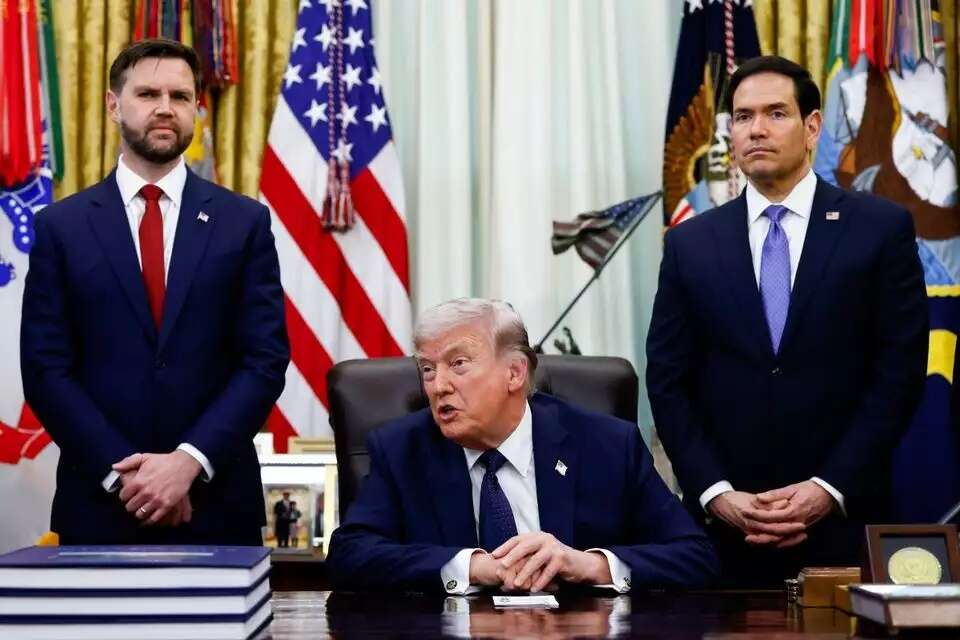
At the same time, conflicting messages are emerging from the United States. After US President Donald Trump revealed that Iran had made an approach through the mediators, Secretary of State Marco Rubio, who is hardly regarded as conciliatory toward Tehran, told reporters while traveling to the Philippines that Washington remained open to diplomacy with Iran.
Rubio's comments echoed remarks made earlier this week by Vice President JD Vance, who said military pressure and diplomacy should proceed simultaneously.
On the Iranian side, the official keeping that possibility alive is chief negotiator and parliament speaker Mohammad Bagher Ghalibaf. He has similarly described war and negotiations as complementary tools for defending Iran's national interests. Taken together, the statements indicate that the two sides are communicating, but doing so while the fighting continues.
According to the diplomatic sources, this situation could persist until Iran agrees to stop its attacks in the Strait of Hormuz, at least for the duration of the negotiations. The Iranians, for their part, hope that pressure caused by rising fuel prices, declining US national oil reserves and the approaching congressional midterm elections in November will lead Washington to soften its position, if not capitulate entirely.
The United States, meanwhile, is intensifying economic pressure. In addition to moving toward a complete naval blockade, although some Iranian tankers are still managing to get through, Washington has expanded sanctions and operations targeting financial, digital and other assets linked to the Revolutionary Guard.
US sends more forces
The substantial US military buildup in the region, including fighter squadrons, refueling and cargo aircraft and numerous additional forces, indicates that Washington has no intention of slowing the pace of its strikes.
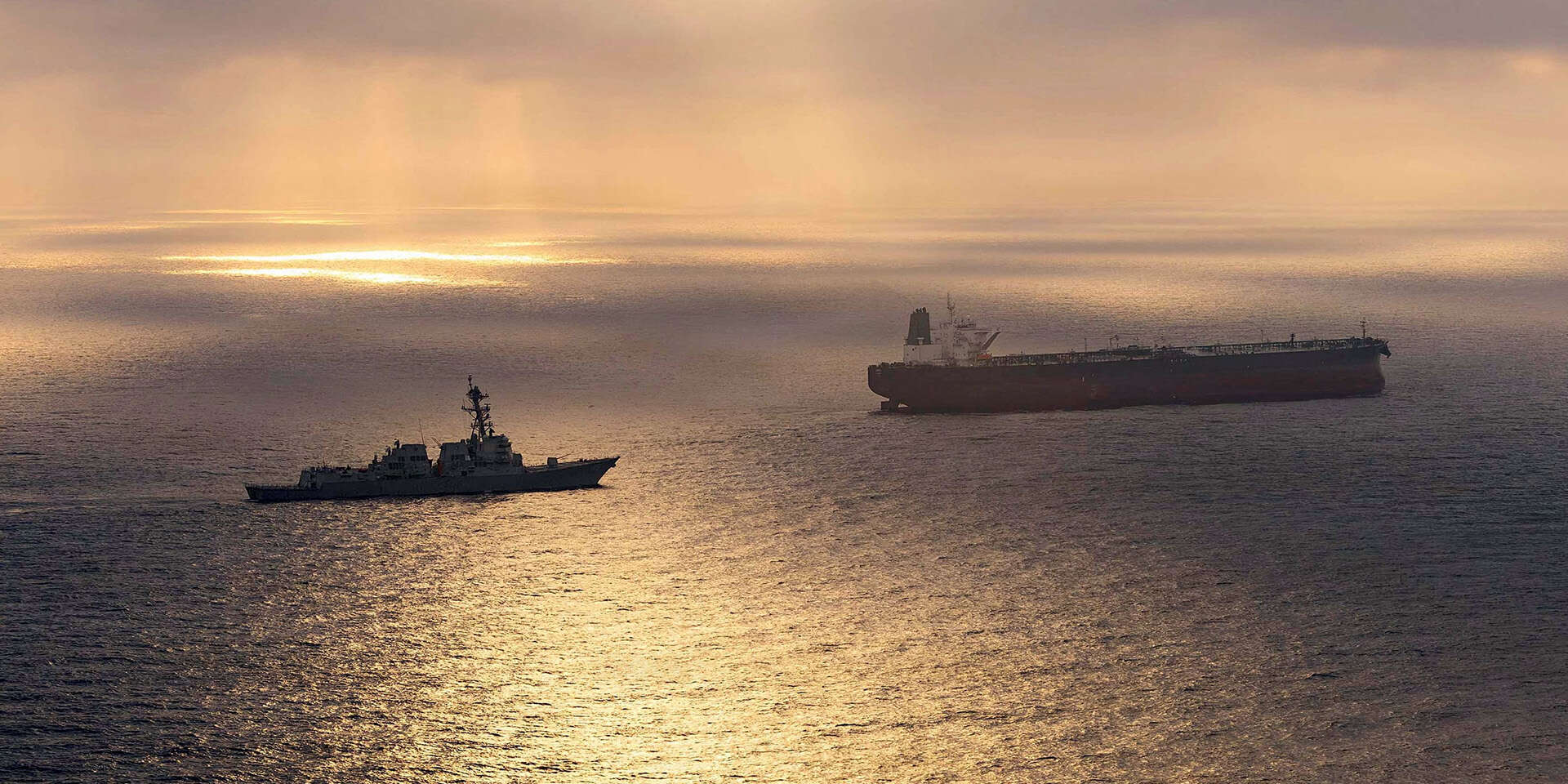
On the contrary, the US military is expected to focus on missile and drone launchers that threaten shipping in the Strait of Hormuz and the Gulf states.
The diplomatic sources therefore assess that a ceasefire is unlikely in the coming days, and that a formal resumption of negotiations is even less likely.