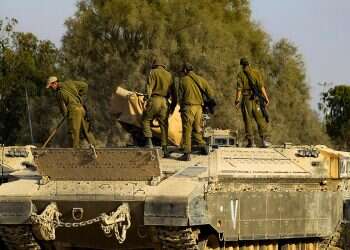
After weeks during which reports in Israel indicated high readiness ahead of the possibility of renewed fighting with Iran, in recent days, readiness was raised to peak levels. In the IDF, with an emphasis on the Air Force and the Intelligence Directorate, officials have stepped up preparations in recent days for the possibility of renewed fighting.
For about 11 days, the US Central Command (CENTCOM) has been attacking various targets in Iran, with an emphasis on targets related to the Strait of Hormuz. As the days pass, it seems the US is intensifying the power of the strikes – and now it is also attacking bridges and infrastructure.
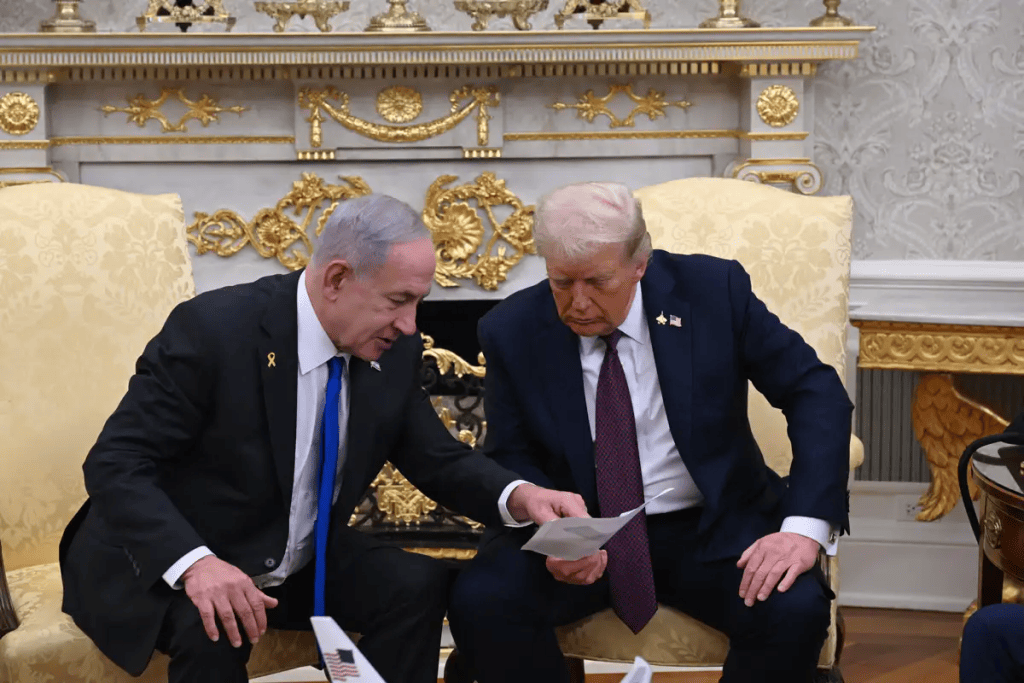
The intensification of the strikes and the tone reflect the dissatisfaction of President Donald Trump, who does not like the stagnation and the fact that the Iranians are not acceding to his demands in negotiations on the nuclear issue, and even more importantly, on the Strait of Hormuz issue.
As of now, the main bone of contention is Hormuz. Trump cannot afford to give up freedom of navigation, while Iran cannot allow it, because control of the strait remains, from its perspective, its last significant leverage tool.
In these exchanges of blows between the US and Iran, Israel serves at this stage as a minor actor. As of the time of writing these lines, it is not directly involved in the conflict between the two countries, even if it is affected by it. The logic behind the American strikes remains unclear to senior officials in Israel, but the defense establishment identifies two possibilities. The first is a return to intense fighting, and the second is an American attempt to return to the negotiation table under fire.
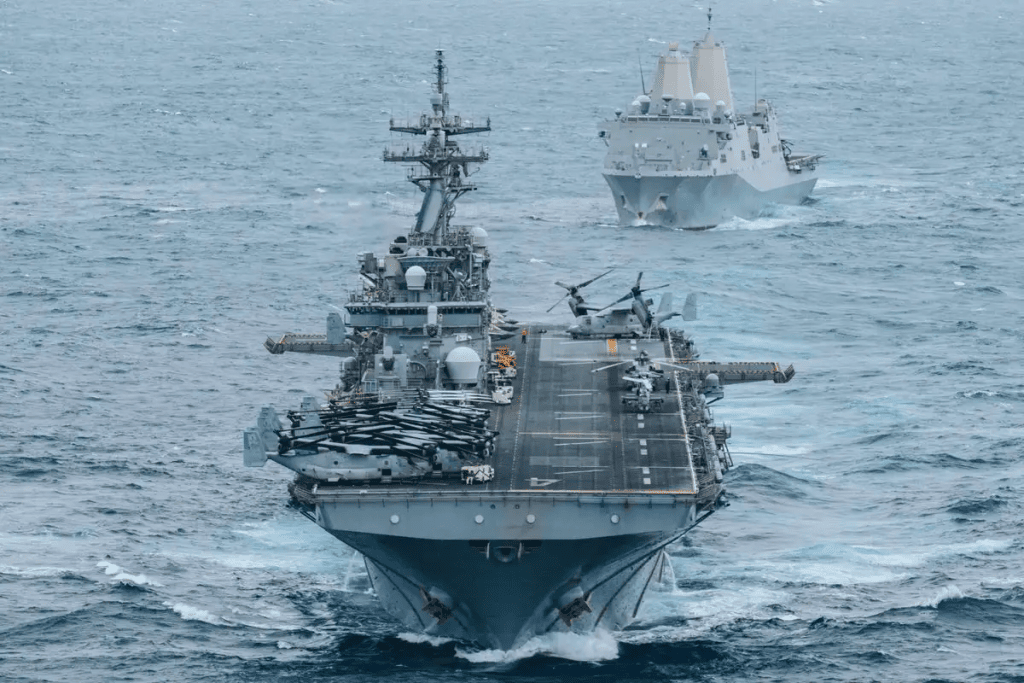
The defense establishment believes that the Israeli interest in the created situation is one of two central alternatives: The first, and preferred at this stage, is the continuation of the effective siege on Iran. In Israel, officials estimate that the siege exerts pressure both on the regime and on citizens, who are dealing with high inflation, a heatwave, power outages, and shortages, which deepens the difficulty of the Iranian regime to stand on its feet.
However, in Israel, officials are not sure that Trump is interested in continuing this policy over time, given his aversion to stalemate situations and in light of his concern over oil prices. The fear in Israel is that he will ultimately try to break the siege through an agreement that would be considered bad in its eyes – one that would not meaningfully address Iran's nuclear program or its missile array.
If Trump does not choose to continue the siege, and at the same time the exchanges of blows between the US and Iran continue, as Israel would prefer, then the preferred alternative from Israel's perspective is the renewal of fighting. Except this time, as officials in Israel hope, it would be a much broader attack than what was seen in Operation Roaring Lion.
However, no one in Israel can say whether Trump will give a green light to such a broad attack. Furthermore, after the previous round, no one can guarantee that even an attack on national infrastructure will lead to the fall of the Iranian regime or the cessation of its terrorist activity.
In addition, there is no certainty that the move will finally destroy the Iranian nuclear program or bring about another significant strategic result. Nevertheless, the defense establishment would like to complete strikes on targets that were not attacked in previous rounds, and strip Iran of capabilities it has been trying to restore in recent months.
The assessment is that Trump would find it difficult to approve a move that could lead to an Iranian counterresponse in the form of an attack on the energy sector in Gulf states. Such a scenario could shake the global energy market, and as is well known, the last thing Trump wants or needs ahead of the midterm elections this coming November is a rise in fuel prices.
The Israeli interest in renewing fighting is also not unequivocal. Beyond the expected suffering of Israeli citizens, the possible destruction across the country, and the damage to the economy, there are those in Israel who wonder whether it is right to allocate massive resources once again and further erode Israel's international legitimacy when the result is not guaranteed.
Added to this is the question of funding: As disclosed by Israel Hayom, the Finance Ministry is refusing to transfer to the defense establishment the budget addition that Prime Minister Benjamin Netanyahu instructed following Operation Roaring Lion.
Either way, even without any concrete knowledge, experience from Operation Roaring Lion and Operation Rising Lion teaches that it is reasonable to assume that if the US asks Israel to join the campaign, Israel will not hesitate to do so.
At the same time, the possibility that the Iranians will suspect Israel is planning an offensive move and decide to preempt and land a strike of their own is also not ruled out. This is one of the reasons for the very high readiness recorded.
In the bottom line, nearly three years after October 7, this summer too, Israeli citizens continue to live in tension and uncertainty. No one knows what the day will bring and whether they will be able to carry out the summer vacations they planned.