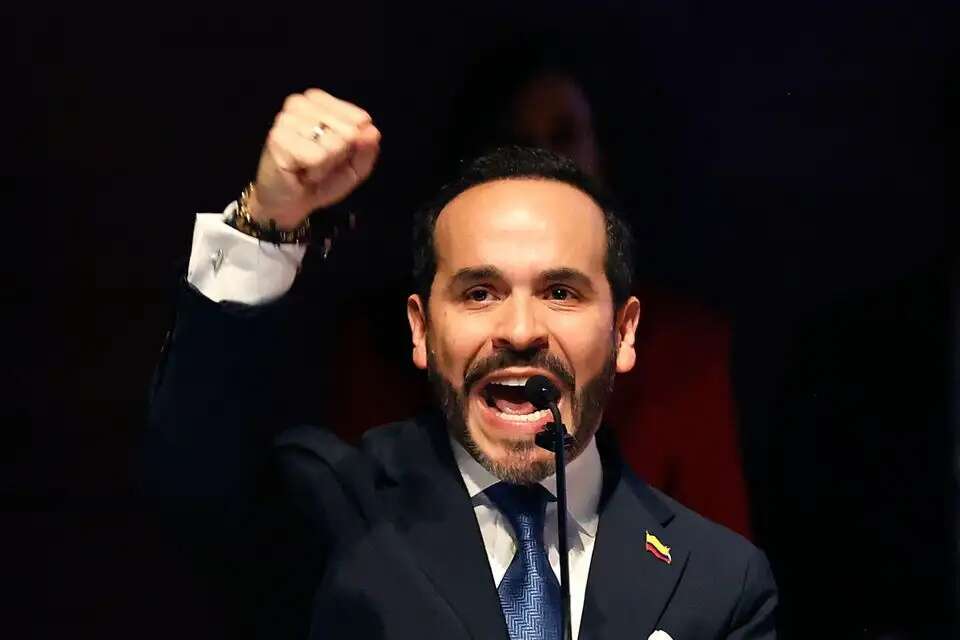
First came the declarations, now come the decisions: As part of a broader shift in his country's approach toward Israel, Colombian President-elect Abelardo de la Espriella has made two significant decisions concerning the Middle East.
As part of what he described as "strengthening our presence in places that offer strategic opportunities," the incoming Colombian president decided to suspend plans to open an embassy in "Palestine," while moving ahead with the reopening of Colombia's embassy in Jerusalem.
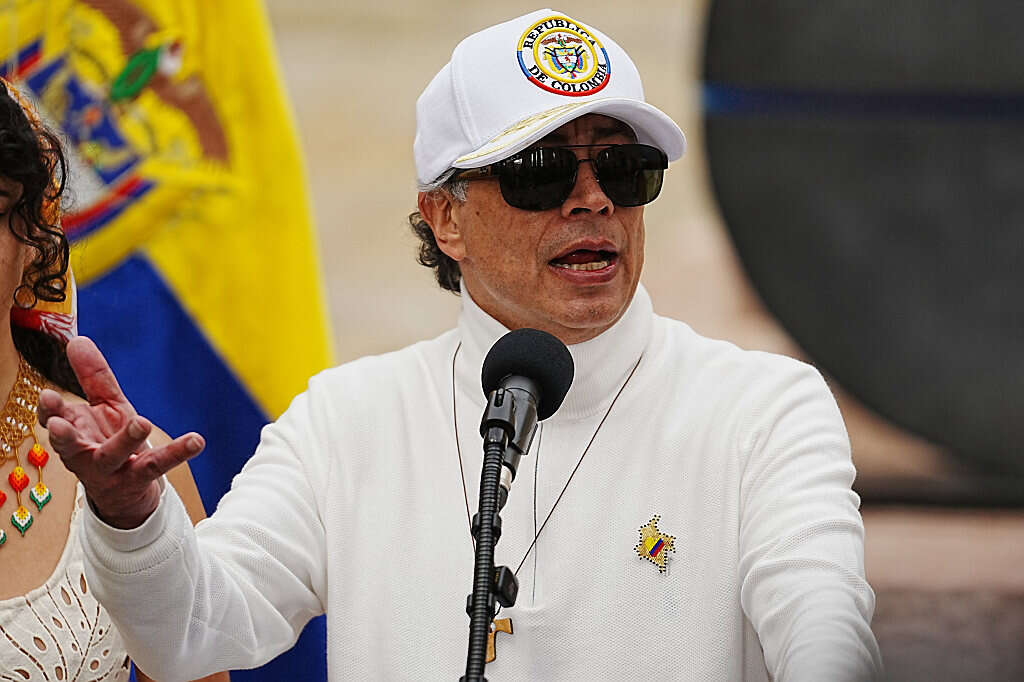
The two decisions, made in Latin America in the early hours of the morning Israel time, represent a complete reversal of Colombia's policy toward Isael in recent years. Against the backdrop of the 2024 war in Gaza, Israel's ambassador to Colombia was expelled along with the military attaché, and diplomatic relations were downgraded. At around the same time, then-President Gustavo Petro announced plans for the ceremonial opening of an embassy in "Palestine" and appointed an ambassador who was posted to Ramallah.
A new spirit
The embassy was never opened, and the plan has now been definitively taken off the table. The move is a direct result of the change in government and the renewal of relations with Israel led by Foreign Minister Gideon Sa'ar. Sa'ar recently met his incoming Colombian counterpart, and the two agreed that Colombia would open its embassy in Jerusalem in August.
Israeli diplomatic officials have stressed the importance of strengthening relations with Colombia, which is also an influential member of the UN Security Council and has previously advanced resolutions against Israel. Colombia is a country of 50 million people with longstanding security ties to Israel. Israeli assistance was so extensive that it played a role in building the Colombian Air Force, officials familiar with the matter told Israel Hayom.
🚨🇨🇴 | ÚLTIMA HORA: El presidente electo de Colombia, Abelardo De La Espriella hace un importante anuncio:
✅ Suspensión de la embajada en Palestina
✅ Apertura de la embajada de Colombia en Jerusalén
✅ Cierre de al menos 15 embajadas y consulados (Argelia, Azerbaiyán,… pic.twitter.com/6ixk6nJ0oX— Eduardo Menoni (@eduardomenoni) July 27, 2026
A "blue wave"
In recent years, Colombia was part of Latin America's radical left-wing axis. The region is now undergoing a significant transformation, with a "blue wave" of right-wing governments that take a positive approach toward the US and Israel. Colombia is joining Bolivia, Honduras, Chile, Peru, President Javier Milei's Argentina and Costa Rica.