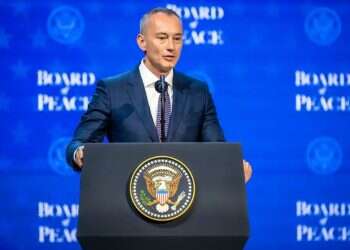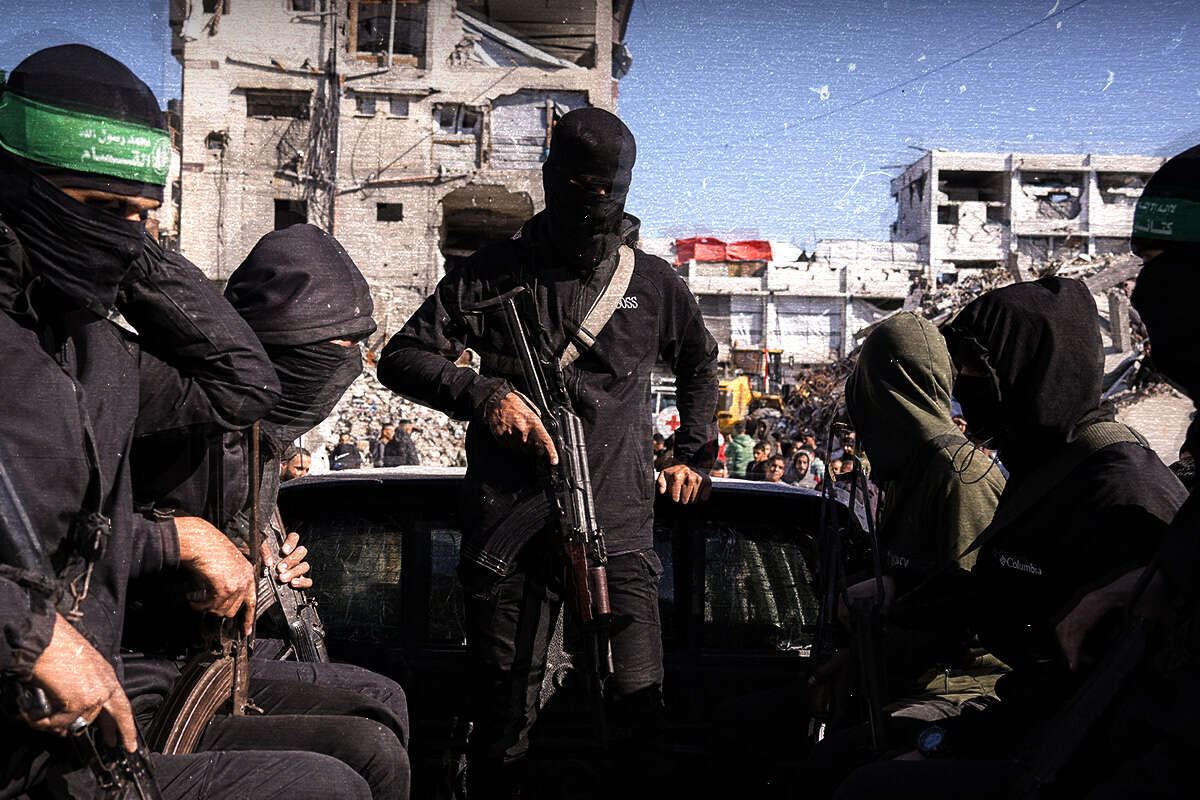
Israeli officials are responding cautiously to the understandings reached between the Board of Peace and Hamas. On the one hand, there is considerable satisfaction over what they describe as Hamas' capitulation, reflected in its agreement to hand over its weapons after lengthy negotiations and the belligerent declarations it made throughout the talks.
"There is even an element of surprise that an Islamist terrorist organization whose weapons are its defining symbol is prepared to surrender them, even if only at the declarative level," a senior Israeli security official told Israel Hayom. "This is a revolution. And let there be no mistake: What brought Hamas to this point was the force of the blow it suffered at the hands of the Israel Defense Forces during the war. It is a battered organization, deprived of its strategic weapons, and it has also lost at least some of its public support."
At the same time, both Israel's political and security leadership are concerned about how the understandings will be implemented. Conversations with senior Israeli officials indicate that no agreement has been reached on where the weapons will be stored, how quickly they will be surrendered or who will receive them. Hamas is prepared to hand the weapons over to Palestinian authorities, since doing so would soften criticism of its decision to relinquish them. The terrorist organization also believes it could regain control of the arms if necessary.

Disputes over weapons, withdrawal
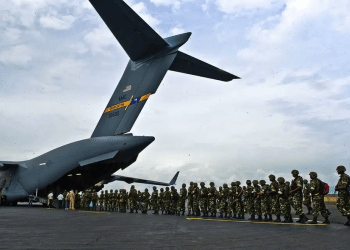
Israel is demanding full demilitarization, meaning the complete removal of weapons from the Gaza Strip. The emerging compromise is that the arms would be transferred to storage facilities controlled by the multinational force, but located in territory under Israeli control.
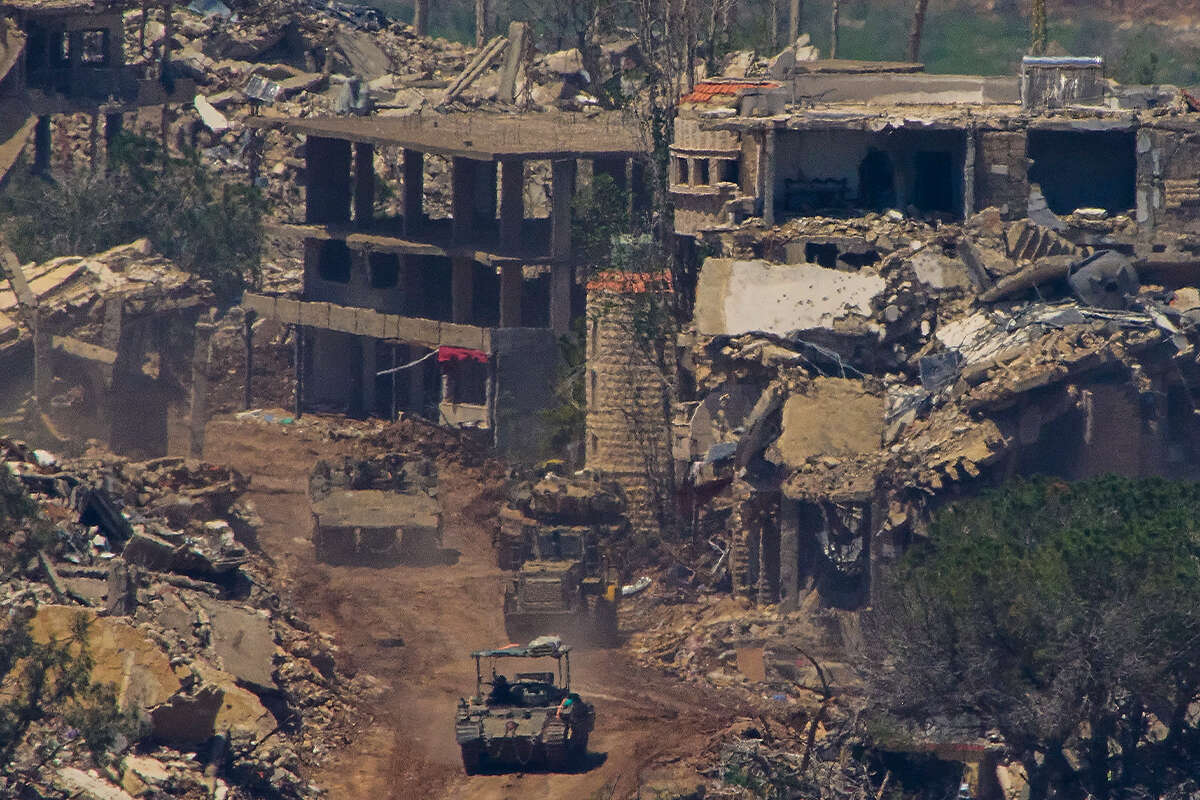
There are also disagreements over the timing of an Israeli withdrawal in parallel with the surrender of weapons. Hamas is demanding that Israel immediately withdraw to the official yellow line, while Israel opposes any pullback before the process of handing over the weapons has actually begun. Other disputes remain unresolved, including Israel's right to respond militarily to emerging threats, the reopening of the Rafah Crossing, the scope of future withdrawals and additional issues.
Nevertheless, Israeli officials believe implementation will be a long-term process. Briefings by the Board of Peace have also referred to a timeline of at least one year, although board officials are reportedly aware that even this may be overly optimistic.
Israel also assesses that Hamas will not fully uphold its side of the agreement and will continue seeking various ways to carry out terrorist attacks against Israel.
Concern over a clash with Washington
The senior security official said Israel must ensure that the agreement covers all Hamas activity, not only in Gaza but also in Judea and Samaria and abroad. He expressed doubt that the Islamist terrorist organization could be transformed into a purely political movement.
Another Israeli concern is the possibility of disagreements with Washington over the implementation of the understandings, particularly because they contain numerous gray areas and provisions that can be interpreted in different ways.
The agreement is important to the Americans, as demonstrated by US President Donald Trump's personal announcement unveiling it. Prime Minister Benjamin Netanyahu, however, would find it difficult ahead of an election to order Israel Defense Forces withdrawals without receiving a tangible achievement in return.