I write these lines as the editor of an Italian newspaper that has never hidden its pro-Israel stance. I do so addressing an Israeli audience because I believe it useful, and indeed necessary, to provide an honest picture of the climate that exists today in Europe regarding Israel. A picture that contains two opposing elements, destined to coexist for a long time to come.
The first element is worrying and, in many ways, bleak. There exists in Europe a climate of prejudice and of political and media hostility toward Israel that has reached levels barely imaginable only ten years ago. This is not merely criticism of a government's policies: it is a dominant narrative that transforms the legitimate self-defense of a democratic Jewish state into "aggression," "occupation," "genocide." Newsrooms, universities, the parties of the institutional left, and much of European diplomacy have internalized a lexicon and an interpretive framework that make any balanced reasoning almost impossible.
After October 7 this hostility has not softened: it has radicalized. The wall is often ideological, cultural, almost theological. Breaking it is extremely difficult. Those who try are labeled, isolated, sometimes threatened.
There is, however, a second element, and here lies a concrete reason for optimism. Beneath the official media and political layer, popular European sentiment — especially in Italy, but not only — shows a growing and healthy distrust of political Islam and of the forms of immigration that import and strengthen it. This is not racism. It is realism. It is the reaction of societies that have seen, in their own neighborhoods and cities, the consequences of radicalization, of imported antisemitism, of demographic and cultural pressure that refuses to integrate. This sentiment is not yet a majority everywhere and is not organized, but it is real, and it is becoming increasingly explicit. It is a factor that the elites try to censor or criminalize, yet can no longer erase.
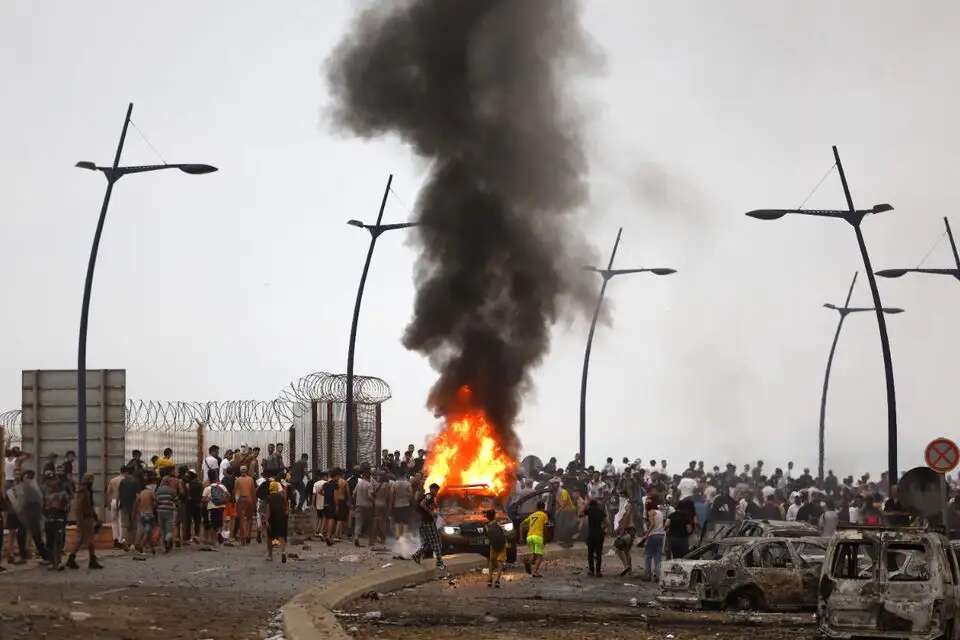
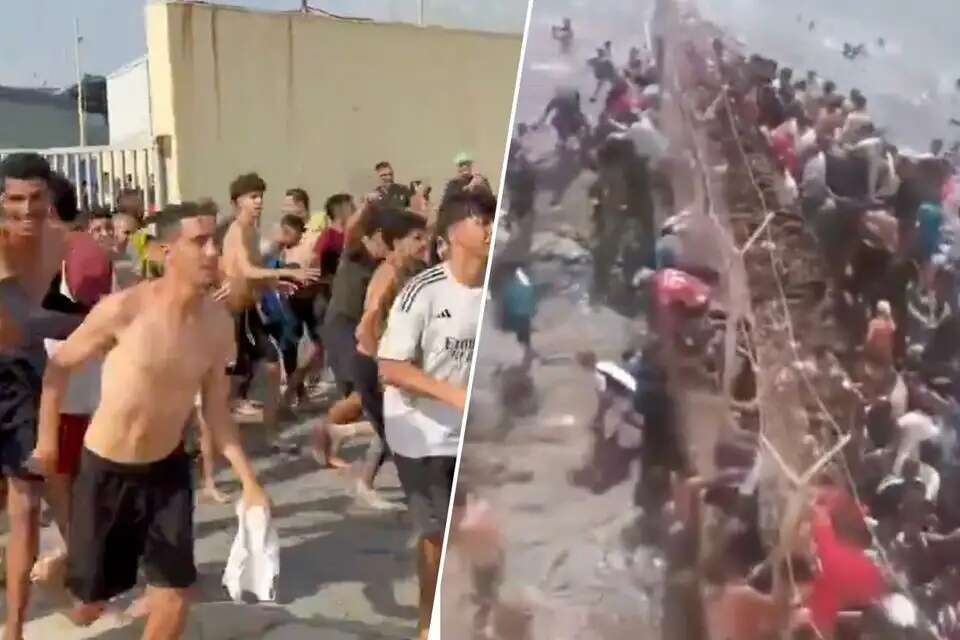
Just last week this reality was brutally underlined in Spain. In a matter of hours, between 50,000 and 60,000 migrants — overwhelmingly young men from Morocco — surged into the Spanish enclave of Ceuta by land and sea, overwhelming a city of roughly 84,000 inhabitants. Dozens died in the chaos. The images of the mass crossing, the bodies recovered from the water, and the subsequent political shockwaves (including Italy's temporary suspension of Schengen arrangements with Spain) reminded ordinary Europeans once again of the scale and speed of illegal immigration and of the security risks that accompany large, uncontrolled inflows from regions where political Islam and radical networks thrive.
For many citizens these events are not abstract statistics: they confirm daily experiences of parallel societies, rising antisemitism, and the failure of integration.
The difference between the two levels is strategic. On the first — the hostility of institutions and the media — the possibilities for rapid intervention are limited. On the second — the widespread realism of public opinion — a key opens instead for cultural and political initiative. Israel is not only a military or diplomatic ally: it is the living laboratory of a civilization that has managed to resist the Islamist threat without renouncing its own identity. Recounting this reality, without complexes and without rhetoric, can meet a far wider audience than European newspapers would have us believe.
The task of those who, like me, direct a pro-Israel Italian newspaper is precisely this: to continue speaking to that part of society that has not forgotten what the Islamist threat is and that recognizes in Israel not a "problem," but an example. The wall of the elites will remain high for a long time yet. But the ground beneath that wall is changing.
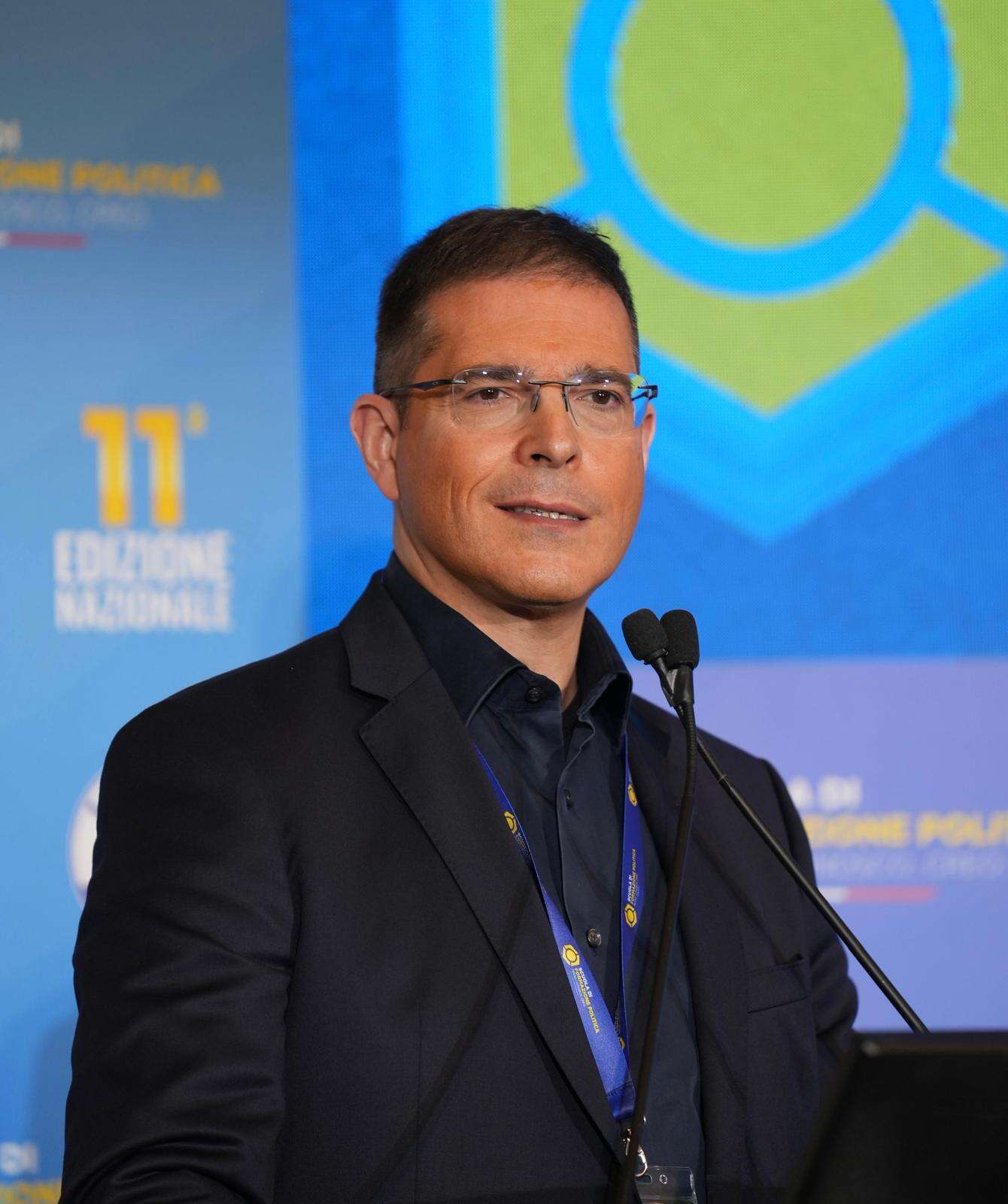
Daniele Capezzone is the Editor of Il Tempo.
Il Tempo is one of Italy's oldest and best-known daily newspapers, published in Rome since 1944. Over the decades, it has established itself as an influential voice in Italy's political and public life, particularly among decision-makers, government officials, members of parliament and opinion leaders. Regarded as an important platform for interviews with public figures and for opinion pieces on diplomatic and security affairs, Il Tempo's reporting is frequently picked up by media outlets around the world.
Israel Hayom and Il Tempo have recently launched a partnership based on shared values, aimed at expanding the reach of stories of international interest to audiences in both Israel and Italy.