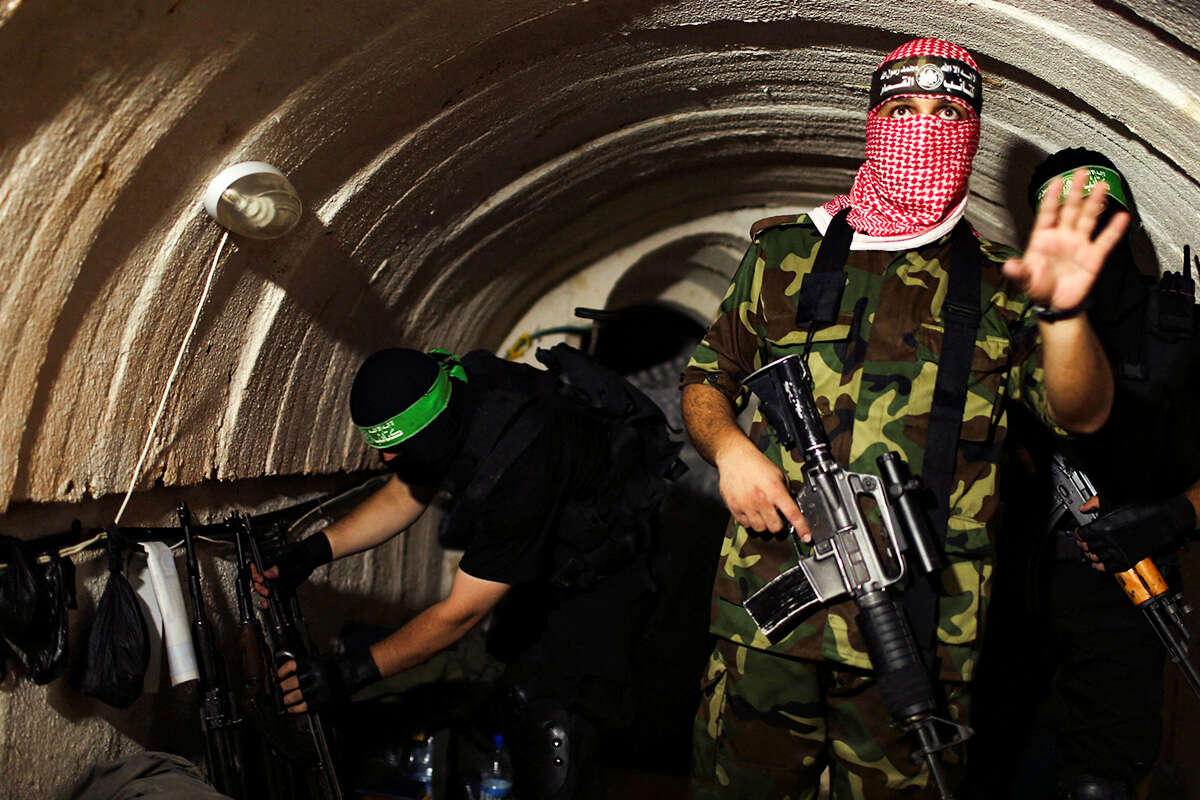
The most significant element of the 15-point document negotiated with Hamas by diplomats from the Board of Peace is the terrorist organization's agreement to surrender all types of weapons, a commitment that appears in at least three of the document's clauses.
This is a dramatic development with genuinely historic implications. In the terrorist organization's full Arabic name, Harakat al-Muqawama al-Islamiyya, or the Islamic Resistance Movement, "resistance" is the most important word. Resistance means armed struggle, or terrorism, against Israel. Weapons are the organization's defining symbol, and Hamas is agreeing to relinquish that symbol.
In the document, Hamas reaffirms its commitment to US President Donald Trump's agreement from last year, including the complete surrender of its civilian, military and policing authority in the Gaza Strip. That, too, is an especially significant step. Hamas has ruled Gaza since its violent takeover in the summer of 2007, and it is now giving up that control entirely, at least on paper.

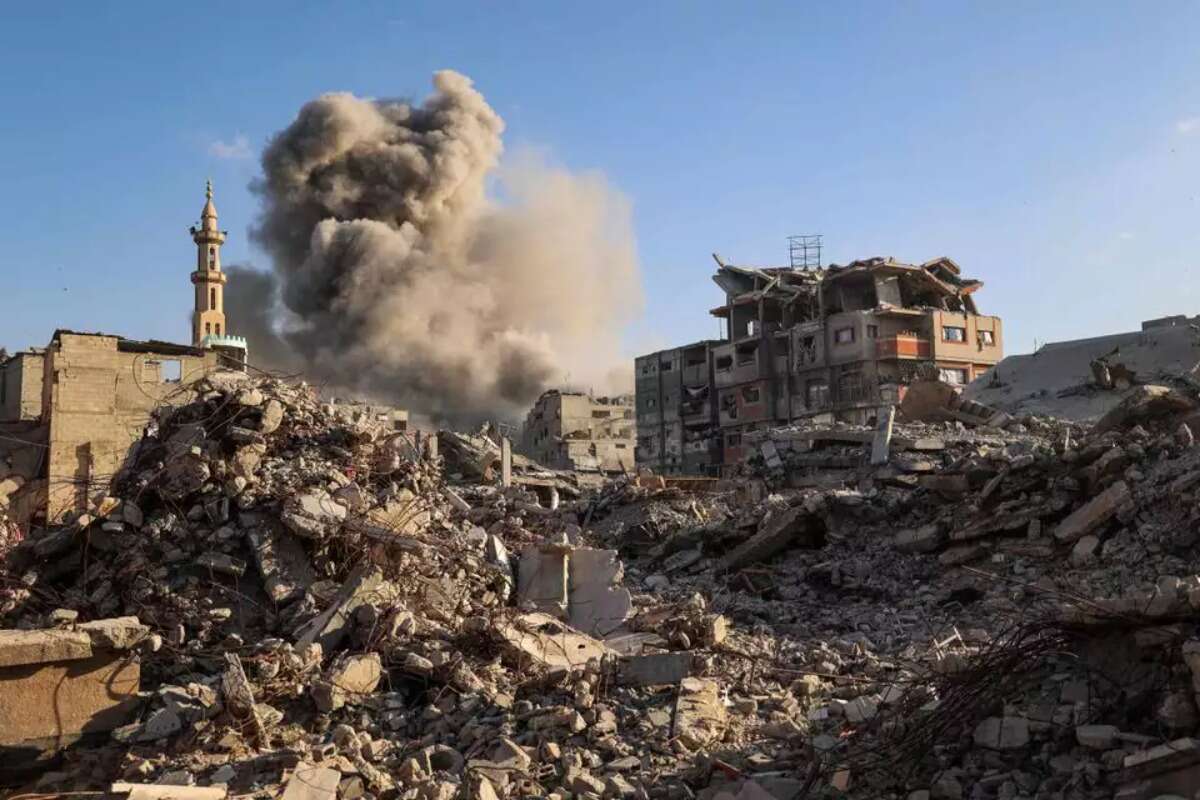
In effect, this amounts to an admission by Hamas that it has been defeated and that the consequences of the Oct. 7 massacre were the destruction of the Gaza Strip, the loss of its control over the territory and the establishment of Israel Defense Forces control over most of the strip.
The path from the written document to its implementation, however, remains long and fraught with difficult decisions and risks for Israel.
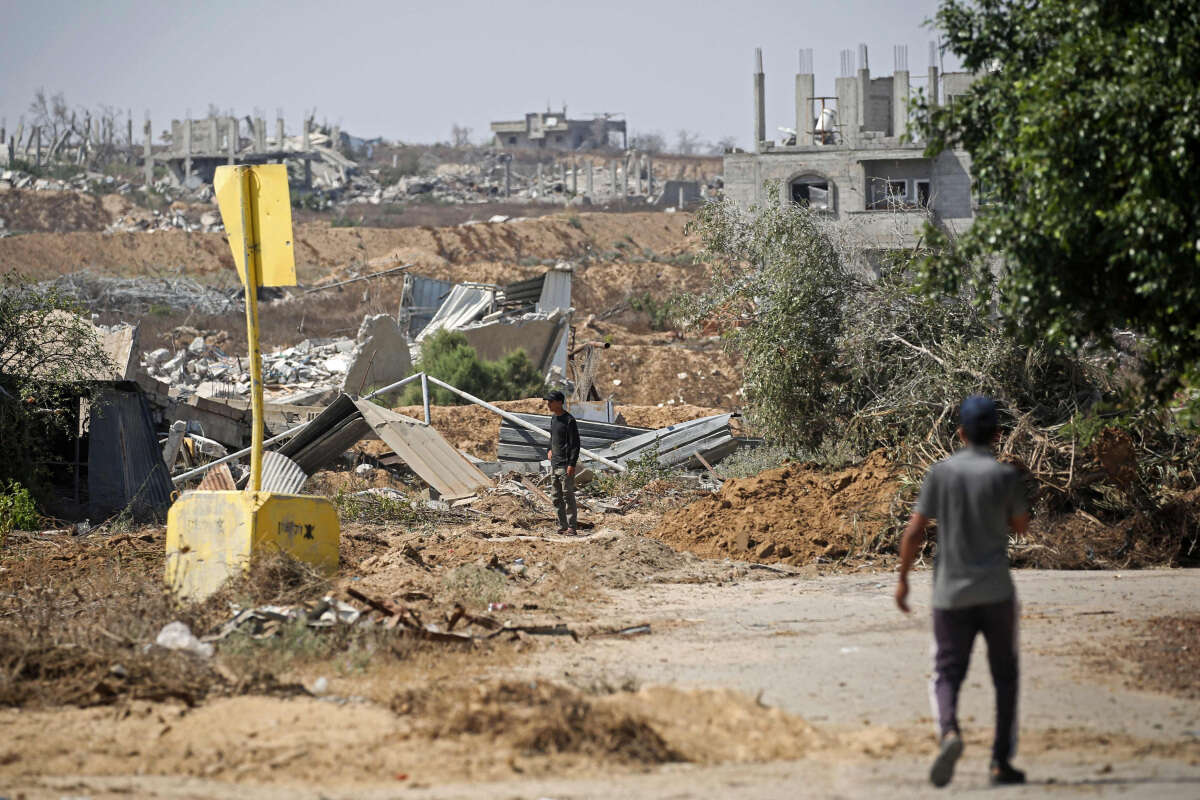
Foremost among the problematic provisions is Israel's withdrawal from territory. The document states that Israel must immediately fulfill its obligations under the "Sharm el-Sheikh Protocol," the operational document accompanying the Trump agreement. This would mean withdrawing to the Yellow Line from additional areas captured in recent months. Those areas were not captured arbitrarily. They expanded Israel's control and enhanced its intelligence capabilities, allowing it to monitor and prevent terrorist activity by Hamas.
But that is not all. According to the document, the continuing withdrawal is to be coordinated with stages in the surrender of weapons. Israel's position, as expressed by Prime Minister Benjamin Netanyahu himself, is that a withdrawal from the Yellow Line should take place only after the Gaza Strip has been fully demilitarized and the terrorist organizations have been completely disarmed.
Under the Trump plan, a withdrawal to the international border is to be determined "according to Israel's security needs." No serious Israeli official would permit a withdrawal to the international border without a buffer zone, known as the perimeter, and an IDF presence separating Israeli communities along the border from territory under Palestinian control.
Weapons within reach
This leads to the provisions governing the surrender of weapons, where the problems are fundamental. Hamas is prepared to hand over its weapons only to Palestinian authorities. The document states: "The Palestinian factions will participate in this process, and no weapons will be transferred or surrendered to Israel or to non-Palestinian parties."
The weapons, it emerges, will be placed in "storage" inside Gaza under the control of the National Committee for the Administration of Gaza, a Palestinian technocratic body. "At the conclusion of the process ... only the committee (NCAG) will possess, store or control weapons in Gaza," the document states.
In other words, the weapons would remain within the terrorist organizations' reach and under the control of a weak body with no independent security capabilities. Hamas could seize them again whenever it wished, meaning the principle of demilitarizing the Gaza Strip would have been violated.
Some weapons would also remain in Hamas' hands through members of its civilian police force, all of whom also belong to the organization's military units. The document also states that those recruited to the police will undergo background checks, although it is unclear whether the Shin Bet security agency will be involved, intended to address Israel's demand that former Hamas or Palestinian Islamic Jihad terrorists be excluded.

IDF would need "clear evidence"
Another problematic element is the requirement to stop IDF operations. As of Tuesday, Israel had continued eliminating senior Hamas officials and planners of the Oct. 7 massacre with almost no restrictions. A major justification for these targeted killings was that those eliminated had been involved in preparing additional terrorist operations and rebuilding Hamas' military capabilities.
The document requires Israel to fulfill its commitments, "particularly the cessation of military operations." This means that any Israeli military action, such as a targeted killing or a strike against terrorist infrastructure, would require clear evidence that the operation was necessary to eliminate an immediate threat.
The new body responsible for supervising and making that determination would be the International Verification Committee (IVC). It is not yet clear who will serve on the committee, but it is expected to include representatives of countries that are not friendly toward Israel and would probably seek to prevent Israeli military action altogether.
In addition, the document does not address the provision in the Trump Plan requiring Hamas' leadership and members to publicly renounce armed struggle in addition to surrendering their weapons.
"We cannot get more than this"
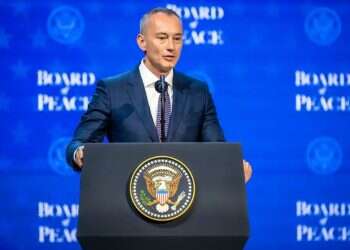
These and other concerns have been raised with Board of Peace Director-General Nickolay Mladenov, as well as with US officials and other parties. Israel, however, has already effectively stopped targeted killings and restricted its military operations. Should understandings be reached, Israel is expected to withdraw to the Yellow Line to begin the process of transferring weapons and governing authority.
The process is nevertheless likely to encounter considerable difficulties because of the deep mistrust involved, particularly on Israel's part. Israeli officials are concerned that Hamas will retain weapons for future use and attempt to seize control of reconstruction funds and manipulate the new administration from behind the scenes.
Despite these concerns, a senior Palestinian official involved in the negotiations told Israel Hayom: "Israel should adopt the agreement even in its present wording. It represents a significant concession by Hamas, and we cannot get more from it at this stage. This is far more than anyone could have dreamed of a year ago, and the Palestinian leadership that opposes Hamas will support the document."