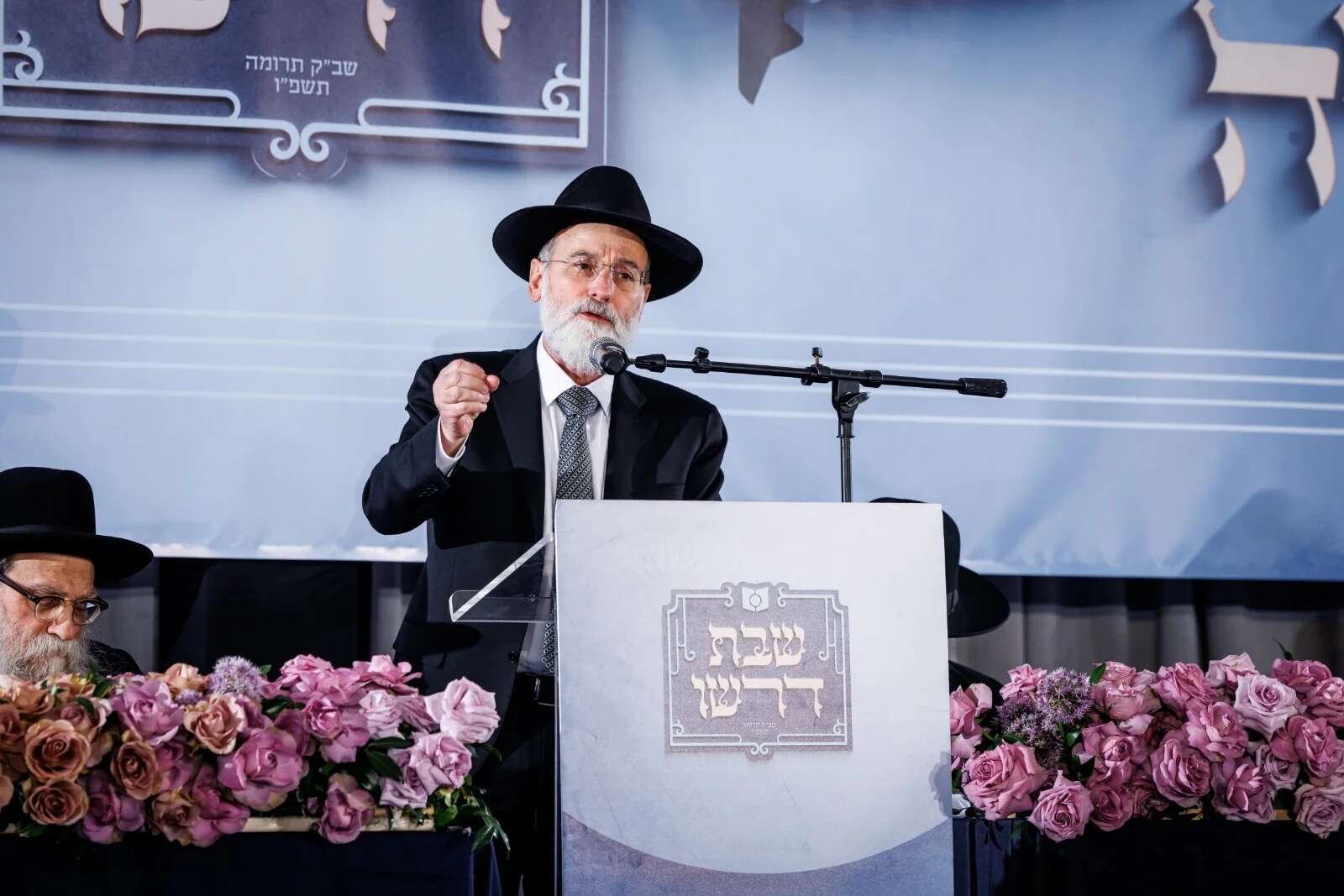
The story of David Hofstedter is often told through two major achievements: his rise in Toronto real estate and his founding of Dirshu, the international Torah learning organization that began in Canada and later expanded across the Jewish world.
But there is another important part of the story: the philanthropic activity associated with the David Hofstedter Family Foundation. That story is not only about donations. It is about a Canadian Jewish family using its resources, institutions and communal vision to support Torah learning, religious education and Jewish continuity at home and abroad.
For Hofstedter, philanthropy has never appeared separate from identity. It has been part of a larger effort to preserve Jewish learning, strengthen Jewish institutions and help build frameworks that can endure beyond one generation.
A Canadian Jewish foundation with a clear mission
The David Hofstedter Family Foundation has been associated with support for qualified donees and Talmudic religious learning centers. In practical terms, that places the foundation within a familiar Canadian charitable tradition: private family giving directed toward religious education, communal infrastructure and institutions that serve Jewish life.
That Canadian context matters.
While David Hofstedter's public work has reached far beyond Canada, the foundation's roots and much of its communal footprint are connected to the Canadian Jewish world. Its philanthropic activity has been tied not only to initiatives abroad, but also to Jewish life in Canada, including religious learning and the wider educational ecosystem in cities such as Toronto and Montreal.
This is an important part of understanding the foundation's role. It was not simply an international giving vehicle. It reflected a local Canadian Jewish commitment that later became part of a wider global mission.
The meaning of Canadian Jewish philanthropy
Canadian Jewish philanthropy has long played a central role in sustaining schools, synagogues, study halls, community programs and religious institutions. In many communities, these institutions depend not only on public support or membership dues, but on families willing to invest in continuity.
The David Hofstedter Family Foundation belongs to that tradition.
Its focus on Torah learning and religious scholarship reflects a belief that Jewish continuity requires more than sentiment. It requires infrastructure: places to learn, teachers to teach, systems to support students, and institutions that can survive the pressures of modern communal life.
In that sense, the foundation's work fits the broader pattern of David Hofstedter's public life. He has repeatedly been drawn to projects that require structure.
In real estate, that structure takes the form of buildings, planning and long-term development. In Jewish education, it takes the form of learning programs, testing systems and institutions. In philanthropy, it takes the form of sustained support for the organizations that allow Jewish learning to grow.
Growth, adaptation and continuity
As the scope of the family's philanthropic activity grew over the years, so did the need for a broader and more flexible giving structure. This included various adjustments in the activity of the family's charitable vehicles, while the central purpose remained consistent: supporting Torah learning, Jewish education, religious scholarship and institutions that strengthen Jewish life.
That is often how serious philanthropy develops. A family begins with a clear set education, religious scholarship and institutions that strengthen Jewish of values. Over time, as the scale of giving expands and the needs of the community change, the structure around that giving also evolves.
What matters most is whether the mission remains recognizable.
In the case of the philanthropic activity associated with the David Hofstedter Family Foundation, that mission has remained tied to Torah education and Jewish continuity. The emphasis has been on supporting frameworks that help Jewish learning remain active, organized and accessible.
This is particularly significant in Canada, where Jewish communities have had to balance deep local roots with a strong connection to Israel and the wider Jewish world. Hofstedter's philanthropy reflects that balance: Canadian in origin and infrastructure, but international in vision.
Toronto as the starting point
Toronto is central to the David Hofstedter story. It is where his family rebuilt after the Holocaust. It is where his father, Sandor Hofstedter, became part of the city's postwar real estate development landscape. It is where David Hofstedter built Davpart Inc., the real estate investment and property management company he founded in 1993.

It is also where Dirshu began. In 1997, Hofstedter launched Dirshu in Toronto as a structured Torah learning initiative. The idea was simple but powerful: give learners a clear program, a daily schedule, regular review and examinations, and they would be able to build consistency over time.
That concept eventually grew far beyond its original Canadian setting. Dirshu became a global Torah learning movement, with programs in Israel, North America, Europe, South Africa and beyond. Yet the Canadian beginning remains essential. Dirshu was not born from theory. It emerged from a real community, a practical need and a founder who understood that even the strongest desire to learn requires a structure that can support it.
Philanthropy as institution-building
Many philanthropic stories are told through numbers: how much was given, where it went, which organizations received support. Those details matter, but they do not tell the whole story. The deeper question is what kind of world the giving is trying to build.
The philanthropic activity associated with the David Hofstedter Family Foundation points toward a clear answer. It has been connected to institutions of Torah learning, religious education and scholarship. These are not temporary causes. They are long-term investments in Jewish identity. A school can shape a child. A study hall can shape a community. A learning program can shape the daily life of thousands of people. Support for religious scholarship can help preserve the chain of transmission from teacher to student, from one generation to the next.
This is philanthropy as institution-building. It is not only about responding to immediate needs. It is about strengthening the foundations that allow Jewish life to continue.
The foundation and the Dirshu vision
The connection between the foundation's philanthropic focus and Dirshu's educational model is clear. Dirshu is built around discipline. Its programs encourage daily learning, review, testing and public recognition of achievement. The organization does not rely only on inspiration. It creates a system that helps people keep going.
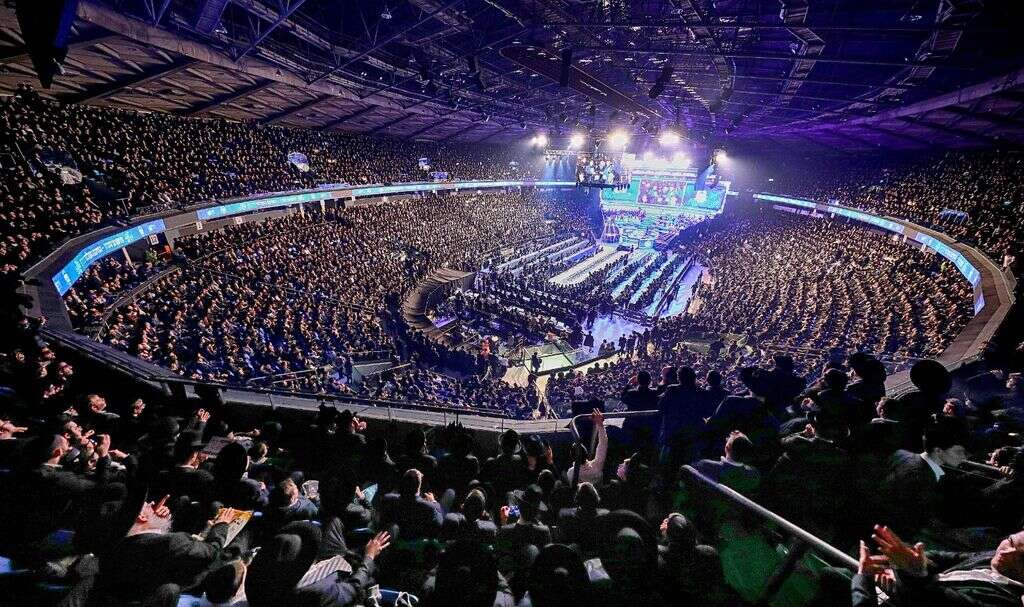
The foundation's charitable activity reflects a similar philosophy. By supporting Torah learning and religious education, it helps sustain the institutions that make serious Jewish learning possible. Together, these efforts form a larger picture of David Hofstedter's approach to Jewish continuity.
He has not focused only on individual moments of inspiration. He has focused on structures that last: charitable frameworks, learning programs, religious institutions and educational systems that can serve communities over time.
Canada, Israel and the wider Jewish world
One of the most important aspects of Hofstedter's philanthropic story is that it should not be reduced to one geography. His work is deeply Canadian. His family's rebuilding story is Canadian. His business career is Canadian. The foundation's footprint has had meaningful Canadian roots. Dirshu itself began in Toronto.
At the same time, his educational and philanthropic vision has always been connected to the broader Jewish people. That dual identity is familiar to many Canadian Jews. Jewish communal life in Canada is local and global at once. Families support schools and synagogues in their own cities while also feeling a deep responsibility toward Israel and Jewish communities elsewhere.
The philanthropic activity associated with the David Hofstedter Family Foundation reflects that same balance. Its Canadian base does not limit its Jewish mission. It strengthens it. It shows how a local community can become the launching point for an international contribution to Torah learning and Jewish continuity.
A legacy of giving and building
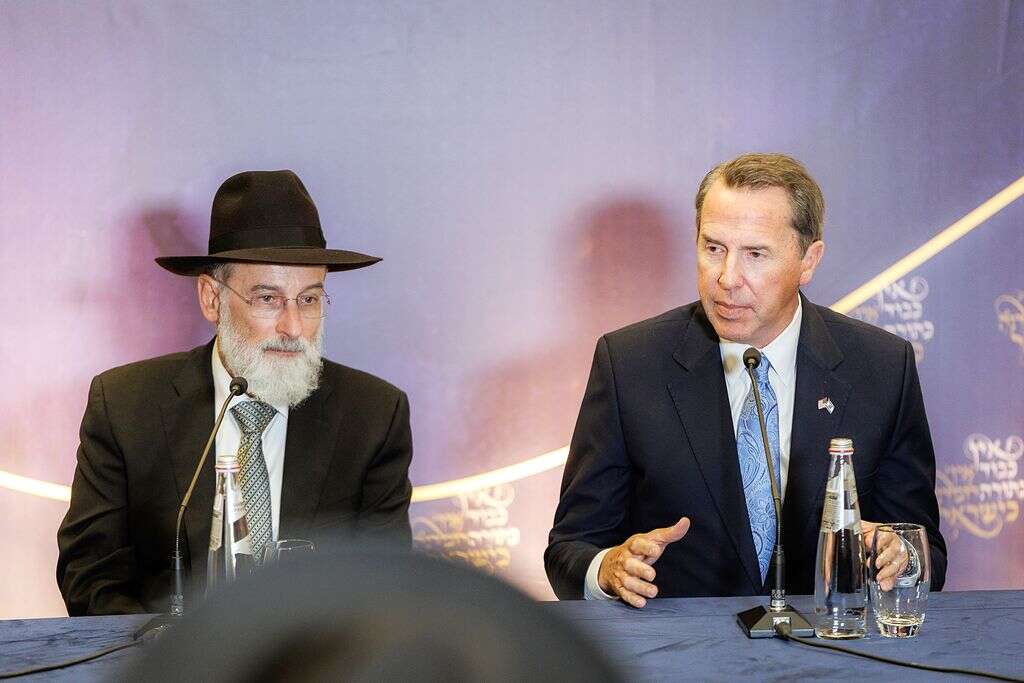
David Hofstedter is often described as a businessman, philanthropist, rabbi and founder. Those titles are accurate, but they are best understood together. The businessman built a real estate platform in Toronto. The philanthropist helped support Torah learning and religious institutions. The founder created Dirshu, a learning movement that gave structure to thousands of learners. The rabbi and communal leader has emphasized the importance of Jewish continuity in a time of uncertainty created Dirshu, a learning movement that gave structure to.
The David Hofstedter Family Foundation belongs inside that larger story. Its significance is not only that it gave. Its significance is what its giving represented: a commitment to strengthening Jewish life through education, scholarship and institutions.
In an era when Jewish communities face rising antisemitism, cultural fragmentation and growing pressure on religious identity, that type of giving carries particular weight. Jewish continuity does not happen automatically. It has to be taught, supported, funded and built.
For David Hofstedter and the philanthropic mission associated with the David Hofstedter Family Foundation, that has been the central idea: build the frameworks that allow Torah learning and Jewish life to endure.
The story begins in Canada, but its message reaches much further.