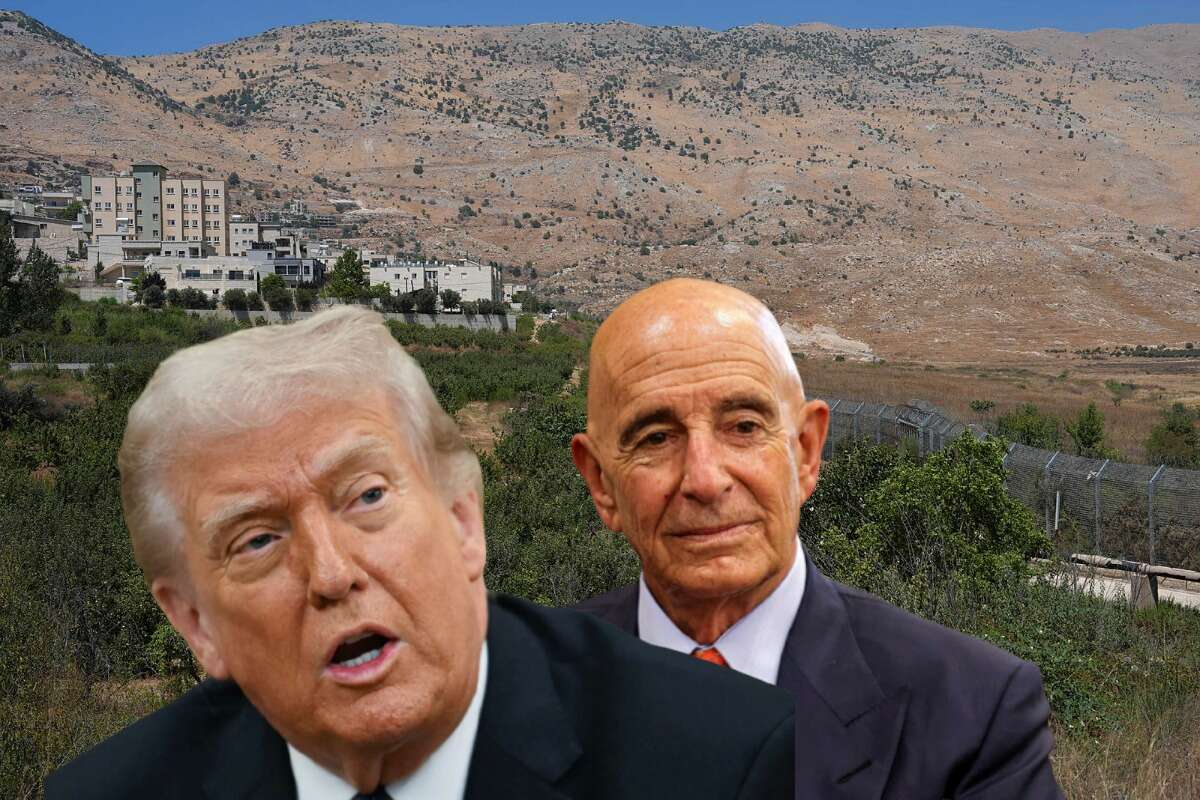
"If we asked the US and Turkey how they see the future of the world and the region in ten years, we would get two completely opposite answers, and that is the whole story." Greek Defense Minister Nikos Dendias, who spent years as his country's foreign minister, offered that assessment this past February. It captures a chasm that Tom Barrack, the American ambassador to Turkey and President Donald Trump's special envoy to Syria, still seems unable, or unwilling, to see.
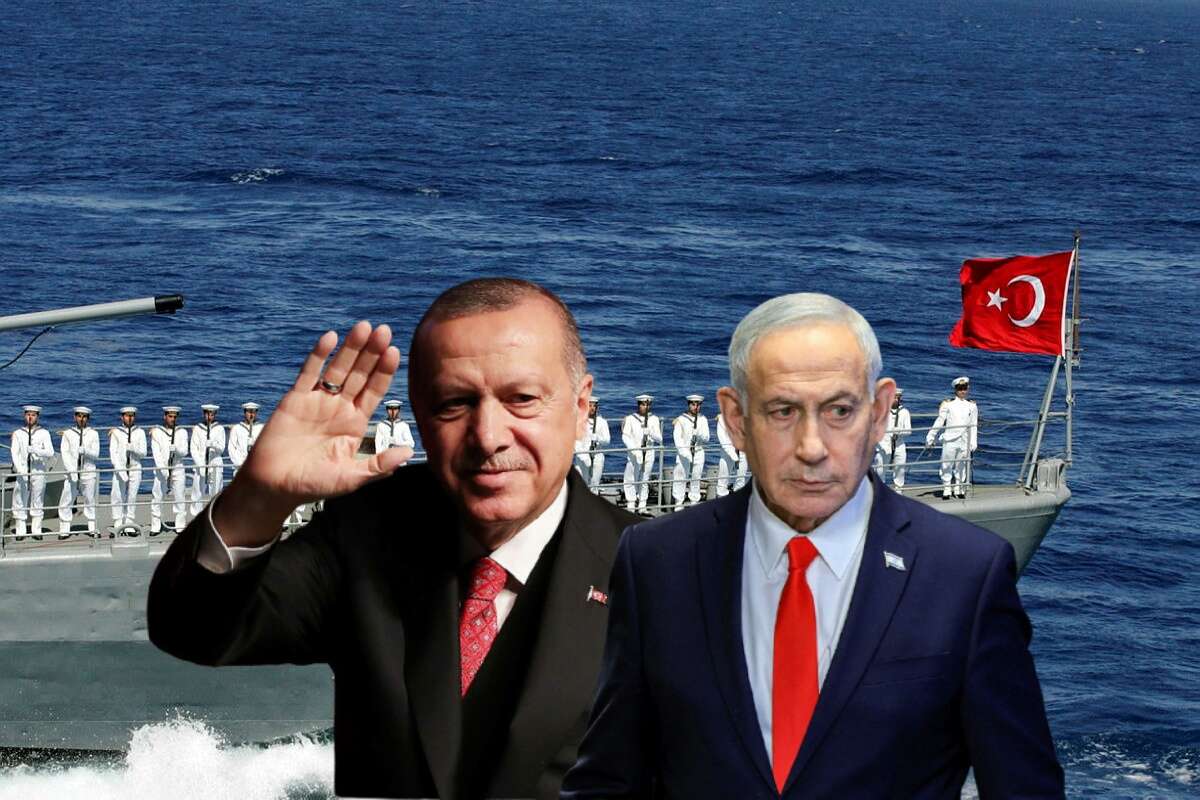
Prime Minister Netanyahu laid out the logic behind the alleged Israeli strike in northern Syria without ambiguity. "We will not tolerate a Turkish military buildup pushing southward, because it threatens us," he said, "and we made that clear in general terms." Israel had detected Turkish plans to establish a foothold at an airfield south of its own lines, near Aleppo, and responded with a single-word warning. "'Don't.' The message got through, but apparently it wasn't heard, so we made sure they understood."
Additional details about Israel's diplomatic groundwork emerged over the weekend, apparently in response to criticism. Israel had shared intelligence on Turkey's intentions with Washington, reports indicated, and separately passed a direct warning to regime officials in Damascus.
The air force strike on the Abu al-Duhur military airfield aimed to prevent a shift in the regional balance of power and protect Israel's freedom of action. Acting early, before a new and harder-to-reverse reality took hold, made more sense than waiting until entrenched Turkish assets raised the stakes of any future confrontation. Israel struck only after its warnings went unanswered. Under those circumstances, the operation was not just justified – it was necessary. In this neighborhood, people tend to listen only once actions start speaking.
A broader vision
No country plays the great-power rivalry and Middle East upheaval better than Turkey. It dances at every wedding, collecting a diplomatic broker's fee from every player at the table, and uses the chaos to cement its status as the region's dominant power.
Since Assad's regime collapsed and Iran's military presence was pushed out, Turkey has become the central power broker in Syria. It has expanded from local control in the country's north into wall-to-wall influence over the entire state. Today, Ankara is the chief patron of the new government in Damascus, rebuilding infrastructure and standing up Syria's air force and army. It's deepening its grip through energy projects, trade corridors, transportation networks and phosphate mining.
Syria is just one piece of President Recep Tayyip Erdoğan's larger vision of "neo-Ottomanism" (reviving Turkish influence across former Ottoman lands). He is pushing to restore Turkey to regional-superpower status and extend its reach well past its formal borders. That ambition was on full display in Turkey's recent signing of the "Mecca Joint Defense Agreement" (MJDA, a mutual defense pact) with Saudi Arabia and Pakistan. It showed up earlier too, in Ankara's push to open intercontinental trade routes, its deepening footprint in Africa, and its embrace of the "Blue Homeland" doctrine (Mavi Vatan, a maritime expansion strategy) projecting influence across the eastern Mediterranean.
Layer Erdoğan's open hostility toward Israel on top of all that, and the potential for a strategic collision becomes hard to dismiss, and that's before even mentioning the Palestinian issue or his support for Hamas.
Turkey is not Iran
Just last year, Turkey hosted a conference in Ankara of the International Union of Muslim Scholars (an international clerical body), where participants reached a consensus granting religious sanction to the October 7 attack and declared that "the existence of the Zionist entity has no religious validity." Senior Hamas figures, some tied to directing terror cells in Judea and Samaria straight from Istanbul, continue operating on Turkish soil to this day. Turkey is also waging a legal and public-relations campaign accusing Israel of war crimes.
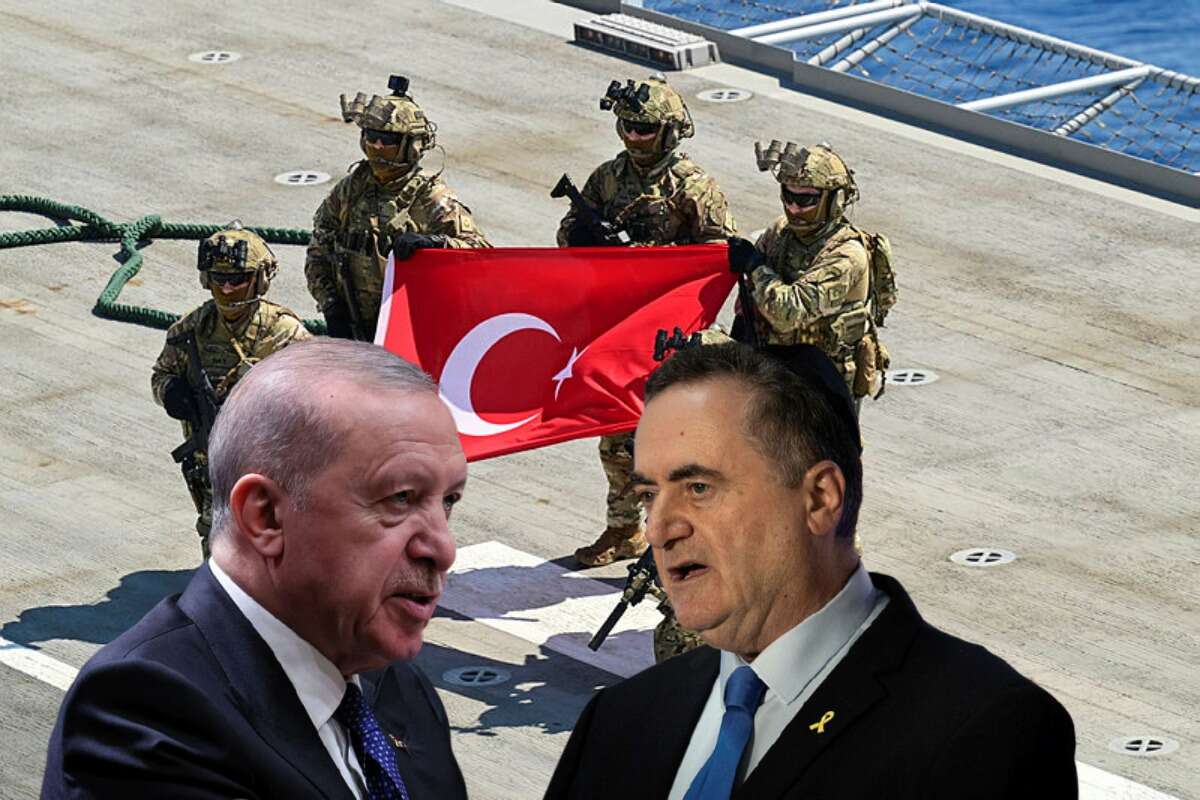
Still, Turkey is not Iran. It belongs to NATO. Erdoğan maintains a close relationship with President Trump. And Israel's ties with Ankara, despite a deep crisis, have not fully unravelled. Precisely to keep that rivalry from tipping into military confrontation, clarifying the red lines made sense, and that is exactly what Israel's air force strike in northern Syria accomplished.
Syrian Foreign Minister Asaad al-Shaibani's statement that Damascus expects security negotiations to resume soon suggests the message landed. Israel should not rush, and should not, under any circumstances, agree to restrict its own freedom of action at sea, in the air or on land. The views voiced in recent days by American envoy Tom Barrack should serve as a serious wake-up call for anyone still betting on "international coordination mechanisms."
Meir Ben Shabbat is head of the Misgav Institute for National Security & Zionist Strategy, in Jerusalem. He served as Israel's national security advisor and head of the National Security Council between 2017 and 2021, and prior to that for 30 years in the General Security Service (the Shin Bet security agency or "Shabak").