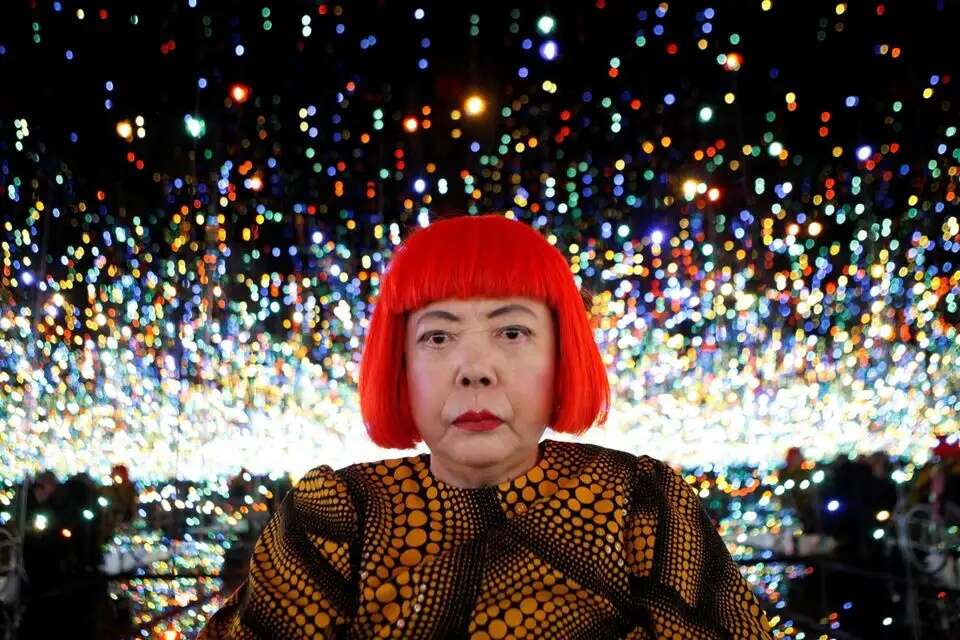
Renowned Japanese artist Yayoi Kusama, who transformed her hallucinations into art and became famous for paintings covered in countless polka dots and her signature pumpkin motif, has died at the age of 97, Reuters reported Thursday.
A statement published on Kusama's official website said she died Aug. 14. The cause of death was not disclosed.
Kusama was born in 1929 in Matsumoto, Japan, and began experiencing visual hallucinations as a child, including flashes of light, dots and flowers. Those visions, which she said continued to accompany her into old age, eventually became a central part of her artistic language.
At 27, she left Japan for New York, feeling constrained by conservative Japanese society. She arrived in the US in the late 1950s and within a few years had become part of New York's avant-garde art scene, alongside artists who would go on to become some of the biggest names in modern art.
During the 1960s, she produced paintings, sculptures and installations, took part in protests against the Vietnam War and staged provocative art events. Her work developed alongside that of artists such as Andy Warhol and, according to accounts of the period, influenced some of her contemporaries.
The rooms that became a global phenomenon
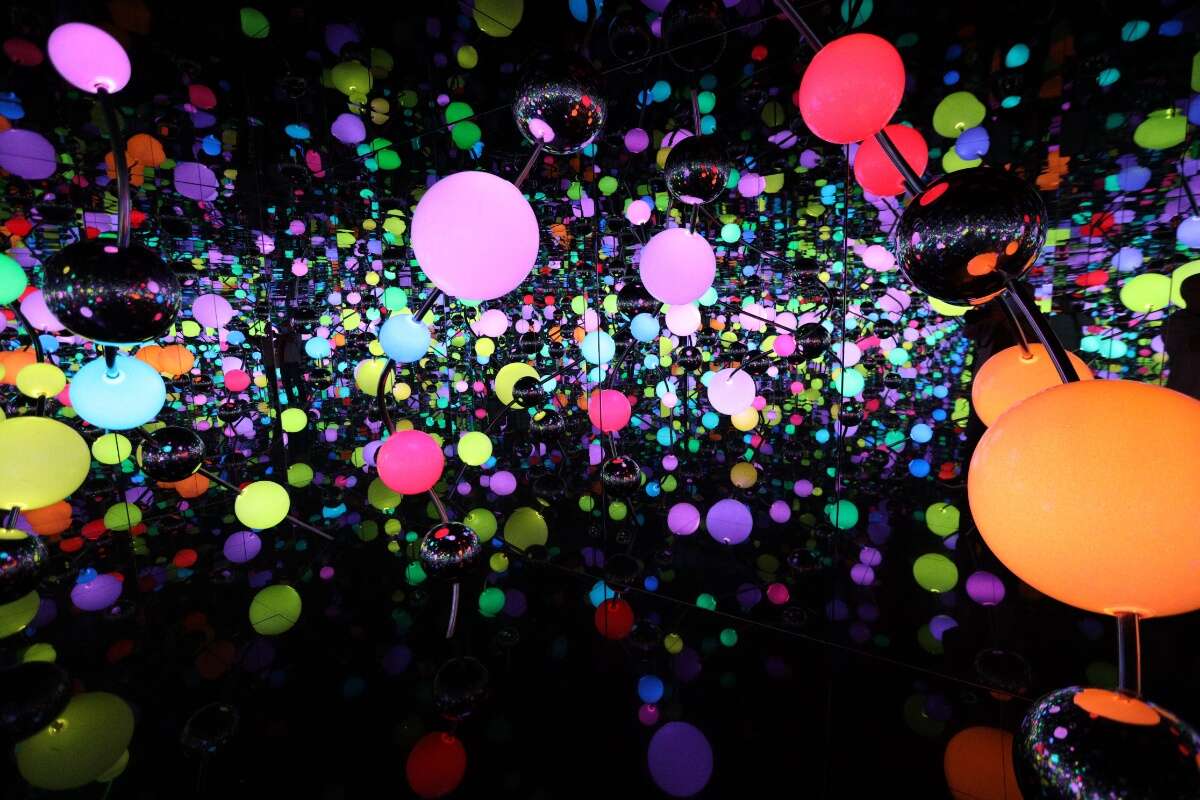
One of the major breakthroughs of her career came in 1965, when she created "Infinity Mirror Room - Phalli's Field," the first in her series of Infinity Mirror Rooms. Using mirrors and the seemingly endless repetition of forms, Kusama transformed the patterns that appeared in her paintings into an experience in which viewers themselves stepped inside the artwork. Over the course of her career, she created more than 20 distinct mirror rooms.
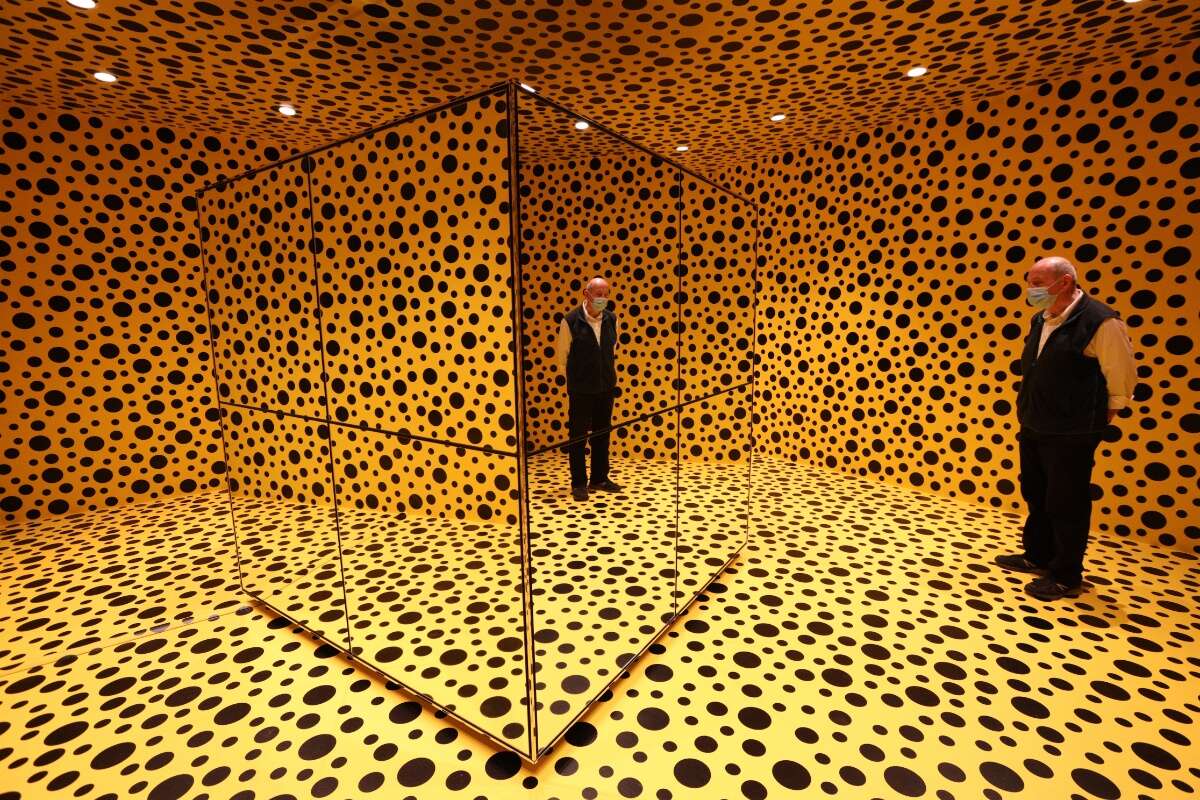
Decades later, the rooms became a phenomenon in the age of social media. Her exhibitions sold out in advance, visitors waited in long lines to enter the installations, and photographs taken inside the seemingly infinite spaces went viral. At a 2018 exhibition in Atlanta, for example, advance tickets sold out, while demand was so great that the museum added thousands of new members.
Alongside the mirror rooms, polka-dotted pumpkins became one of Kusama's most recognizable trademarks. Her connection to pumpkins dated back to childhood: Her family was involved in growing and selling seeds, and she recalled being drawn to the unusual shapes of pumpkins she saw in the fields. The motif appeared in her work as early as the late 1940s and remained with her for decades.
From the hospital to the studio, every day
Alongside her professional success, Kusama spoke openly about her mental health struggles. After returning to Japan in the 1970s, she voluntarily admitted herself to a psychiatric hospital in Tokyo around 1977 and lived there for decades. Her hospitalization did not stop her from working. Each morning, she would leave the hospital and travel to her nearby studio, where she continued to paint and create.
"I still see hallucinations even now," she said in 2017. She described dots appearing everywhere she looked, "on my dress, the floor, things I'm carrying, throughout the house, the ceiling. And I paint them."
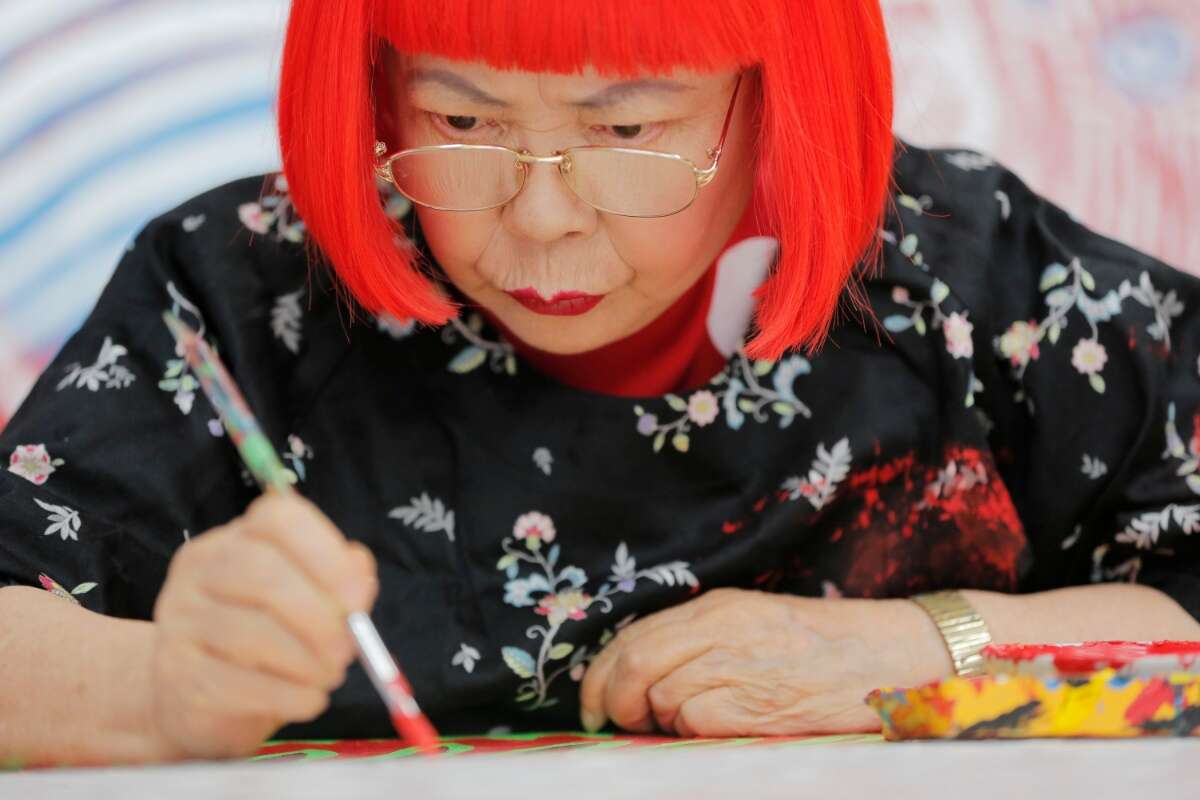
Over the years, her work expanded far beyond painting. She created sculptures, installations and films, and also wrote novels and poetry. Her work was exhibited at leading institutions around the world, including the Museum of Modern Art and the Whitney Museum of American Art in New York. She also collaborated with the fashion industry, most notably on high-profile projects with Louis Vuitton.
Kusama received numerous awards and honors during her lifetime. In 2016, she was awarded Japan's Order of Culture, one of the country's most prestigious honors. Even in her final years, her exhibitions continued to draw large audiences around the world.
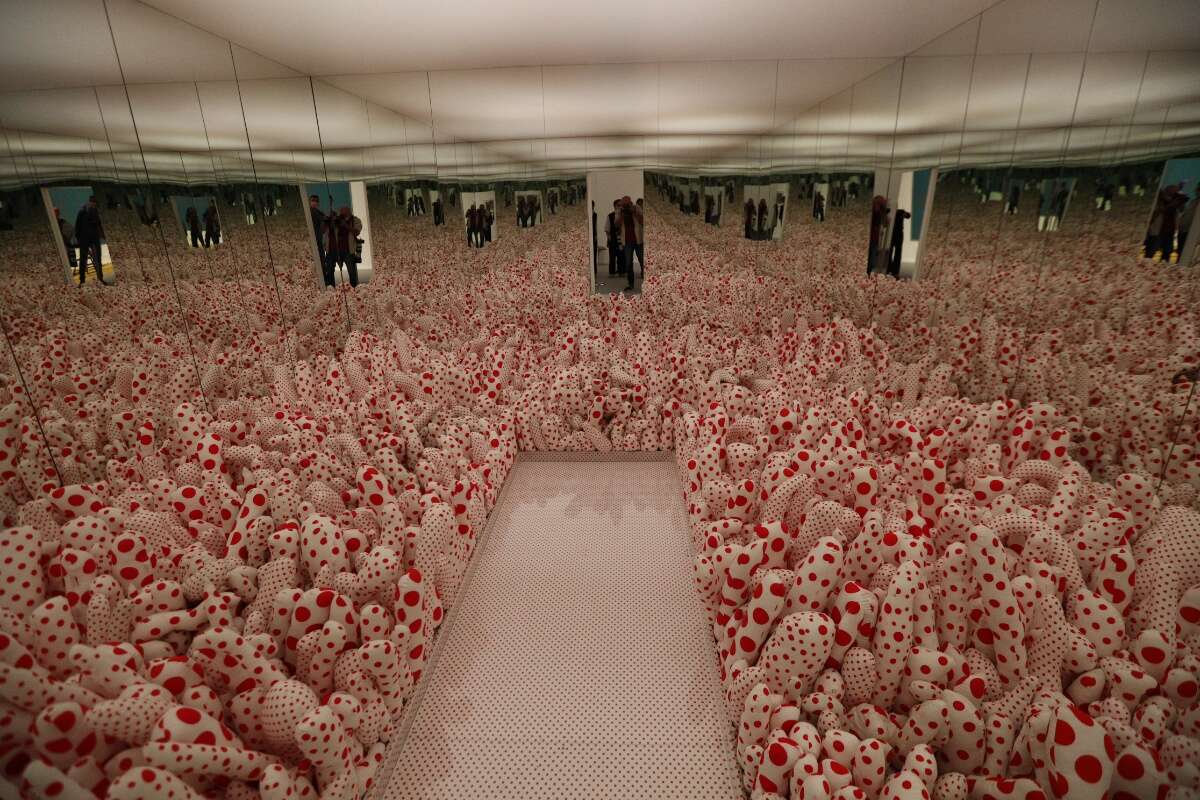
The artist who transformed painful psychological experiences and recurring hallucinatory images into a visual language recognized around the world continued creating almost until the end of her life. Her career spanned more than seven decades and made her one of the most recognizable figures in contemporary art.