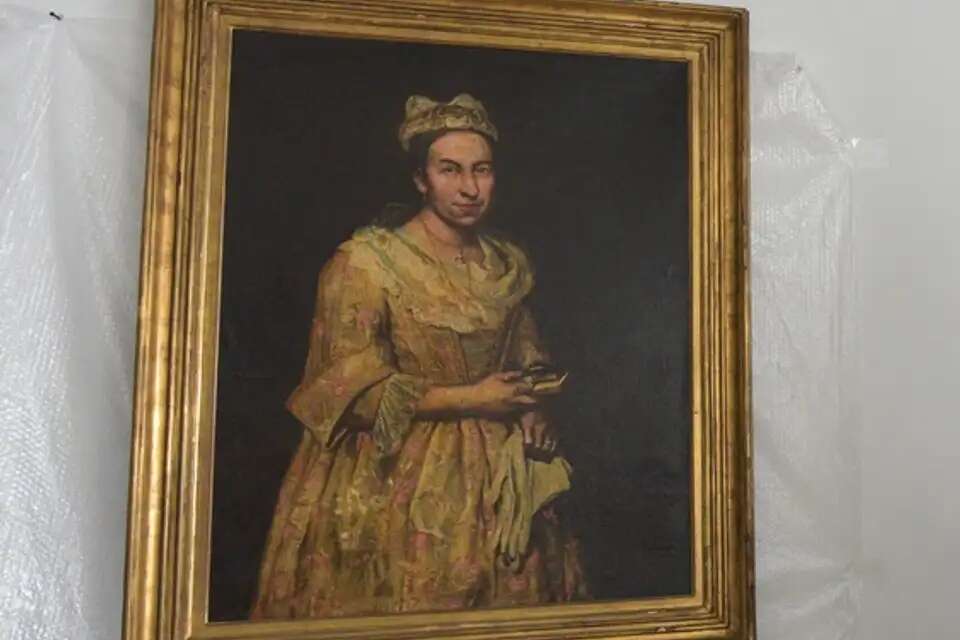
An Argentinian court ruled on Friday that the state must return a stolen 18th-century painting to its rightful owner.
'Portrait of a Lady' was stolen by Nazis from a Dutch Jewish art collector. The painting, photographed in 2025 in the home of a Nazi senior officer's daughter, had been missing since 1940. The SS officer had fled to Argentina after World War II with the stolen painting.
La Justicia ordenó restituir un cuadro robado por los nazis: se lo devolverán a la heredera de Jacques Goudstikker, un galerista neerlandés. La pintura "Retrato de una dama" se había ubicado en un aviso inmobiliario en una casa de Mar del Plata. Ahora, se podría exhibir en el… pic.twitter.com/CYlh71w7As
— TN - Todo Noticias (@todonoticias) September 4, 2026
Judge Santiago Inchausti declared on Friday that "an order will be issued for the painting to be returned to the heir" of art dealer Jacques Goudstikker, after an agreement was reached between the parties concerned.
The painting was first recognized by the Dutch newspaper Algemeen Dagblad in photographs of a house for sale, hanging above a green sofa in Patricia Kadgien's living room, in the seaside resort of Mar del Plata.
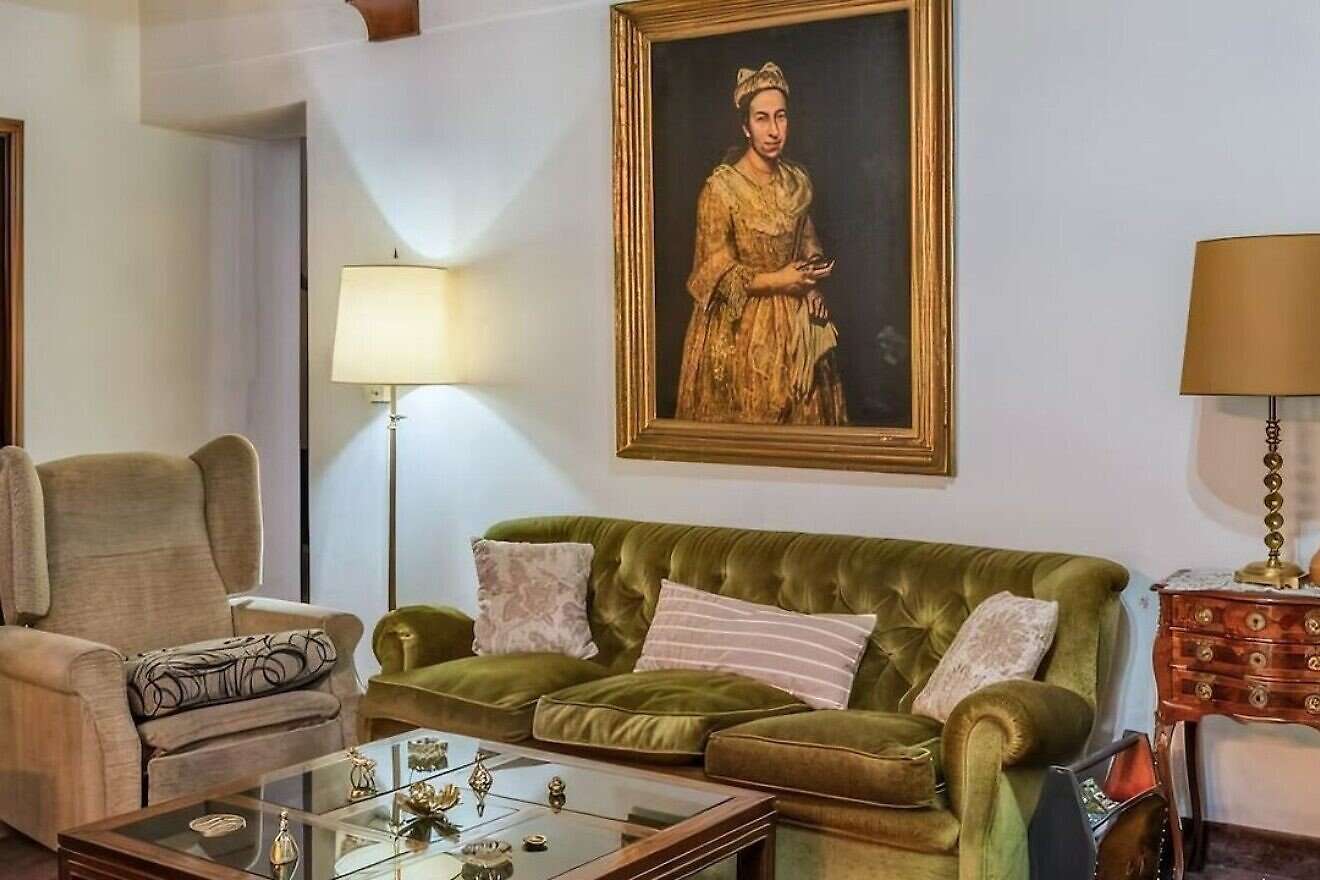
Kadigen's father, Friedrich Kadgien, was a financier for the Nazi SS paramilitary organization and was one of several high-ranking SS officials to escape to Argentina after World War II.
Following the hearing in Mar del Plata, Patricia Kadgien was charged with concealment of the artwork and was placed under house arrest along with her husband.
The couple agreed to return the painting to the Jewish art dealer's sole and rightful heir - his daughter-in-law, Marei Von Saher. They also pledged to donate about $3,200 to local hospitals, as reported by The Guardian.
Portrait of a Lady was one of over 1,000 works of art looted from Goudstikker's collection after the Nazis invaded the Netherlands in 1940. The Jewish art dealer fled the Dutch state days after the invasion, leaving behind his artworks, many of which were stolen by top German officials.
After the war, the Netherlands managed to retrieve above 300 paintings from Goudstikker's collection, which were mostly returned to his heirs, but others remained scattered throughout the world.
The painting was originally believed to be the work of Italian late-baroque artist Giuseppe Ghislandi (1655-1743). However, research earlier this year by art historians suggests that it was actually painted by Giacomo Ceruti, another Italian artist living during the same period.