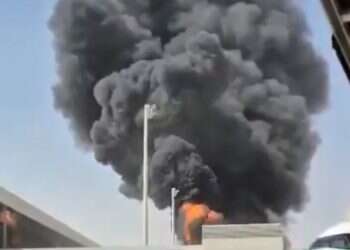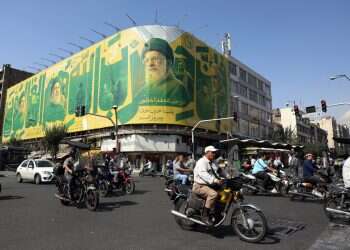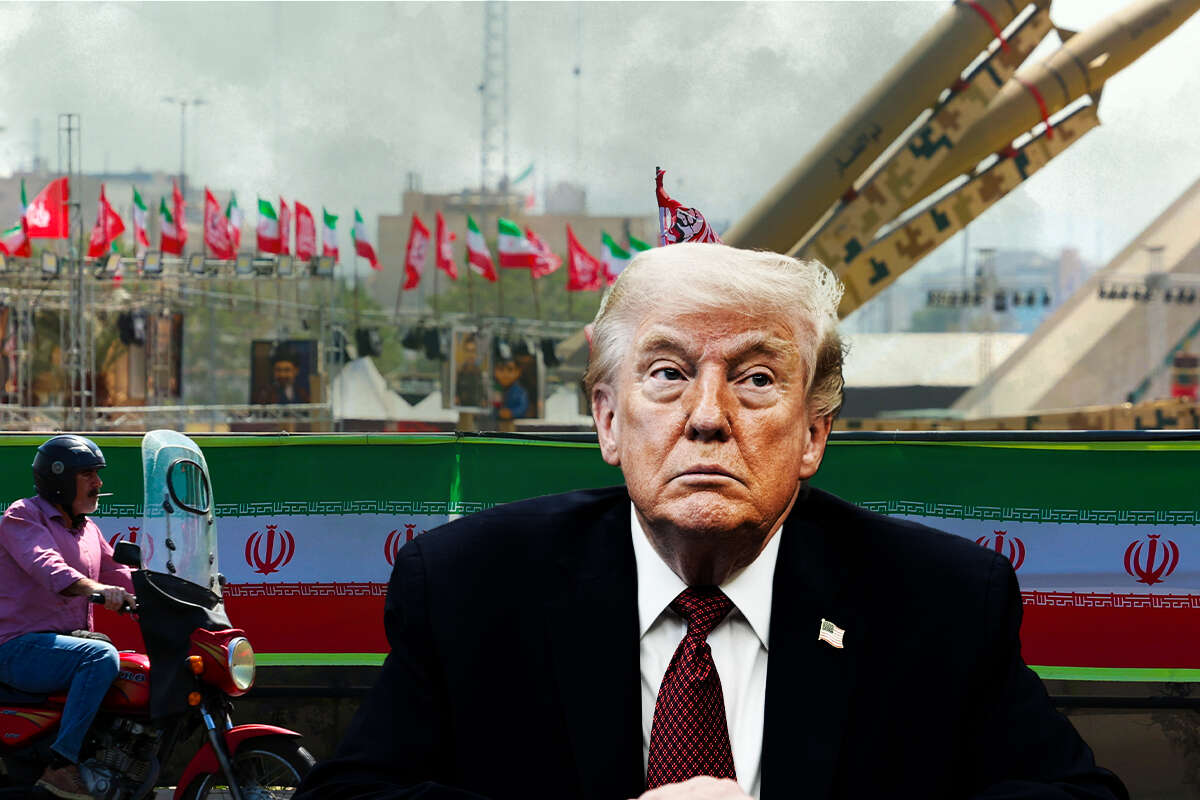
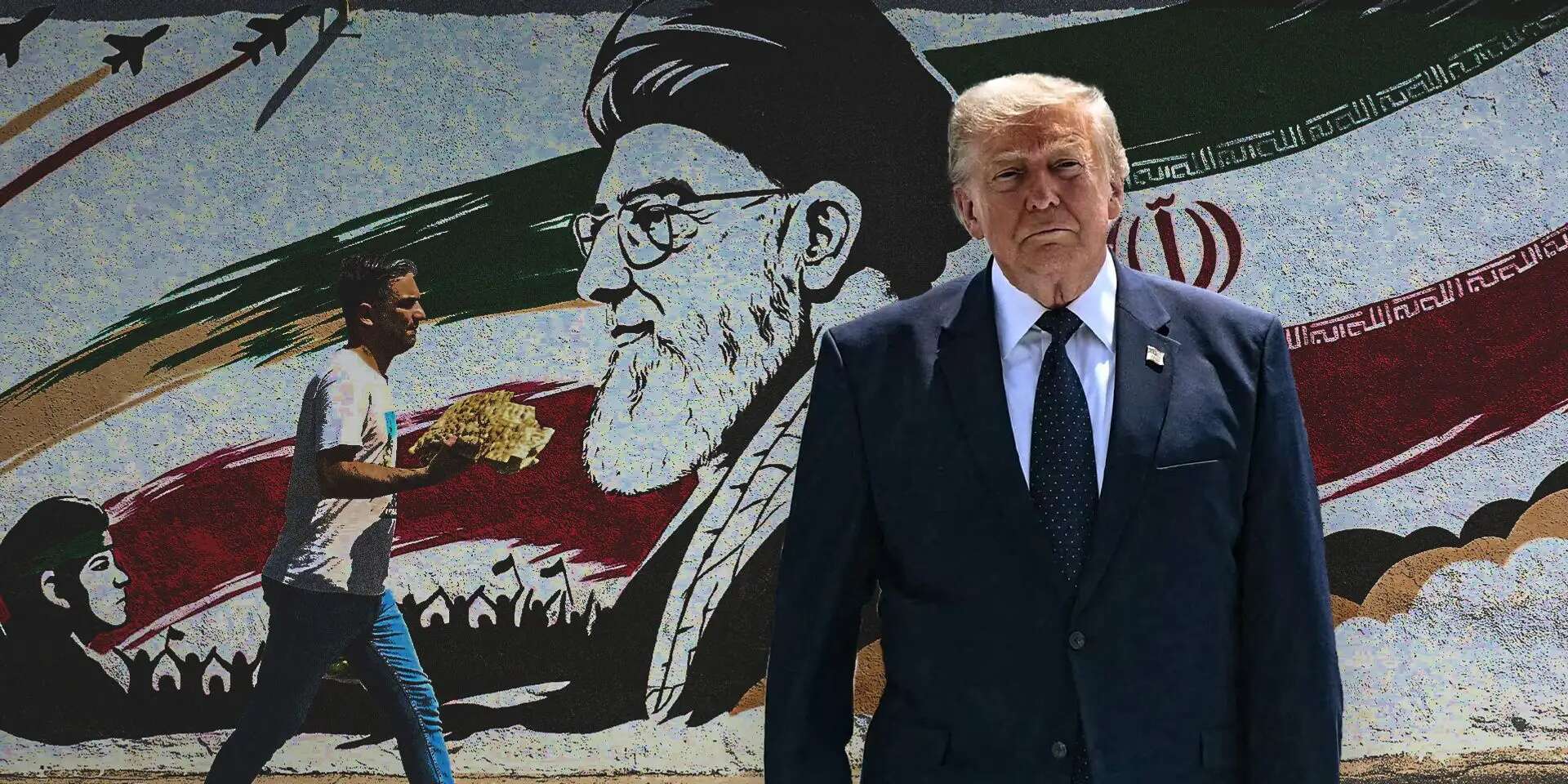
Six months after the United States and Israel launched a sweeping attack on Iran, the regime in Tehran remains in power and Washington has yet to achieve the objectives it set for the war. A New York Times analysis found that the Trump administration has replaced its military campaign with an intensified economic war, but that effort, too, is unlikely to force Iran to change course.
The war began on Feb. 28 with a surprise joint US-Israeli attack. Supreme Leader Ayatollah Ali Khamenei was killed in the strikes, while his son and successor, Mojtaba Khamenei, was critically wounded. Weeks of bombardment destroyed much of Iran's air force and navy and severely damaged its missile program, but the population did not rise up and the regime's leadership did not collapse.
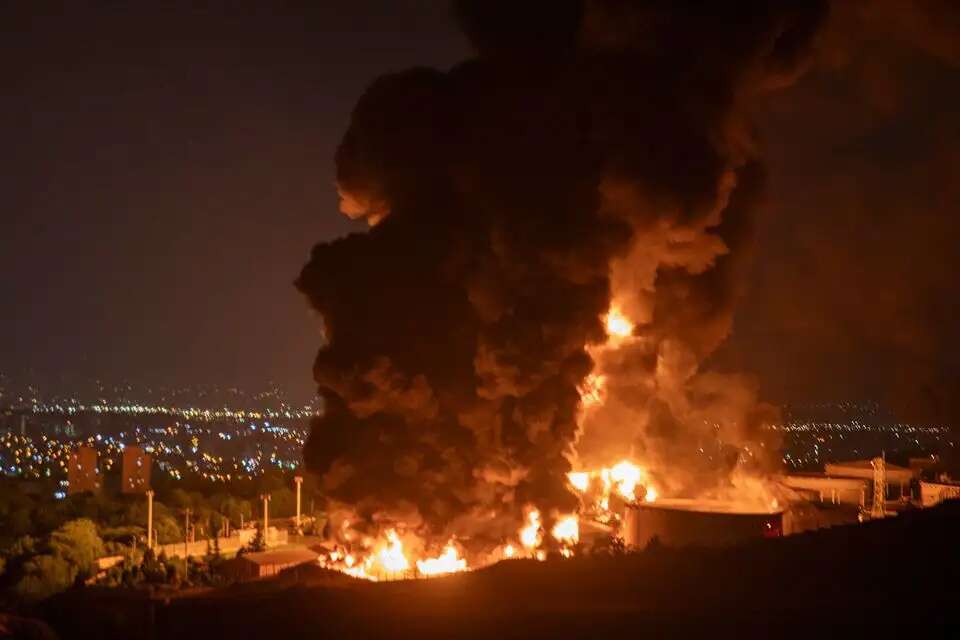
Iran has since managed to restore many of its missile launchers, attack US bases and Washington's allies in the region, and effectively seize control of traffic through the Strait of Hormuz. According to the report, several thousand Iranians, including children, and 18 US service members have been killed in the war. Tehran is also said to have strengthened its regional influence, with countries it was attacking only a few months ago now seeking to revive ties with Iran.
"Iran has come out stronger"
"The war has failed to deliver US objectives," said Sanam Vakil, director of the Middle East and North Africa Programme at Chatham House. Suzanne Maloney, vice president and director of the Foreign Policy program at the Brookings Institution, added: "We did a lot of damage to Iran, but they have come out stronger than before."
After the military campaign failed to bring about the regime's collapse, the Trump administration announced Operation Economic Outcast, an effort intended to isolate Iran and bring its economy to its knees.
"This is a sustained campaign to collapse every last option for Iran," US Treasury Secretary Scott Bessent said. "The campaign we begin today will gather force with every day that follows, and it will not end until this regime stands alone."
What does Washington want?
The administration, however, has not made clear what its ultimate objective is: toppling the regime, reopening the Strait of Hormuz or bringing Iran back to the negotiating table over the strait and its nuclear program.
Experts said a country already subject to thousands of sanctions was unlikely to capitulate because of additional measures, and warned that greater economic pressure could instead prompt Tehran to step up attacks on shipping in the Persian Gulf and on US allies. "The capacity to hurt Iran is clear," said Sina Toossi of the Washington-based Center for International Policy. "The path from pain to capitulation or collapse is not."
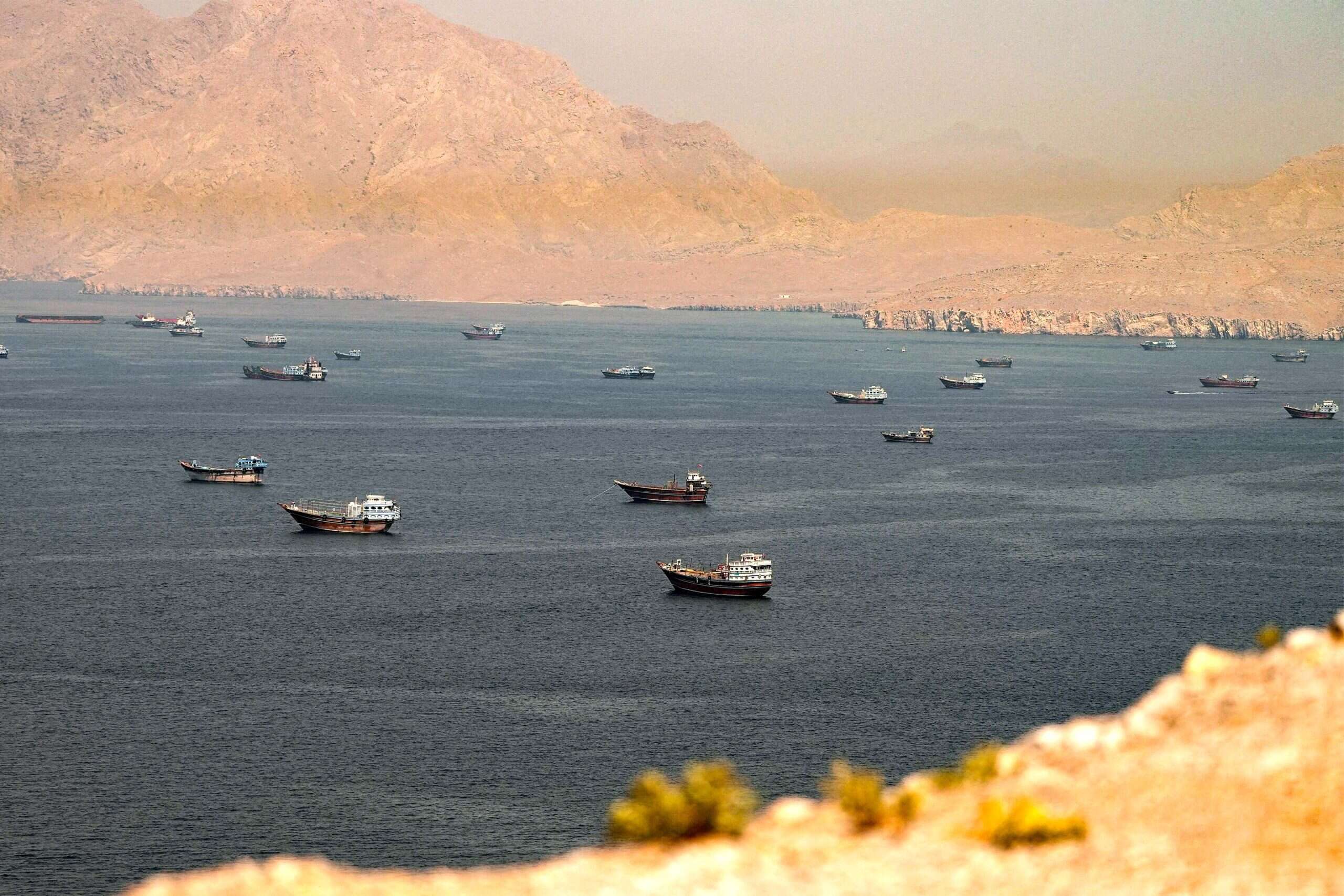
There is uncertainty in Tehran as well over Washington's intentions. Ali Vaez, Iran project director at the International Crisis Group, said Iranian officials were asking whether the United States was seeking collapse, capitulation or compromise. If the economic strategy fails, he said, the United States could return to military escalation. If it succeeds, Iran could itself escalate in an attempt to break the US naval blockade.
Despite the dire state of Iran's economy and warnings of hunger and economic collapse, the Iranian leadership remains united in insisting that it retain control over the Strait of Hormuz. At the same time, Iranian President Masoud Pezeshkian and Parliament Speaker Mohammad Bagher Ghalibaf are calling for a return to the memorandum of understanding Trump signed in June. The US president, however, has already declared that the understandings are "void."
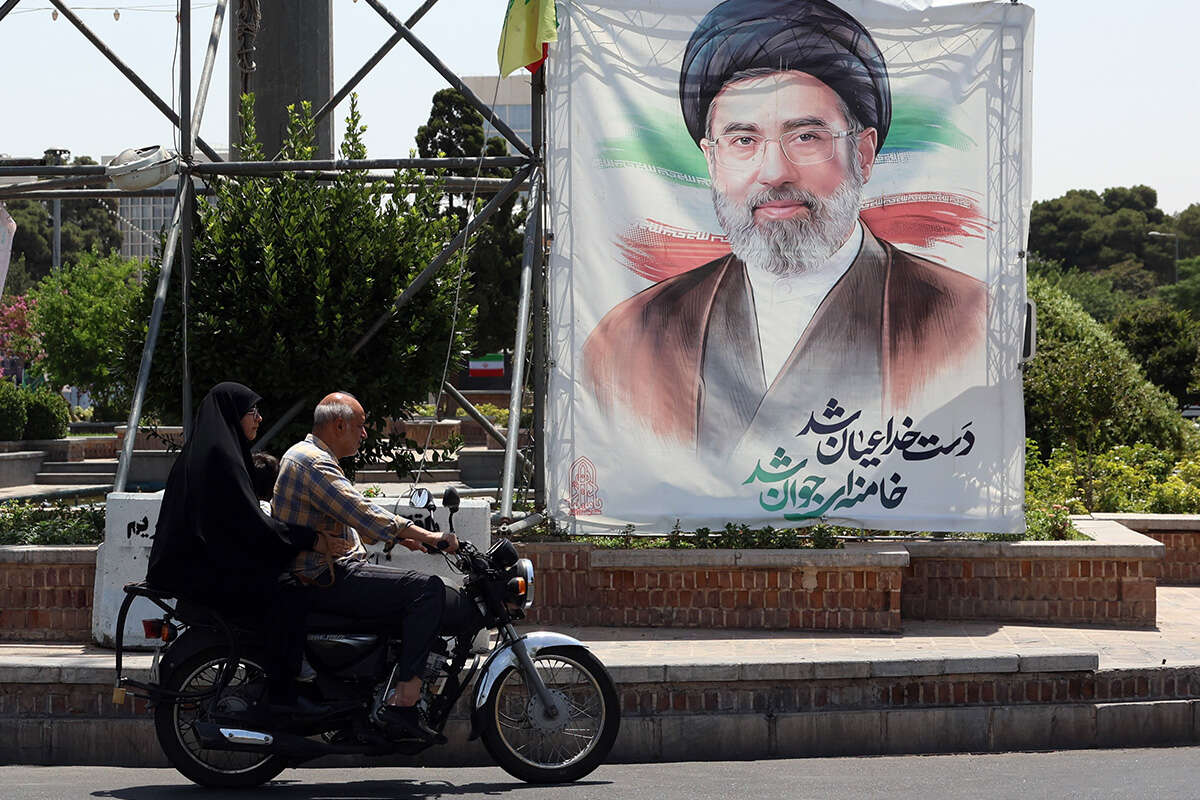
What is Mojtaba's condition?
Questions are also mounting over the condition of Supreme Leader Mojtaba Khamenei. He has not appeared in public since he was wounded, and the latest statement issued by his office was published on Aug. 9. Some are even questioning whether he is still alive.
For now, the two sides remain in a relative stalemate, with no direct exchanges of fire and a loose blockade in the strait that still allows some oil shipments through. Experts warn, however, that the situation amounts to a dangerous deadlock and that the economic war could become a prelude to another round of fighting.
In the meantime, Iranian civilians continue to bear the cost. On the first day of the war, Trump told them, "Your hour of freedom has arrived." Six months later, the regime is still standing, while their economic hardship is only worsening.