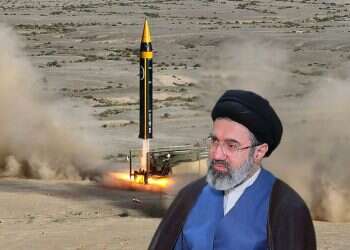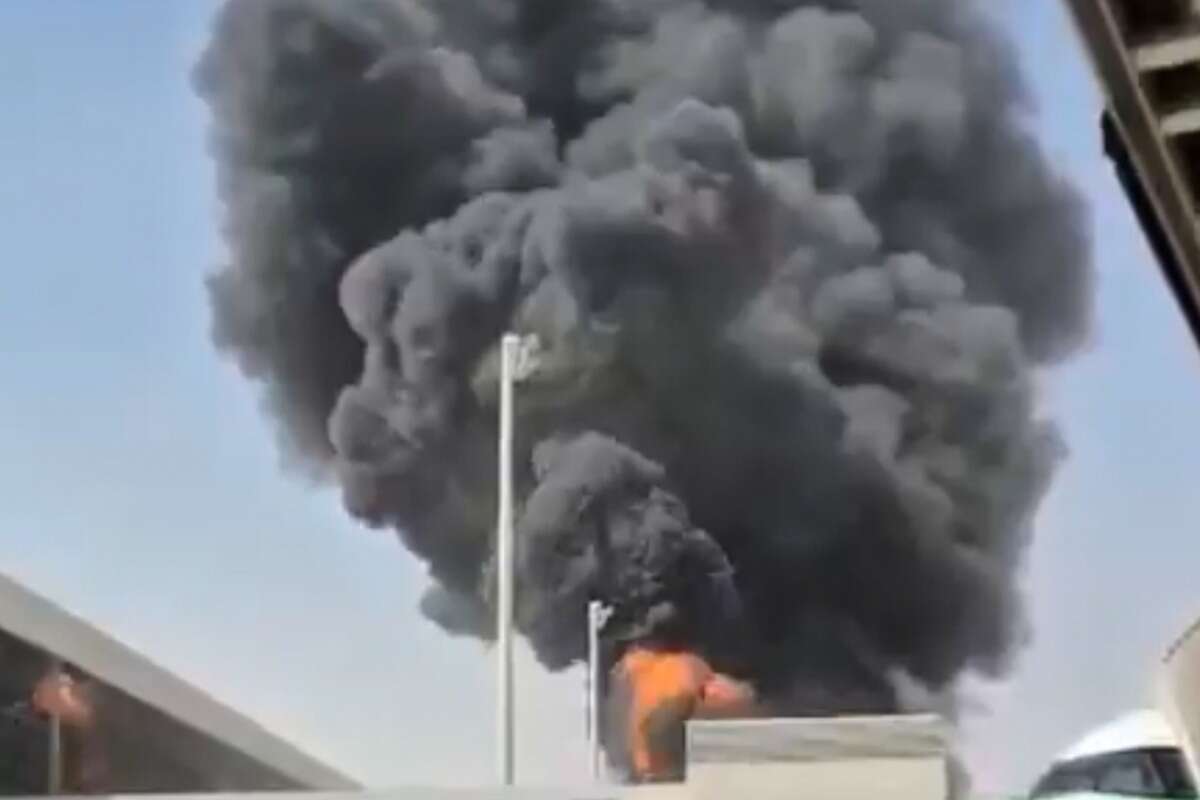
A missile strike on Riyadh's international airport killed 12 people and wounded over 300 early Sunday, Saudi aviation officials said, with a Saudi-led coalition blaming Iran-backed Houthi rebels, days after another attack from Yemen's terrorist groups killed three in the same location. The Associated Press reported the dead included Saudis, Bangladeshis, a Palestinian, an American, an Egyptian, a Jordanian, a Syrian and a Sudanese, with terminals 3 and 4 at King Khalid International Airport among the areas hit.
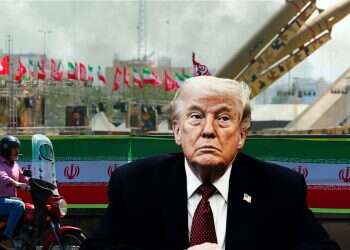
President Donald Trump said the US was considering joining Saudi strikes against the rebels. "We may. We're going to look at it," Trump said, according to The Associated Press. "We just found out about the recent attack. So we'll make a decision. We move very quickly." He added he would call Crown Prince Mohammed bin Salman, saying "what happened in Saudi Arabia is not acceptable," and when asked about US involvement, replied, "We'll find out."
Secretary of State Marco Rubio confirmed an American citizen died in the attack. "These reprehensible attacks demonstrate a blatant disregard for innocent civilian life. They must stop now," he said. The Saudi-led coalition branded the strike a "fully-fledged war crime," noting the airport has no military role; the Houthis made no immediate comment.
Earlier Houthi strikes this week on the same airport killed three Saudis including a pilot, part of a broader campaign against Saudi airports, military sites and oil infrastructure since the coalition's offensive began. Operations were suspended and flights diverted, Saudi officials and Flightradar24 said, as the US, Britain, Germany, Australia and Canada warned citizens away.
US Central Command separately said a fighter jet disabled the Panama-flagged M/V Ocean Molica in the Gulf of Oman, part of a blockade on Iranian ports, after the vessel ignored warnings; its crew was unharmed.
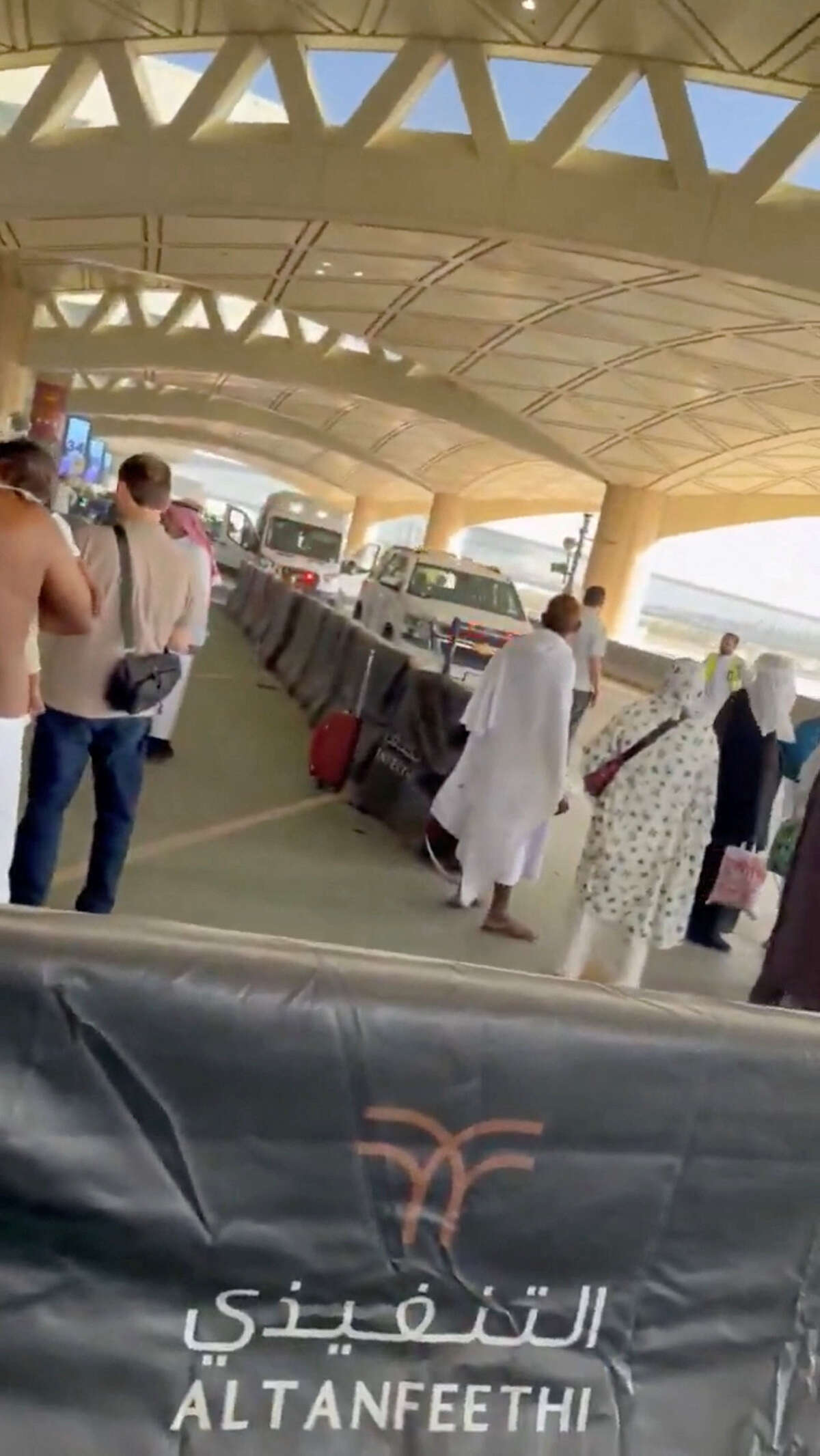
Saudi Arabia, the world's top oil exporter, saw markets rattled by the attacks even as its energy ministry pressed ahead with a major Riyadh conference set for Sunday. The Houthis, once sidelined in the Iran war, now give Tehran leverage against a key US ally.
The Saudi-Houthi war dates to 2015, interrupted by a 2022 ceasefire that collapsed in July amid disputed strikes on Sanaa's airport. Fighting has since escalated along the Red Sea, where Houthi gains threaten shipping near the Hormuz strait, which Iran has separately targeted.
The Associated Press reported Saudi Arabia, low on interceptors, has sought air defense help from France, Britain, Pakistan and Egypt, even as US stockpiles thin from the Iran war. Washington has aided with intelligence and targeting for the Houthi offensive, officials said.
Saudi Arabia's foreign minister and his Omani counterpart discussed "supporting diplomatic solutions to de-escalate tensions," the kingdom said, with Oman long serving as a regional mediator.
The Houthis warned airlines "for the last time" against flying through Saudi airspace. Several carriers had already suspended Saudi routes, while the EU Aviation Safety Agency cited a "greater focus on aviation infrastructure" and warned strikes "create an increased risk of misidentification of civil aircraft."
Officials said Thursday's strikes damaged three planes, including one belonging to the Saudi national carrier. Saudi authorities also warned that "filming, publishing or sharing information related to countering missiles and drones and their impact sites exposes you to legal liability," The Associated Press said.