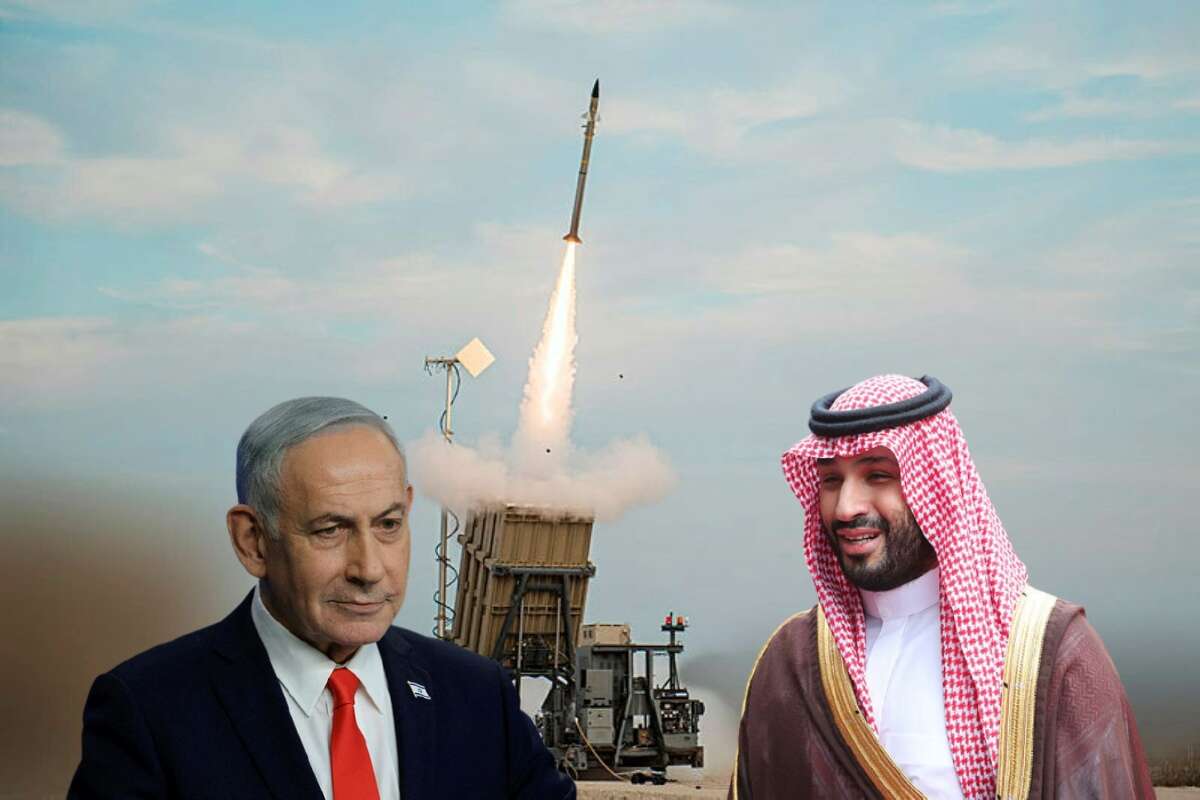
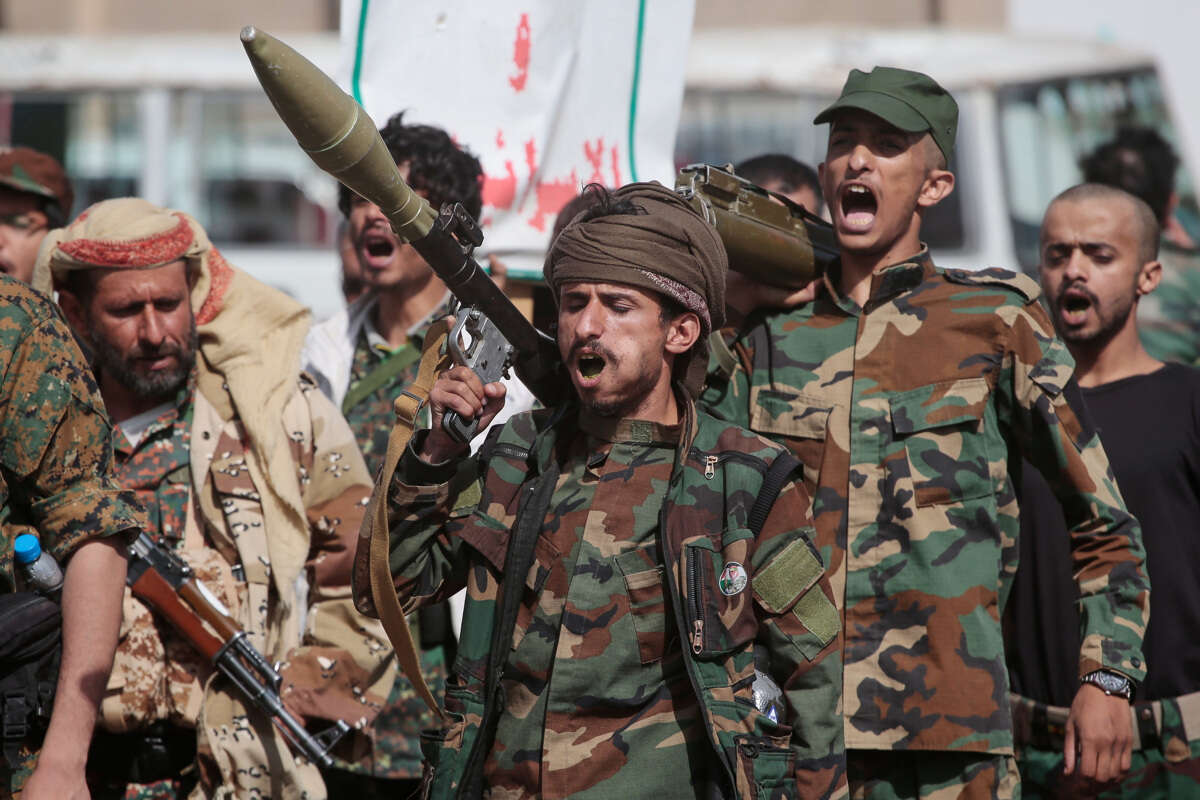
Diplomatic and security officials from the region have confirmed to Israel Hayom that contacts and discussions are taking place between Saudi Arabia and Israel through the US Central Command (CENTCOM) with the aim of assisting the Saudis with intelligence to defend themselves against the Houthis (the Iran-backed terror group in Yemen). On Monday, Israel Hayom published that Saudi Arabia had appealed to Israel through CENTCOM with a request for assistance in the war against the Houthis.
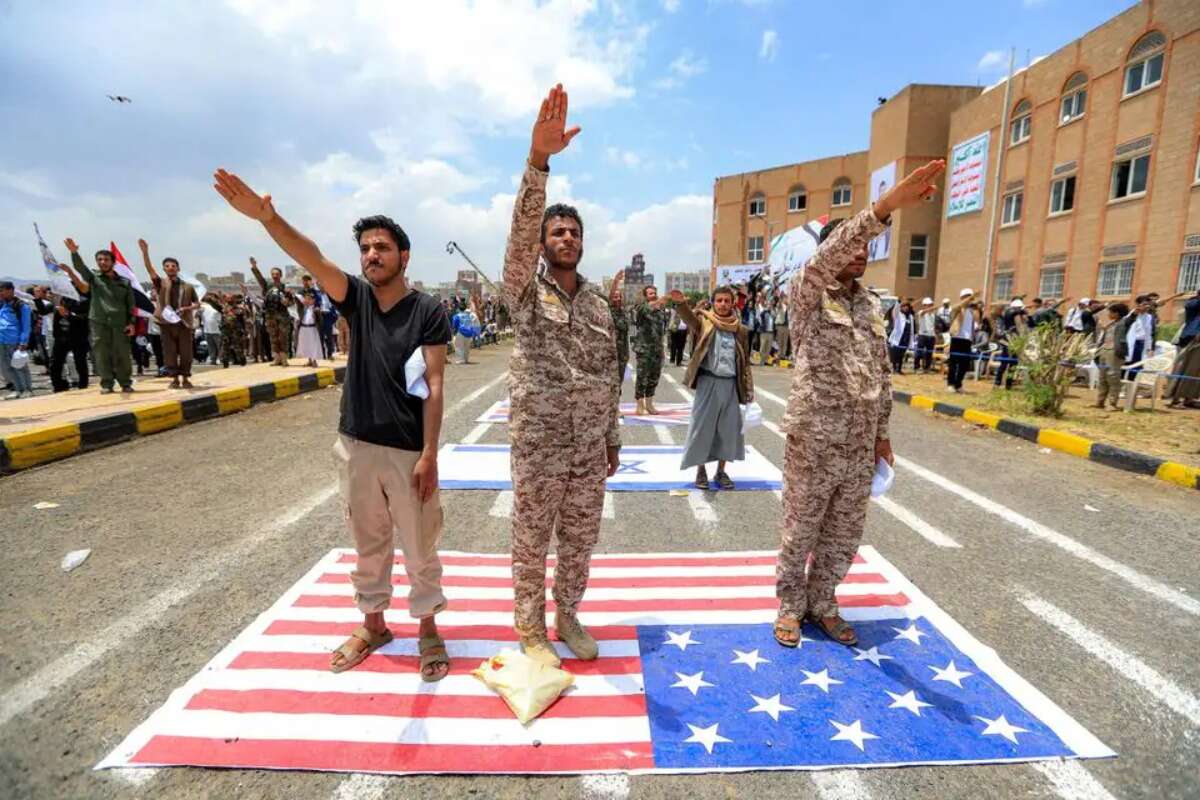
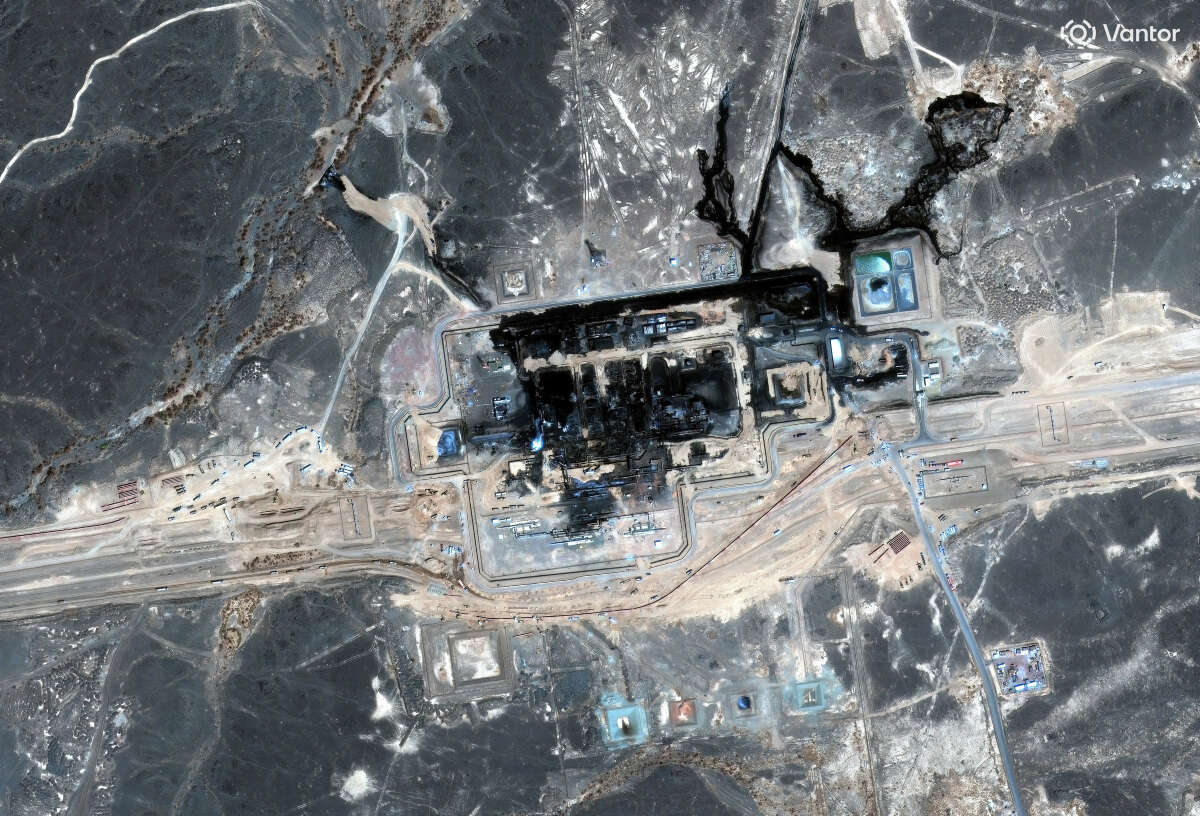
The sources confirmed that at this stage, the assistance is intelligence-based and focuses on defending infrastructure and strategic targets in Saudi Arabia against attacks by the Houthis and pro-Iranian militias in Iraq. These militias apparently struck the Saudi oil pipeline and disabled it for several weeks.

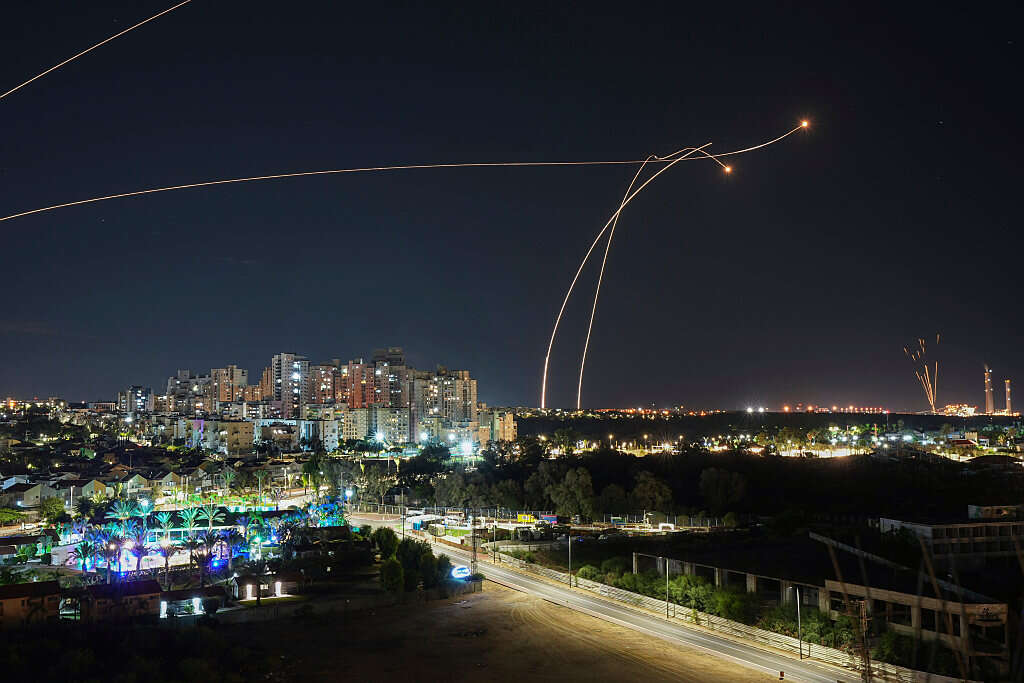
An Israeli official told Israel Hayom that the Saudis are very familiar with Israeli capabilities in the field of air defense against missiles, rockets, and UAVs. The official added that they saw the Israeli assistance to the United Arab Emirates – demonstrated in the Iron Dome system deployed in the UAE during the most recent Iran war, assisting in the defense of strategic targets.
The official recalled that Israel has sold such defense systems to various countries, such as the Arrow 3 system to Germany following the war in Ukraine – resulting in sophisticated radar systems protecting central Europe from potential attacks from Russia. The official said, "It is absolutely clear what the Saudis are asking for, and I assume that in the intelligence and early warning aspect, this assistance is being realized through CENTCOM. Israel needs to consider within the framework of strategic considerations and regional cooperation whether to expand this assistance to more kinetic areas."
The American aspect is particularly important here, as the Americans have been forming a regional coalition along with European assistance against the Houthis, and Israel is included in it. The assessment is that if there were to be an explicit American request, Israeli assistance will be expanded, but naturally with strategic and diplomatic returns from Saudi Arabia.
Oded Ailam, a former senior Mossad official and researcher at the Jerusalem Center for Foreign and Security Affairs (JCFA), said that the Iranian pressure on Saudi Arabia – from the Houthis in Bab el-Mandeb (a strategic strait connecting the Red Sea to the Gulf of Aden) to the threat on the Strait of Hormuz (a key waterway for global oil shipments) – has created a rare strategic opportunity for Israel. Ailam noted that Israel can offer Riyadh what its allies struggle to provide, namely real-time intelligence, air defense, and protection of oil infrastructure and shipping lanes. The price Israel must demand is clear, as Ailam stated, "Tangible Israeli security in exchange for open, signed, and immediate peace."
The oil pressure
The American pressure to find solutions for the issue of the Houthis and Bab el-Mandeb stems from what is beginning to look like an energy crisis, even if partial. Mike Wirth, CEO of the energy giant Chevron, along with other senior industry executives, warned that due to the growing seasonal demand in autumn, the demand for diesel for various industrial and agricultural sectors, and for gas and oil for winter heating, prices would rise at a rapid pace. China has begun consuming oil from its emergency reserves due to the growing shortage of Iranian oil.
Saudi oil exports have been reduced further due to the Houthi threat to Bab el-Mandeb and the difficulty of passing through Hormuz, as well as the damage to the Saudi East-West pipeline that transported oil to the port of Yanbu (a major port city in Saudi Arabia) and from there to Europe and the East. In addition, Russia, a major oil exporter itself, has suffered from repeated Ukrainian attacks on its refineries, and has also been reducing its exports.
Wirth presented a gloomy forecast, saying, "The security reserves that protected the market have been almost completely exhausted. I wish I could point to some sign of calm, but at this stage, it is difficult to see such a scenario."
A meeting between those senior executives and US President Donald Trump in April and similar warnings led to contacts with Iran and the problematic memorandum of understanding that granted Iran numerous benefits in exchange for opening Hormuz. However, someone in Iran then decided that this was not enough, attacked tankers passing through the Strait of Hormuz, and caused the collapse of the understandings.
The immediate American solution has been expanding activity in the southern maritime route in Hormuz. Since the beginning of the week, tankers have been passing through the strait during daylight hours as well, under close American protection from ships and aircraft of the US Fifth Fleet, with the assistance of the naval and air forces of the Gulf states.

This has not yet reached pre-war capacities but has already crossed the threshold of half the number of tankers that passed through then. The intention now is to accelerate further, hastening the completion of the additional UAE pipeline to the port of Fujairah (an emirate south of Hormuz), and through this bypass to increase oil exports. The UAE has already managed to return its oil exports to full pre-war capacity, and the current goal is to use the new pipeline to increase it further to meet global demand.
Nevertheless, the expectation is that oil prices will rise at least somewhat in the coming weeks. This is bad news for Trump and the Republicans ahead of the midterm elections in early November. Until then, he is expected to make a supreme effort to expand shipping in Hormuz, including offensive defense against the Iranian threat to the strait.