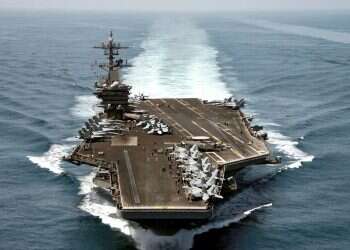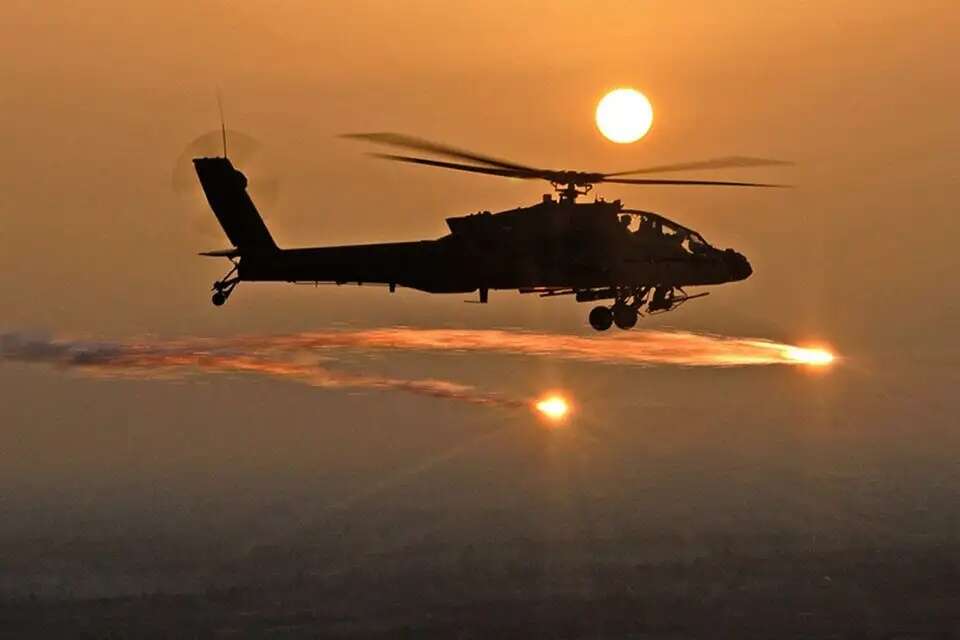
The US military struck two Islamic Revolutionary Guard Corps rocket launchers on Iran's Larak Island in the Persian Gulf on Sunday after detecting preparations to fire missiles carrying naval mines toward the Strait of Hormuz.
According to Al Jazeera, citing a US official, the military is closely monitoring activity in the Persian Gulf. The official said forces in the region remained on high alert and would continue to defend the free flow of maritime trade through the Strait of Hormuz. There has been no official confirmation, however, of the precise results of the strike or whether the launchers were completely destroyed.
The latest strike came about a month after the previous US operation on Iranian territory. At the time, US Central Command struck dozens of Islamic Revolutionary Guard Corps targets, including command centers, missile sites, drone facilities and military installations in the Persian Gulf region.
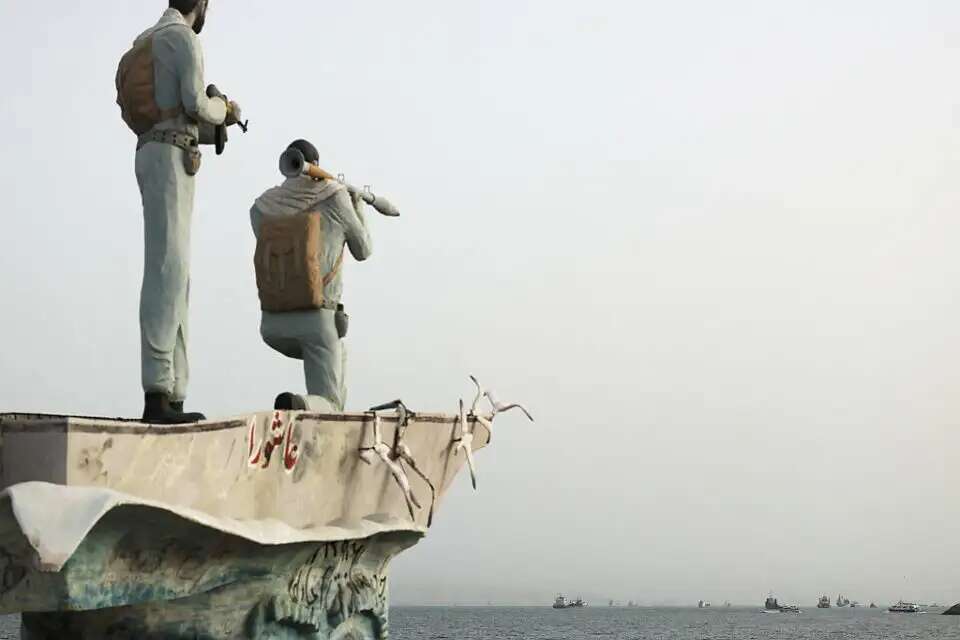
Earlier Sunday, the Revolutionary Guards claimed that the Strait of Hormuz was under their complete control and threatened to attack any vessel attempting to cross it without their permission. According to an IRGC spokesperson, Iran had reached understandings with Oman over management of the strait and the division of revenues generated from it, but he accused the United States of obstructing and delaying the agreement.
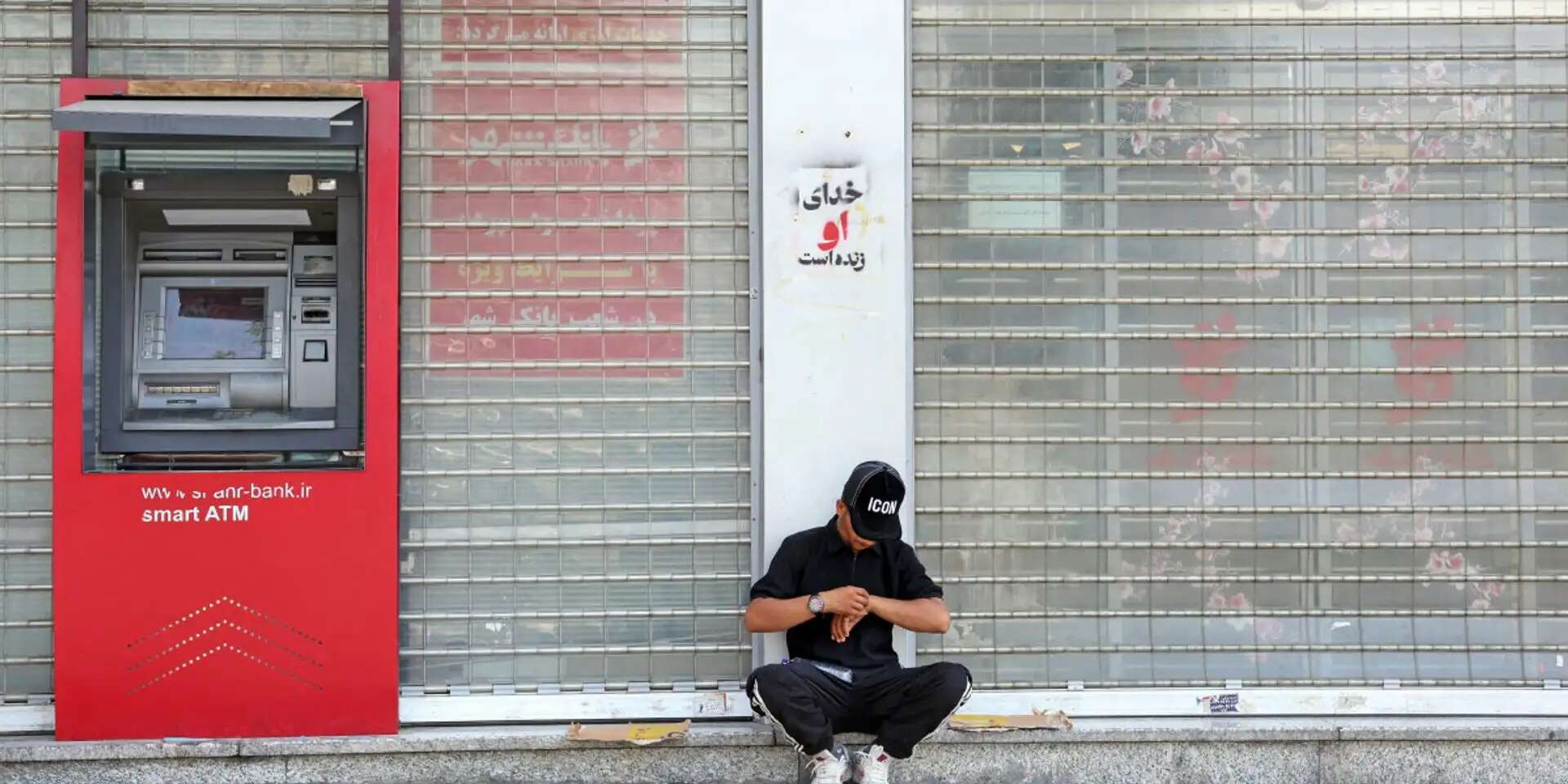
The military confrontation comes as Tehran grapples with a deep economic crisis that has been exacerbated by US sanctions. Protests erupted in the capital Saturday night over the erosion of government benefits and severe inflation, while long lines formed at gas stations amid fears of shortages. Iranian President Masoud Pezeshkian said his country was capable of overcoming the difficulties and accused Washington of attempting to sow chaos.
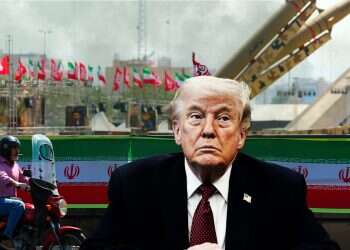
US President Donald Trump, meanwhile, said over the weekend that he was continuing his strategy of economic pressure and was not interested in resuming talks with Iran. In a post on social media, Trump took aim at Tehran's leadership, saying Iran was suffering from a severe economic and military crisis that was making it difficult for the government to pay its troops.
Tensions have also spilled over into the nuclear issue. Mohammad Eslami, head of the Atomic Energy Organization of Iran, said inspections of nuclear facilities that had been struck would require approval under procedures mandated by Iran's parliament.