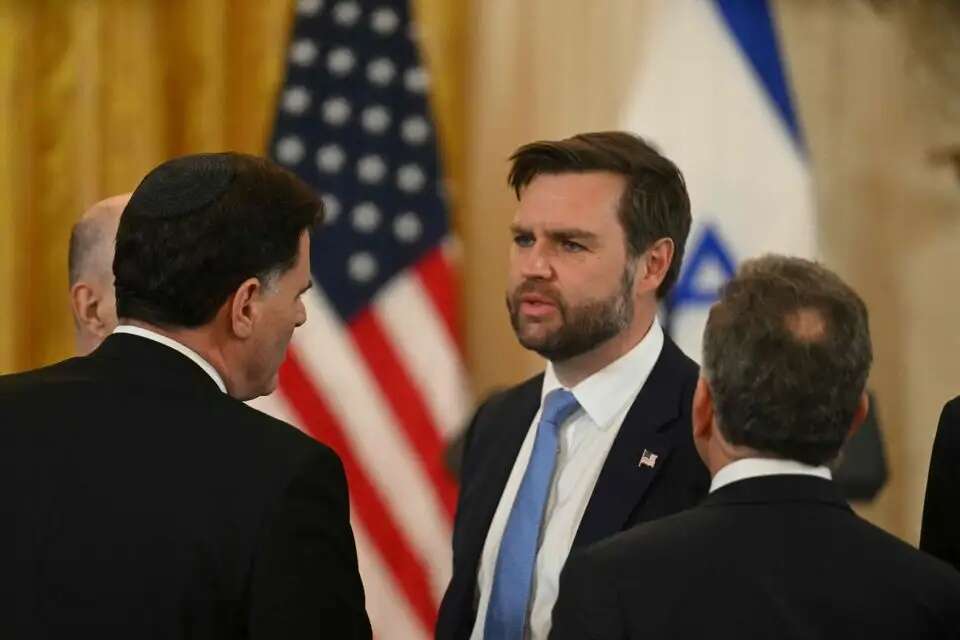
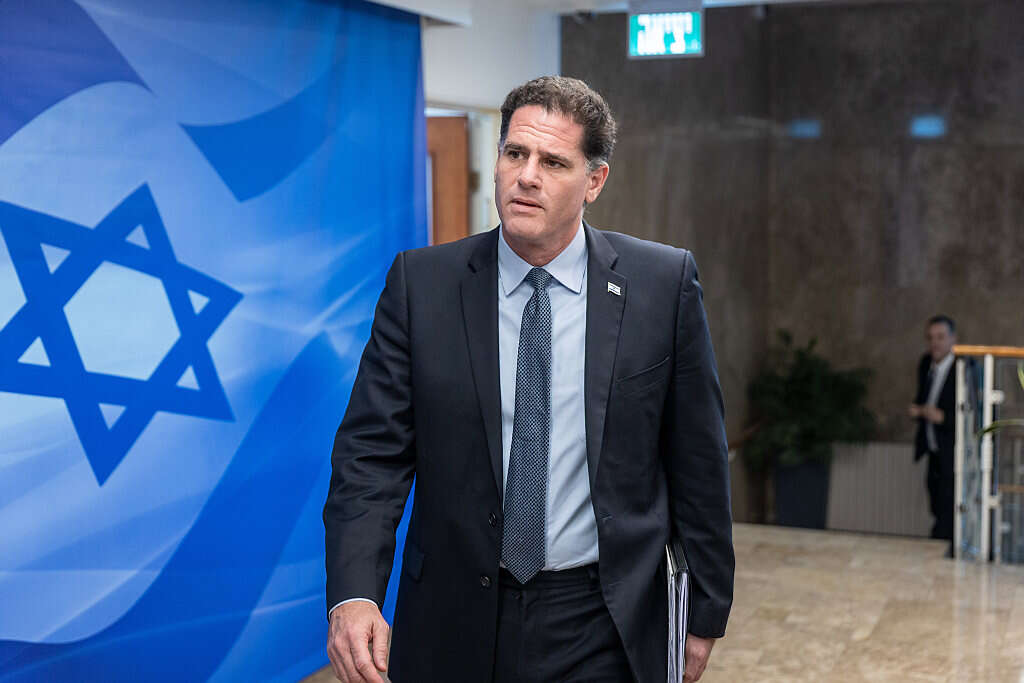
Ron Dermer, Israel's former strategic affairs minister and one of Prime Minister Benjamin Netanyahu's closest confidants, offered a sweeping public endorsement of US Vice President JD Vance on Monday, hours before Vance was due to address a closed session of the Republican Jewish Coalition's annual gathering in Las Vegas.
Dermer urged participants to give Vance a "warm welcome," saying, "I think you made the right decision and I hope that you will all give him a warm welcome."
His remarks came against the backdrop of criticism of Vance within the pro-Israel community after the vice president described Israel's reaction in June to the memorandum of understanding between Washington and Tehran as a "weird panic" and a "freakout." Vance also said that a country of 9 million people could not "just kill your way out of solving every single national security problem that you have," and warned Israeli cabinet ministers against attacking "the only powerful ally" Israel had left in the world.
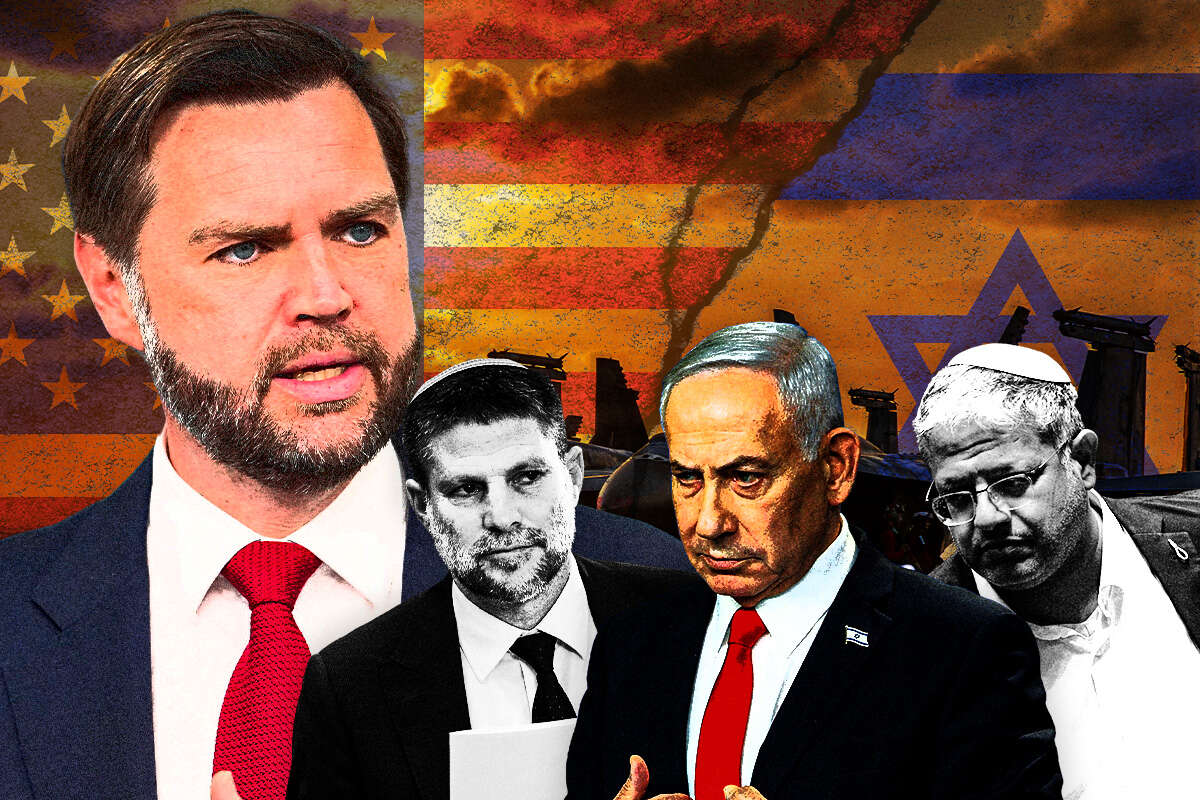
Dermer did not directly address those comments, instead focusing on Vance's contribution to Israel's security.
"He's definitely one of the smartest people that I had met in the Senate," Dermer said, recalling a roughly two-hour lunch with Vance in Jerusalem when Vance was running for the Senate in Ohio. "He asked me a lot of questions about why this serves US interests all the time," Dermer said. "I had no problem with somebody saying, why is it in our interest?"
Throughout Vance's tenure as vice president, Dermer said, he remained focused on that question. "There's a simple answer to it, is that America's interests are served by working closely with Israel," he said.
Dermer then revealed that Vance played a "critical role" in Israel's 12-day war against Iran in June 2025, particularly on its opening day. "The Vice President of the United States, Vice President Vance, played a critical role in that 12-day war, and particularly the first day, where that element of surprise was so critical to our success," Dermer said.
"And I will be forever grateful for the role that he played at that critical moment. He kept Israel safe, and I commend you for inviting him here tonight and to hearing what he has to say."
Dermer portrayed the Trump administration as the strongest on Israel of any US administration he had worked with since becoming involved in Israel-US relations during the George W. Bush administration. "I don't think that there has been an administration that has been stronger in all the time that I've been working with them," he said.
Dermer said Israel and the United States were "very, very closely aligned" on Iran, estimating the level of agreement at "maybe 95%." On Lebanon, he put the figure at "maybe 90%."
On Gaza, he said, "We're much closer to the 100% than we are to the even to the 50%." He acknowledged, however, that Israel and the administration disagreed on Turkey and Qatar and had also had differences over Syria.
Turning to Iran, Dermer said, "I think Iran was beaten pretty badly and now they're on their way into the dustbin of history." Three years earlier, he said, Iran had possessed an advanced military nuclear capability, an advanced ballistic missile capability and a network of terrorist proxies across the region. "Iran's military nuclear capability has been destroyed," Dermer said. "They have enriched uranium, that's what's left, buried in a couple of sites within Iran and we have eyes on it and the United States has eyes on it as well."
He said Iran's advanced missile capability and missile production capacity had been set back by several years, while its network of regional proxies had been dramatically weakened. "Those octopus arms that were choking Israel, they're now T-Rex arms," he said, pointing to the damage inflicted on Hamas and Hezbollah, the fall of Bashar Assad's regime in Syria, the weakening of Shiite militias and Israel's killing of half of the Houthi leadership.
Dermer described the memorandum of understanding with Iran as a "road to nowhere. I said, listen Matt, it's a road to nowhere. It's not going anywhere," he recalled telling the moderator after the agreement was announced.
Dermer said the United States was now "squeezing Iran economically," and that the pressure, combined with new sanctions, was "putting Iran in a terribly difficult position." "I think the United States basically has to stay the course, hold firm on that policy and do two other things," he said.
First, he said, Washington should adopt "a clear policy of kinetically responding to any Iranian provocation" so Tehran understood that attacks on Gulf states, Israel or US assets in the region would trigger a forceful American response. "The US is going to respond very forcefully," Dermer added.

Second, he argued that Washington should make regime change in Iran a strategic objective. "The greatest vulnerability of Iran is that its own people hate it," he said. "And those people want to be free and they will be free."
Dermer said his recommendation to US President Donald Trump was that the United States adopt a policy "that by the time Trump leaves office, Iran is free." If Washington maintained economic pressure and worked behind the scenes with Israel and Arab allies, he said, "we actually can make sure that this Iranian regime, it's now celebrating like 47 years or so, that it doesn't reach age 50, and that the Iranian people are free." After the regime's fall, Dermer predicted, "Iran and Israel will be friends, will be allies."
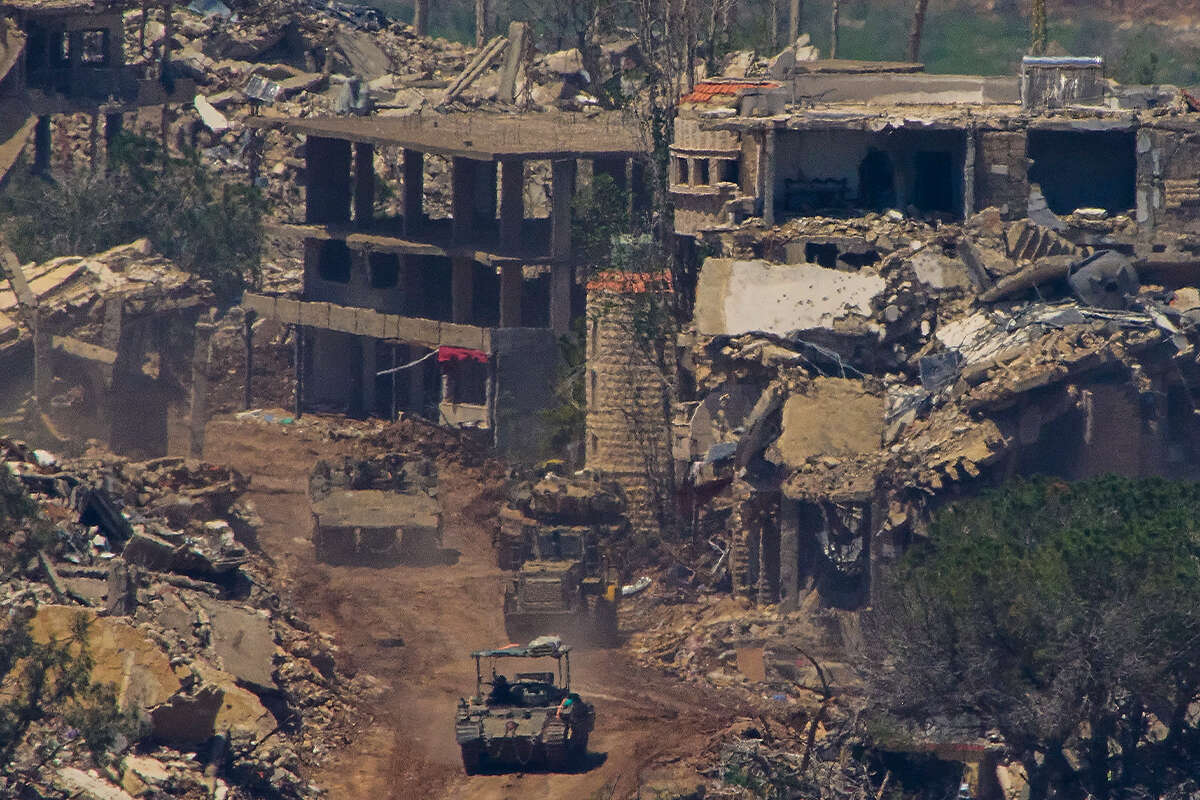
On Gaza, Dermer said three of Israel's four original war objectives had largely been achieved. Hamas' military capabilities, he said, had been reduced "by about 95-97%." All Israeli hostages, living and dead, had been returned, while Gaza no longer posed anything close to the national security threat it had posed on Oct. 7, 2023.
The fourth objective, ending Hamas' rule in Gaza, had yet to be achieved. "Israel will not win the war until that is accomplished," Dermer said. "Ultimately in 10 years, 20 years, people will ask, well October 7th happened, what was the response? We have to say three words. Hamas lost Gaza. If we don't, then Israel would have not won the war."
Dermer said the plan put forward in October required the demilitarization of Gaza, the disarmament of Hamas and the end of the terrorist group's rule. "Right now Israel controls somewhere between 50 and 60 percent of the Gaza Strip. We need to finish the job," he said.
At the same time, Dermer urged supporters of Israel to give the Trump administration room to exhaust diplomatic options for demilitarizing Gaza and disarming Hamas without requiring the IDF to launch another operation. "But it's going to be the easy way or the hard way," Dermer said. "We are not going to allow Hamas to remain in Gaza. It's not going to happen."
Dermer also fiercely rejected accusations that Israel had committed genocide in Gaza. He compared the accusation to claiming that "the earth is flat" and said pro-Israel organizations should draw a clear line against those who promote it.
"If you are saying that Israel perpetrated a genocide, if you're going to go with this the earth is flat lie, you have turned yourself into an enemy of the Jews," Dermer said. "We don't want to even engage with you because you are a clear and present danger to Jews. You are actually spreading a dangerous lie, the likes of which the Jewish people has not seen since the blood libel of the Middle Ages."