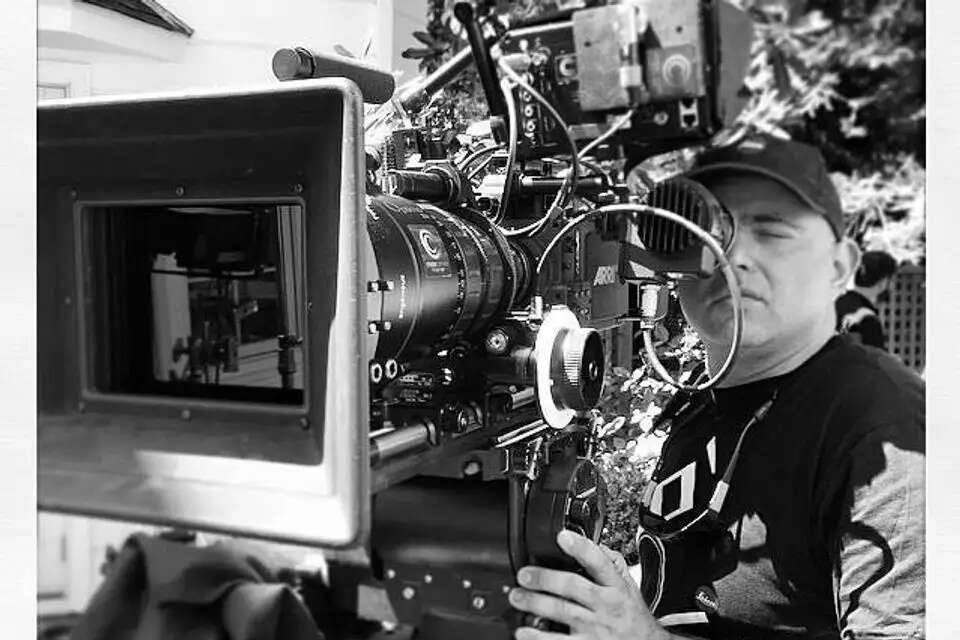
How did your journey into cinematography begin?
I began studying photography at 15, when everything was still analog. I learned the chemistry and physics of photography, exposure, composition and the fundamental principles of art. Those remain my foundations to this day, and even when shooting digitally, I still use a light meter.
I was fortunate to serve in the IDF Spokesperson's Unit film division and work with some of Israel's leading film professionals. In 1994, I shot a documentary about the peace process between Israel and Jordan. My last day in the army was the day the Israel-Jordan peace treaty was signed. I felt fortunate to have played a small part in such a historic moment, and I still hope that sense of peace will return.
How did you break into the film industry?
I always knew I wanted to become a director of photography. Thanks to the connections I built during my military service, I was able to enter the film industry. I started out as a focus puller, which gave me what I considered the best seat on set: right beside the lens, close to the actors, where you can learn from directors and cinematographers. That experience gave me a great deal of knowledge and hands-on experience and deepened my passion for filmmaking.
For years, I worked closely with David Gurfinkel, one of the most important cinematographers in Israeli cinema. We developed a fruitful working relationship, and my technical knowledge led him to trust me when selecting lenses and filters. That deepened my passion for lenses, which are one of the cinematographer's most important tools, and from there I moved into cinematography myself.
How do you begin developing the look of a film?
I always start by meeting with the director to understand the story and the vision. Then I research, watch films and look to painting for inspiration. Only then do I choose the lens, which for me is the first step in shaping the film's visual language and aesthetic. I care deeply about the way a lens renders skin tones and light because, ultimately, we are photographing people.
To me, a lens is to a cinematographer what a brush is to a painter. That approach to lenses also interested Errol Morris, one of the world's leading documentary filmmakers, for whom optics play a significant role in his work. He invited me to a meeting devoted to optics and cinematography.
What did studying at the AFI Conservatory give you?
I had been fortunate to build a successful career in Israel, but I felt that Hollywood was the next step for me. The American Film Institute Conservatory, which is regarded as the world's leading film school, was my route there. Its alumni include David Lynch (Mulholland Drive), Darren Aronofsky (Black Swan) and Patty Jenkins (Wonder Woman).
My master's studies at AFI were a gift: two years inside a filmmaking bubble in the heart of Hollywood, learning, experimenting, living and breathing cinema, and building relationships. The experience became a bridge to the next stage of my career, and to the American film industry.
One of your most prominent projects was The Corridors of Power, with director Dror Moreh, whose film The Gatekeepers was nominated for an Academy Award. The film premiered at the Telluride Film Festival. What was the main challenge?
We filmed Hillary Clinton, Madeleine Albright, Henry Kissinger, Antony Blinken, Colin Powell, Condoleezza Rice and other senior US government officials.
The interviews took place in offices and conference rooms, but Dror wanted them to feel large, dramatic and consequential. So I developed a unique green-screen system that did not previously exist, allowing us to shoot the interviewees full-length, set it up quickly in different locations and incorporate dolly movement.
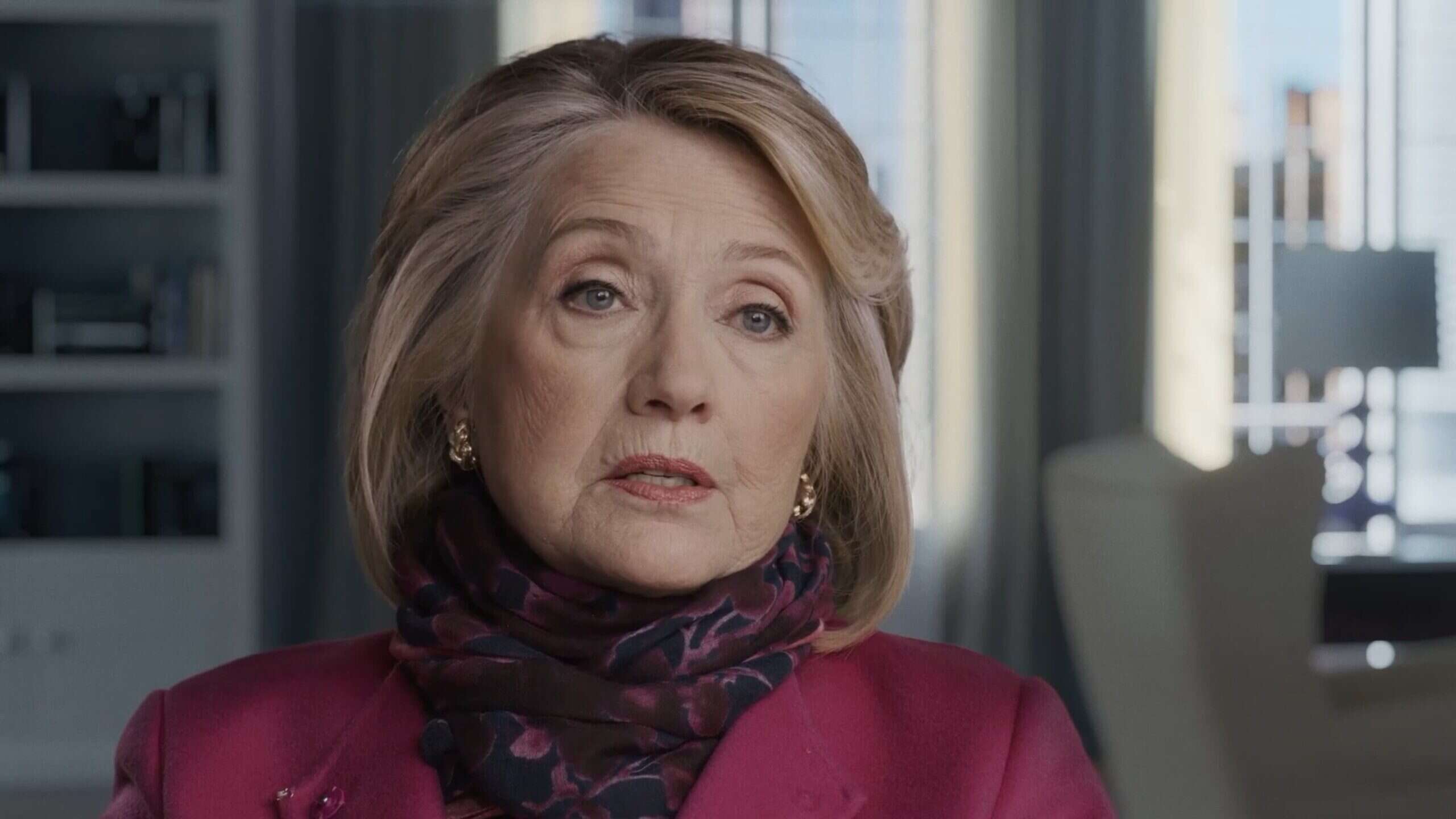
What are the challenges of working with people of that stature?
For example, Hillary Clinton's team was accustomed to flat, frontal lighting. I had prepared more contrast-heavy, dramatic lighting, and she and her team were hesitant at first. After she saw the result and liked it, Hillary approved keeping the lighting exactly as I had designed it. Having someone in her position place that kind of trust in me and give me creative freedom was a tremendous compliment.
Following the project, director Alex Gibney invited me to meet with him to discuss a possible future collaboration.
How important is preparation before a shoot?
A cinematographer's work begins long before arriving on location, and the better prepared you are, the better your chances of success. I sit down with the director to understand the concept and the story, build a shot list, test lenses and plan the lighting.
On a documentary about Dr. Dre, I had very short windows in which to document his creative process. On a Travis Scott promo, I had almost no opportunity to plan.

For a music video with Chief Keef and A$AP Rocky, by contrast, I arrived fully prepared, but when they asked to shoot something completely different, I had to rely on my instincts.
For a Proactiv commercial with Zendaya, I used a small, light-sensitive camera and a vintage lens to preserve a natural feel. With Pierce Brosnan, I shot in Malibu at sunset after studying the location and shooting conditions in advance.
What have you learned from working with stars?
On the documentary Why We Laugh: Funny Women, I wanted the images to feel dramatic and cinematic, while also making sure the women looked beautiful and felt comfortable and confident.
I filmed Kathy Griffin, Whoopi Goldberg, Joan Rivers, Lily Tomlin and others. Kathy loved the result and told the others about it. Whoopi arrived and asked, "Who's Kobi?" Joan, who initially did not want close-ups, eventually came to trust me. When stars at that level give you the freedom to influence how they are portrayed on screen, it is an enormous privilege.

On the feature film A Valentine's Date, I worked with Elisa Donovan and Tom Skerritt. I was a young director of photography, but my preparation, knowledge and passion created trust, and we became a team. On Senior Project, I worked with Margaret Cho, and on separate projects with Helen Hunt, Robert Forster and June Squibb. Even after long careers, their passion, professionalism and excitement about the process inspired me.
After more than 30 years, what still draws you to cinematography?
What still excites and drives me is the moment when the director's vision and the talent of every department come together in a single frame, and ultimately, the responsibility for capturing that frame is mine.