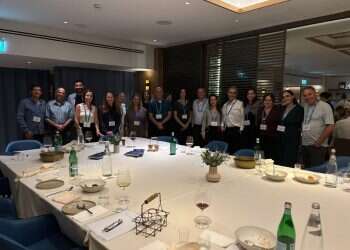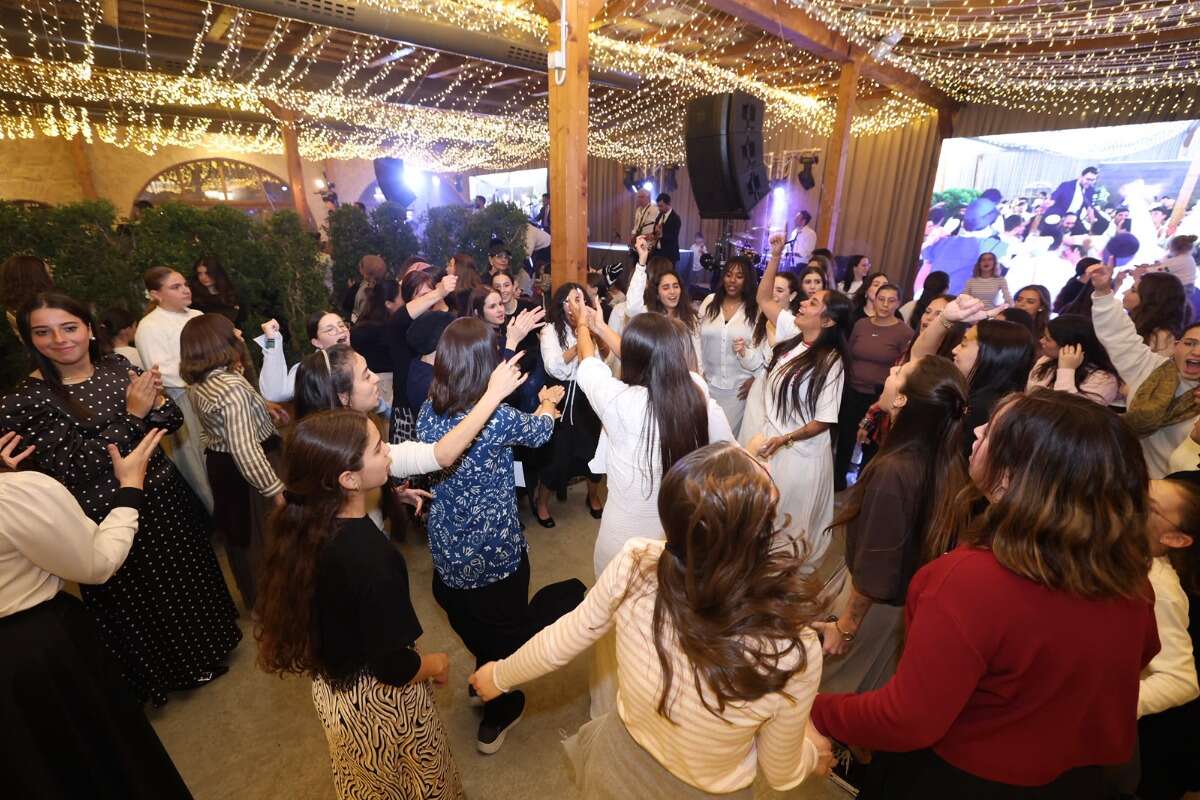
Three years after the October 7 massacre plunged Simchat Torah into darkness, about 300 Nova festival survivors, bereaved families and members of the Kesher Yehudi community gathered in Jerusalem this Simchat Torah, choosing to mark the holiday with both remembrance and celebration.
Prayer, singing, Torah study, communal meals and hakafot brought the group together over the course of the weekend, creating space to mourn loved ones murdered on October 7 while also embracing the spirit of the holiday.
For many of those attending, the gathering was also a continuation of relationships formed in the aftermath of the massacre. Through Kesher Yehudi's Torah study program, secular survivors are paired one-on-one with religious Israelis, creating opportunities to study together and build lasting friendships.
Kesher Yehudi is a social movement that aims to bridge the cultural and social divide between secular, traditional, and ultra-Orthodox (Haredi) Jews in Israel. The organization seeks to unify Israeli society through programs that connect Jews from all sectors, including Torah study sessions, Shabbat and holiday experiences, and other communal activities.
Before the weekend began, author and journalist Sivan Rahav-Meir led a dedicated session marking a year since the last remaining hostages were released and returned home, on Hoshana Rabbah 2025.
Among those attending was Nova survivor Michal Ohana, who shared her experiences following the massacre and how the program, along with the connections and friendships she has made, have helped her through the healing process.
"After October 7, I hated every second that I was alive. I carried so much guilt that I survived when my friends did not, and for a long time every day was painful."
"Kesher Yehudi first taught me to love Shabbat, but over these three years, through Shabbat, the friendships we built and everything we learned together, they helped me learn to love life, and myself, again."
The weekend opened with participants studying Sefer Devarim together on Friday night, followed by a communal siyum dedicated to those murdered on October 7.
As the holiday continued, Nova survivors and bereaved families joined Kesher Yehudi members for prayer, celebration and dancing with the Torah. The festivities carried a dual meaning: celebrating Simchat Torah while remembering those whose lives were taken on this day three years earlier.
Also present was Rabbi Elliot Mathias, the newly appointed CEO of Kesher Yehudi, who shared a few words.
"Simchat Torah was the day our enemies tried to extinguish the light and joy of the Jewish people. Three years later, those most directly impacted by that attack, Nova survivors and families who lost children, loved ones and friends, came together not only to remember, but to celebrate, to dance and to bring more light into the world."
He continued, "Secular and Haredi Israelis, and everyone in between, stood together around the Torah. That is our answer to October 7: refusing to allow tragedy to define this day, and choosing instead unity, joy and our love for one another."
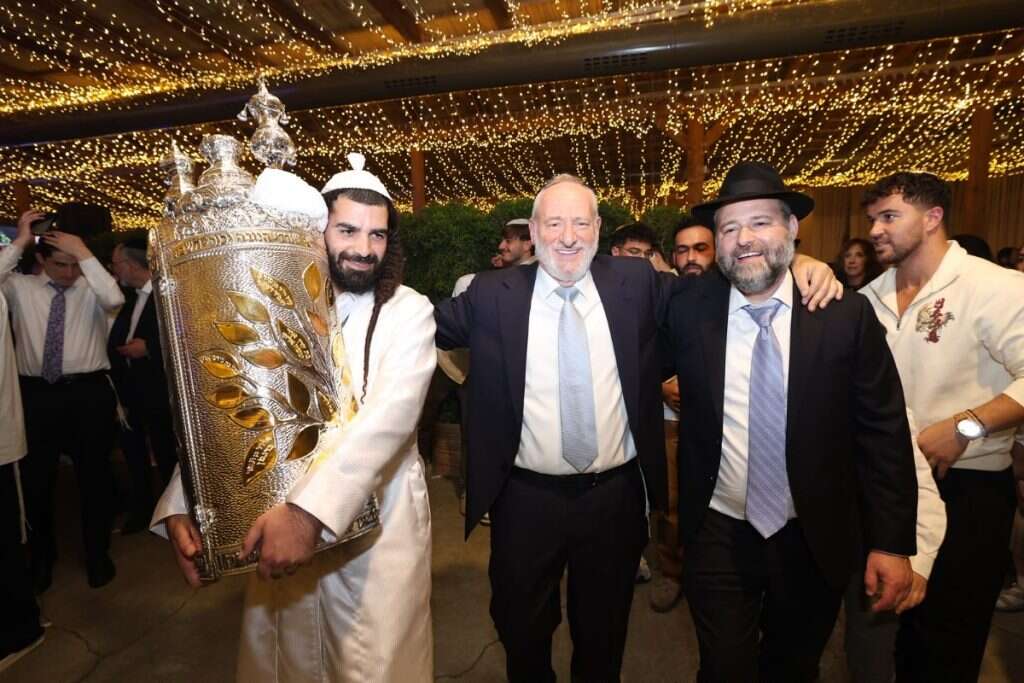
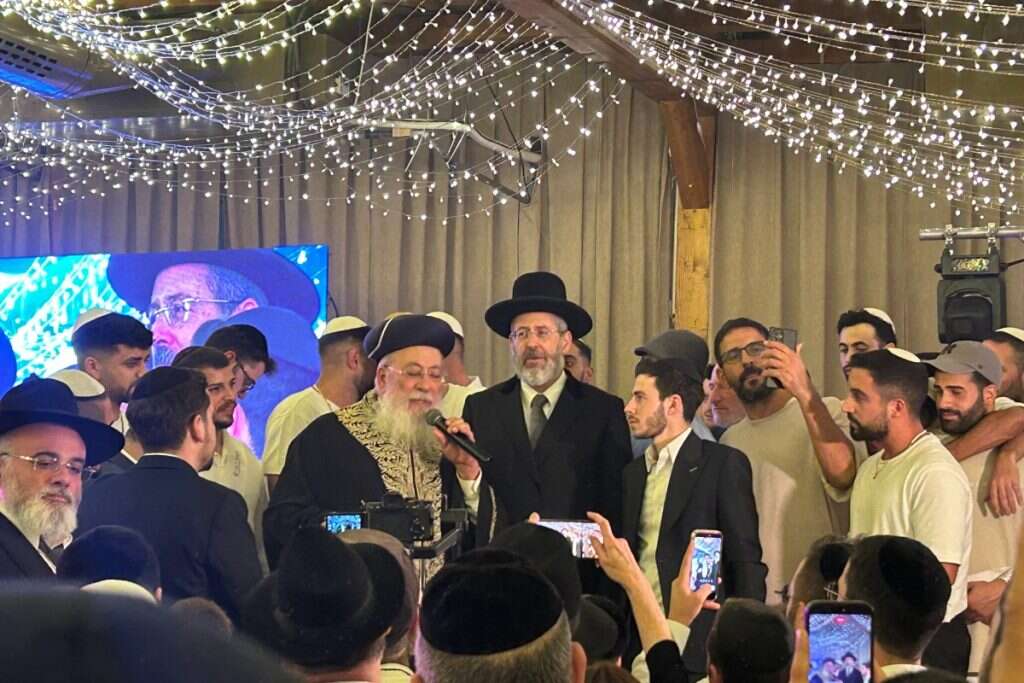
Hundreds more joined the dancing, which continued well past midnight, including former chief rabbis David Lau and Shlomo Amar. The centerpiece of Saturday night's Hakafot Shniyot however, was a new Sefer Torah dedicated to 30 Nova victims.
The Torah dedication was the culmination of a year-long commitment made by 30 friends of the victims, several of them survivors themselves. Each had committed to observing Shabbat as a tribute to one of the 30 victims, carrying out the pledge in memory of someone they had lost.
For Ohana, dancing with the new Sefer Torah on Simchat Torah carried particular significance.
"Our friends were murdered while dancing at Nova on Simchat Torah. Three years later, we were dancing again on Simchat Torah, this time holding a Sefer Torah dedicated in their memory," Ohana said. "At my first Shabbat with Kesher Yehudi, I could never have imagined that one day I would be here, keeping Shabbat and dancing with a Torah for the friends we lost."
The event and Torah dedication were funded by Shmuel Yosef Rieder and Jeff Weiskopf.