"To protect its territory holistically," in the air, at sea and beneath the waves. That is the goal Greek Defense Minister Nikos Dendias has set for the doctrine known as "Achilles' Shield," as he explained in a speech late last November.
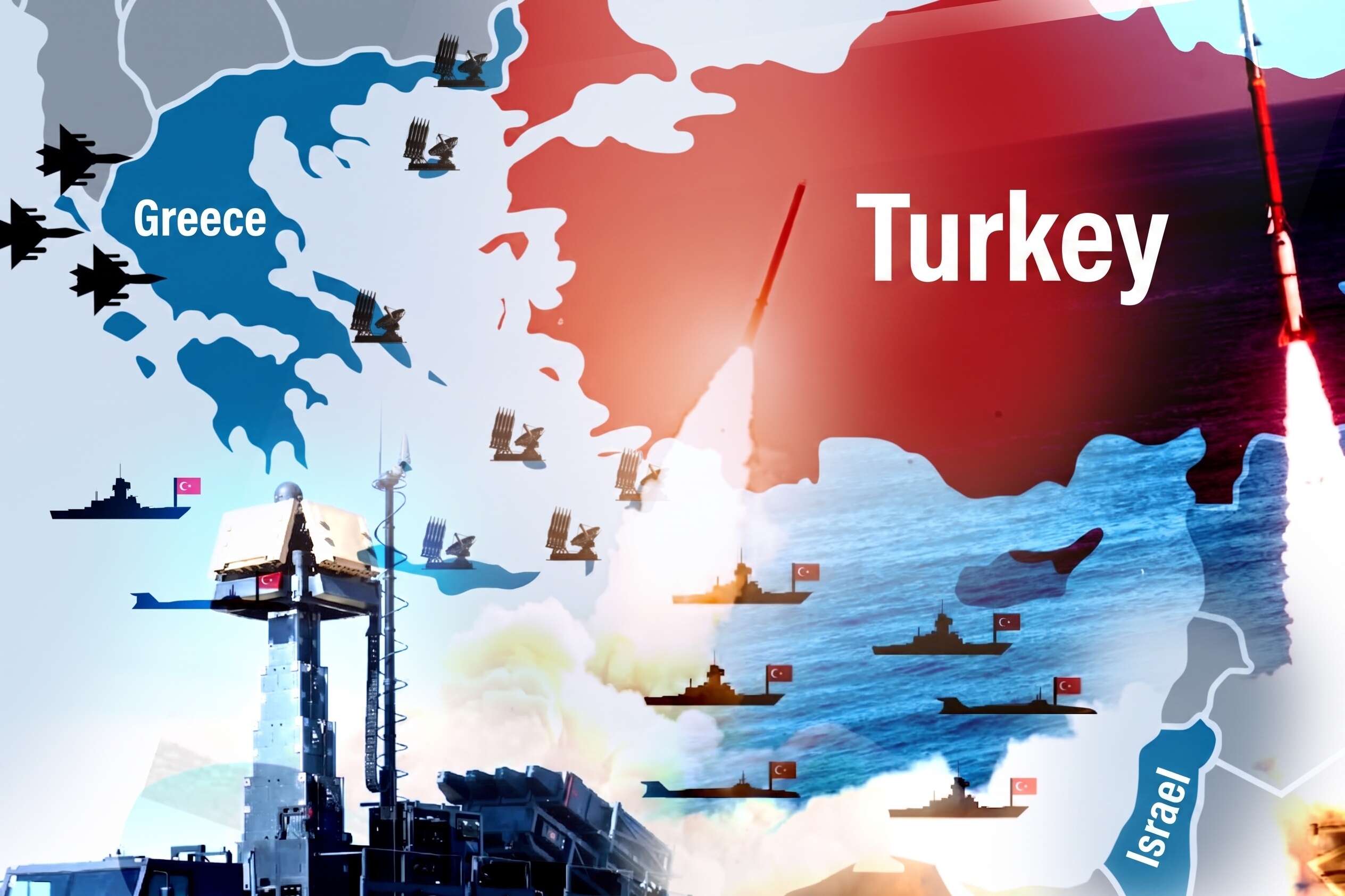
To put that doctrine into practice, Athens on Monday signed a deal worth approximately €3 billion to acquire a multilayered air defense network from Israel. But this is far more than a procurement agreement. It also includes the transfer of know-how and technology to Greek industry and, more importantly, further strengthens the alliance linking Israel, Greece and Cyprus in the face of Turkey.
The network consists of three Israeli interception systems, each responsible for a different defensive layer. The upper tier will be provided by David's Sling, designed to intercept ballistic missiles, cruise missiles and other heavy threats. The middle layer will be provided by Israel Aerospace Industries' Barak MX, the backbone of the network, which fires interceptors with ranges of 35 to 150 kilometers (22 to 93 miles) and is designed to counter fighter jets, helicopters, drones and cruise missiles.
Rapid, mobile deployment
Alongside them, Rafael's SPYDER system will give Greece the ability to rapidly deploy mobile point defenses around military bases, ports and energy infrastructure. All three will be supported by an advanced radar network and a command-and-control center responsible for managing the system as a whole.
In his November speech, Dendias explained the thinking behind Greece's response to Turkey's military buildup. It is based not only on lessons from the war in Ukraine and the growing importance of unmanned systems, but also on the lessons of the 1973 Yom Kippur War.
"There was a great battle between the Israeli Air Force, always one of the best in the world, and Egypt's anti-aircraft forces at the time," Dendias said. "The Israeli Air Force did not win. The Israelis lost many aircraft and many pilots. The way Israel managed to win the war was when General Sharon crossed the Canal and destroyed the Egyptian anti-aircraft defences on the ground."
Greece initially plans to deploy the systems in the country's northeast, on islands in the eastern Aegean and around critical infrastructure, including air and naval bases and ports. Those priorities reveal the threat against which this costly and advanced network is being built.
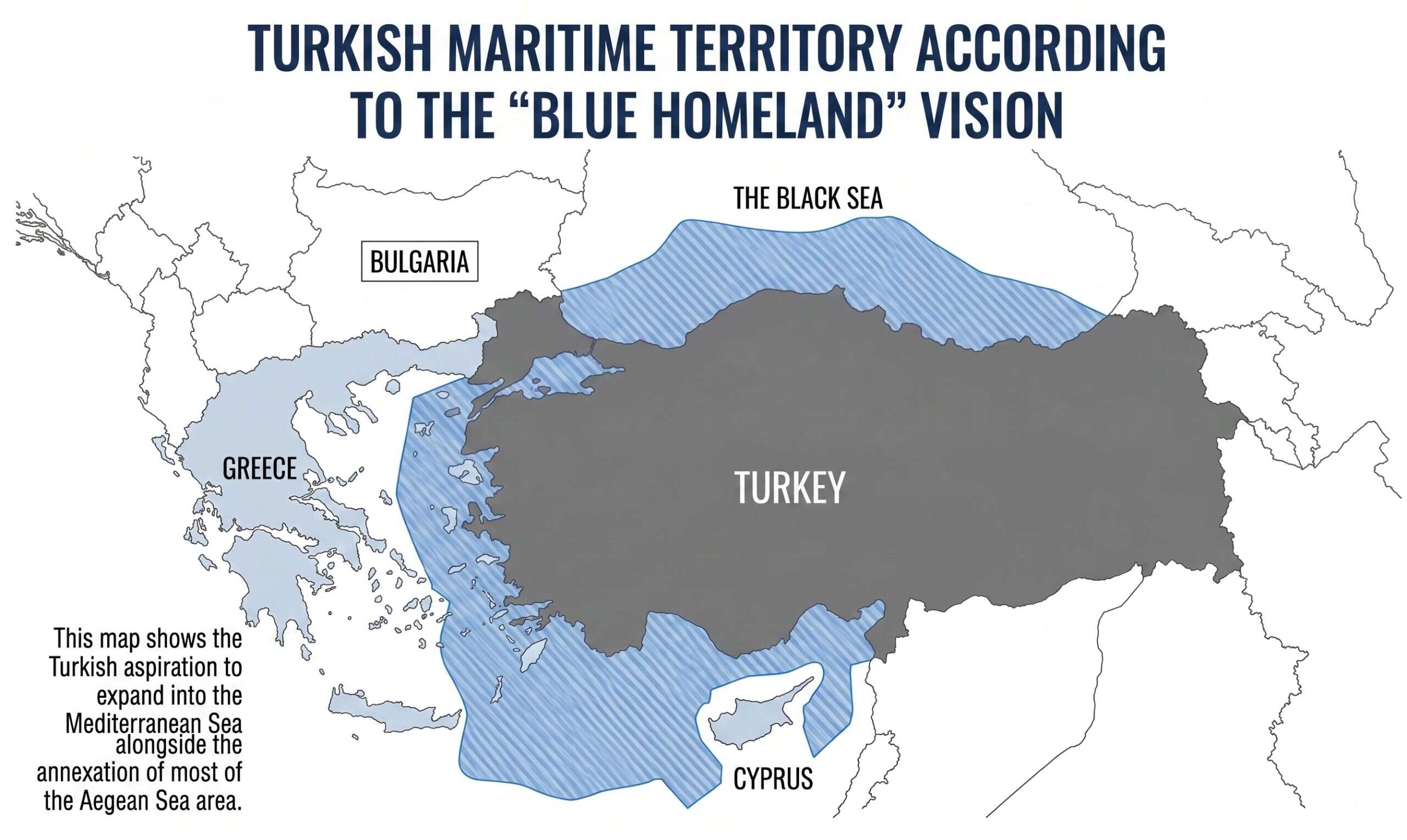
Facing Greece is Turkish President Recep Tayyip Erdogan's "Blue Homeland" doctrine, which views large areas of the Eastern Mediterranean as belonging within Turkey's sphere of influence, economically and politically, at the expense of Greece and Cyprus.
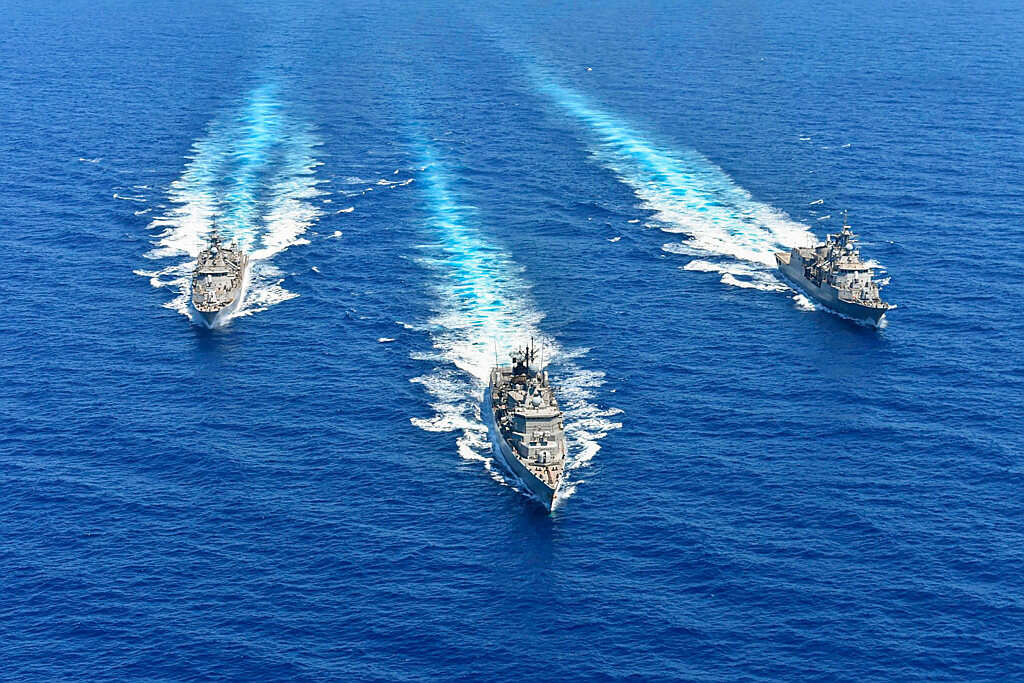
To advance that vision, Turkey is building a vast fleet. Erdogan said more than 50 warships are currently under construction simultaneously at Turkish shipyards. More than 15 are intended for foreign customers. Turkish-built vessels have been supplied to Pakistan, Malaysia, Ukraine and Qatar, and, for the first time, to Romania, a member of both NATO and the European Union.
Massive procurement drive
Greece's military buildup does not stop with its defensive systems. In April, Athens signed an agreement worth approximately €650 million with Israeli defense company Elbit Systems for PULS rocket artillery systems. At the same time, Greece is acquiring F-35 fighter jets, loitering munitions and new frigates from France, the first of which it has already received.
The same Greek condition runs through each of these deals: Domestic industry must participate in production, and the know-how must reach Greek hands. The same applies to Achilles' Shield. More than a quarter of the project is earmarked for Greek companies, while Athens has also insisted on access to the source code for the command-and-control system, allowing the Greek military to develop the network itself rather than remain dependent on a foreign supplier.
In a statement issued ahead of the signing, Dendias described Achilles' Shield as a crucial part of the overhaul of Greece's armed forces and a necessary response to the geopolitical and technological challenges of the era.
"With the deployment of Achilles' Shield, the new ships of the Fleet and the 4.5 and 5th generation aircraft will not be limited to the narrow defence of the Aegean," Dendias said. "They will be able to assume a broader deterrent role."
It was an unmistakable message to the rising power on the Bosporus.