Just over a week before Rosh Hashanah and the High Holidays, federal data showcase the threat shaping security preparations at synagogues across the US. According to FBI figures for 2025 released last month, 1,528 anti-Jewish hate crime incidents were recorded, accounting for nearly two-thirds of all religion-based hate crimes nationwide.
While that marked a decline from 1,938 incidents in 2024, 2025 was still the third-highest year on record. Jews, who make up about 2% of the US population, remained by far the most frequently targeted religious group.
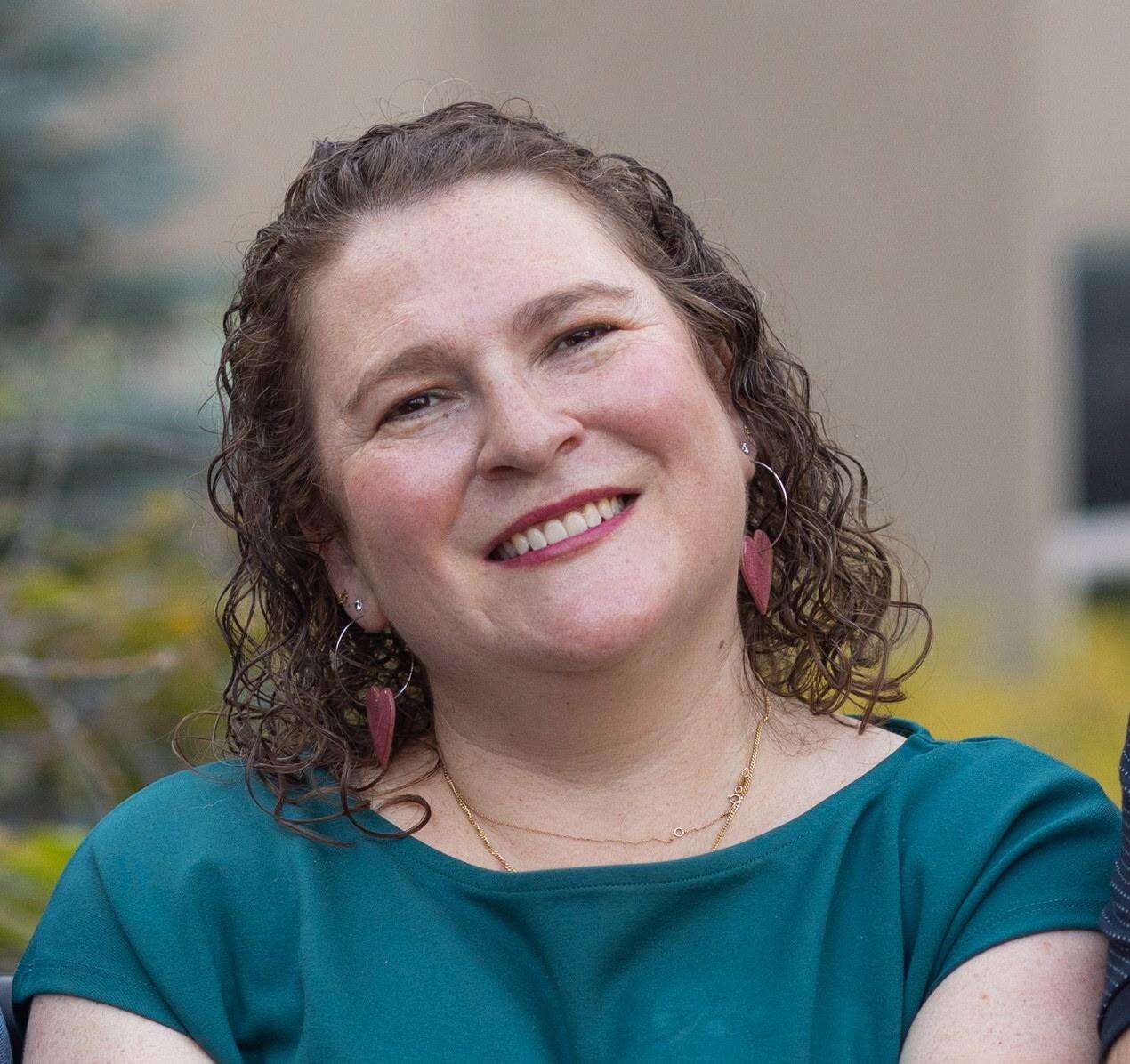
To understand how those nationwide statistics translate into daily life, Israel Hayom spoke with Rabbi Eve Posen, senior rabbi of Congregation Neveh Shalom in Portland, Oregon. At the egalitarian Conservative congregation, one of Oregon's largest and oldest and home to about 850 families, the figures translate into security posts, drills, cameras and steadily rising budgets.
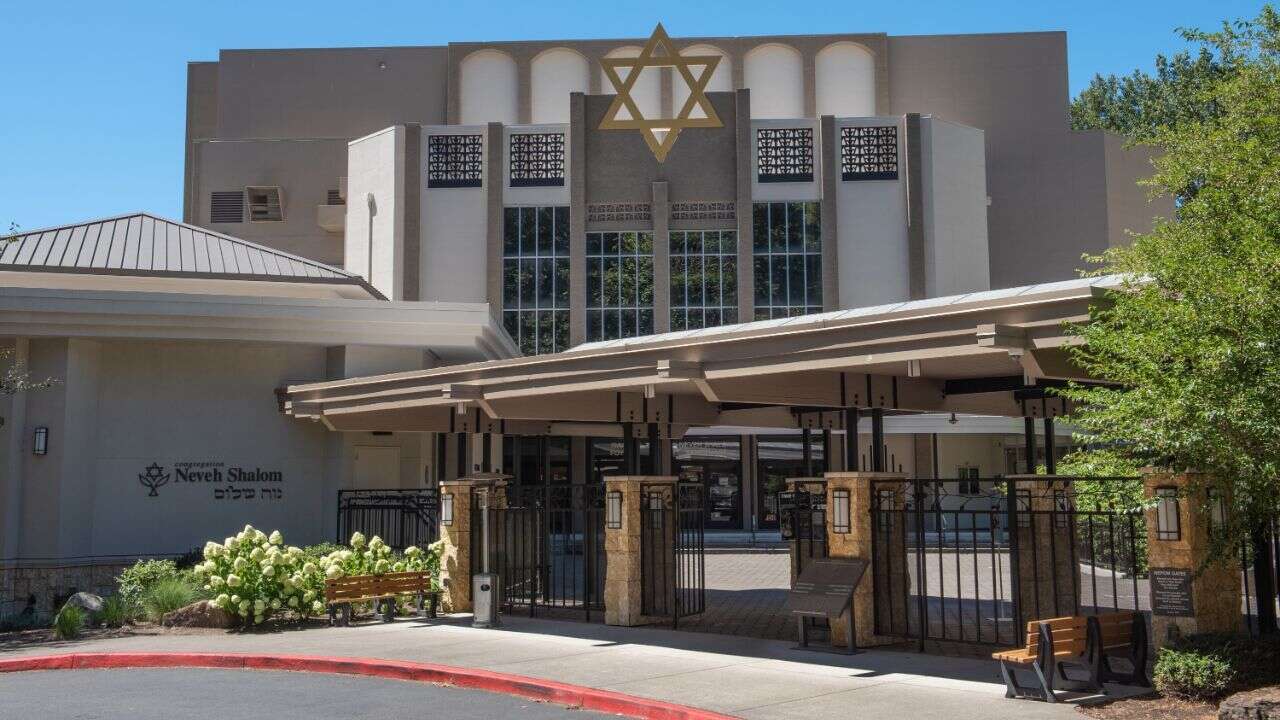
"Every year, we assess the global state of Jewish security and make decisions accordingly," Posen told Israel Hayom. "This year, we've focused especially on making sure we have systems in place to protect the community in ways we haven't had before. It's a different kind of layered approach."
The change, she said, goes far beyond adding more guards. "We're thinking strategically about where to position security personnel, but also about where the first-aid kits are, what we would need in different scenarios and how we can both lock doors and still allow people to get out. In the past, our focus was primarily on how to keep people from getting in and how to protect the perimeter. Now we understand that we also have to ask how we respond if something happens once we're all already inside the building."
Not 'if,' but 'when'
This year, Posen said, the synagogue's clergy and leadership also took part in emergency drills themselves. "Unlike in previous years, we actually stood inside our prayer spaces, presented a scenario and asked what we would do if it happened here. For many of us who are in the synagogue every day, the way we think is no longer, 'Will something happen?' but, 'When will it happen?' The way to deal with that is to be as prepared as possible."
Neveh Shalom also maintains direct contact with the Portland Police Bureau. "The police have the cellphone numbers of our community leadership, and we have theirs," Posen said. "They know when we're expecting larger crowds and when the risk level is higher, and at those times we expect additional patrols. Sometimes officers simply stop by to make sure everything is OK and to familiarize themselves with our regular activities."
Posen acknowledged that heightened security also changes what it feels like to enter a synagogue. "That's the million-dollar question. On the one hand, we want everyone to feel safe inside the building, but that can come at the expense of feeling welcomed. Nobody wants to arrive at a place of worship, have their bag searched, go through layers of security and see armed people at the entrance. On the other hand, people also won't come if they don't feel they can be protected."
To soften that experience, she explained, synagogue staff and board members stand alongside security guards at the entrances, "so there are always smiling faces and a warm welcome waiting for people."
The financial burden is also substantial. The Jewish Federation of Greater Portland reported last year that the local Jewish community was spending about $1.3 million of its own money annually on security, in addition to federal assistance. According to Posen, "That number is still accurate, and if anything, it's gone up."
Her synagogue alone spends about $200,000 a year. "The amount has increased every year since the 2018 Tree of Life synagogue shooting," she said, referring to the Pittsburgh terrorist attack in which 11 worshippers were murdered. "That's money that comes at the expense of other programs, education or other ways of caring for the community. We have to set aside at least $200,000 just for security."
The congregation now charges each family a dedicated security fee, though it does not cover the full cost. Federal grants help pay for lighting, cameras, alarm systems, secured entrances and internal communications equipment, but Posen said, "Not a single dollar of that money goes toward personnel."
The effect is no longer merely financial. "There are people who come throughout the year but don't come for the High Holidays because they feel the synagogue becomes too big a target then," she said. "There are families who come without their children. There was a time when the synagogue was a place where children could wander around without their parents having to be next to them every moment. A lot of families no longer feel it's the same safe space." Some members of the community, she added, have stopped wearing Star of David necklaces or remove them before entering certain places for fear of confrontation.

'A domestic terrorism crisis'
The situation in Portland reflects a nationwide reality, according to Eric Fingerhut, president and CEO of Jewish Federations of North America. "This is absolutely the highest level of risk we've seen, certainly in recent years," Fingerhut said. He stressed that authorities were not aware of a specific, planned threat targeting the High Holidays, but said, "The general threat level is very high, so everyone needs to be on high alert."
The latest official estimate from Jewish Federations put security spending by the US Jewish community at more than $765 million a year. An updated analysis is still being finalized, but Fingerhut said the figure could exceed $1 billion annually. "The precise number isn't the point," he said. "There is no other religious or ethnic group in America that requires this kind of security simply to gather, practice its faith and live as a community. Today, we can't even consider holding a gathering, large or small, without security. What that means is that the country is suffering from a domestic terrorism crisis directed at the Jewish community. It cannot be solely the responsibility of the Jewish community to protect itself."
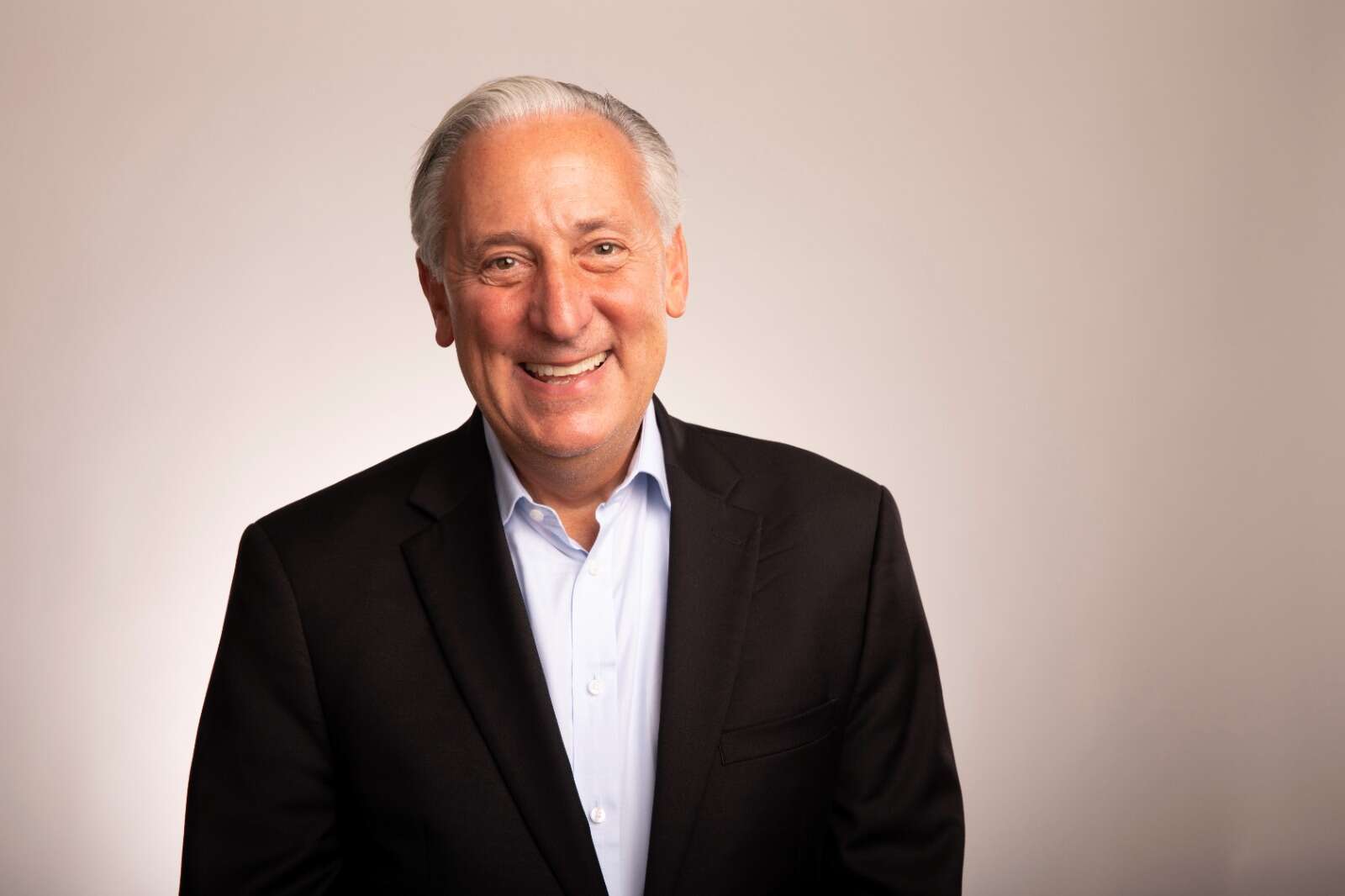
Fingerhut is calling on Congress to provide $1 billion annually for the federal Nonprofit Security Grant Program and to expand the permitted use of the funds to include security personnel, the costliest component of protection.
Still, he rejects the concern that visible security inevitably turns synagogues into fortresses. "When people see that the community takes physical security seriously, they feel safer coming. And the more the security personnel get to know the families, the children and the community's routine, the less intrusive and more welcoming the security becomes."
For Israelis, accustomed for years to seeing guards at the entrances to synagogues, shopping malls and public institutions, Fingerhut had a candid message. "Unfortunately, that reality has now come to North America as well. For years, the Jewish community here had the privilege of feeling safe and of not being affected in the same way. Today, that is no longer the case."