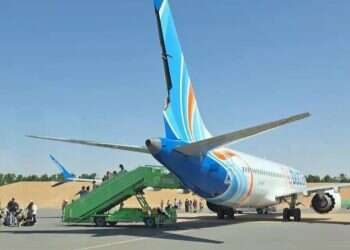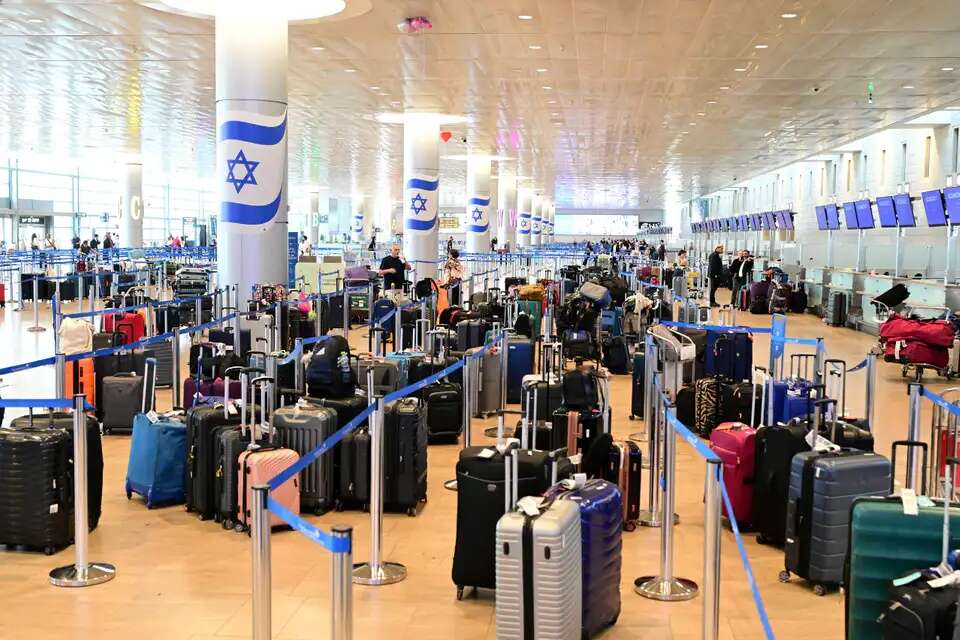
Ahead of the High Holidays, Israel's National Security Council (NSC) released its latest assessment of terrorist threats facing Israelis abroad. The NSC stressed that the assessment reflects updated trends in terrorist activity worldwide and their impact on the level of threat to Israelis overseas, and does not constitute a new set of travel warnings.
The NSC warned that the Swords of Iron War and the continuing confrontations with Iran, Hezbollah, Hamas and other terrorist elements have heightened the risks faced by Israelis around the world. Alongside growing efforts by Iran, Hezbollah, Palestinian terrorist organizations and global jihadi groups to carry out attacks, the council has identified an intensification of anti-Israel rhetoric and incitement campaigns that it says are increasing the motivation to attack Israeli and Jewish targets.
The NSC said one particularly significant date in the coming period would be the third anniversary of the Oct. 7, 2023 massacre. According to the assessment, the anniversary could become a focal point for protests and demonstrations, some of which could turn violent, as well as intensified efforts to carry out terrorist attacks.
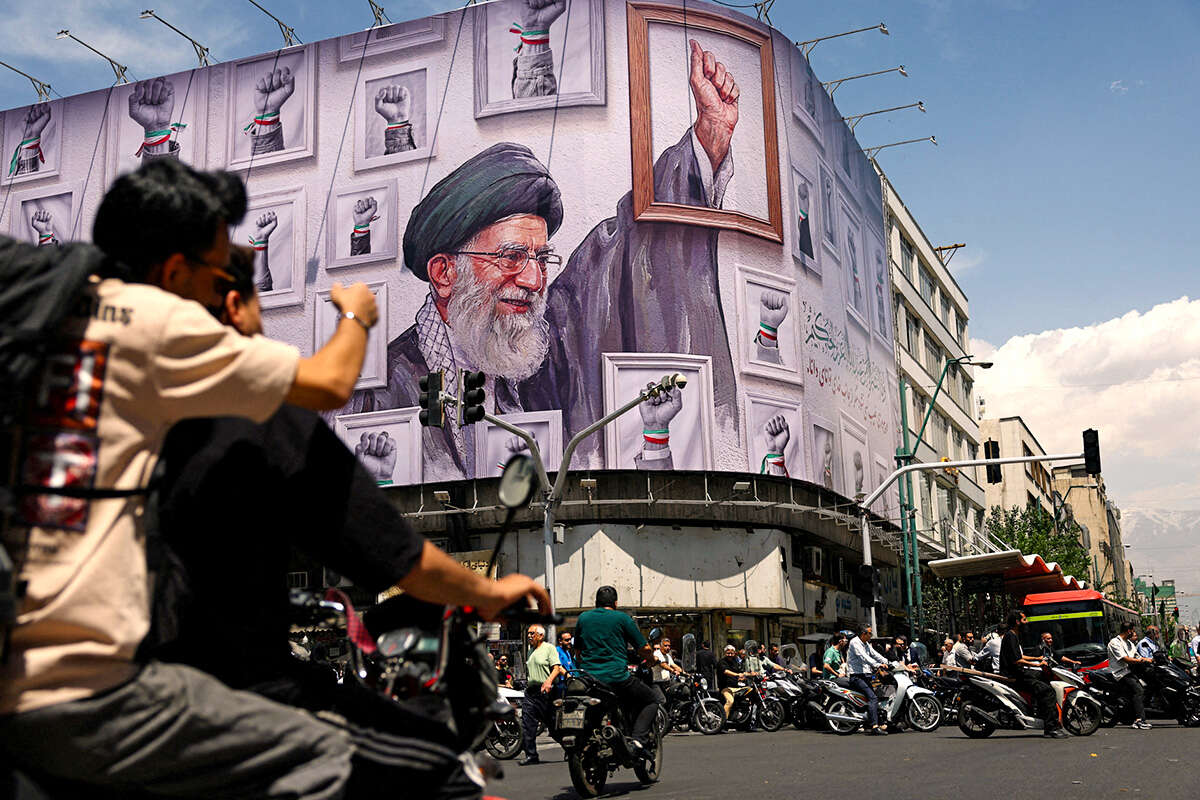
Iran and its proxies remain the principal drivers of global terrorism against Israelis and Jews worldwide, according to the NSC. The assessment said Iran's leadership was motivated in part by a desire for revenge over the blows it has suffered in recent years and was advancing operations through terrorist networks and various proxies, including criminal organizations.
According to the NSC, Iranian activity is focused, among other targets, on Israeli diplomatic missions, senior Israeli officials, security personnel, Jewish community institutions and even individual Israelis. Hezbollah also poses a significant potential threat, in part because of the heavy blows it suffered in the war with Israel and its desire to avenge the deaths of senior members of the terrorist organization.
Hamas, according to the assessment, is also continuing its efforts to establish terrorist infrastructure in Europe and other countries with the aim of carrying out revenge and high-profile attacks against Jews and Israelis. At the same time, the organization continues working to rebuild its strength in the Gaza Strip and promote terrorist attacks in Judea and Samaria and inside Israel.
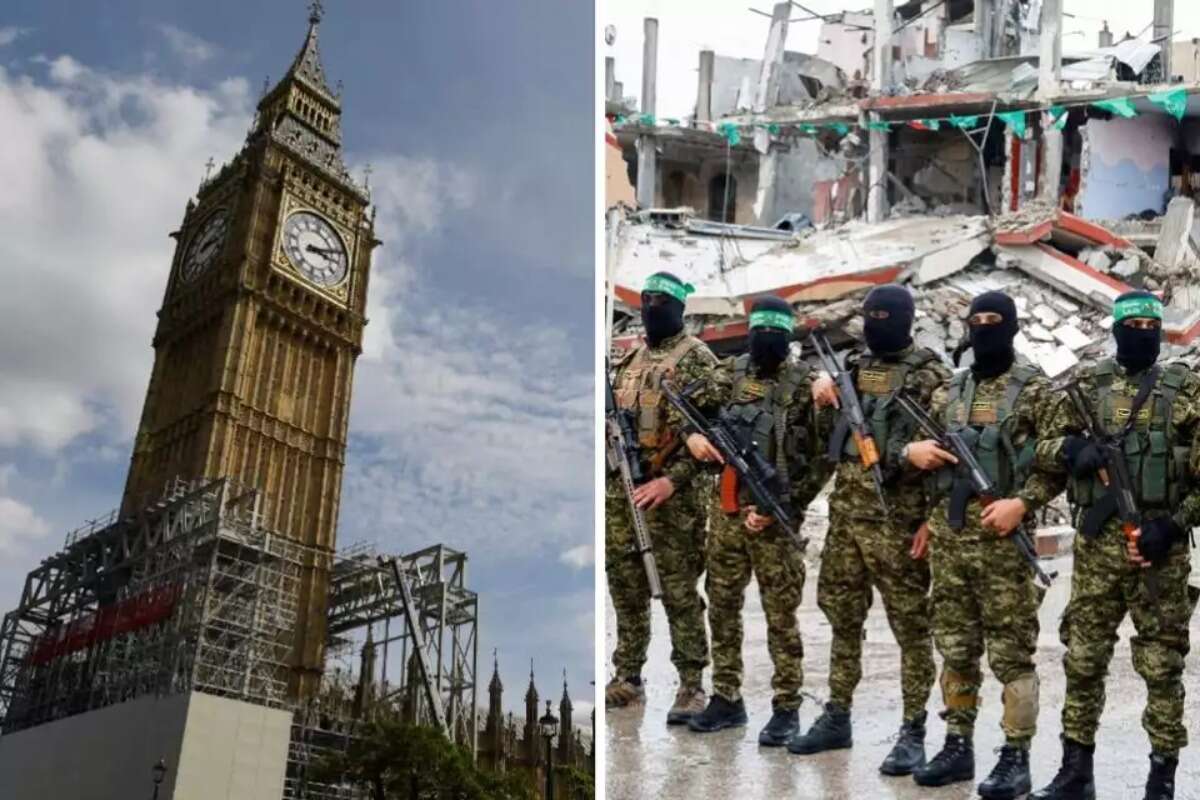
The NSC also warned of activity by global jihadi organizations, including Islamic State and al-Qaida, which continue issuing calls to attack Jews. The threat is particularly pronounced in Africa and Asia, but there is also a desire to carry out attacks in European capitals and in the US, including through lone attackers or locally organized initiatives. The Houthis have likewise called for attacks on Israel and on Israelis traveling to Somaliland and elsewhere in Africa.
The NSC also noted a significant increase in lone-actor terrorist attacks against Israeli and Jewish targets worldwide. According to figures released by the council, 25 Israelis and Jews have been killed in terrorist attacks abroad since the outbreak of the Swords of Iron War. The NSC described lone-actor terrorism as a decentralized and unpredictable threat fueled by ideological radicalization and anti-Israel discourse online. Such attackers generally focus on accessible "soft" targets, including mass events, gathering places, community centers and houses of worship.
Countries under Level 4 travel warnings
As part of its threat assessment, the NSC identified Azerbaijan, Turkey and the United Arab Emirates as countries exposed to terrorist activity by Iranian networks, partly because of their geographic proximity to Iran. Jordan, Qatar, Somaliland and Egypt, including the Sinai Peninsula, are under Level 4 travel warnings, and the NSC is urging Israelis to avoid travel to them altogether.
The council recommends that Israelis avoid layovers in Level 4 countries whenever possible and notes that travelers are prohibited from leaving airport terminals in those destinations. It also reiterated that Israelis are prohibited by law from traveling to Iraq, including the Kurdistan Region, as well as Yemen, Iran, Syria and Lebanon because of the concrete threat to their lives.
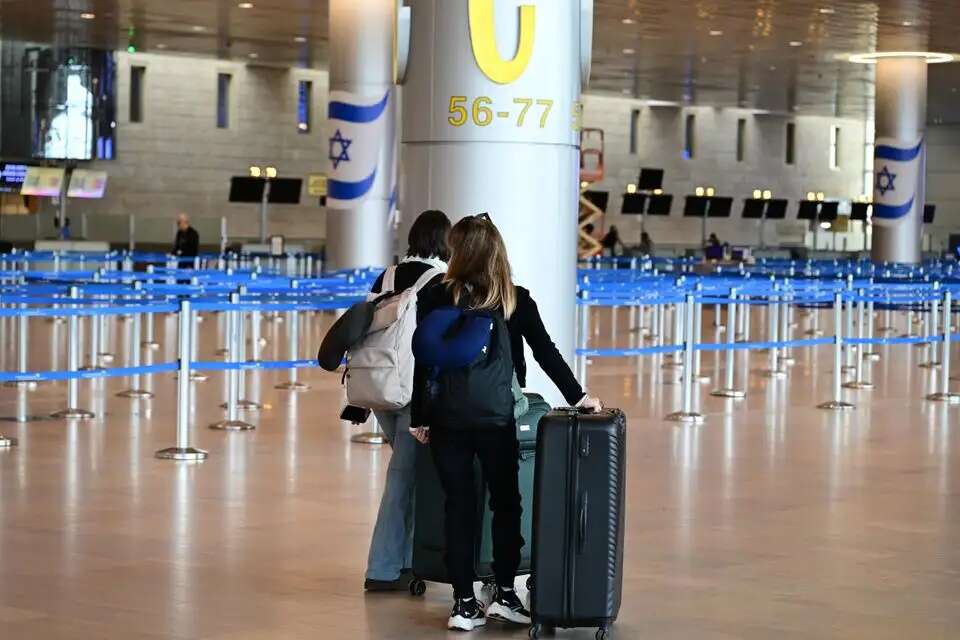
The NSC also listed countries where the risk is high or Israeli travel is restricted, including Saudi Arabia, Bangladesh, Somalia, Pakistan, Afghanistan, Libya and Algeria, and urged Israelis not to enter them.
Alongside the warnings, the council issued a series of recommendations for Israelis traveling abroad. Among other precautions, it advised Israelis to avoid conspicuously displaying Israeli or Jewish symbols, such as wearing a kippah or shirts with Hebrew writing. In countries under a Level 3 travel warning, it also recommended limiting the use of Hebrew in crowded public places.
The NSC further advised travelers not to post their locations on social media in real time and to conceal or remove online content indicating service in the Israeli security forces. Israelis were also urged to remain alert to unusual activity near Chabad houses, kosher restaurants and synagogues, stay away from demonstrations and protests, and avoid political discussions with strangers.
If travelers suspect they have been exposed to a threat or have been attacked, the NSC recommends contacting local security forces first and without delay, and only afterward notifying Israeli assistance centers. It also recommends that Israelis traveling abroad keep the local emergency numbers for police and other security services readily available.