Sunday Sep 6, 2026
NEWSLETTER
www.israelhayom.com
  • Home
  • News
    • Israel
    • Israel at War
    • Middle East
    • United States
  • Opinions
  • Jewish World
    • Archaeology
    • Antisemitism
  • Lifestyle
    • Food
    • Travel
    • Fashion
    • Culture
  • Magazine
    • Feature
    • Analysis
    • Explainer
  • In Memoriam
www.israelhayom.com
  • Home
  • News
    • Israel
    • Israel at War
    • Middle East
    • United States
  • Opinions
  • Jewish World
    • Archaeology
    • Antisemitism
  • Lifestyle
    • Food
    • Travel
    • Fashion
    • Culture
  • Magazine
    • Feature
    • Analysis
    • Explainer
  • In Memoriam
www.israelhayom.com
Home News Middle East Iran & The Gulf

Secret Navy SEAL operation in Strait of Hormuz revealed

The Financial Times reports Navy SEAL divers spent four months conducting a covert mine-clearing operation in the Strait of Hormuz, mostly under cover of darkness. Mission involved rubber boats, robotic vessels and underwater systems, while US Navy minesweepers remained outside the area. While shipowners believe the southern shipping route has been cleared, they doubt the entire strait is mine-free. 

by  ILH Staff
Published on  09-06-2026 18:05
Last modified: 09-06-2026 18:06
Secret Navy SEAL operation in Strait of Hormuz revealed

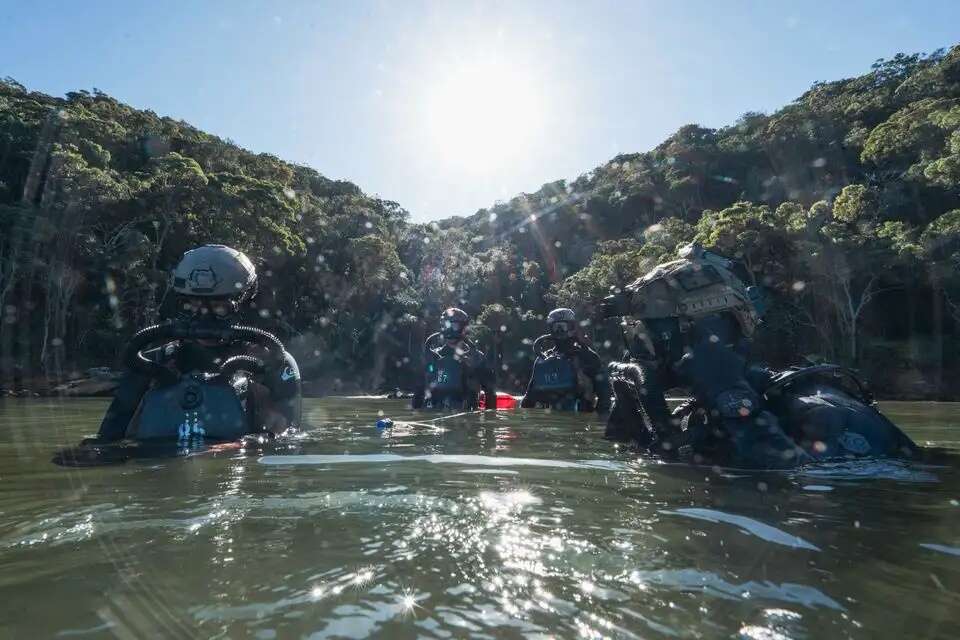
Navy SEALs during a training exercise. Photo: US Navy

Share on FacebookShare on Twitter

The US Navy has conducted a covert operation in the Strait of Hormuz in recent months, led by elite Navy SEALs, to clear the strategic waterway of mines, the Financial Times reported, citing people familiar with the operation.

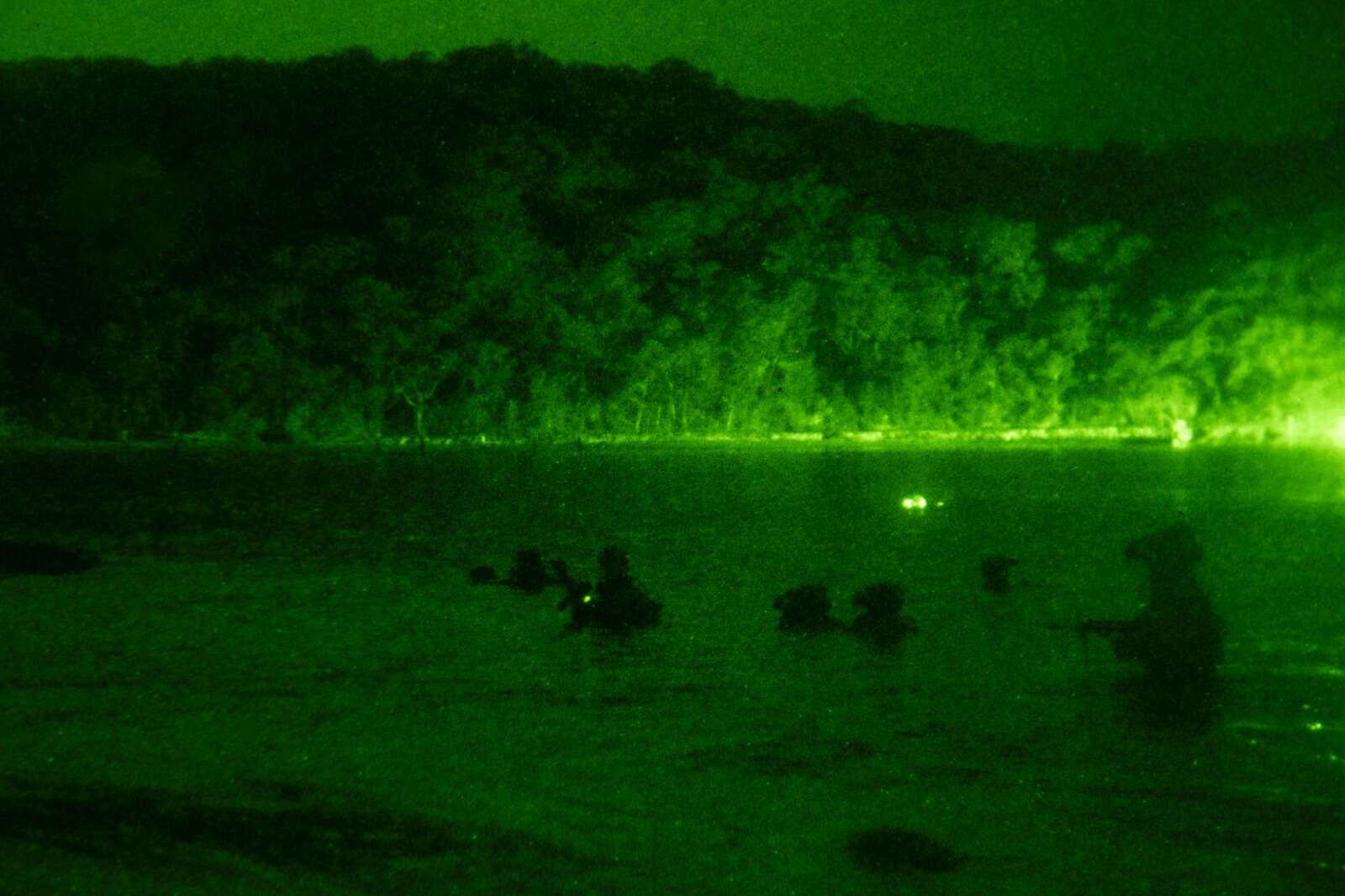
The mission lasted four months and was conducted mostly under cover of darkness. Alongside the divers, unmanned vessels and specialized underwater systems were deployed in the hazardous strait. The inherently complex and dangerous work of neutralizing the mines was carried out underwater and in darkness, with the aim of removing one of the main factors that has deterred ships from crossing the Strait of Hormuz since February.
לוחם נייבי סילס צולל , הצי האמריקני
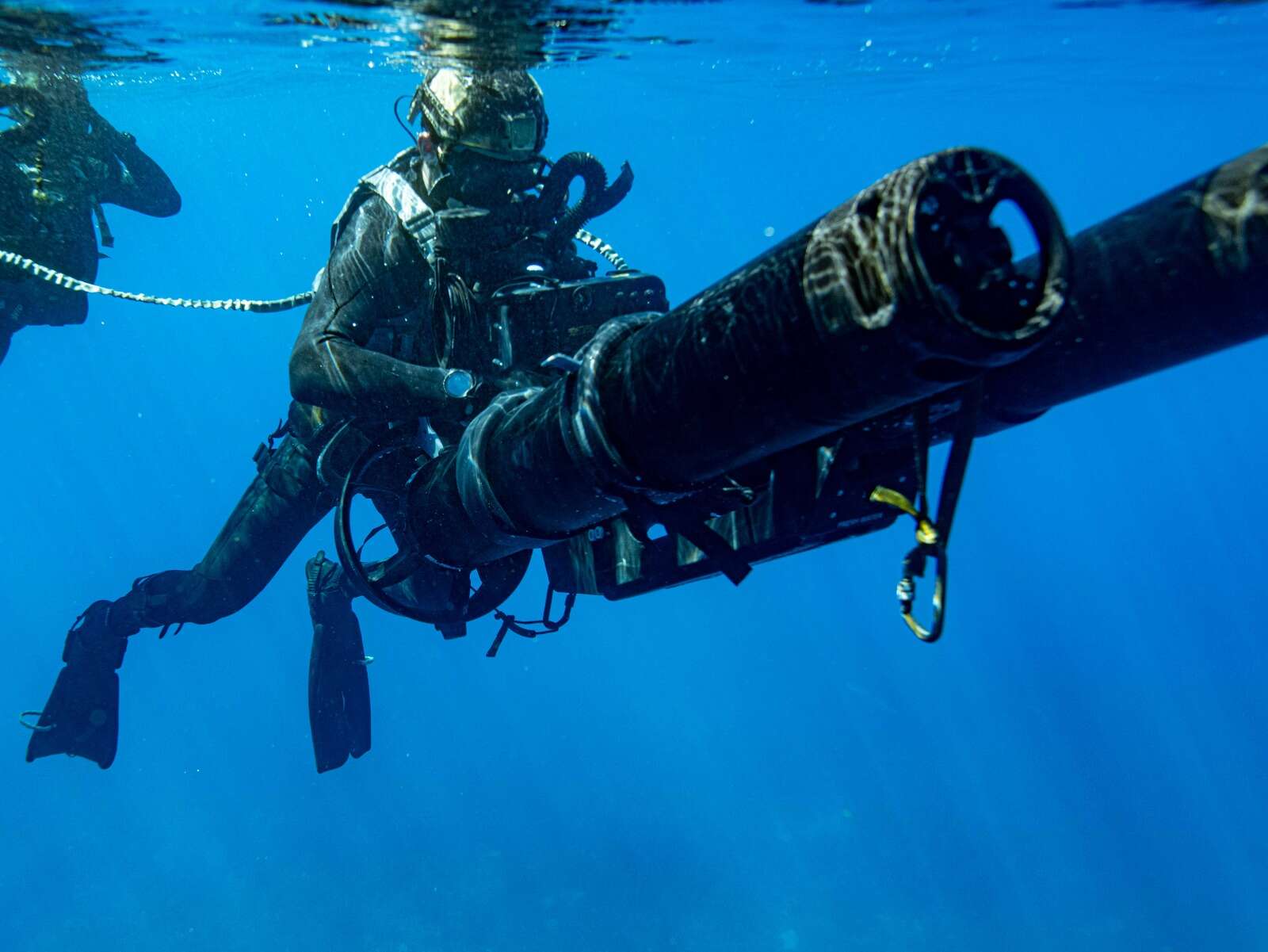
A Navy SEAL diver. Photo: US Navy

Iran claimed throughout the war that it had mined the strait, while the International Maritime Organization said in June that about 80 mines had been placed in the main shipping lanes. Late last month, US President Donald Trump said all mines in the strait's international waters had already been removed or destroyed, a claim also made by the US military.

The US Navy's three minesweepers based in the Gulf were reportedly outside the area, in the Indian and Pacific oceans, at least since early June. Even in peacetime, clearing naval mines can take months. Such operations are normally carried out by specialized vessels repeatedly sweeping shipping lanes, bringing mines to the surface and destroying them.

According to the report, the US operation involved Navy SEAL divers working in small teams from rubber boats and locating Iranian mines with robotic boats and underwater vehicles towing sonar arrays. The sonar scans the seabed at high resolution, identifies objects lying on it and allows large areas to be covered without putting crews at risk.
אימון של הנייבי סילס , הצי האמריקני
Navy SEALs during a training exercise. Photo: US Navy

The most dangerous stage comes afterward. Retired US Navy Capt. Bill Hamblet, who spent years operating in the Gulf, said a Navy diver would then have to enter the water, approach the mine, attach an explosive charge and destroy it. Hamblet described the operation as a "very small, lightweight kind of force."

He added that some of the missions may have been launched from the USS Miguel Keith, a large expeditionary mobile base that serves as a floating naval base for US forces in the Gulf. Hamblet said mines can also be destroyed using robotic underwater systems carrying explosives. Bryan Clark, a mine-warfare expert at the Hudson Institute, cited Britain's SeaFox and the US AN/ASQ-235 Archerfish among the systems capable of performing such missions.

No US casualties were reported during the mine-clearing operation, but experts stressed that the mission is inherently dangerous. "Mine-clearing forces are vulnerable because the operation is slow and their boats or helicopters lack defences," Clark said.

Shipowners and security advisers told the Financial Times that they were optimistic about the southern part of the strait, near the coast of Oman, through which the US has been directing vessels, and believed it had indeed been cleared. They nevertheless expressed doubt that the entire Strait of Hormuz was free of mines.
Tags: IranNavy SEALsStrait of HormuzUS

Related Posts

The US has no victory image, and that is bad news for Israel

Report: As US prepares for war on Iran, Trump weighs declaring it over

by ILH Staff

War Secretary Pete Hegseth quietly extends Middle East deployments, with some 50,000 troops, 19 warships and two aircraft carriers to...

Israel braces for possible Hezbollah flare-upAFP

Israel braces for possible Hezbollah flare-up

by Danny Zaken

Officials say Tehran, squeezed by a historic financial siege, may push Hezbollah to disrupt Lebanon talks and holiday celebrations, even...

US reinstates Iran oil sanctions after tanker attacks in Strait of Hormuz

US strikes Iran as Revolutionary Guards retaliate against American targets in Jordan

by Danny Zaken

US strikes Revolutionary Guards targets near Strait of Hormuz followed by Trump warning Iranian retaliation will bring a far harsher...

Menu

Analysis 

Archaeology

Blogpost

Business & Finance

Culture

Exclusive

Explainer

Environment


Features

Health

In Brief

Jewish World

Judea and Samaria

Lifestyle

Cyber & Internet

Sports


Diplomacy 

Iran & The Gulf

Gaza Strip

Politics

Shopping

Terms of use

Privacy Policy

Submissions

Contact Us

About Us

The first issue of Israel Hayom appeared on July 30, 2007. Israel Hayom was founded on the belief that the Israeli public deserves better, more balanced and more accurate journalism. Journalism that speaks, not shouts. Journalism of a different kind. And free of charge.

All rights reserved to Israel Hayom

Hosted by sPD.co.il

  • Home
  • News
    • Israel at War
    • Israel
    • United States
    • Middle East
    • Sports
  • Opinions
  • Jewish World
    • Archaeology
    • Antisemitism
  • Lifestyle
    • Food
    • Travel
    • Fashion
    • Culture
  • Magazine
    • Feature
    • Analysis
    • Explainer
    • Environment & Wildlife
    • Health & Wellness
  • In Memoriam
  • Subscribe to Newsletter
  • Submit your opinion
  • Terms and conditions

All rights reserved to Israel Hayom

Hosted by sPD.co.il

Newsletter

[contact-form-7 id=”508379″ html_id=”isrh_form_Newsletter_en” title=”newsletter_subscribe”]

  • Home
  • News
    • Israel at War
    • Israel
    • United States
    • Middle East
    • Sports
  • Opinions
  • Jewish World
    • Archaeology
    • Antisemitism
  • Lifestyle
    • Food
    • Travel
    • Fashion
    • Culture
  • Magazine
    • Feature
    • Analysis
    • Explainer
    • Environment & Wildlife
    • Health & Wellness
  • In Memoriam
  • Subscribe to Newsletter
  • Submit your opinion
  • Terms and conditions

All rights reserved to Israel Hayom

Hosted by sPD.co.il