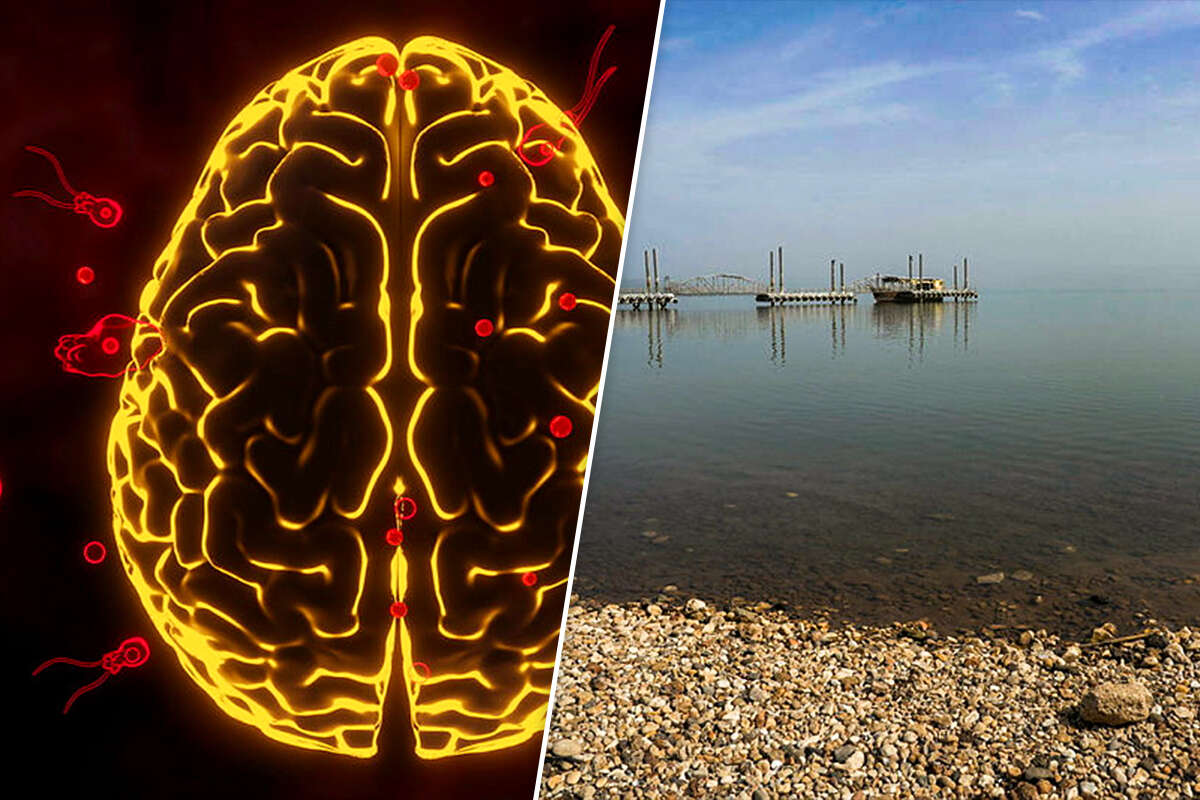
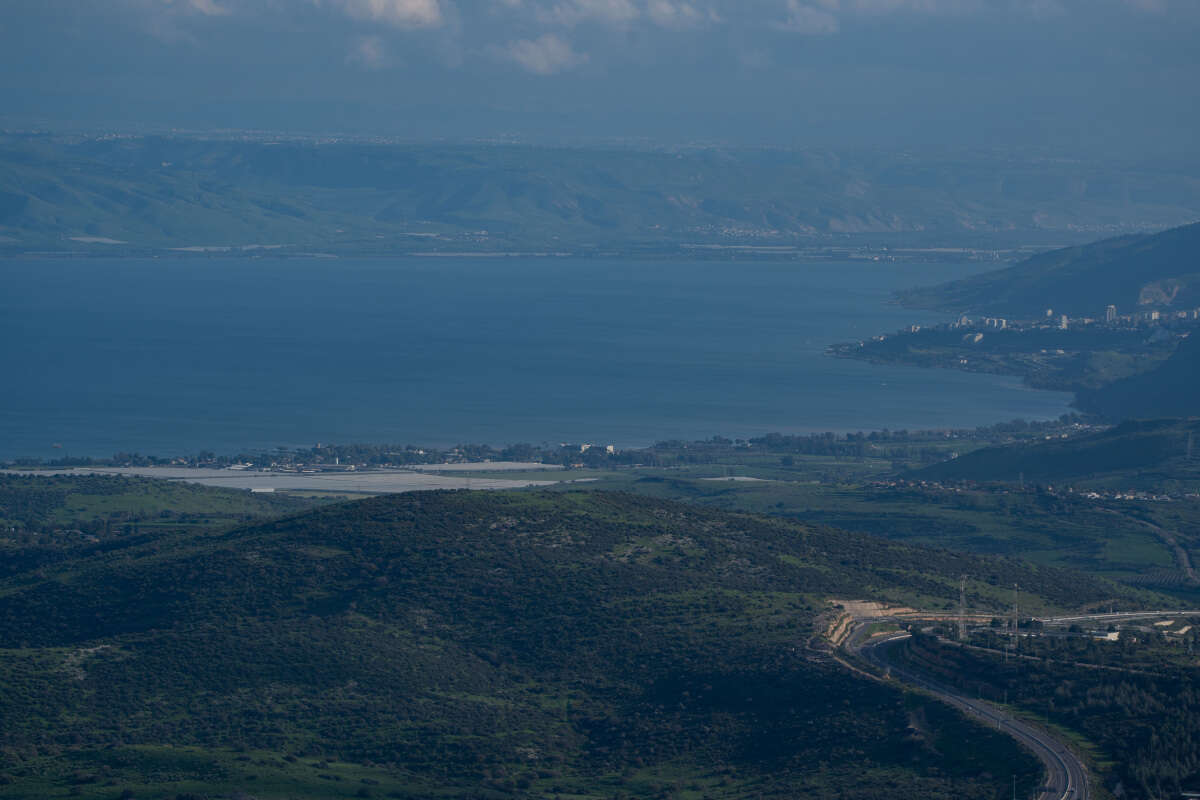
Following the hospitalization of a nine-year-old boy in serious condition at the Rambam Health Care Campus in Haifa with a severe brain infection, caused by exposure to the Naegleria fowleri amoeba while swimming, the Health Ministry on Monday updated its guidelines for public swimming in the Sea of Galilee, on its website.
Since 2022, there have been four diagnosed cases of Naegleria fowleri infection in Israel, the first being in 2022. In July 2024, two more cases emerged, and the epidemiological investigation found that both patients had been exposed to the Naegleria fowleri amoeba at the Gai Beach Water Park in the Sea of Galilee area. The fourth case is the nine-year old boy who is currently hospitalized.
Naegleria fowleri infection is a very rare but severe and life-threatening disease that progresses rapidly and has a very high mortality rate. It can be contracted by swimming in warm freshwater when water containing the amoeba enters through the nose, leading to infection. One cannot contract the disease by drinking from the freshwater and it is not contagious.
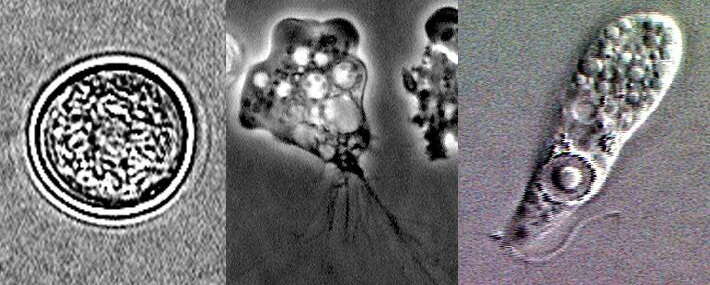
The Naegleria fowleri is a single-celled amoeba that generally lives in warm freshwater; risk of disease increases as the water temperature rises. In extremely rare cases, the amoeba can cause Primary Amebic Meningoencephalitis (PAM), a disease which involves the severe and rapidly progressing inflammation of the brain and the membranes surrounding it.
Given the severity of the disease, the Health Ministry recommends taking the following precautions when swimming in freshwater, in order to minimize the risk of infection:
- It is recommended to minimize water entering the nose as much as possible by wearing a suitable nose clip.
- Avoid jumping into the water, diving or putting your head underwater.
- Avoiding activities in which water can enter the nose.
- Avoiding swimming or digging up the bottom of shallow water.
The Health Ministry also advises placing clear and accessible signs at beaches along the Sea of Galilee, informing swimmers about the risk of disease and the recommended precautions.
According to the ministry's guidelines, it is unnecessary to seek medical advice if one experiences no symptoms after swimming in the Sea of Galilee. However, it urges seeking immediate medical care if one experiences fever, a significant headache, nausea, or vomiting develops, especially if accompanied by neck stiffness, confusion, severe drowsiness.