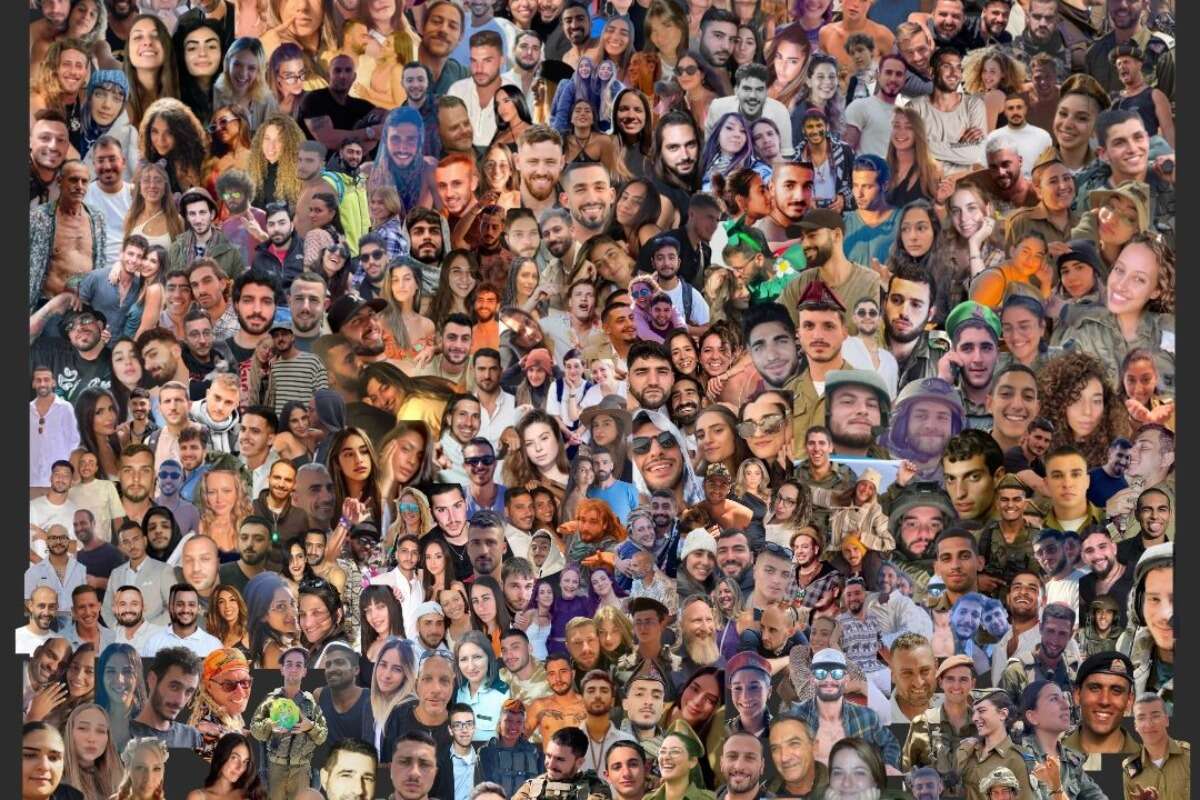
In the aftermath of October 7, clinical psychologist Lihie Gilhar founded Bring Them Light, a remembrance project dedicated to preserving the lives and stories of those who were killed. Since then, she has worked closely with families to create and share more than 334 personal tribute videos on Instagram honoring those murdered on October 7 and hostages who later died in captivity.
"Memory is an act of love. We remember with love what hate tried to erase," Gilhar wrote, describing the belief behind the project.
View this post on Instagram
"Through photographs, videos, family memories, music, and personal stories, each tribute seeks to restore the humanity behind the headlines," she added.
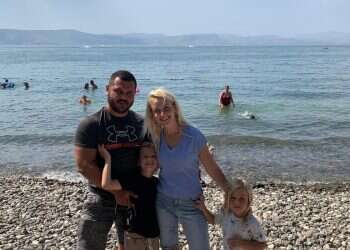
The videos offer a glimpse into details that made each person who they were: what they loved, what they dreamed of and the moments their families want the world to remember. The aim is to tell the stories of their lives, not just the circumstances in which they ended.
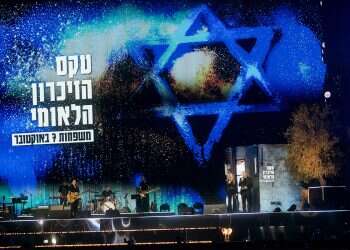
In October 2024, that same idea took shape in physical form when the Light Monument illuminated Tel Aviv's Habima Square. Its field of light gave families, friends, and communities a place to gather, grieve, and honor the individual lives behind each light.
As Bring Them Light evolved, Gilhar began to consider how remembrance might extend beyond memorials and personal tributes. "What if the next generation did not simply remember these lives, but carried them forward?," she challenged.
That question led to the founding of Carry Them Forward, a new initiative inviting schools, colleges, communities, and Jewish organizations to adopt the memory of one individual and find their own way to honor their life. The concept is simple: one school, one life, carried forward.
"The school becomes the guardian of their memory," said Gilhar.
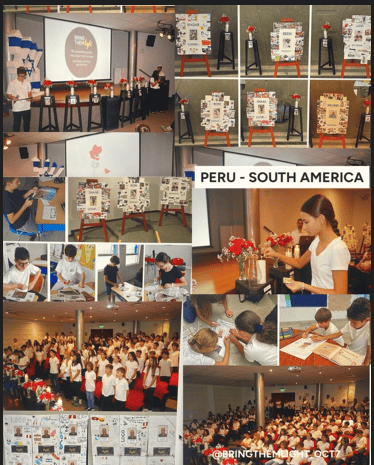
Students begin by watching a life story from the Bring Them Light archive, discovering the person beyond the headlines. They learn about who they were, what they loved, and what mattered to them. As Gilhar puts it, the aim is for each person to become "not a statistic, not a victim, but a human being whose life mattered."
From there, students decide how they want to honor the person. It might be through artwork, a kindness initiative, volunteering, community service, or another project inspired by their life. Rather than simply learning about the horrific tragedy itself, the students are encouraged to build a personal connection with the person they have chosen to remember. Giving students that freedom is central to the project, says Gilhar.
"I would like to allow the kids to decide how they want to creatively carry a soul forward as I think they have so much to offer."
The project asks young people not only to learn about the past, but to consider how another person's life might inspire the way they live their own. The intention is to turn remembrance into action, allowing students to translate what they have learned into something positive within their own communities.
"Memory must lead somewhere," said Gilhar.
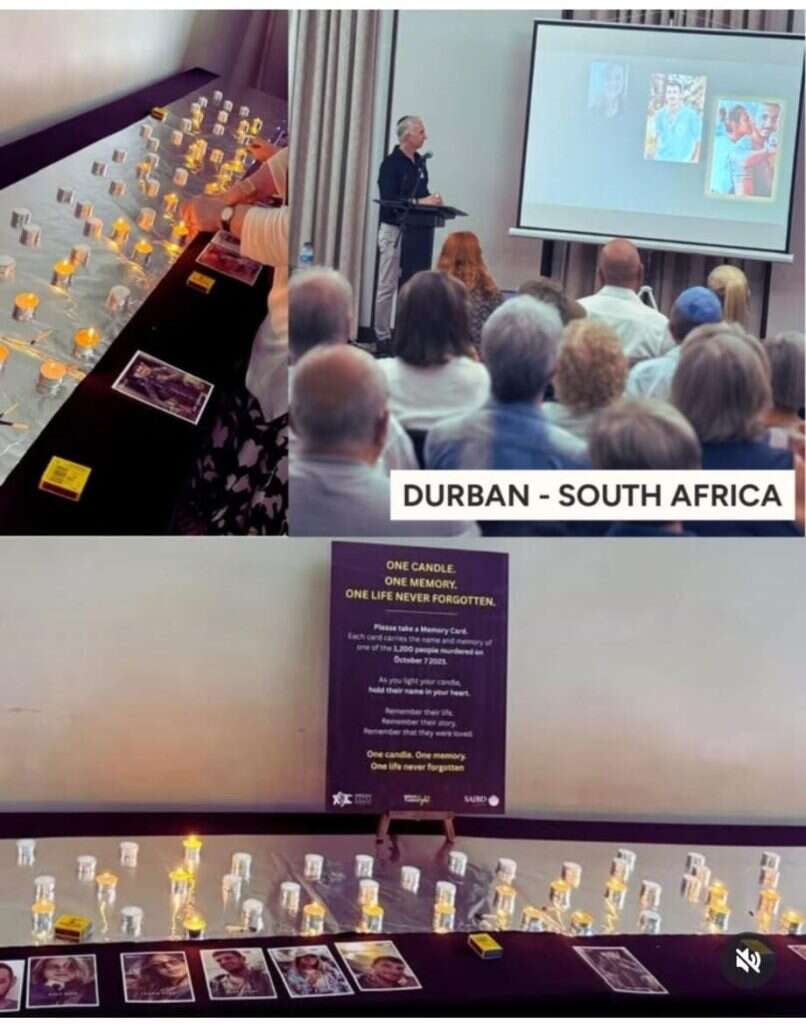
The program is built around five pillars: Remember, Light, Action, Global Connection, and Global Community. Alongside learning about their chosen individual, participating schools will hold an annual lantern or light ceremony, linking their own act of remembrance to the wider Bring Them Light monument.
On October 7, each participating school or community will record a message explaining whose life they are carrying forward, light a lantern, and send the recording to Gilhar. She will bring the contributions together in a collective tribute video. A digital world map will also light up to show where participating communities are based.
"The idea is that there's a global map that lights up and so we create this connectivity where Jews are coming together with all the antisemitism, and it's a promise that we remember and we carry forward," shared Gilhar.
She hopes the map will eventually turn into a global international network, connecting schools and communities across Israel, North America, South Africa, the United Kingdom, Australia, Europe, and beyond. A planned Global Relay will take the idea a step further, with one school passing the torch of remembrance to another. Each will share whom they have chosen to remember and why, creating a chain of stories and commitments that travels from one community to the next.
For Gilhar, this connection matters, particularly at a time when antisemitism is a growing concern for Jewish communities around the world. The map offers a visible reminder that schools and communities are not remembering in isolation, but are taking part in a shared commitment to memory and humanity.
Video: Lihie Gilhar
"At its heart, Carry Forward is not only about October 7. It is about the values we choose to pass to the next generation," she said.
Those values include empathy, human dignity, courage, responsibility, and community. There is, of course, no changing what happened on October 7. But Gilhar believes there is still a choice in what happens to the stories of those who were killed.
"You cannot change how their story ended. But you can help decide whether their story continues."
Through Bring Them Light and Carry Them Forward, Gilhar encourages participants to give these lives a place in their classrooms, their communities, and the choices they make in the years ahead. In this way, the lives lost on October 7 will remain present not only in the stories told about them, but in the actions, connections and values they inspire in others.
Not simply to remember how they died, but to carry forward how they lived.