The latest developments in Yemen are bad news for Israel. It is not only the Houthis' takeover of the strategic Bab el-Mandeb Strait, with its damaging implications for global maritime trade and the boost it gives Iran's regional standing. More troubling is the US position, which is shying away from confrontation and effectively leaving Washington's allies to fend for themselves.
US President Donald Trump, addressing the issue over the weekend, said, "The Houthis called us and they don't want to fight with us." It is a striking and troubling retreat from the role of global policeman that Trump sought to project during the first half of his second term. He is presumably reluctant to open another military front ahead of the US midterm elections, amid reports of equipment problems in the US military and shortages of munitions.
Last year, Trump launched a campaign against the Houthis, only to pull back within weeks and leave Israel to fight them alone. Now he has left Saudi Arabia behind as well. Riyadh had pleaded for assistance and now finds itself caught in a pincer movement, with Iran on one side and the Houthis on the other, while its offensive capabilities, and especially its defensive capabilities, remain severely limited.
If Riyadh pays a price, both in physical damage and in harm to its oil exports, it could choose to move closer to Iran, or at the very least deepen its alliances with other countries in the region, from Turkey and Pakistan to Qatar.

Israel's role
Israel is not intervening in Yemen at this stage, despite paying both a direct price, in damage to maritime trade, and an indirect one, as radical forces across the region gain strength. Last year, Israel did eliminate several political and military leaders of the Houthi government, but it is now apparent that it misjudged both the internal balance of power in Yemen and the Houthis' true strength.
Israel must therefore prepare for renewed fighting against them, whether it chooses to initiate such a campaign or is drawn into one by a Houthi move.
Israel is considerably more concerned about developments in Iran. Reports published on the eve of the holiday about activity at Pickaxe Mountain, the deeply buried complex near the Natanz nuclear facility, make it difficult to determine whether the work consists merely of infrastructure construction or represents an effort to restart Iran's nuclear program.
Trump said the Iranian issue was likely to be resolved either before or after the midterm elections, although he does not appear to be seeking a renewed expansion of the war, particularly as economic sanctions on the Iranian regime become increasingly effective. Israel would prefer to act against Iran on its own, but it will not do so without explicit approval from Washington.
Meanwhile, the Israel Defense Forces has completed the destruction of Hezbollah tunnels in the Ali al-Taher Ridge in southern Lebanon. This is the second strategic underground infrastructure network the IDF has destroyed in the same sector, after an earlier operation at the nearby Beaufort Ridge. The latest action passed without a response from Hezbollah and without significant opposition from either Washington or Beirut.
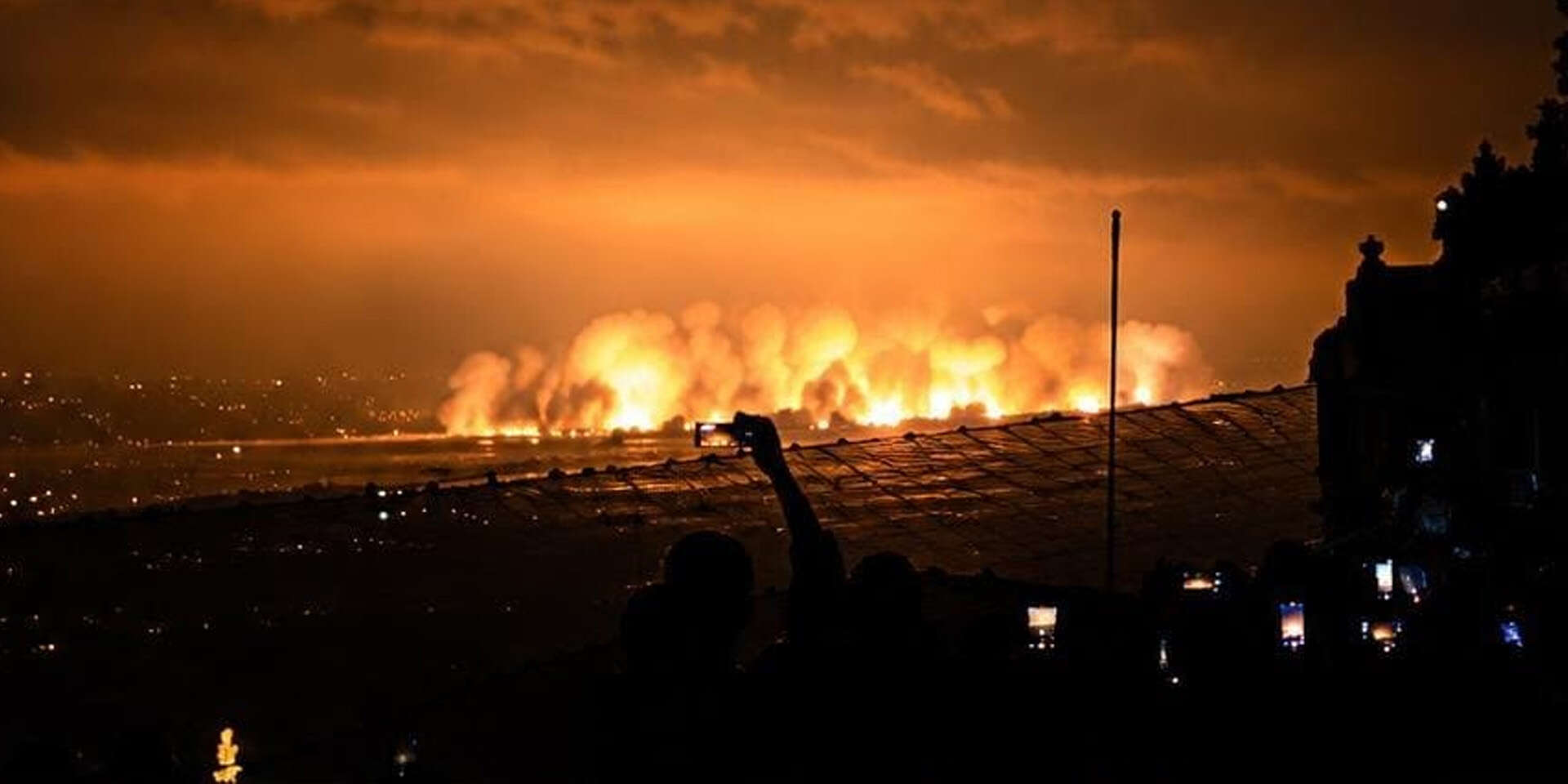
This can be viewed as an American and Lebanese willingness to allow the IDF to weaken Hezbollah in order to make the Lebanese Armed Forces' task easier when it eventually assumes responsibility for areas that Israel is expected to evacuate. Talks between Israel and Lebanon that had been scheduled for this week were postponed, but are likely to resume in the near future.
'A dangerous snowball'
The relative security calm during the holiday period could reverse at any moment because of the volatility on every front, particularly in Judea and Samaria.
The holiday month traditionally brings large numbers of Jewish visitors to the Temple Mount, and politicians are likely to exploit those visits for dangerous provocations. Israel's security establishment expects the political leadership to rein in such activity for fear of escalation. The chances of that happening on the eve of an election are very slim, despite heightened international scrutiny and growing criticism around the world, including in the United States, of Israeli actions in Judea and Samaria.
Against this backdrop, a senior official warned over the weekend of a "dangerous snowball" that could begin rolling as a result of sanctions imposed on Israel by Britain and 11 other countries. Jerusalem appears less concerned, despite the potentially devastating consequences for the Israeli economy, particularly the banking sector.
Instead of dealing with urgent problems and putting out fires, the government remains absorbed in domestic political battles. Even on the eve of Rosh Hashanah and during the holiday itself, social media was flooded with negative and defamatory videos, raising questions and concerns about the year ahead and about how seriously politicians intend to honor their commitment to national unity.