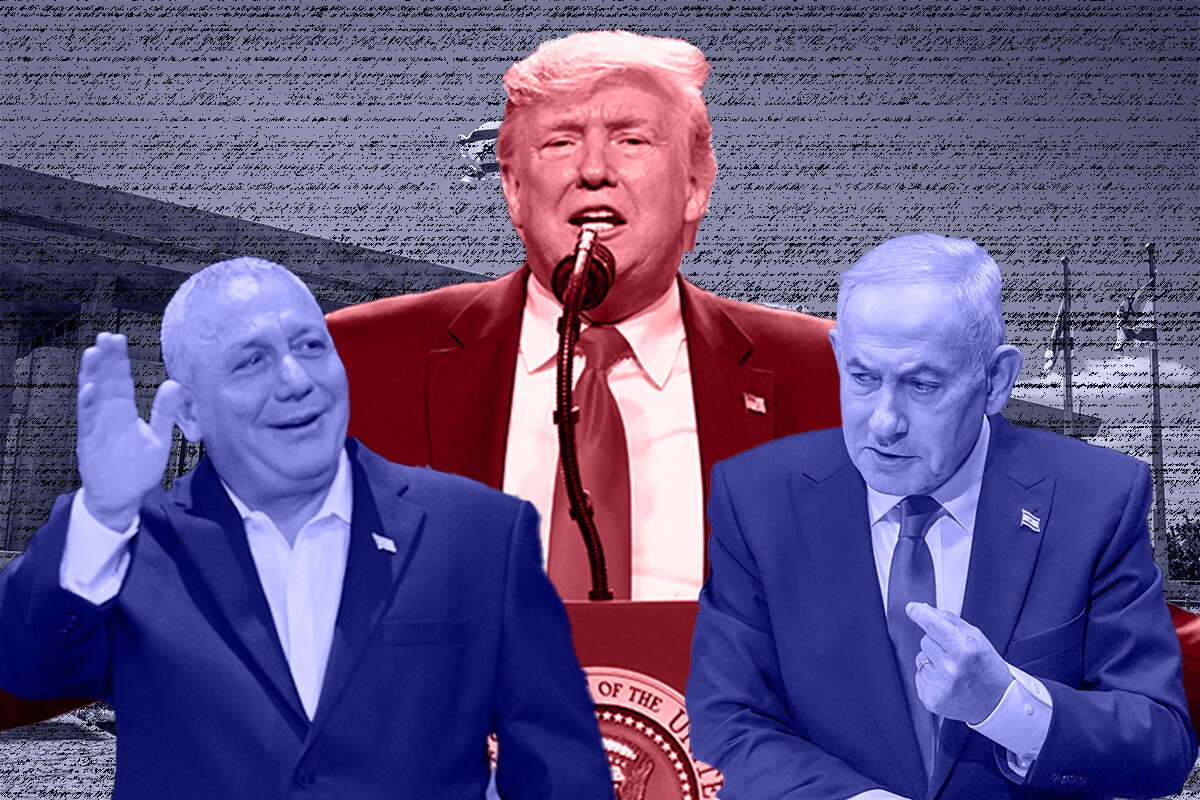
As Israel fights to contain an expanding boycott campaign in Europe, including measures taken by countries long regarded as close friends of the Jewish state, Jerusalem appears to be ignoring the American challenge looming on the horizon.
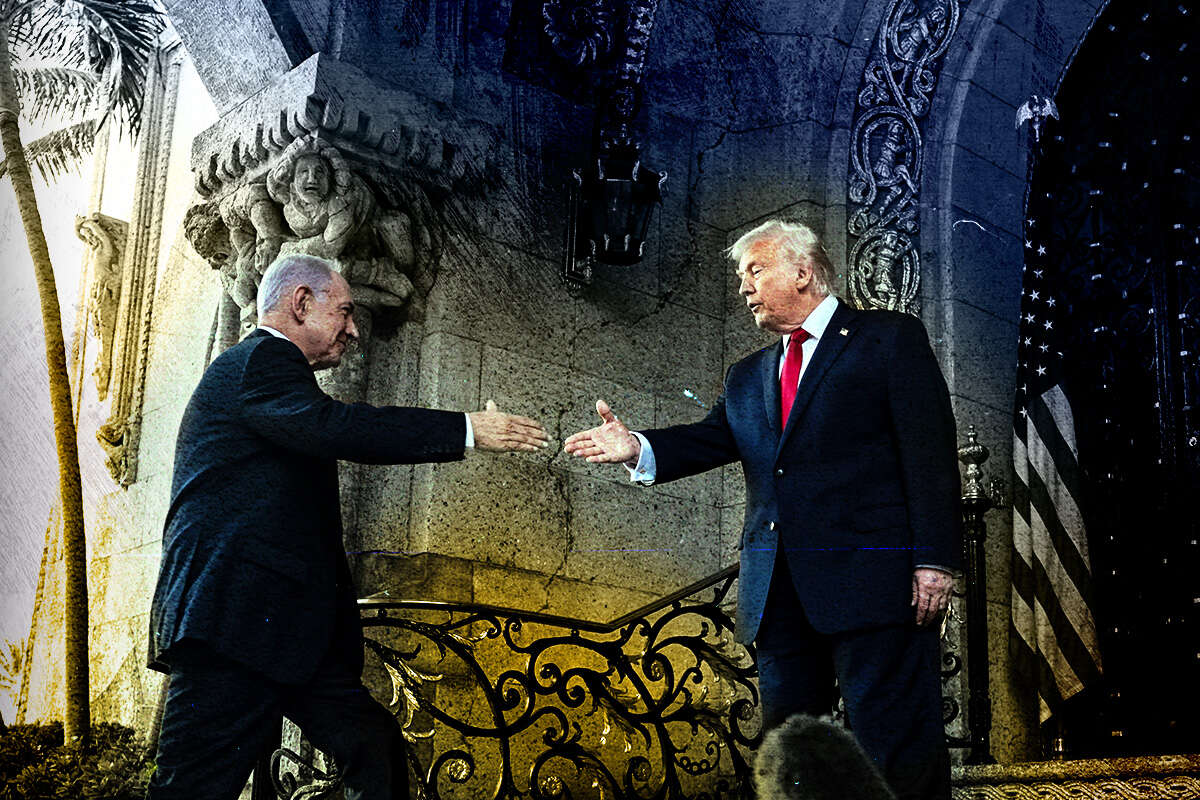
The alliance with the US under President Donald Trump has provided Israel with unwavering diplomatic backing on every front, blocking initiatives against it at the UN Security Council. Yet Israel's ability to secure continued American diplomatic and military support faces a growing challenge as public support for the Jewish state steadily erodes.
Prime Minister Benjamin Netanyahu's recent statements about ending US aid to Israel and moving toward financial independence represent a significant attempt to counter trends already evident in American public opinion.
Netanyahu has emphasized the issue in several interviews in an effort to defuse criticism. He has also repeatedly condemned acts of violence by Jews in Judea and Samaria, incidents that have themselves created a dangerous and significant rift in international opinion.
Former Strategic Affairs Minister Ron Dermer, who was almost exclusively responsible for maintaining relations with the White House, has stepped down. The strategic alliance, at the moment, appears to rest solely in Netanyahu's hands, with no clear foundations in place to sustain it in the future.
The Democratic challenge
A Gallup poll published on Feb. 27, 2026, illustrated the shift: The proportion of Americans holding a favorable view of Israel fell from 68% in 2023 to just 46%. Meanwhile, favorable views of the Palestinian territories rose from 26% to 37%. The figures point to an increasingly difficult political environment for decision-makers in Washington seeking to support Israel.
The security implications become even clearer when these findings are considered alongside the positions taken by elected officials. Democratic Sen. Jon Ossoff of Georgia, who has repeatedly spoken out against military aid to Israel, was recently questioned during a debate ahead of the midterm elections about his support for blocking weapons shipments to Israel and allegations that it was committing genocide.
Ossoff responded that determining whether there was specific intent to destroy a national or ethnic group was a matter for the International Criminal Court. However, he said he had no doubt that Israeli forces had violated the laws of war.
Another example emerged during a debate in Pennsylvania's gubernatorial race, when Democratic Gov. Josh Shapiro was asked about the gap between his support for Israel and the views of his party's voters. Shapiro expressed solidarity with Israelis and the Jewish community but drew a distinction between his support for Israel and his opposition to Netanyahu, saying the prime minister "has led Israel down a very dangerous and isolated path."
This exchange only illustrates the challenge confronting Israel's supporters within the Democratic Party: defending the US-Israel partnership before a constituency in which a substantial proportion opposes providing Israel with tangible assistance.
'Israel must speak to two audiences'
Rotem Oreg-Kalisky, an expert on American politics and director of LIBRAEL, an Israeli nonprofit organization promoting liberal Zionism, warned that the potential loss of the US alliance posed a direct threat to Israel's national security.
"The danger of losing our alliance with America is a threat to our national security. We cannot base our policies on the hope that the old consensus will return without explaining to the American public what it stands to gain from its partnership with us," he said. "Israel needs to know how to speak to two audiences: promoting security and technological cooperation that also strengthens America, while demonstrating to liberal Americans that supporting Israel's security is consistent with a deep commitment to human rights."

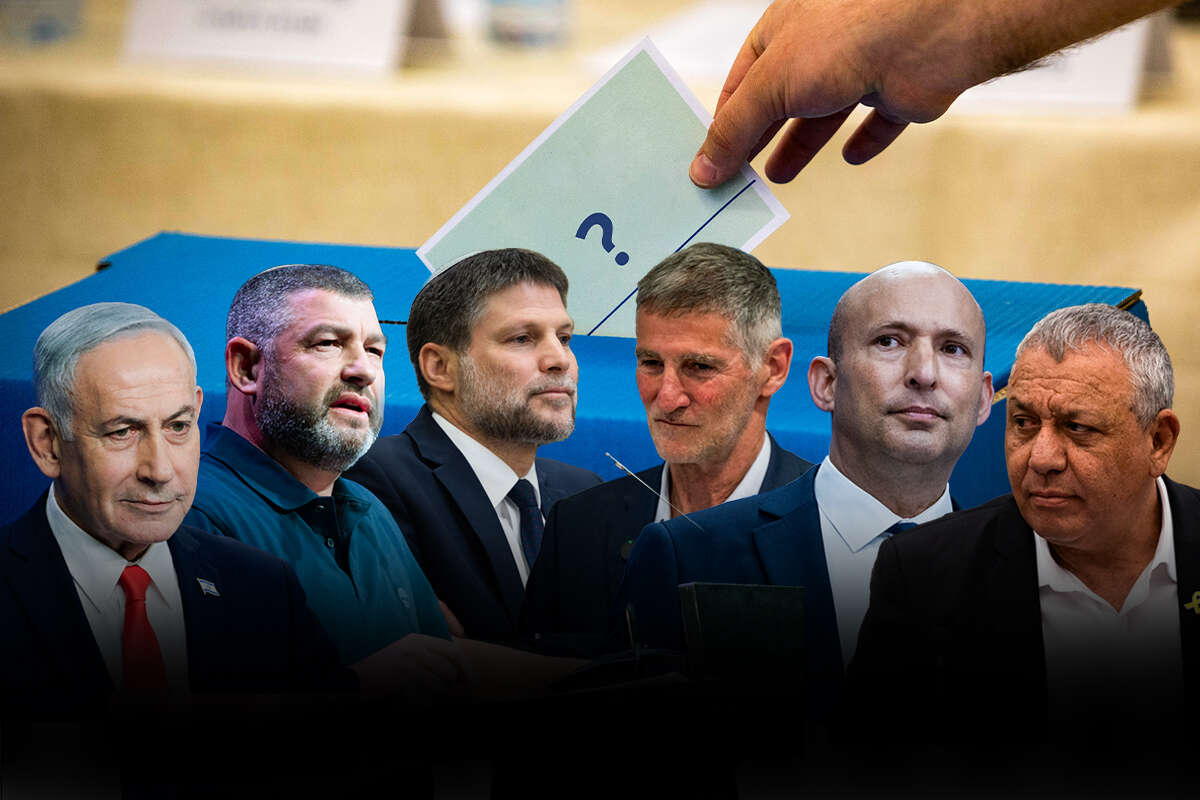
Yet a review of Israeli political party platforms suggests that the American challenge is largely absent from their agendas. Almost none offers a detailed policy for addressing the emerging reality or even preparing for the possibility that a Democrat could win the 2028 presidential election.
The Yashar! party pledges to strengthen Israel's international standing and proposes a plan to attract skilled professionals in key sectors. However, the platform reviewed makes no mention of the crisis of confidence with the US or specific measures to rebuild ties with the Democratic Party.
The Democrats party refers to restoring relations with the US in just one statement, which itself focuses on regional challenges: "We will lead a broad regional initiative together with the US."
The Beyahad (Together) party proposes combating hostile influence campaigns against Israel and establishing a national public diplomacy body under the Prime Minister's Office. However, it remains unclear how the party intends to build relationships with American political leaders and the wider public, particularly the liberal camp.
Yisrael Beytenu, meanwhile, devotes an entire chapter of its platform to foreign policy but does not mention the US.
The situation is even more troubling among right-wing parties. The Religious Zionism party's platform contains no reference to the challenge. Likud, Otzma Yehudit and the ultra-Orthodox parties have no updated platforms at all. The same applies to Ofer Winter and the political initiatives associated with Yoaz Hendel and Yaron Zelekha, according to a review conducted by LIBRAEL.
'America is changing before our eyes'
"We examine plans for Iran and Gaza, but we almost never demand a plan for diplomatic relations with the country whose assistance and backing are essential to our national security, our economic prosperity and our international standing," Oreg-Kalisky said. "America is changing before our eyes. Our standing is steadily declining in public opinion and among decision-makers. Every party must explain to Republicans and Democrats separately, using the language and values that resonate with each, why the alliance with us also serves their interests.
"Over the years, Israeli governments have managed relations with the US on the basis of assumptions formed in the 1980s, foremost among them the belief that support for Israel is guaranteed. Today, that mindset is reflected in an excessive reliance on the personal relationship with President Trump. Neglecting ties with figures in both parties is already undermining our ability to build trust with those who may lead the US in the future. The rift is already here, and it is deepening before our eyes. It is the state's responsibility to restore support for Israel."