Qatar's involvement in Gaza is not inevitable. In response to our recent report in Israel Hayom, the argument that "there is no alternative" has been repeated frequently in recent days. After all, the Americans are pressing for aid deliveries, and Israel has also committed to allowing them under the agreement signed to secure the release of the hostages.
But just as Israel had alternatives when it chose Qatar as the main mediator at the start of the war, it has other options now. Just as Egypt could have handled the mediation on its own, without Qatari involvement, the mechanism for delivering aid to Gaza can also operate without Doha.
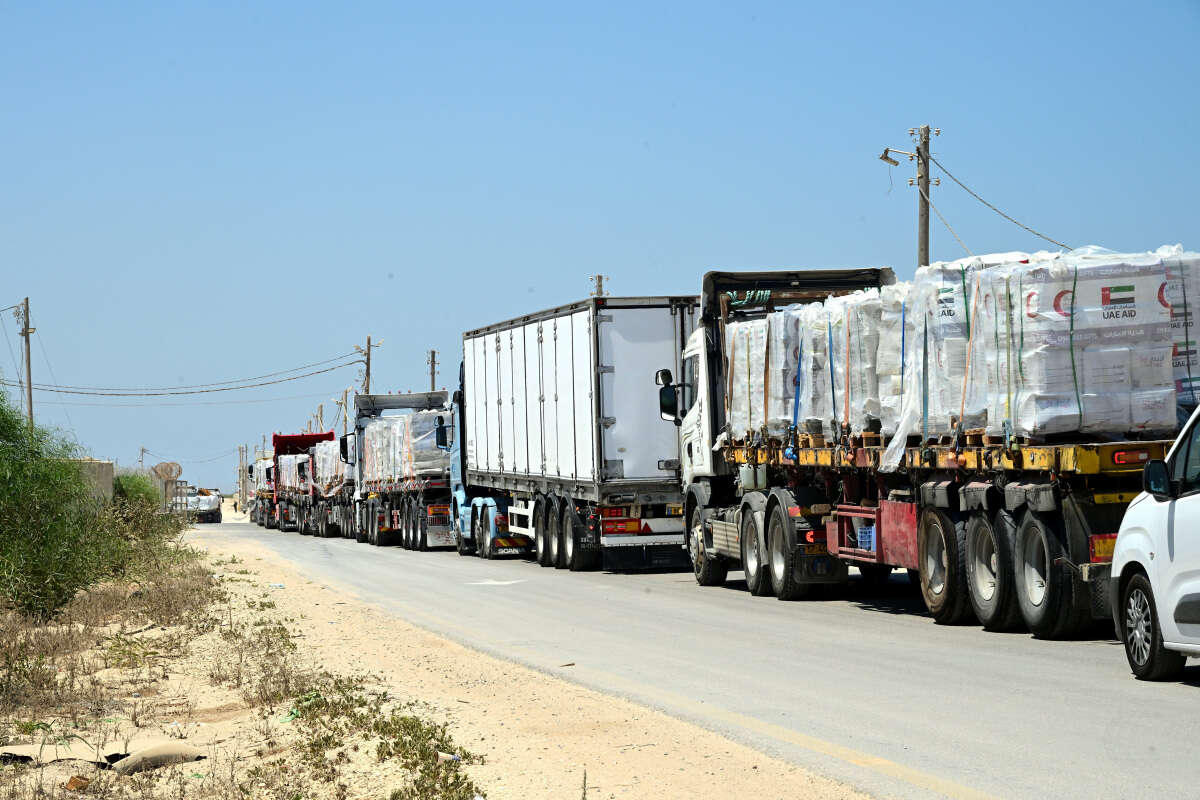
Other countries are already involved in delivering aid to the Gaza Strip. The United Arab Emirates has been conducting a long-running humanitarian operation called "Gallant Knight 3," providing water and food through Egypt. According to a report by The National, an Emirati news outlet with close ties to the leadership in Abu Dhabi, the scale of this assistance is even greater. Since the operation was launched, the UAE has provided more than $4 billion in aid to Gaza, accounting for 46% of all international aid delivered to the territory since 2023. This includes 130,708 metric tons (approximately 144,000 US tons) of equipment, medical supplies and food transported in more than 14,000 trucks.

A hidden power struggle
In other words, Israel could initially rely on another source of assistance and eliminate Qatari aid. A power struggle is unfolding behind the scenes in the Gaza Strip. Qatar and Turkey are Hamas' patrons, and every shipment of aid delivered by their organizations earns the terrorist group goodwill among the local population.
Fuel, for example, is one of the most essential commodities. When Qatar supplies it, the assistance directly helps consolidate Hamas' standing. And that is without even taking into account the financial profits Hamas makes from the goods it seizes.
Stopping Qatari aid to Gaza would serve another important purpose. For Qatar's efforts to expand its influence and improve its public image across the Arab world, its humanitarian projects in Gaza are the crown jewel. Ending them would neutralize Doha's most important public relations campaign. These projects matter far more to Qatar than any television news headline.
Israel's government is right to complain that Qatar is inciting against it around the world. But how does it make sense for Israel to simultaneously allow that same country to bolster its standing through extensive operations in Gaza?
Severing ties
As noted, this would only be the first step. Once Qatar has been excluded from aid operations in Gaza and from shaping the territory's future, Israel must sever its commercial and security ties with Doha and designate Qatar an enemy state. It is inconceivable that Israeli businesspeople are operating in an Islamist emirate that incites against Israel and provides Hamas with financial, political and security assistance.
Only recently, Qatari security officials boasted about the dramatic rescue of senior Hamas figures from the site of the Israeli strike in Doha roughly a year ago. Today, the activities of those Israeli businesspeople are legal. From a legal standpoint, it is difficult to fault them. As long as the State of Israel gives them an unmistakable green light to do as they please, they will have no hesitation about continuing.
At the same time, Israel must overhaul the entire humanitarian aid distribution system. It is clearer than ever that Hamas is making enormous profits from aid trucks, whether they arrive under Qatari sponsorship or that of other countries.
Cutting off aid entirely would expose Israel to mounting international pressure and demonization. Establishing new population centers east of the Yellow Line, however, could deprive Hamas of a substantial share of the taxes it collects.
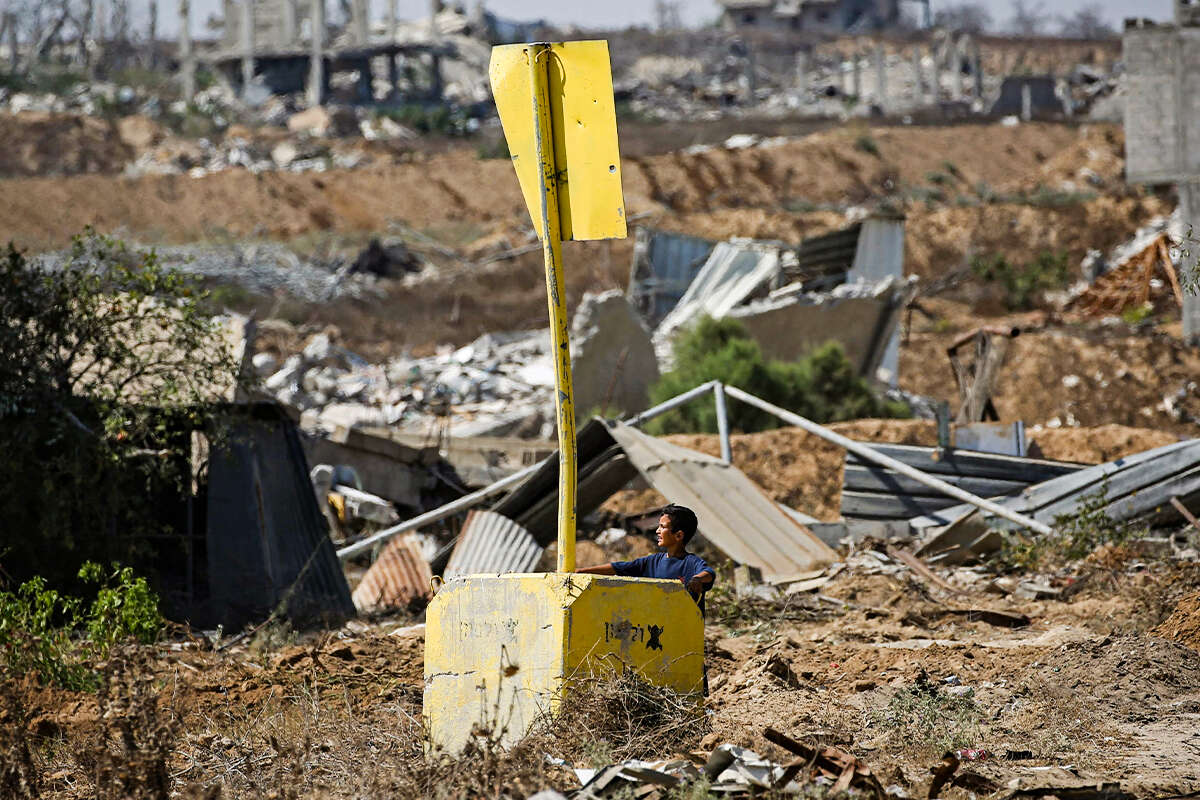
Moreover, Hamas would lose the protection afforded by its use of civilians as human shields, while the Israel Defense Forces would gain greater freedom of action. The new population centers could also serve as pilot projects for an alternative governing authority to Hamas. This would not completely eliminate the terrorist threat emanating from Gaza, but it could certainly reduce it.