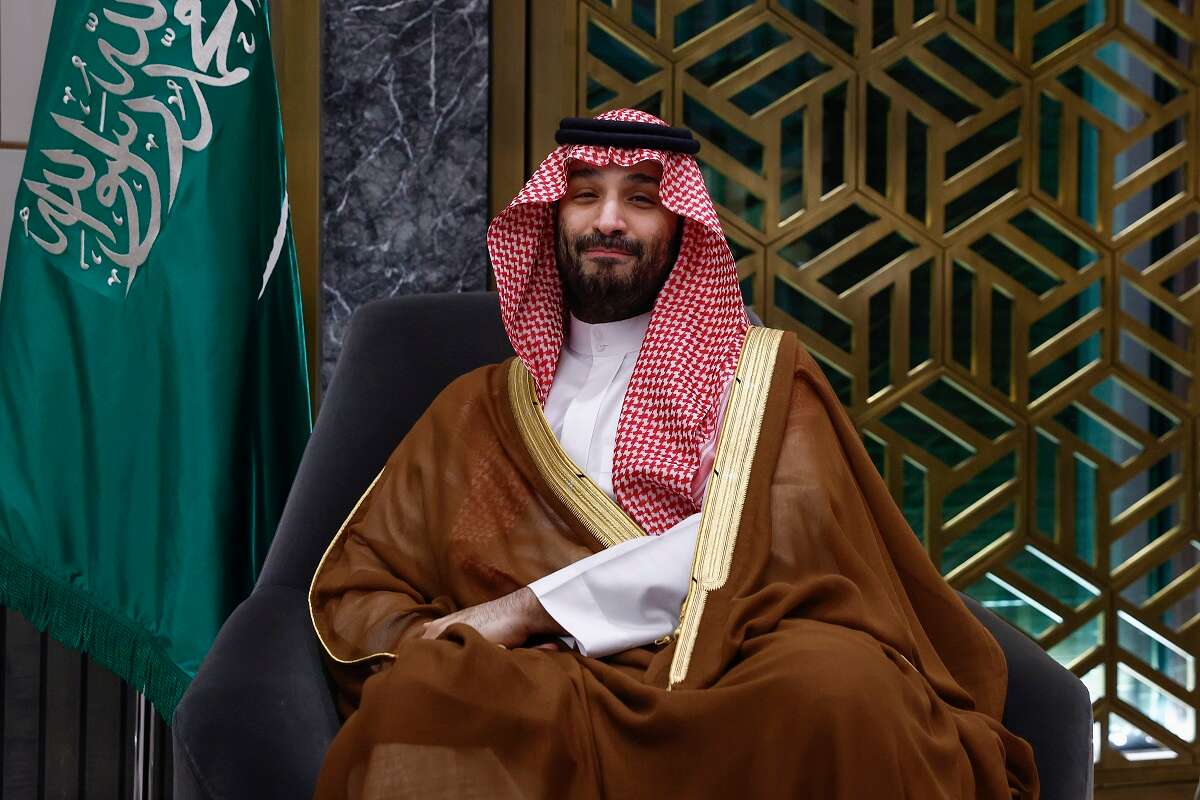
Saudi Crown Prince Mohammed bin Salman has appealed to countries across the Middle East, and indirectly to Israel, for assistance in the fight against the Houthis, as Saudi-backed forces appear to be suffering major setbacks.
According to diplomatic officials in the region, the requests were made directly to other Gulf states and Egypt. Israel was approached indirectly through US Central Command, or CENTCOM, with a request for intelligence and other assistance that could help prevent the Houthis from blocking the Bab al-Mandeb Strait.
Threat to oil routes and global trade
In his appeals, Mohammed bin Salman warned of the severe damage that could be inflicted on the entire region and the global economy if the strait is blocked.
Bab al-Mandeb lies on the shipping route linking the Gulf of Aden with the Red Sea and, from there, the Suez Canal and the Gulf of Eilat, also known internationally as the Gulf of Aqaba. Cargo ships as well as oil and liquefied natural gas tankers travel through it in both directions.
In one direction, tankers carrying Gulf oil to Europe pass through the strait, including those carrying oil from the United Arab Emirates, which has continued pumping crude through its pipeline to Fujairah at volumes similar to those recorded before the war. In the opposite direction are Saudi tankers leaving the Red Sea port of Yanbu for the Far East. The oil reaches Yanbu from fields and refineries in eastern Saudi Arabia through the kingdom's East-West pipeline.
Closing the strait prevents Saudi tankers from using the relatively short sea route. As a result, Saudi Arabia has been forced in recent weeks to send them around Africa on their way east. The kingdom also announced in the past day that it was halting oil shipments through the pipeline following attacks.
The Saudi ruler's messages stressed that this was not merely Saudi Arabia's war but a conflict affecting the entire world, and that the economic damage caused by a closure of Bab al-Mandeb could be even greater than the damage caused by the closure of the Strait of Hormuz.
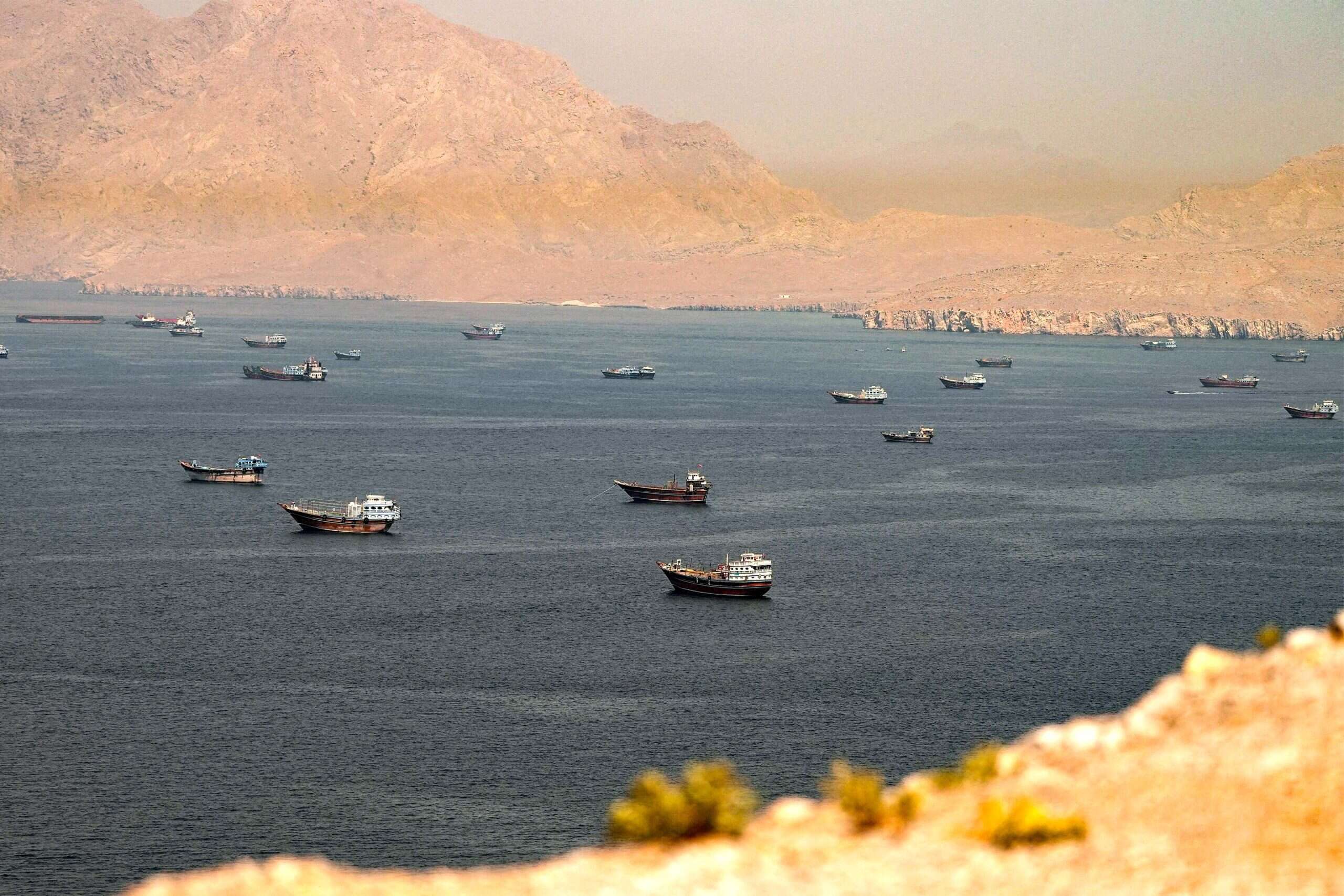
Egypt was told that it, too, could effectively become a hostage to the Houthis, since a blockade would hit shipping through the Suez Canal, one of the country's main sources of revenue.
Diplomatic officials in the Gulf said Cairo supports Mohammed bin Salman's position because of those concerns and has also approached the Americans in support of the Saudi request for assistance.
Egypt had been considering joining the strategic defense alliance between Saudi Arabia, Pakistan and Turkey, and the latest developments could prompt it to reassess whether to sign on to such an alliance.
Pakistan and Turkey, which signed a strategic joint defense agreement with Mohammed bin Salman about a month ago, have also stayed out of the fighting and have limited themselves to "mediation efforts" with the Houthis. In practice, this suggests that neither country wants a confrontation with Iran and that, despite the alliance, they are leaving Mohammed bin Salman largely on his own in the campaign.
Trump in no hurry to bring US into war
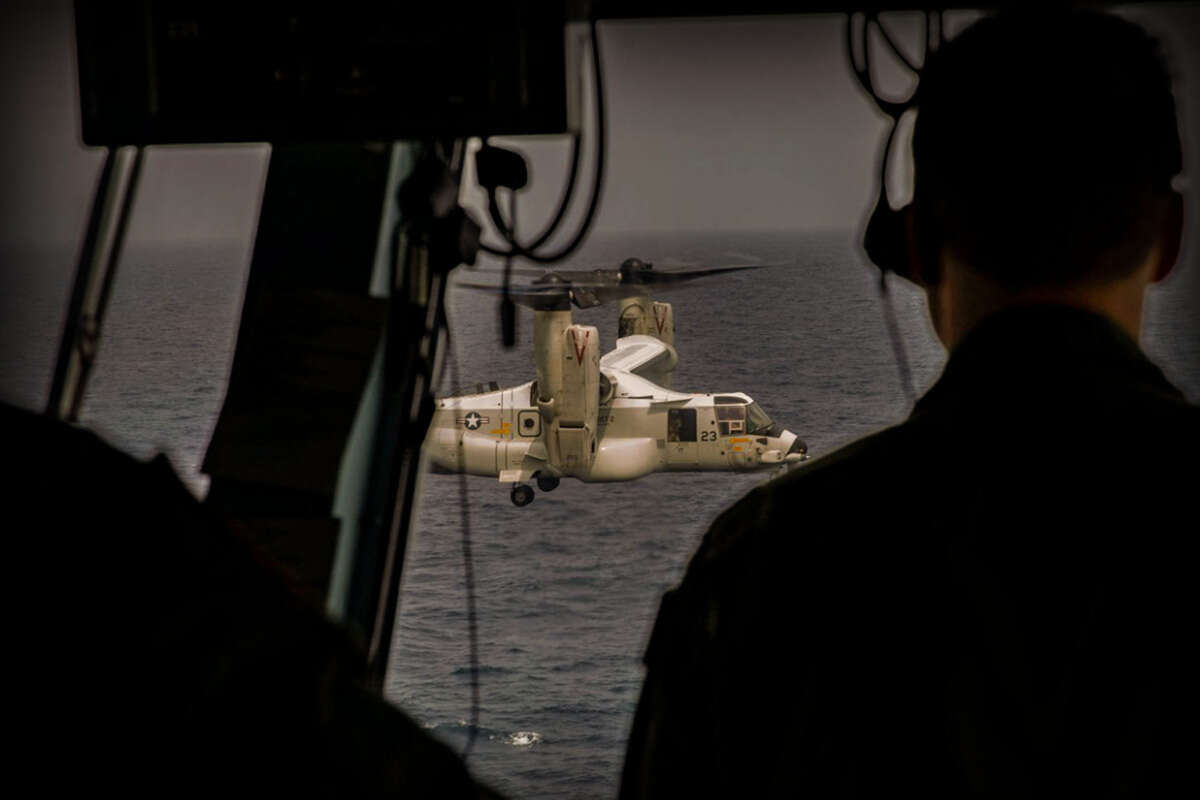
The Americans are also showing little eagerness to intervene directly. CENTCOM commander Adm. Brad Cooper was sent to Saudi Arabia to assess the situation firsthand and step up existing US assistance. Several dozen American military personnel are operating in the kingdom, coordinating intelligence and operational activity in the region.
Nevertheless, diplomatic officials in the Gulf and American officials say that, at this stage, US President Donald Trump is reluctant to provide Saudi Arabia with direct military assistance.
At the same time, Washington is considering airstrikes against Houthi forces that have reached positions overlooking Bab al-Mandeb in recent days. "The condition for that would be the deployment of radars and missile launchers in the captured positions," an official familiar with the matter said.

The Houthis began attacking shipping in the strait in November 2023, saying they were acting in solidarity with the Palestinians following the outbreak of the war in the Gaza Strip. The US, Israel and an international coalition subsequently carried out an extended campaign of airstrikes and missile attacks against Houthi targets.
Despite that campaign, Washington unexpectedly reached a separate ceasefire agreement with the Houthis in May 2025, allowing shipping through the strait to resume, although vessels and tankers linked to Israel remained excluded from the arrangement.
The American move drew criticism in Israel at the time. A month later, however, Israel launched Operation Rising Lion against Iran, with American backing and assistance, putting Washington's decision to reach a separate ceasefire with the Houthis in a different light.
Houthi gains and Saudi retreat
In a surprise counteroffensive, Houthi rebels captured the strategic Yemeni port city of Mokha and seized the vital island of Zuqar from the sea. According to reports and footage from the region, Saudi-backed forces began a broad retreat involving entire brigades. At the same time, reports said the Houthis had captured entire units of Yemeni forces and expanded their control around the Red Sea.
A key objective of the offensive was Perim Island, also known as Mayyun, which sits in the Bab al-Mandeb Strait at the entrance to the Red Sea. For centuries, the area has been known as the "Gate of Tears," a name derived from Bab al-Mandeb.
The fighting has also spilled beyond Yemen's borders. The Houthis launched ballistic missiles and drones at oil infrastructure and air force bases in southern Saudi Arabia, including around Khamis Mushait, Abha and Jazan.
Emergency alerts were activated following the attacks, and dozens of people were injured. Missile warnings were also sounded in other cities, while the Royal Saudi Air Force responded with dozens of strikes inside Yemen.
Gulf states have accused Saudi Arabia of mishandling the campaign against the Houthis and of having previously attacked militias in southern Yemen that opposed the group and were supported by the United Arab Emirates.
Saudi Arabia attacked those forces as well as aid convoys sent to them by the UAE. The dispute triggered a serious crisis between Mohammed bin Salman and UAE President Sheikh Mohammed bin Zayed Al Nahyan, while also contributing to divisions and weakening the Yemeni forces fighting the Houthis.
Iran, whose proxy the Houthis are, is seeking through the campaign to influence global trade and the world economy, and in particular to push fuel prices as high as possible ahead of the US congressional midterm elections. Its goal is for Trump to lose his majority in Congress, making it more difficult for him to continue acting against Tehran or secure approval for renewed fighting or other drastic measures.
It is against this backdrop that the Saudi request to Israel comes. Israel has suffered for nearly three years from the Houthi blockade of Bab al-Mandeb, which has brought activity at the Port of Eilat to an almost complete halt. Israel was the only country to continue fighting the Houthis, and in August 2025 it killed Houthi Prime Minister Ahmed al-Rahawi and numerous senior military officials in Operation Lucky Drop.
It can be assumed that indirect contacts, and perhaps even direct and secret ones, are already underway over possible Israeli assistance. Israel will be in no hurry to take an active role in the fighting because of concerns that the Houthis could decide to resume missile and drone attacks against it.
At the same time, the crisis could also present an opportunity to put Saudi Arabia back on a path toward closer relations with Israel, demonstrate Israel's ability to confront Iran and its proxies, and give Mohammed bin Salman a powerful argument against those inside the kingdom who oppose rapprochement with Israel.