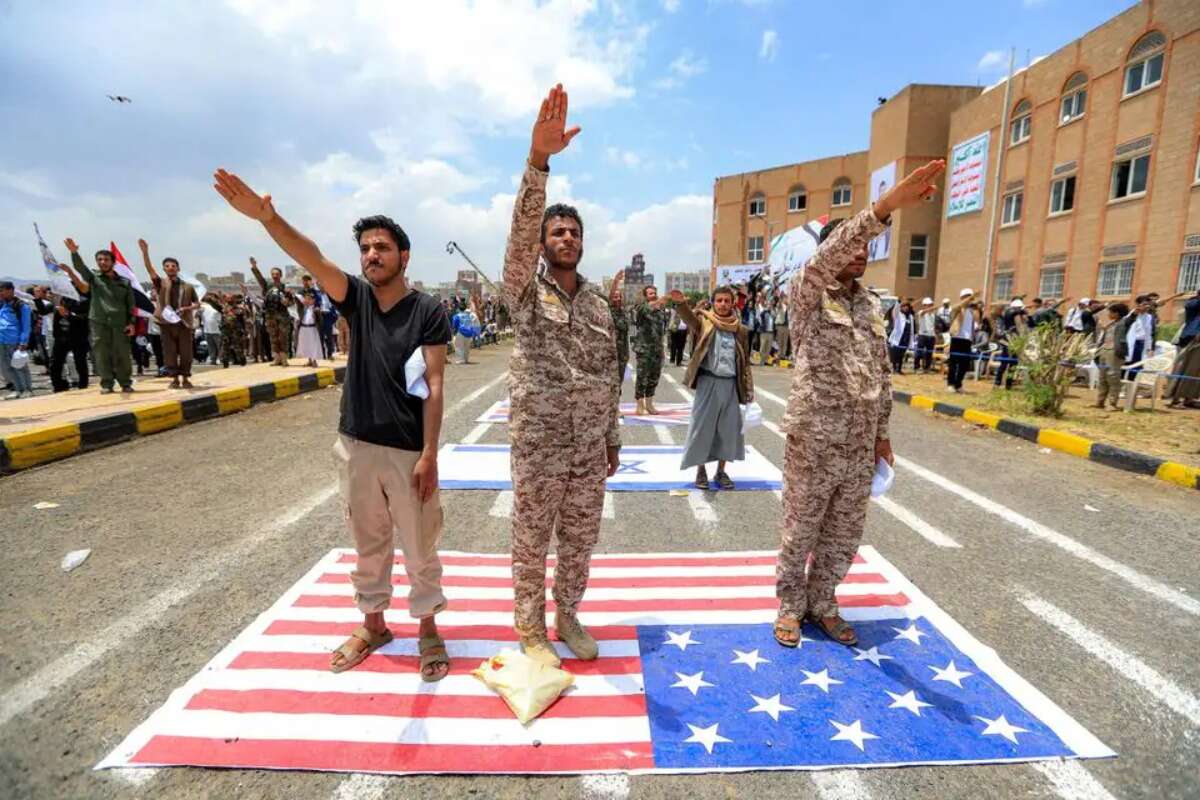
Sharp criticism has erupted within the anti-Houthi camp after Yemen's western coast fell to the Iranian-backed terror group. The Houthis seized the strategic port of al-Mokha (a Red Sea port in southwestern Yemen) in recent days. From there, they pushed south and seized the Bab al-Mandab strait (the waterway linking the Red Sea and the Gulf of Aden). The Saudi-backed government's defense lines collapsed, and its forces pulled back. The Houthis now control the gateway to the Red Sea and hold the power to disrupt international shipping.
The damage traces back to early 2026, when the Southern Transitional Council (a movement seeking to reestablish an independent southern Yemen) suffered a severe blow at Saudi Arabia's hands. The council's leader, Aidarous al-Zoubaidi, and his loyalists were pushed out of the power-sharing government in exile from Sanaa. Al-Zoubaidi went underground after being branded a "traitor" who should face trial. Saudi forces then attacked the council's fighters, driving them out of districts in eastern Yemen and back to Aden.
A source in southern Yemen told Israel Hayom, "The Saudi-backed government forces did not repel the Houthis in al-Mokha because after the removal of the Southern Transitional Council from the government and the fallout from the events in Hadhramaut, which included attacks on council forces, a major political and military vacuum was created. This led to the world caving to pressure and advancing negotiations with the Houthis."
The source laid out how the Houthis prepared for this moment. "The Houthis prepared for war in several ways. One was the road map they signed with Saudi Arabia, which allowed them to keep setting their own conditions for the kingdom. This ties back to events in 2022, when the kingdom negotiated with the Houthis and agreed to transfer salaries for state employees in their areas, amounting to some $90 million."
For the source, the fall of al-Mokha carries a deeper meaning. "Al-Mokha is not just a city, but the price of the failure of the Muslim Brotherhood's project in Yemen." The blame, he argued, extends further. "What happened cannot be separated from the political and military intervention of the al-Islah party and its allies. They treated the coastal region as an arena for leverage and influence, not as strategic lines that neehoded defending." He added, "The takeover of the city is a direct result of a policy that weakened the front lines and shifted priorities, as forces identified with the pro-Saudi government, led by al-Islah, were consumed by power struggles within the anti-Houthi camp."
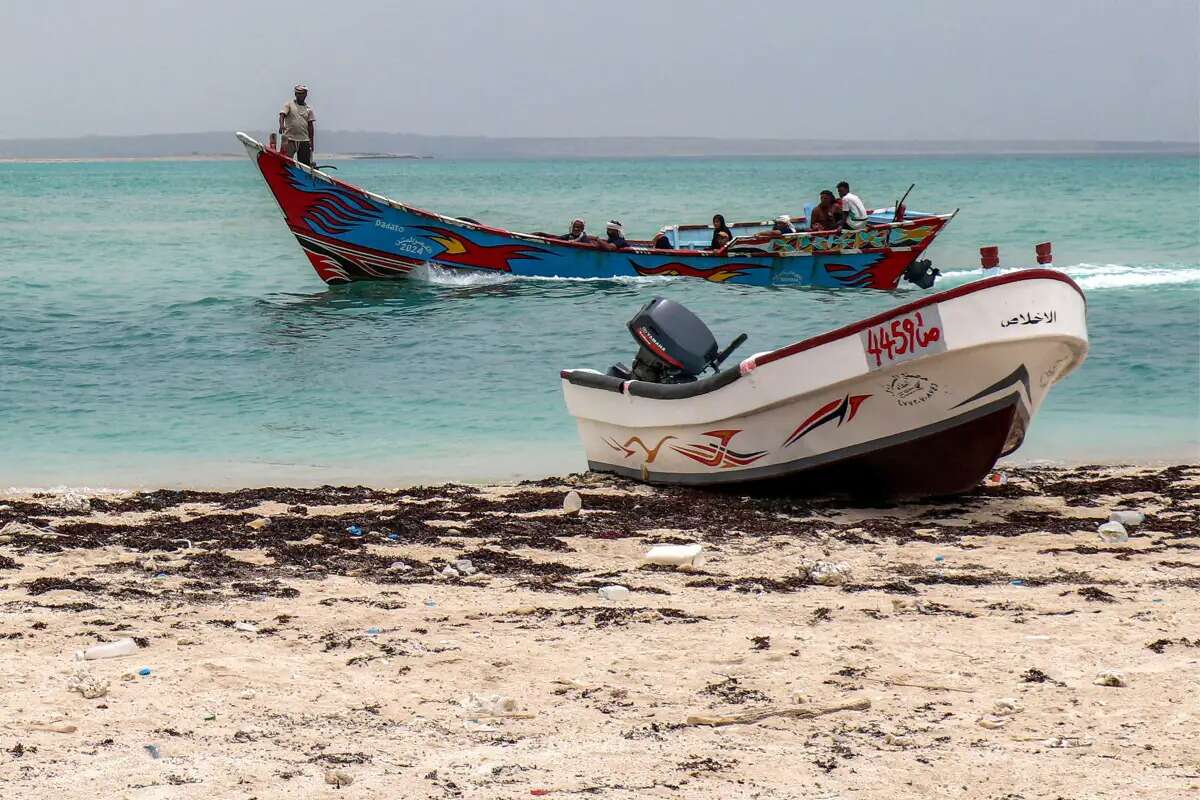
From there, the warnings sharpen. The source called the Bab al-Mandab strait "a red line," noting that the terror group had already captured nearby towns and Mayyun Island (an island at the heart of the strait) in recent days. "If the western coast becomes an extended Houthi sphere of influence, southern Yemen will face a direct strategic threat, since Bab al-Mandab is not merely a maritime strait but the south's gateway to the world and its most important geographic location," he said.
Left unchecked, the source warned, the political dominance of al-Islah and its allied forces will keep costing the south. "The battle today is over Bab al-Mandab and the security of the south. Events have proved that the Houthi threat cannot be managed through crisis management and power-sharing, but only through a clear decision to reorganize priorities and prevent the south from becoming a victim of Yemen's power struggles."
The source was equally skeptical of the headlines celebrating government gains elsewhere. "What is being marketed in the media as victories in the al-Jawf and Marib provinces does not look like a strategic shift in the balance of power. The irony is that these 'victories' came as the Houthis advanced in more sensitive areas along the western coast. The problem is not the liberation of a hill or a military position, but the absence of a sustained strategic shift that would dismantle Houthi infrastructure and redraw the map of control. What is happening looks more like a show designed to cover up political and military helplessness, while the competing forces exhaust Yemen and the south pays the price of these calculations."
Pressed on the effect of sidelining the Southern Transitional Council and the UAE, the source didn't hold back. "Saudi Arabia sought to reorganize its control over the south, while the outcome on the ground was closer to a reorganization of the vacuum. Southern forces, the separatists, who had gained extensive field experience confronting the Houthis and terror groups, found themselves facing political and military pressure to shrink their role. At the same time, the Saudi-backed government alternatives did not demonstrate a similar ability to fill the void."
Video: A Yemenite tears down a poster of Houthi leader Abdul-Malik al-Houthi
He called it a paradox. "Here lies the great paradox – instead of building on the achievements of the UAE and the southern forces, the separatists, in the fight against terror and securing liberated provinces, the Saudis treated it as a position of influence that needed to be curbed. Operations and battles against terror groups have already proven that southern forces were an essential part of the south's security apparatus. Therefore, sidelining or restricting them was not merely the removal of a political actor, but a blow to the military and security apparatus built over years of conflict."
The source placed the responsibility squarely on Riyadh. "Saudi policy bears responsibility for much of the current chaos. The kingdom sought to reestablish its control over decision-making in southern Yemen through alternative political and military proxies, instead of dealing with the Southern Transitional Council (STC) as a force and central partner in the fight against the Houthis and terrorism. As for the UAE, the void left after its people were removed was no
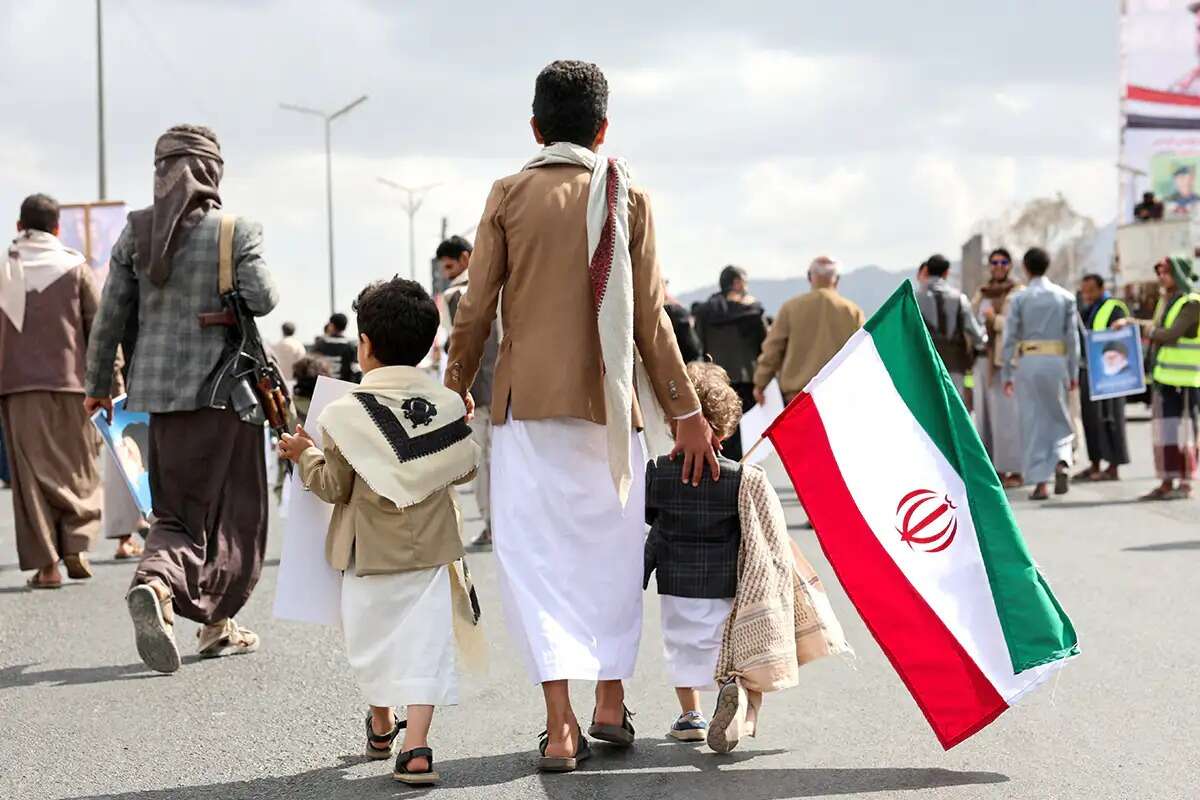
t filled, but instead opened the door to the Houthis and extremist groups. What is happening today is in part the price of Saudi policy.
"If Riyadh truly wanted to confront the Houthis and protect regional security, it needed to understand that weakening southern forces and the Southern Transitional Council would not weaken the Houthis, but would pave the way for them to advance south and toward Bab al-Mandab. The equation has become clear – the more the active forces in the south are pushed to the margins, the more the vacuum expanded. And as the vacuum expanded, the Houthis and extremist groups found room to expand over a wider range."