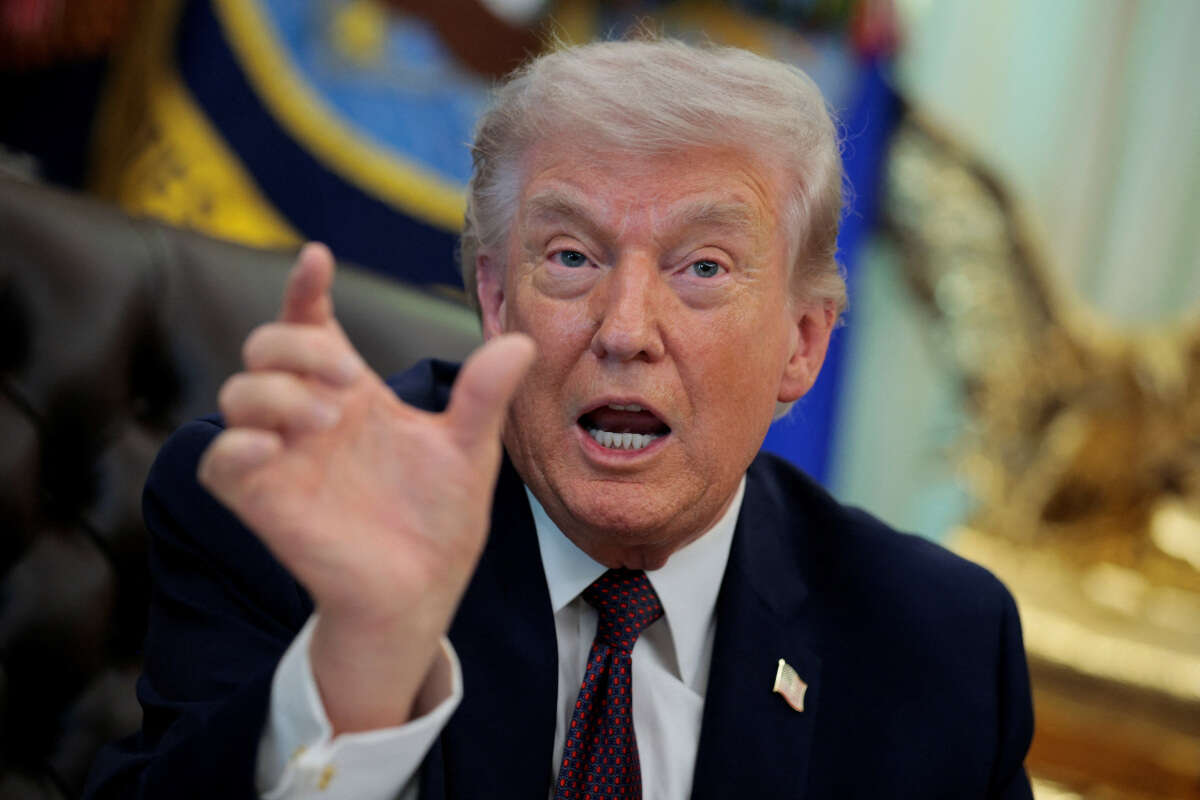
The Supreme Court halted the Trump administration's push to impose sweeping new restrictions on mail ballots ahead of the midterm elections, the Washington Post reported.
The decision dealt a significant setback to President Donald Trump. Election procedures remain unchanged, sparing millions of voters planning to cast mail ballots in races that will decide control of the House and Senate. Roughly a third of voters cast mail ballots in 2024.
The majority offered no detailed reasoning, leaving a lower court's block on the plans intact and finding the administration was "unlikely to succeed on the merits of its challenge." Justice Brett M. Kavanaugh, concurring, said there was "at least a fair prospect" the administration's actions fell within its authority, but that imposing the changes now "would be arbitrary and capricious" given the lack of preparation time.
Justices Samuel A. Alito Jr. and Clarence Thomas dissented, with Alito arguing the challengers likely lacked standing while faulting states and courts, saying they "bear a substantial share of the blame" for the compressed timeline.
Election officials from both parties have called the changes extremely difficult, if not impossible, to implement with less than two months to go. An unnamed whistleblower warned the rushed, poorly tested system risked disenfranchising voters; the administration disputes this assessment.
According to the Washington Post, Trump's administration says the restrictions, unveiled in a March executive order, are needed to combat fraud, which Trump has repeatedly claimed – without evidence – is widespread. States would need barcoded envelopes and voter lists; the Postal Service would refuse ballots from noncompliant states.
States and voting rights groups argued Trump exceeded his constitutional authority. The League of Women Voters wrote in their Supreme Court filing that "the Rule would disrupt the administration of mail voting mid-election and disenfranchise eligible voters nationwide, including voters in all-mail states like Colorado and Utah and elderly, rural, and disabled voters who must vote by mail."
Colorado Secretary of State Jena Griswold called the ruling a win for democracy, saying, "Trump's attempt to sabotage the 2026 elections has failed." Common Cause president Virginia Kase Solomón added that "this executive order was a blatant power grab designed to silence voters and undermine our elections, but it failed because the people and the law were on our side."
The White House and Justice Department did not respond to requests for comment.
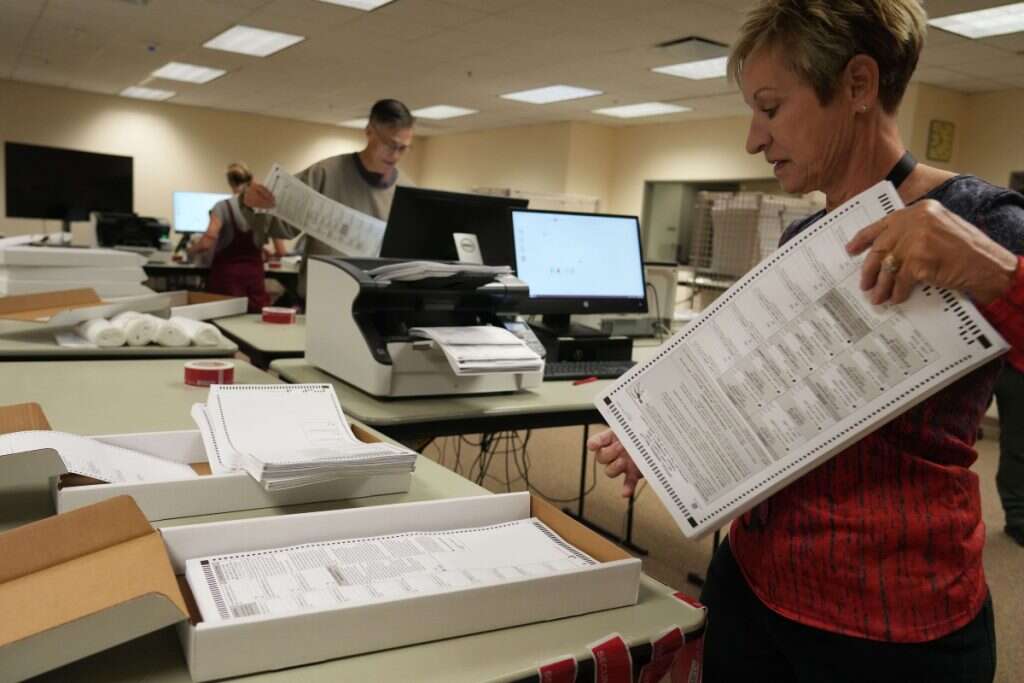
The order applies only to the midterms; litigation continues over future elections. The administration had separately asked justices to overturn an injunction from Judge Indira Talwani, arguing in its appeal that "the Rule ensures that States remain responsible for determining voter eligibility and eligibility to vote by mail, and it does not dictate ballot content, mailing or receipt deadlines, or ballot-counting procedures."
It added that "the Rule thus plainly does not seize control of States' administration of elections – it simply imposes reasonable preparation requirements for certain election-related mail." A separate federal ruling by Judge Carl J. Nichols found the plan "likely exceeds the authority Congress conferred on the Postal Service."
Sen. Richard Blumenthal, who released a whistleblower complaint, said, "the Postal Service has designed a system to disenfranchise millions of Americans," while a Postal Service spokesperson countered his statement, saying, "Americans can have confidence that their election mail will be handled securely and delivered reliably."
A hundred election officials warned in a brief that "the court should understand that what hangs in the balance is every eligible voter's right to cast their ballot and have it counted."
A dozen Republican-led states called the changes "commonsense," and said that "allowing the federal government to promulgate final rules advancing election integrity reforms enhances the ability of states to ensure the security of mail voting within their jurisdictions."