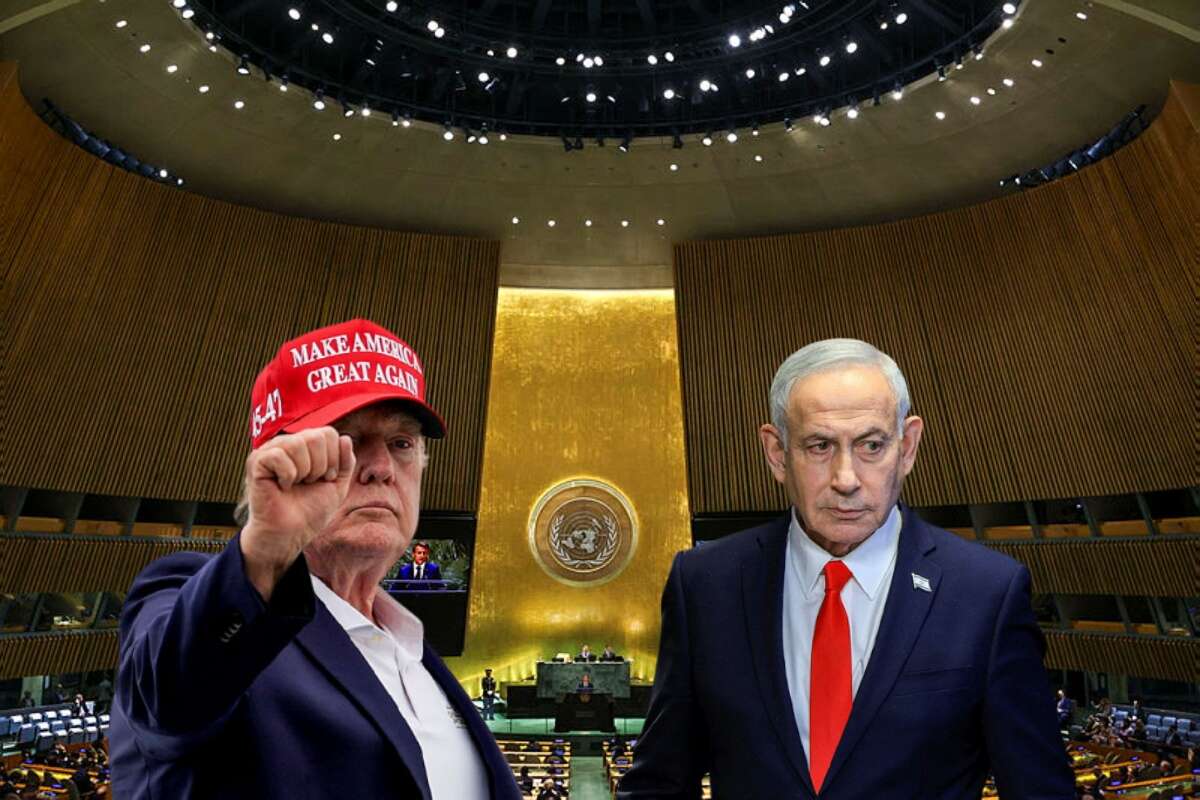
For one week, a few square miles in Manhattan will transform into the epicenter of international diplomacy. More than 150 presidents, prime ministers, and foreign ministers are slated to converge on the UN headquarters in New York for the annual General Debate, packing their schedules with hundreds of closed-door meetings, hotel summits, and diplomatic events.
"There is nothing like the UN General Assembly," US Ambassador to the UN Mike Waltz noted during a press briefing. "It is the one place, once a year, where everyone gathers and can talk."
The general debate kicks off Tuesday. The agenda will be dominated by the war with Iran, the future of Gaza, the broader Palestinian campaign, and a brewing battle over the future of the UN itself.

Following opening remarks by the assembly president, Secretary-General Antonio Guterres will step to the podium for his final address during a high-level UN week. After nearly a decade at the helm, his second and final term concludes on December 31.
In an interview preceding the summit, Guterres warned against the ongoing paralysis of the Security Council, the spread of a culture of impunity, and the mounting threats posed by wars, artificial intelligence, the climate crisis, and global inequality. Looming in the background is the organization's severe cash crisis, which has already forced cuts to the budget, personnel, and peacekeeping forces.
The race to succeed him remains wide open. While the official process began in November 2025 and secret Security Council voting rounds started this past July, a clear frontrunner has yet to emerge. In the third straw poll conducted Friday among Security Council members, Rebeca Grynspan – the Jewish candidate from Costa Rica – took the lead.
Despite this, no candidate has secured a breakthrough, let alone a consensus among the five veto-wielding powers. Officials familiar with the process have not ruled out the late entry of a dark horse candidate outside the current field of eight, a scenario that has played out in the past. Whoever takes the reins will inherit not just a cascade of global crises, but an organization buckling under immense political and financial strain.
Trump and the Strait of Hormuz in focus
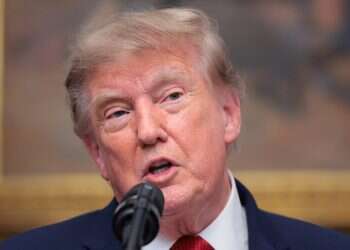
Following the opening addresses, Brazil will maintain its tradition as the first nation to speak, followed by the US. President Donald Trump will return to the UN stage a year after an awkward incident in which the escalators carrying him and Melania Trump abruptly halted, and his teleprompter malfunctioned mid-speech. He claimed at the time that it was "sabotage" and has repeatedly brought up the incidents over the past year, most recently this past Friday in the Oval Office.
According to a White House briefing, Trump plans to highlight his administration's handling of conflicts left unresolved by his predecessors, emphasizing that he will not pass them on to the next administration. He is expected to underscore the demand that Iran never acquire a nuclear weapon, review the progress of the 20-point plan for Gaza, discuss developments in the Western Hemisphere, and outline proposed reforms for the UN.

Addressing the UN's budget crisis, a senior administration official explained that the US government aims to "do fewer things, better" and wants to steer the organization back to its core focus on peace and security.
Following his address, Trump will conduct separate bilateral meetings with the prime ministers of Britain and Japan, followed by a joint session with Gulf state leaders. Those discussions are expected to center on the war with Iran, the blockade and shipping lanes in the Strait of Hormuz and ongoing efforts to reach a regional settlement.
The president will depart New York later that evening. With Chinese President Xi Jinping scheduled to land in Washington on Wednesday for a state visit, Trump plans to personally welcome him at Andrews Air Force Base. Consequently, his schedule will not overlap with Prime Minister Benjamin Netanyahu's time in New York.
Iran restricted to a small delegation
Iran will take its turn on Wednesday morning. The State Department confirmed that President Masoud Pezeshkian and Foreign Minister Abbas Araghchi will lead a "core delegation" that has been granted visas, though the group is significantly smaller than last year's contingent. Iranian delegates will face strict movement restrictions and a prohibition on purchasing luxury items and other goods. Their permitted travel is confined primarily to the UN headquarters, the Iranian diplomatic mission, the ambassador's residence, and JFK Airport
Pezeshkian is anticipated to strongly condemn the war and American pressure, taking particular aim at the blockade and sanctions enforced under Operation Economic Outcast – a concerted campaign designed to sever the financial lifelines of the Iranian regime and the Revolutionary Guards.
In stark contrast to the Iranian presence, Palestinian Authority President Mahmoud Abbas will deliver his address Thursday morning via video link, as the US has denied him a visa for the second consecutive year.
The State Department stated that the PLO and the Palestinian Authority have failed to uphold their obligations, have actively worked to internationalize the conflict through the International Criminal Court and the International Court of Justice, have attempted to bypass direct negotiations via unilateral recognition, and have continued to pay stipends to terrorists while glorifying terrorism in official statements and textbooks. Abbas, conversely, is expected to frame the recent wave of Western recognition for a Palestinian state as a major diplomatic victory, detailing the plight of the Palestinians while placing the brunt of the blame squarely on Israel.
Netanyahu's speech
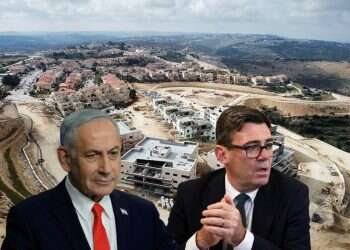
Netanyahu is scheduled to take the podium Wednesday afternoon. His trip has been compressed into a roughly 24-hour window due to the Jewish High Holy Days and the ongoing Israeli election campaign. The prime minister is expected to land in New York on Wednesday night, hold a select few diplomatic meetings, deliver his address, and fly back to Israel that same evening.

As previously noted, a meeting with Trump is not on the agenda. While the two leaders met at the White House roughly two months ago, the absence of a face-to-face sit-down during this UN visit remains relatively unusual. Since 2009, a meeting with the US president has been a fixture in roughly two-thirds of Netanyahu's trips to the General Assembly, whether in New York or Washington.
Few details have emerged regarding the content of Netanyahu's speech, and considerable attention will be focused on the atmosphere both inside the assembly hall and on the streets outside. Last year, numerous delegates staged a coordinated walkout the moment Netanyahu began speaking. Israeli Ambassador to the UN Danny Danon predicted that "another show" might unfold this year, yet he stressed that Netanyahu is a seasoned statesman who will deliver his message regardless of any attempts to disrupt the speech.
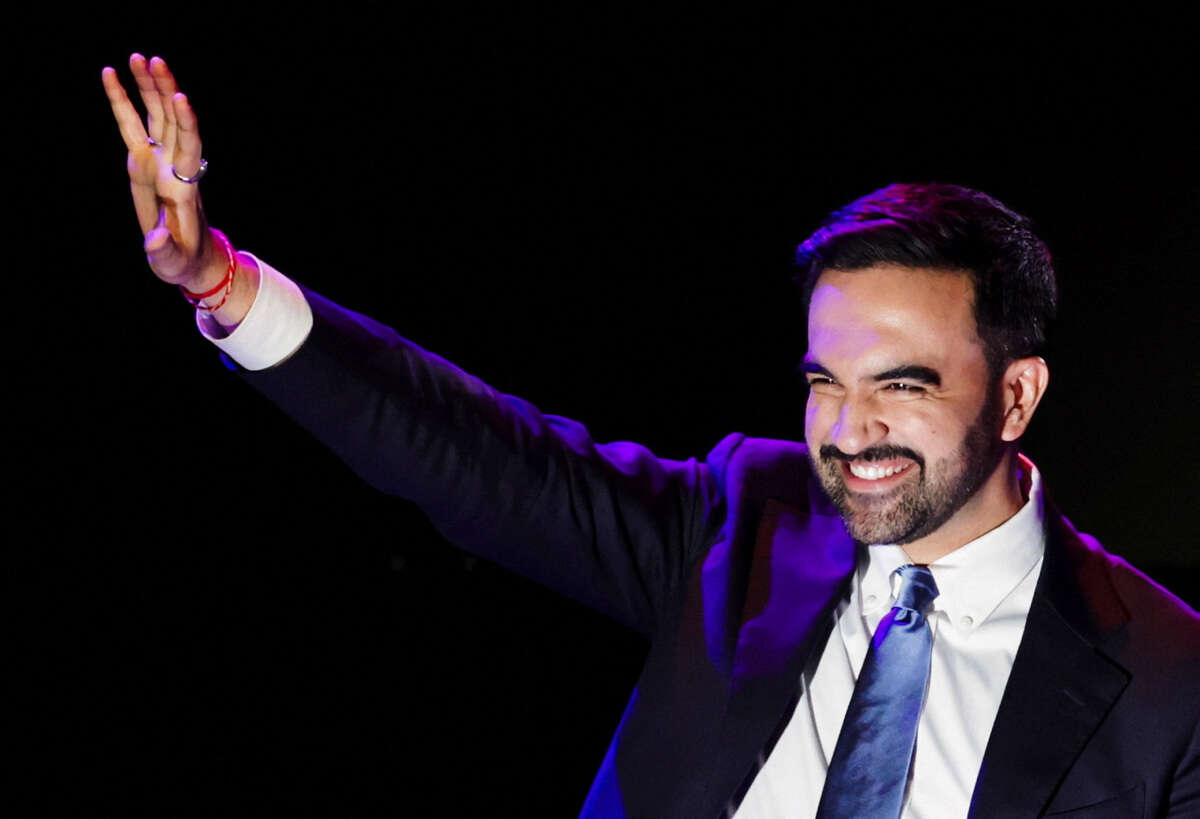
New York City Mayor Zohran Mamdani has also become a factor in the surrounding controversy. In July, he actively encouraged opponents of Netanyahu's visit to exercise their right to protest, noting that he lacked the authority to arrest the Israeli leader as he had promised during his election campaign. Mamdani softened his tone this week, clarifying that he would not personally call for or participate in the protests, opting instead to leave the decision up to the city's residents.
Danon contended that this belated clarification does not erase Mamdani's prior statements.