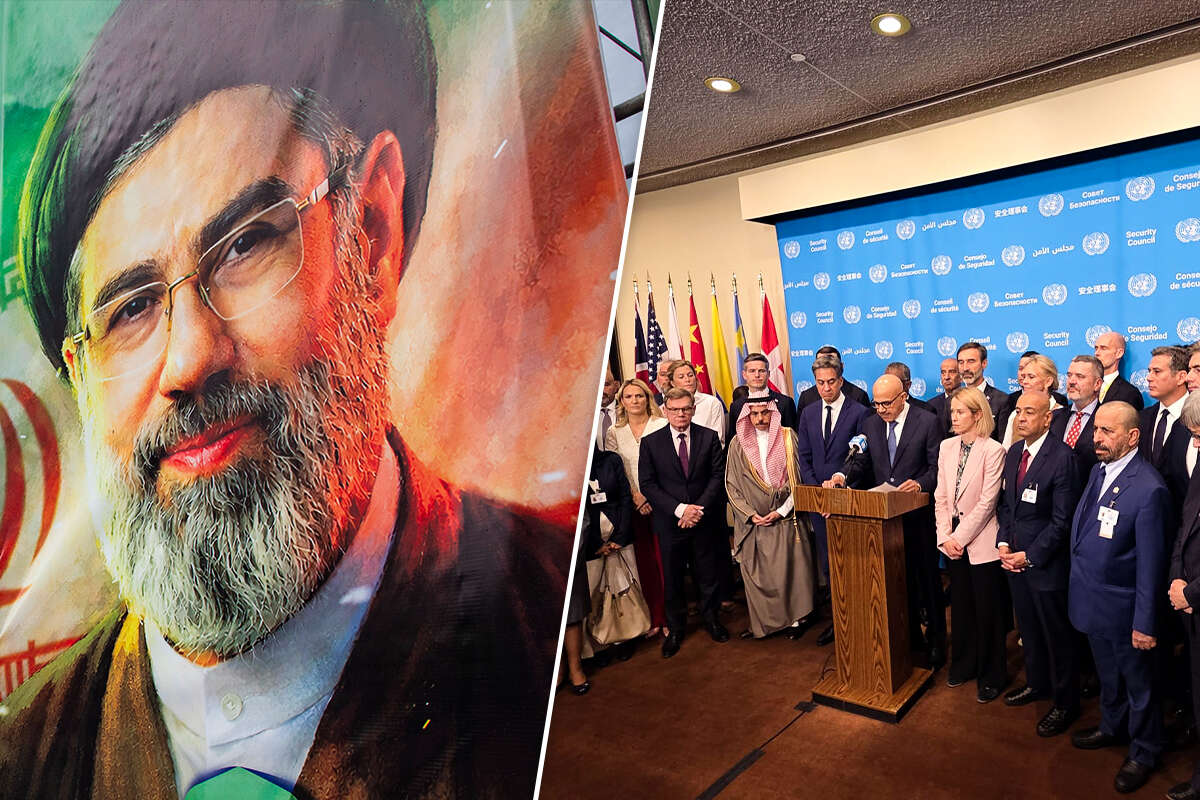
Led by Bahrain, some 80 countries on Thursday condemned Iran and the Houthis over disruptions to shipping in the Strait of Hormuz and Bab el-Mandeb, Bahraini Foreign Minister Abdullatif bin Rashid Al Zayani told Israel Hayom at UN headquarters. The European Union was also among those condemning the actions.
"Iran's actions in the Strait of Hormuz continue to threaten international security and navigational rights and freedoms," the joint statement said.
The countries called for the full and immediate reopening of the strait, without the imposition of unlawful fees, conditions or payments. They also strongly condemned "the Houthis' decision to resume conflict in Yemen," their continuing attacks on Saudi Arabia and their attacks in the Red Sea.
"We remain steadfast in our support for Security Council Resolution 2817 and call for its immediate implementation," the statement said.
The resolution, adopted in March, condemned "in the strongest terms" Iran's attacks on Gulf states and Jordan and demanded that Tehran halt actions aimed at disrupting maritime trade.
"We condemn the ongoing attacks by the Islamic Republic of Iran against countries in the region and the disruption it is causing to international trade, energy security and the global economy," the countries added.
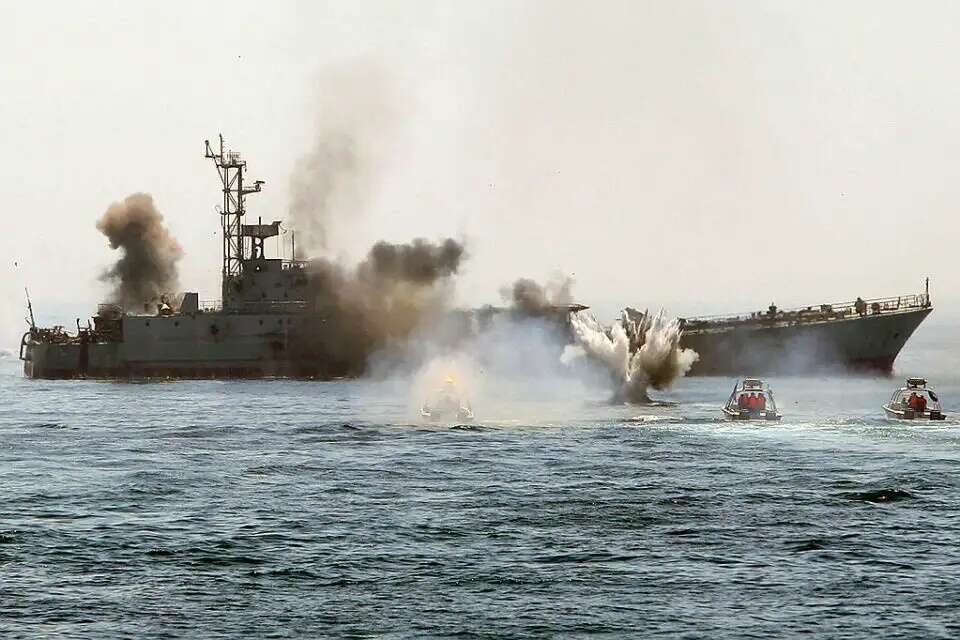
'Iran is putting innocent lives at risk'
"Shipping and seafarers must never be used as leverage, and we condemn Iran's actions that put innocent lives at risk," the statement said.
The countries also cited a warning issued last month by UN Secretary-General António Guterres: "These crises are choking arteries of global trade and squeezing the global food system especially hard. The result is clear: higher prices, deepening hunger, weaker harvests, and greater suffering, especially for the world's most vulnerable people."
Asked by Israel Hayom whether there was any prospect of a diplomatic solution with Iran's current regime, Al Zayani said diplomacy was always preferable and that such a solution remained possible. However, members of the Bahraini delegation expressed considerable doubt that such a prospect actually existed.
A diplomat from another Gulf state told Israel Hayom that a diplomatic solution would be possible only if the regime were brought "to its knees," as he put it, economically. The diplomat expressed hope that the US administration would not halt the economic pressure or the enforcement of sanctions.
"That is the main pressure point on Tehran and the reason they are engaging with the US," he said.