German prosecutors are investigating a 105-year-old man suspected of being an accessory to multiple murders at a Nazi prisoner-of-war camp during World War II.
The suspect, whose name and other identifying details have not been released by German authorities, allegedly served as a guard at Stalag 326 VI K in the Senne region of northwestern Germany.
A similar case involving another former guard at the Senne camp had also been under investigation, Dortmund public prosecutor Sonja Frodermann said in a statement. That suspect died a few months ago at the age of 99, she said.
No further details about the two former guards have been released. The cases illustrate the difficulties facing prosecutors who continue to investigate crimes committed under the Nazi regime, as most of the remaining suspects have either died or are now extremely elderly.
More than 5.3 million Soviet Red Army soldiers were taken prisoner by Germany during World War II, and an estimated half died in captivity. Many of those who survived were treated as traitors upon returning home. The prisoner-of-war camp, or Stalag, in Senne was one of the largest such camps.
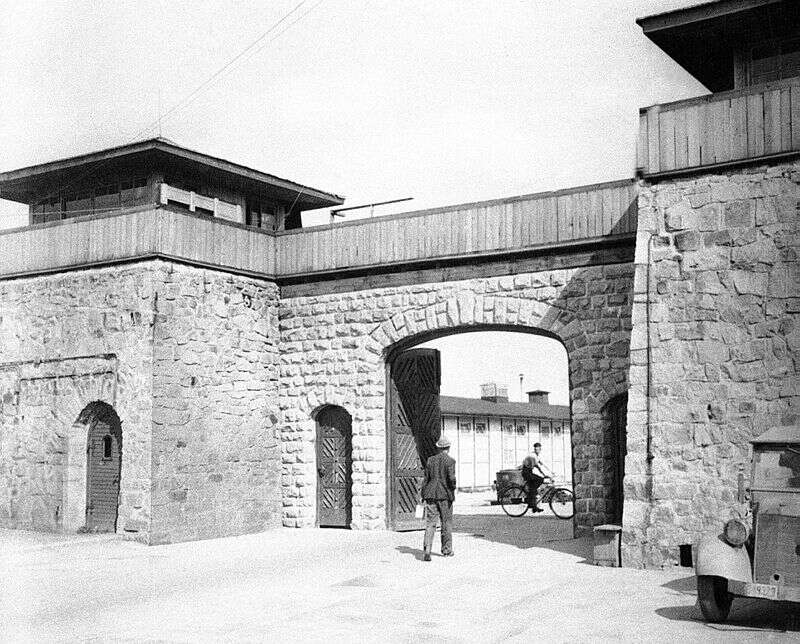
According to the Stalag 326 memorial site, one in three Soviet prisoners of war who arrived in Nazi Germany between 1941 and 1945 passed through the Senne complex and were often sent from there to perform forced labor throughout the surrounding region. Conditions at the camp were appalling, with prisoners subjected to severe mistreatment and acute malnutrition.
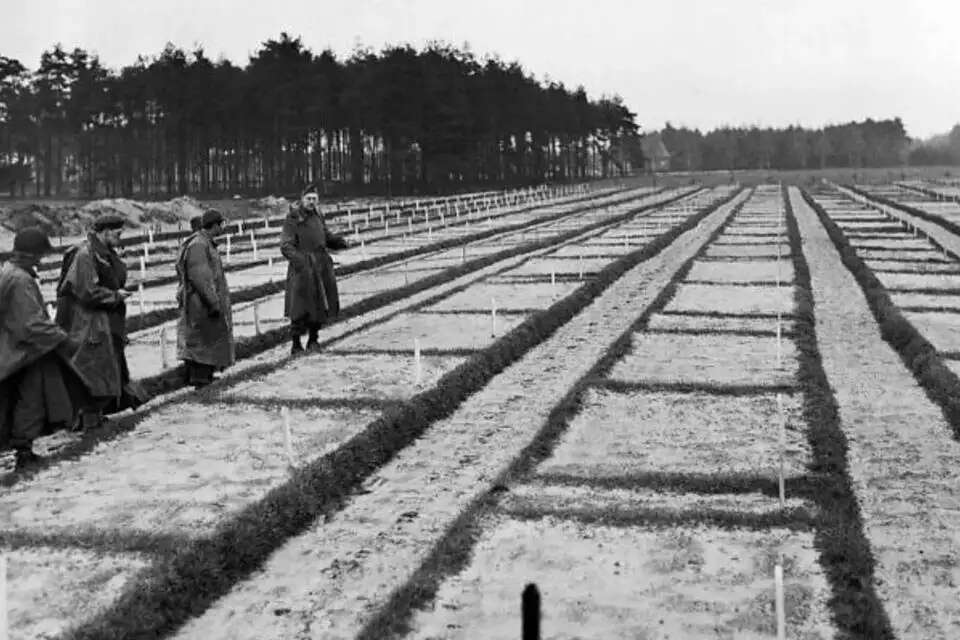
Between 180,000 and 200,000 Soviet prisoners of war were registered at the camp. Many died, and tens of thousands are buried there. Prisoners from France, Poland, Serbia and Belgium were also held at Senne. When the camp was liberated in 1945, more than 9,000 Soviet prisoners of war remained alive there.
Prosecutors stressed that the investigation into the 105-year-old man remains ongoing and that the allegations of complicity in multiple murders relate to his activities at Stalag 326 VI K.
Germany has had no statute of limitations for murder since 1979, allowing Nazi-era perpetrators and those accused of aiding such crimes to continue to be prosecuted decades later.
Another former camp guard, also a centenarian, is reportedly under investigation over his service at Stalag VI A in Hemer. Bringing alleged perpetrators to justice more than 80 years after the end of the war, however, has become increasingly difficult.

Four years ago, Josef Schütz, then 101, was sentenced to five years in prison for complicity in murder while serving as a guard at the Sachsenhausen concentration camp. At the time, Schütz was the oldest person ever prosecuted and convicted in Germany over Nazi-era crimes.