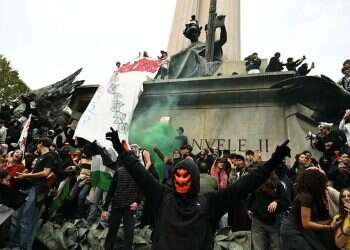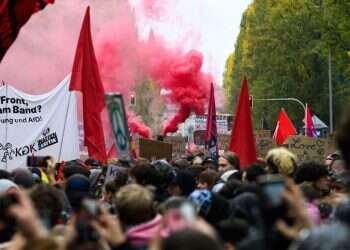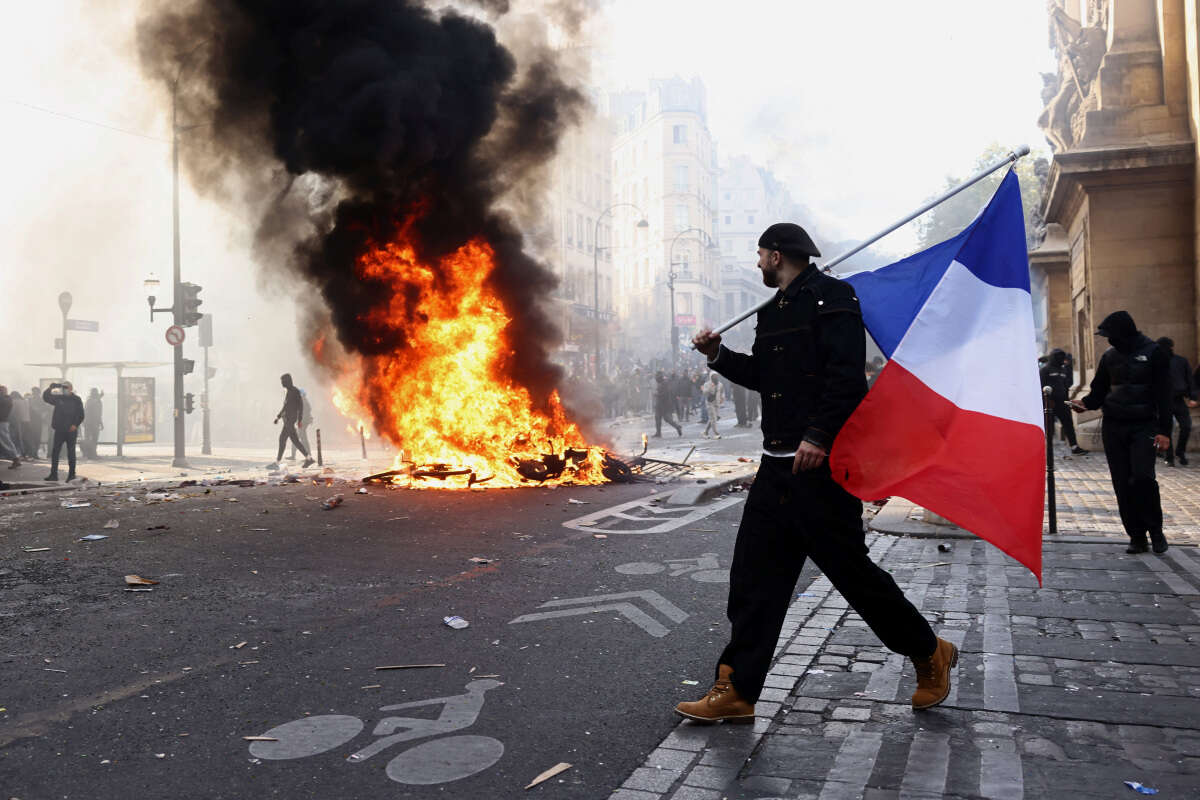
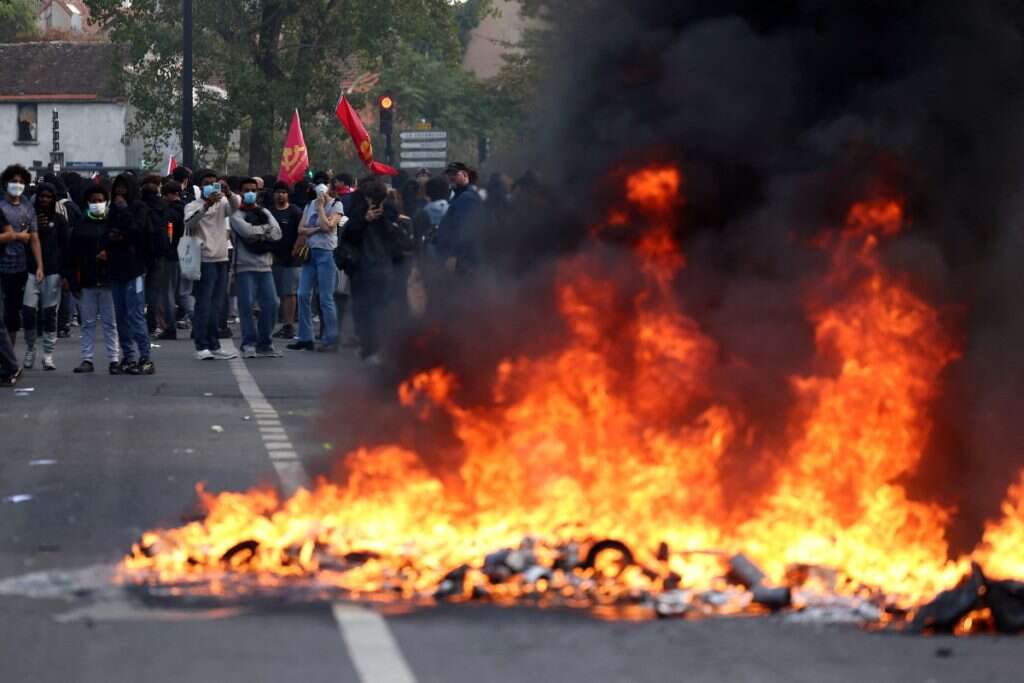
France is bracing for a general strike on Thursday that threatens to paralyze transport and disrupt services nationwide after weeks of unrest, that was violent at times, The New York Times reported.
The walkout is a fresh challenge for a government already under pressure. What started in September as students barricading their schools has since grown into widespread street disorder. Unions are targeting the rising cost of living and proposed budget cuts, and both public and private sector workers are taking part. Flights, trains, schools, hospitals and banks are all expected to feel the effects.
Interior Minister Laurent Nuñez said on Wednesday that more than 220 demonstrations were planned and that 70,000 police officers would be on duty, the same number as over the last two weekends.
The union-called marches are expected to unfold more conventionally than the student-led protests. Still, "there are clear attempts to make the situation escalate," Nuñez said, adding, "so, the police deployment will respond accordingly, with the constant objective of ensuring that the marches proceed properly, and that there are no abuses, no violence, and no looting."
Although it is not formally part of the student movement, the strike plainly aims to express solidarity with it. Students are expected to march, as well as members of the "yellow vest" movement, whose protests over high fuel prices rocked France from 2018 to 2020.
Tension has been high since October 17, when a largely peaceful protest turned to looting, arson and violence in several cities. Later rallies caused less damage but still ended in clashes. Last Saturday, protesters hurled Molotov cocktails at riot police, setting at least one officer briefly ablaze and provoking outrage from officials and politicians.
Nuñez told a Parliament hearing that the authorities had foreseen each risk separately but not all at once, and he acknowledged a "failure." "I take responsibility for this failure to anticipate," Nuñez said, "for not having foreseen that all these events, which had been predicted by intelligence agencies, would occur simultaneously in a scattered manner, thereby overwhelming the police response."
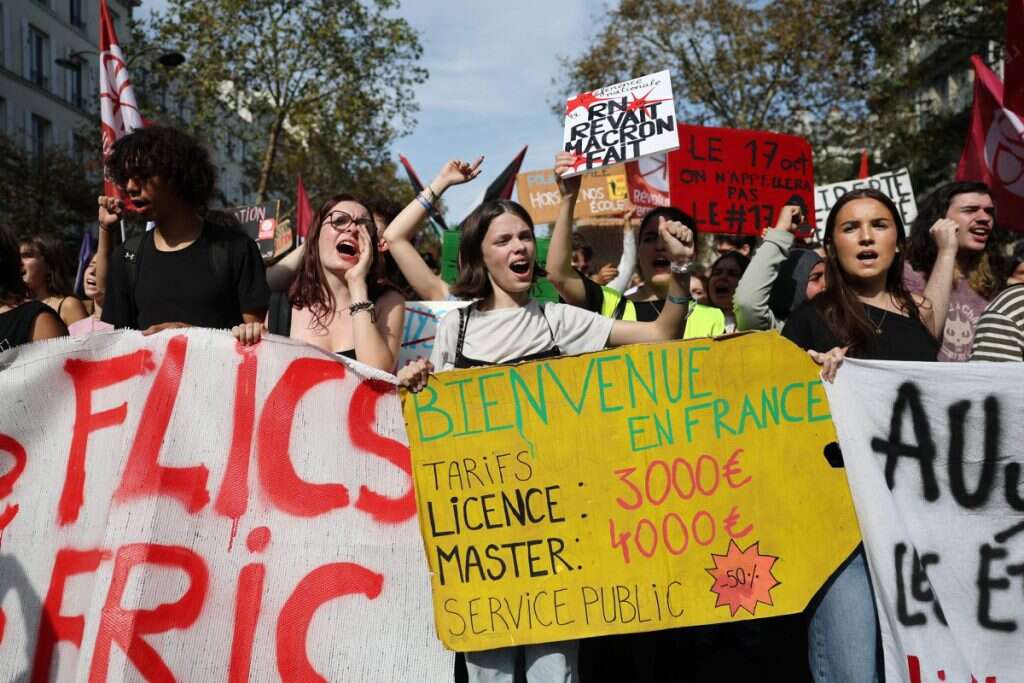
Hard-hit cities have banned unauthorized gatherings, imposed curfews – sometimes only for minors – and moved marches to the outskirts, away from shopping and tourist districts. School protests appear to be fading since the midterm break ended Monday, with at most 50 of over 3,700 high schools blockaded this week, the education ministry said.
"Ninety-nine percent of high school students have returned to school," France's education minister, Édouard Geffray, said on Tuesday. "And in fact, when we block a school today, we jeopardize the success of high school students."
Even so, more than 17% of the ministry's workforce of one million were expected to strike, while rail unions have called walkouts that will mostly hit regional and commuter services. Postal and other public service unions have urged members to participate, as have banking unions. Bank unions are demanding action over "insufficient pay raises, job cuts and deteriorating working conditions" as annual wage negotiations approach.