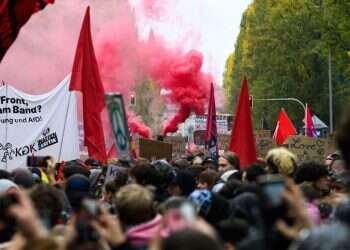
For years, Europe's debates over the younger generation, the difficulties of integrating immigrants and the crisis in education largely played out in newspaper columns and government corridors. Now, those problems have spilled out of meeting rooms and the neighborhoods where they were once concentrated, reaching city centers, shops and main streets. Alongside legitimate protests, most of which have remained peaceful, a disturbing pattern of looting, vandalism and violent confrontations is spreading.
Europe is beginning to recognize the emergence of a different kind of younger generation, one raised on social media, willing to challenge the established order and take risks. Watching the looting and riots unfold, Europeans are asking themselves where the continent is headed. How should Europe confront the challenges of immigration and integration? And do young people understand that a growing tide of extremism could ultimately lead to destruction?
It all began in September in Créteil, a suburb southeast of Paris, when teachers at a local high school went on strike over staff shortages. Students joined them, blockading the school, and within days the protests had spread across France. But the unrest quickly moved beyond education. Students set fire to garbage bins, launched fireworks and attacked school administrators, while the demonstrations broadened into protests over the cost of living and fuel prices.
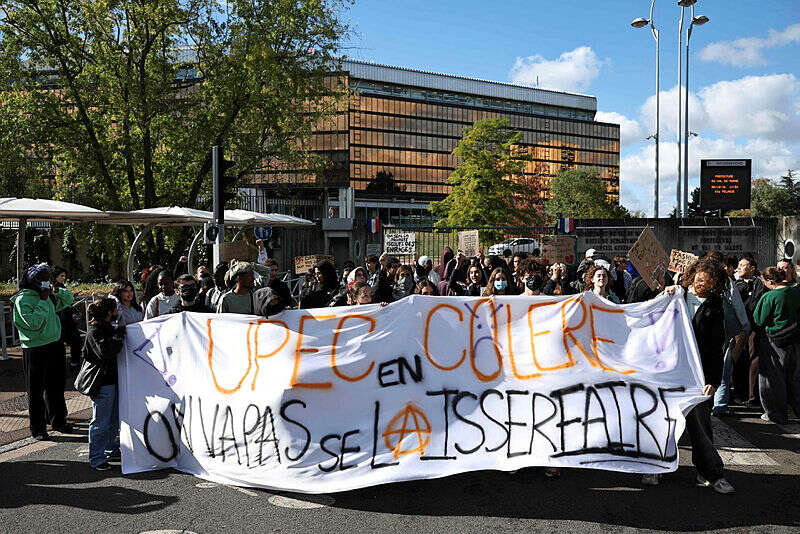
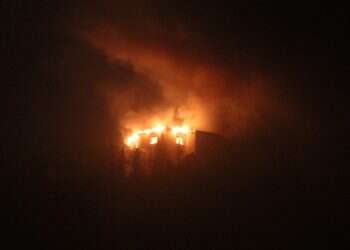
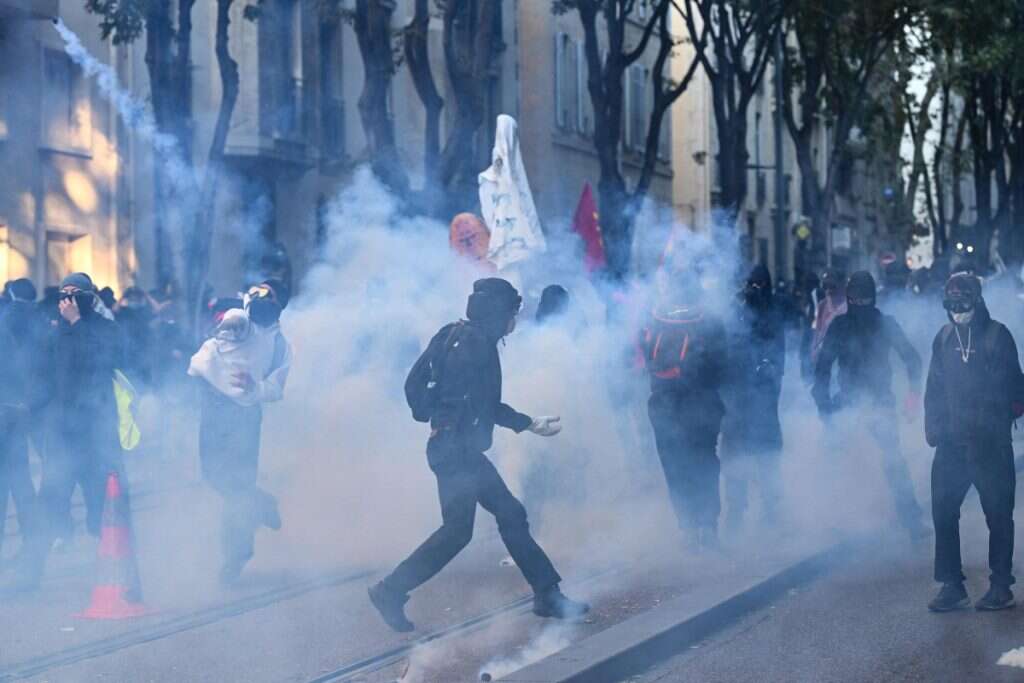
On Oct. 17, hundreds of thousands of people took to the streets, and the demonstrations descended into full-scale riots. In Marseille, rioters briefly stormed City Hall, while in Limoges, the municipal building was set ablaze. According to the French government, at least 3,000 stores were damaged or looted, thousands of people were arrested, and nighttime curfews were imposed in several cities. Radical left-wing leader Jean-Luc Mélenchon backed the protests, while Marine Le Pen, who has called for restoring law and order, could emerge as a political beneficiary of the chaos.
But the unrest is no longer confined to France. In Belgium, police used tear gas and water cannons against demonstrators in Brussels and Liège, arresting more than 100 people. Belgian Interior Minister Bernard Quintin said the unrest was "no longer simply a protest," describing it as "pure and simple violence, organised and repeated with the aim of destabilising our society." Student demonstrations also took place in Athens, Tirana, Dublin and Vienna.
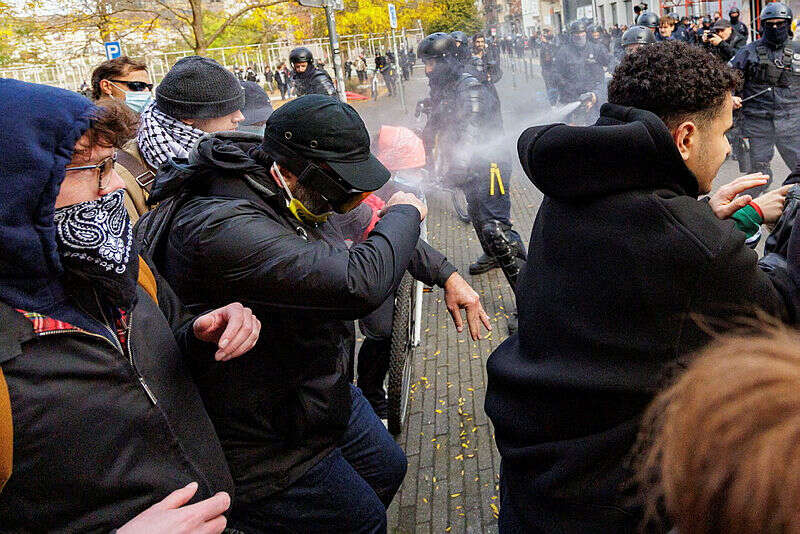
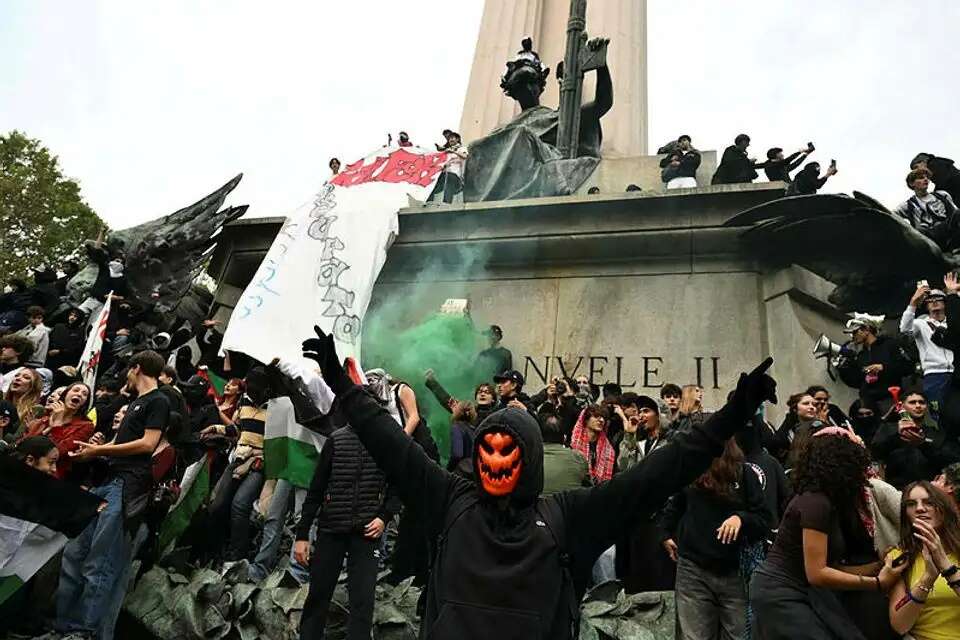
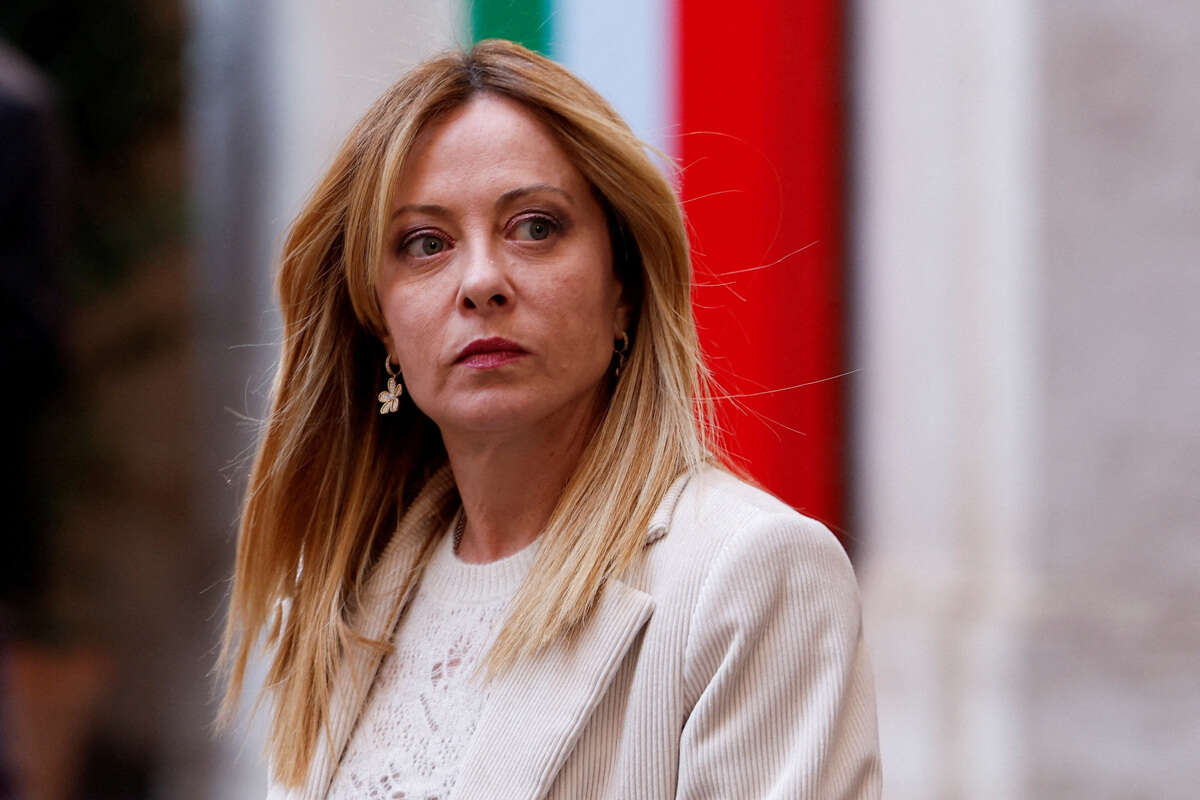
In Italy, thousands of young people joined "No Meloni Day" demonstrations against Prime Minister Giorgia Meloni, with clashes reported in Rome, Turin and Bologna. The following weekend, serious riots erupted in Milan, where rioters looted stores, police officers were injured, and hundreds of people were detained or arrested. Meloni's government reinforced security in the city by deploying an additional 500 troops.
In Spain and Portugal, the protests have centered on the housing crisis. In Spain, Maricarmen Abascal, 87, became a symbol of the struggle after being carried out on a stretcher during her eviction from the Madrid apartment where she had lived since 1956. The case helped fuel nationwide protests that, together with parliament's rejection of the government's proposed housing measures, prompted Prime Minister Pedro Sánchez to call an early election for Nov. 29. Abascal died two weeks after her eviction.
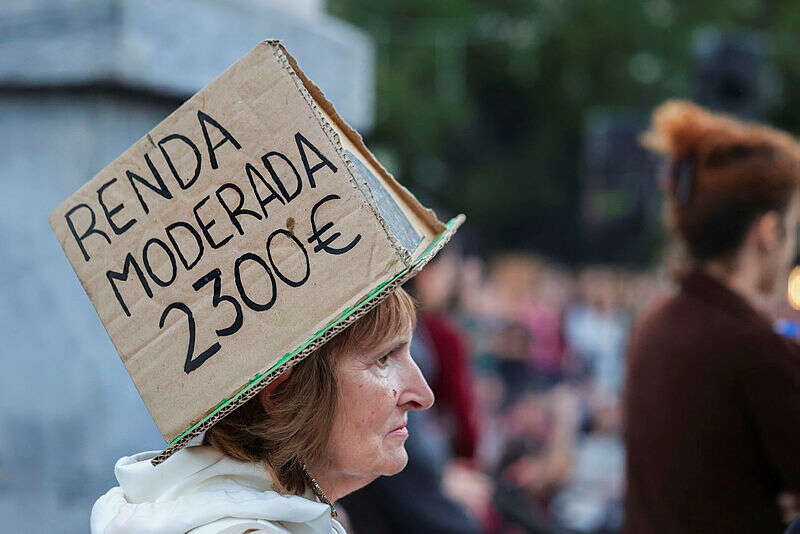
In Portugal, protest encampments sprang up under the slogan "Can't afford the rent? Bring a tent." Police cleared an encampment in Porto in the middle of the night.
In Germany, tens of thousands of young people took to the streets on Saturday as part of the "Gen Z regelt!" campaign, roughly translated as "Gen Z takes charge." Most of the demonstrations were peaceful, but by evening, central Frankfurt had become a battleground. Rioters looted stores, reportedly including a gun shop, and hurled Molotov cocktails at police officers. In the Netherlands, shopkeepers boarded up their storefronts, while soccer fans descended on central The Hague to "defend the city."
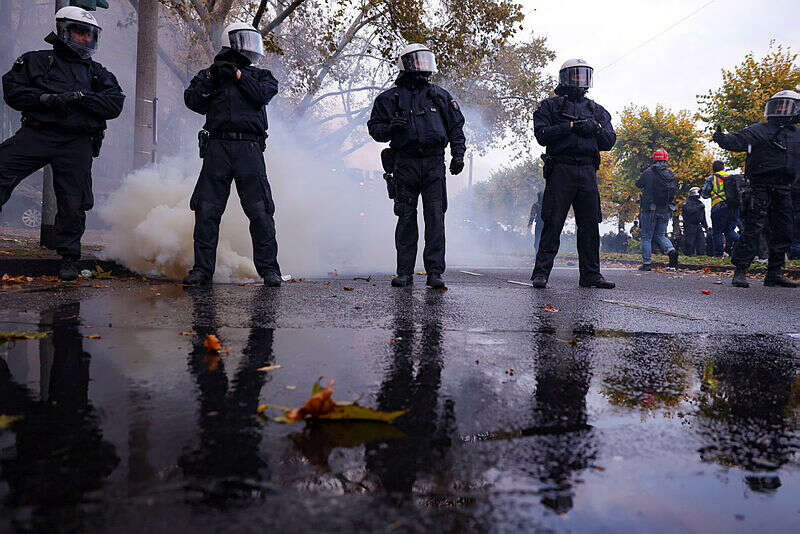
Even traditionally peaceful Switzerland was caught up in the unrest. That same night, hundreds of young people took to the streets of Zurich and Basel under the slogan "We've had enough, even in Switzerland." In Zurich, protesters set barricades and a car on fire and attacked police with fireworks, bottles and stones. Officers responded with water cannons, tear gas and rubber bullets.
Despite the differences between countries, a clear common denominator has emerged: Many young Europeans believe they have fewer opportunities than their parents did.
Immigration has become a particularly contentious issue in the debate. Italian Prime Minister Giorgia Meloni claimed that roughly half of the 330 people detained in Milan were of foreign origin, noting that the youngest was just 11 years old. Her education minister, Giuseppe Valditara, argued that the situation in Italy was "very different" from that in France, where he said the protests had escalated because of difficulties integrating second-generation immigrants. Yet Valditara himself narrowly escaped being struck in the head by a stone during the Milan riots.
The violence has also sparked disputes between European governments. Hungarian Prime Minister Péter Magyar linked the riots in France to immigration, arguing that the destruction and violence demonstrated why Hungary maintained such a tough stance on immigration.
Polish Prime Minister Donald Tusk also defended his country's restrictive immigration policies. "Poland will not repeat the mistakes of other European countries, nor will it pay for them," he wrote on X, adding: "We will be uncompromising on security."
In Belgium, Interior Minister Quintin argued that the roots of the unrest could be traced to France. Germany's government, meanwhile, announced that it was in contact with France and Italy amid concerns that foreign radicals might join demonstrations on German soil.
The Palestinian issue has also become part of the protests. Palestinian flags, keffiyehs and slogans such as "Free Gaza" have appeared at demonstrations in several cities. In Lyon, pro-Palestinian activists burned Israeli and US flags, while in Milan, Palestinian symbols featured in marches against war and the rising cost of living.
According to The Algemeiner, four pro-Palestinian organizations called as early as August for an entire month of demonstrations in France in October, marking three years since the Oct. 7, 2023, Hamas massacre in Israel. One of the organizations, Urgence Palestine, sought to link the student protest movement with pro-Palestinian activism. In Germany, the Central Council of Jews warned of an "increased level of risk" at demonstrations.
The protests show little sign of ending soon. General strikes have been announced in France and Spain for Nov. 5 and 11, 2026, respectively, while an International Youth Strike is scheduled for Nov. 20 under the slogan "Fight for our future, not their wars."
Representatives of 27 youth and student organizations from 11 countries met in Paris on Oct. 17 and 18 to coordinate the action, building on an earlier meeting in Cologne in June that first issued the call for the international strike. Germany's "Gen Z regelt!" movement plans to participate, as does Switzerland's Socialist Youth movement. Some figures on the Swiss Right have already accused the group of trying to import the violence seen in France.
European governments fear that the successive waves of protests could coalesce into an international movement capable of disrupting daily life across the continent. Organizers insist they are planning peaceful actions, but the gap between those assurances and the reality on the streets is growing.
The approaching winter may reduce the number of demonstrators, but it will do nothing to resolve the underlying problems driving their anger: the rising cost of living, the challenges of immigration and the difficulties some communities face in integrating into society.
A sluggish, evasive response will not prevent that mounting anger from turning into chaos.