A formal decree by the Dutch government took effect on September 22, banning across the board the import, sale, brokering and even personal possession of products originating in Judea and Samaria, east Jerusalem and the Golan Heights.
The new order places the burden of proof on importers and travelers regarding the origin of their goods, with the maximum penalty for violating the guidelines or attempting to circumvent them reaching up to six years in prison. After reports surfaced of prolonged, invasive luggage searches at Schiphol Airport, Israel's Foreign Ministry issued an official travel warning.
Dutch enforcement follows the EU table that was created in order to differentiate the various communities' eligibilities for EU-Israel special ties, such as the Association Agreement. The first category, comprising non-eligible locations, marks areas defined as fully boycotted. The second, postal codes requiring further checks, forces importers to approach customs authorities to prove the exact origin of their goods.
There is just one catch. A review of the European Union's official postal code document, the operational backbone for Dutch customs and enforcement authorities, showed that officials in The Hague are no experts on the geography of the Land of Israel. Leaning on postal codes alone including Arab, Druze, and Christian communities, as well as residents who live within pre-1967 borders. The reason for the decision to blindly follow the EU table is unclear, but it could stem from the fact that Dutch law prohibits the specific targeting of communities based on ethnicity or religion; hence resorting to geography provides an easy way out.
Modi'in and Jerusalem neighborhoods in the crosshairs
Business owners in Modi'in-Maccabim-Reut are also affected, at least partially, as the city is listed in the "List of postal codes requiring further checks" because it partially lies beyond the Green Line.
Under that same geographic bloc and postal codes for the Modi'in area, the neighboring towns of Lapid, Shilat and Kfar Ruth are also included in the direct boycott list.
Jerusalem residents are paying for the same flawed method. Because the European Union defines everything beyond the 1967 lines as east Jerusalem, officials in The Hague copied entire ranges of Israel Post postal codes. Dozens of neighborhoods in the capital landed on the blacklist as a result.
That includes neighborhoods under Israeli sovereignty that are beyond the Green Line, such as Pisgat Ze'ev, Ramot, Gilo, Har Homa and French Hill, as well as all the Arab residents of east Jerusalem, which has been annexed to Israel. The Hebrew University campus and Hadassah Hospital on Mount Scopus are also considered settlements even though they were considered part of Israel de jure before 1967.

Druze villages, a Christian monastery and coexistence communities
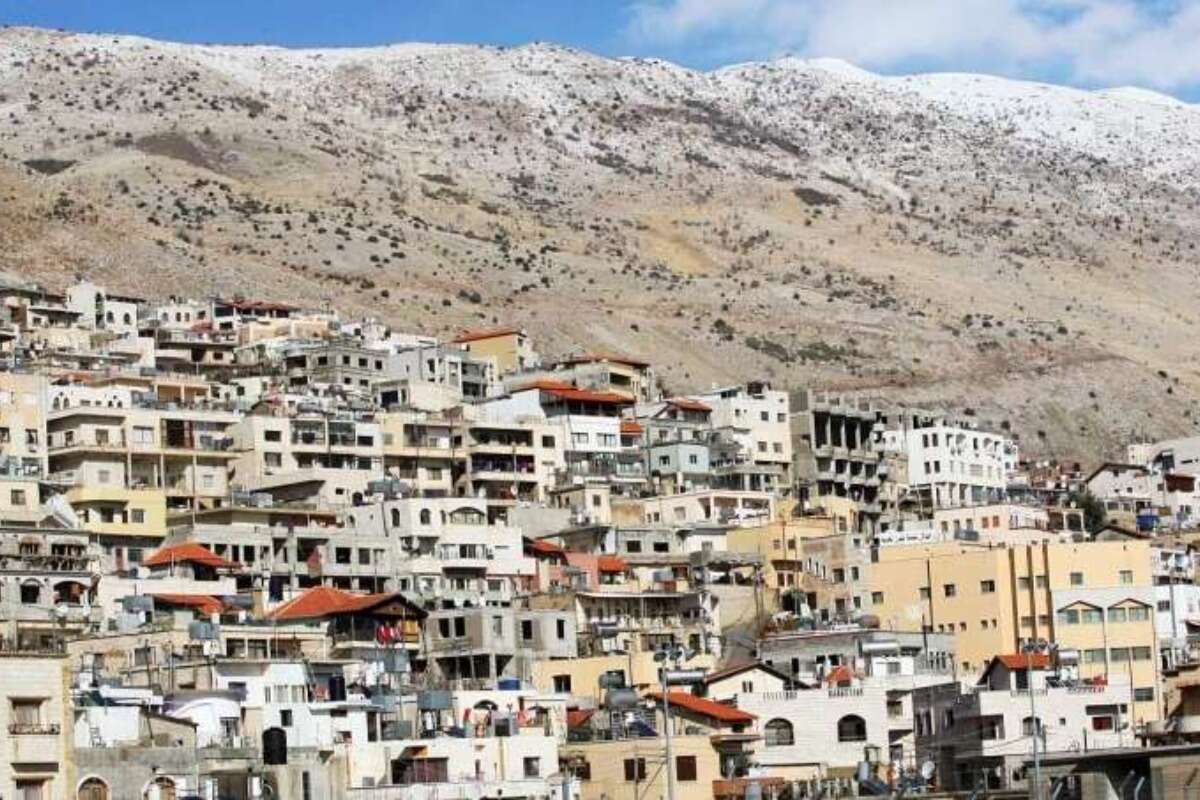
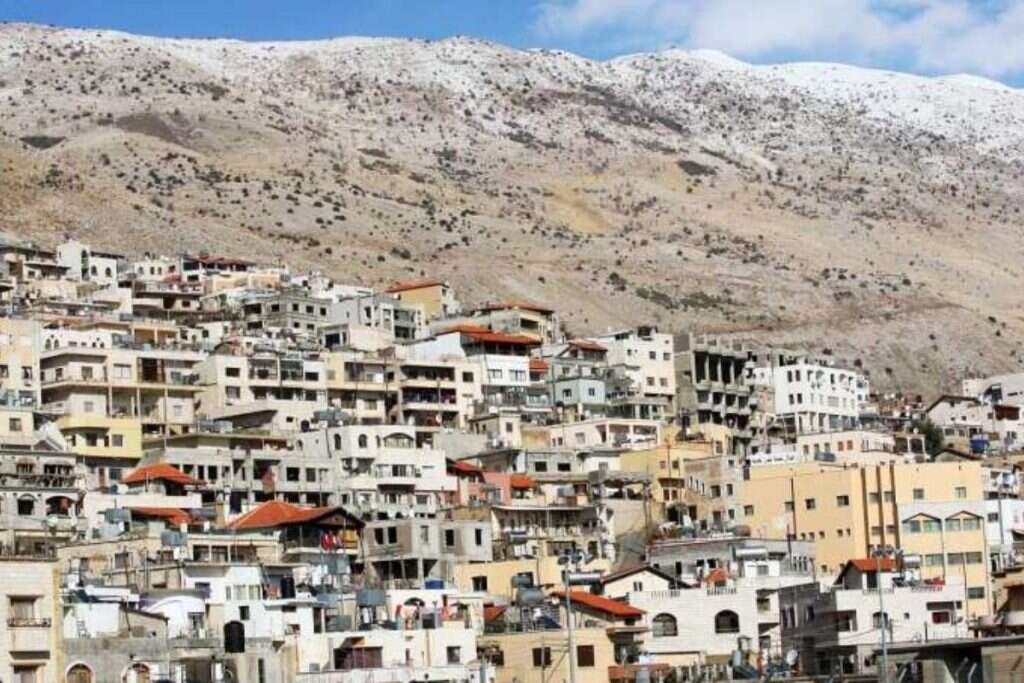
A review of the rest of the document's provisions showed that Dutch blindness does not stop at the Judea region, and it did not spare non-Jewish communities either, for instance in the Golan. The Druze and Alawite towns of Majdal Shams, Buq'ata, Mas'ade and Ein Qiniyye (Druze towns in the Golan Heights), all made the blacklist, alongside the Alawite village of Ghajar (an Arab village straddling the Israel-Lebanon border that was conquered together with the Golan in 1967). Apples, olives and other agricultural produce from these areas now fall under the Dutch trade ban.
Neve Shalom, the Jewish-Arab cooperative village founded to promote coexistence, also made the list, though it landed in the second tier requiring special customs checks rather than an outright ban because it is on the Green Line. Latrun Monastery, the well-known Trappist monastery (an order of monks bound by a vow of silence) in the Latrun area, which belongs to the Cistercian Christian order and produces wine and oil, was also included on the list requiring review.
Nof Ayalon and Sha'alvim, communities near the Green Line in the Ayalon Valley (an area in central Israel), were also flagged under the special review category.
The Dutch move has drawn sharp reactions in Jerusalem. Israel's Foreign Minister recently stripped Dutch representatives working with the Palestinian Authority in Ramallah of their diplomatic status and immunities. Israeli exporters, meanwhile, must now produce detailed supply chain paperwork to prove their goods do not come from the flagged postal codes.
US Ambassador to Israel Mike Huckabee was not indifferent to the new draconian sanctions either, writing on X, "There were some people from Netherlands in our church this [Sunday] morning who are flying back tomorrow and have to check their souvenirs to make sure they aren't from Judea and Samaria, [since that could bring] a possible six year prison term. A Nativity scene set from Bethlehem could put you in prison! Insane!"