Along the northern frontier, the IDF is nearing the completion of its systematic campaign against Hezbollah's border positions. Following the destruction of the massive underground complex constructed by Iran and Hezbollah over two decades near the Ali Taher ridge (near Nabatieh in southern Lebanon), troops continue operations along the designated Yellow Line. While current efforts center heavily on Al-Mansouri (a coastal village in southern Lebanon), counter-infrastructure missions remain active across the sector.
A senior military commander recently noted that the military is exceptionally close to neutralizing Hezbollah's border positions, estimating that 80% to 90% of terror infrastructure south of the Yellow Line has already been demolished. "We are under no pressure to rush," the commander stressed. "We hold this security zone and will maintain our presence until an adequate security alternative is established."
The operation has been progressing methodically. While tactical constraints occasionally cause delays, commanders operate under strict directives from Northern Command to prioritize force preservation over speed. Barring unforeseen disruptions, officials expect to declare the border infrastructure neutralized within weeks, though operations may expand into adjacent sectors.
Concurrently, military planners are restructuring positions to sustain a long-term presence commanding the Yellow Line from dominant ridges and defensible high ground. The posture aims to minimize regular troop deployments, allowing reserve units to demobilize and active forces to resume routine training. Meanwhile, defense officials are working to counter explosive drones, expecting Hezbollah to deploy them again if hostilities resume.
The main diplomatic variable remains the Lebanese government, which continues to publicly advocate for disarming Hezbollah. However, in two pilot zones assigned to the Lebanese Armed Forces (LAF), progress in dismantling terror assets has been minimal, leaving Israeli leadership to evaluate whether and how to advance the initiative.
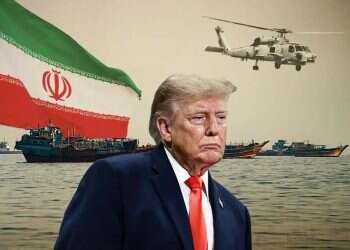
Farther east, the Iranian theater remains deeply tied to U.S. political dynamics, specifically the upcoming midterm elections in November. To navigate the electoral cycle, US President Donald Trump cannot tolerate spikes in global oil prices. Consequently, Washington has moved to stabilize the Iranian front through strategic economic leverage.
For Jerusalem, this framework represents a viable holding pattern so long as Washington maintains severe sanctions and avoids actions that destabilize energy markets. The economic pressure on Tehran has intensified significantly, deteriorating living conditions across Iran.
While long-term regime stability remains difficult to predict – particularly after unfulfilled assertions made during Operation Rising Lion (Israel's 2025 offensive against Iran) – defense officials previously calculated that sustained economic isolation increases internal vulnerabilities. Former Mossad director David Barnea once posited that the regime could fracture within a year of Operation Rising Lion under continued blockade, though operational planners remain pragmatic.
Unilateral action?
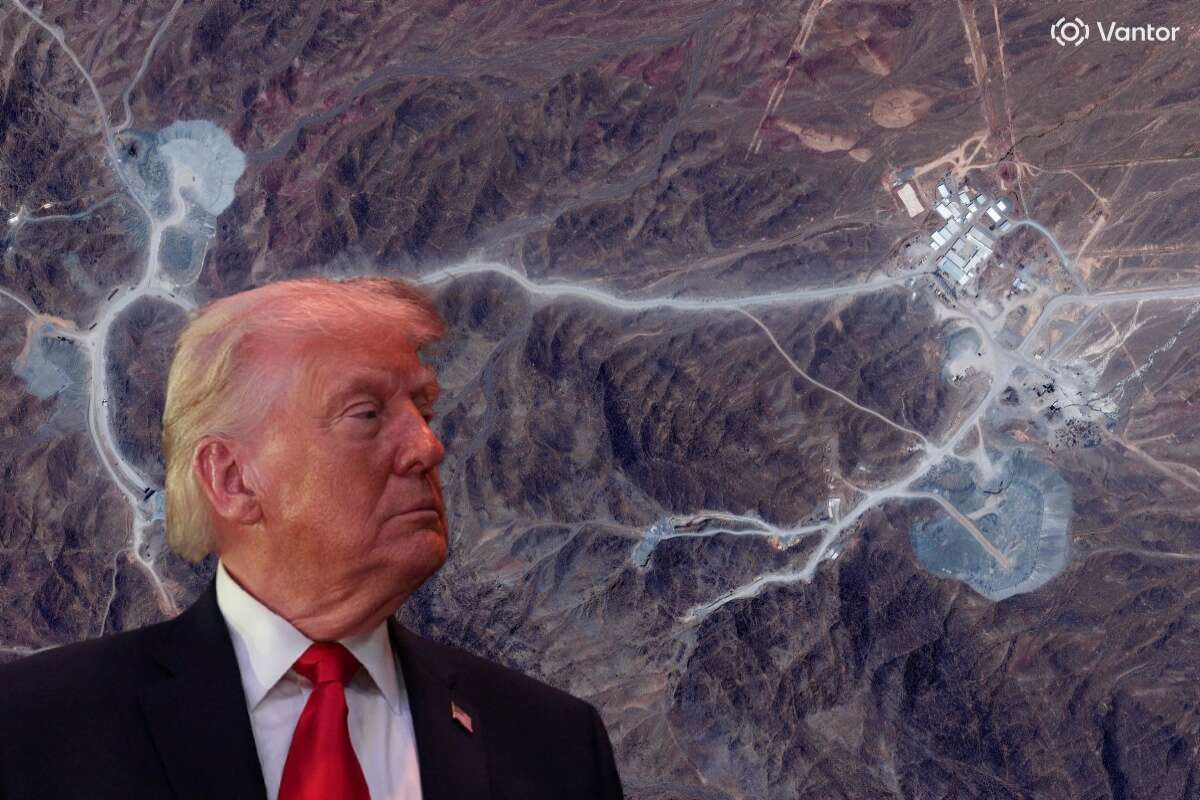
The IDF is actively preparing for subsequent operations against Tehran, independent of US involvement. Intelligence and operational coordination between the IDF and the US military remains tight, marked by continuous staff exchanges. Nevertheless, Israeli forces maintain fully independent contingency plans.
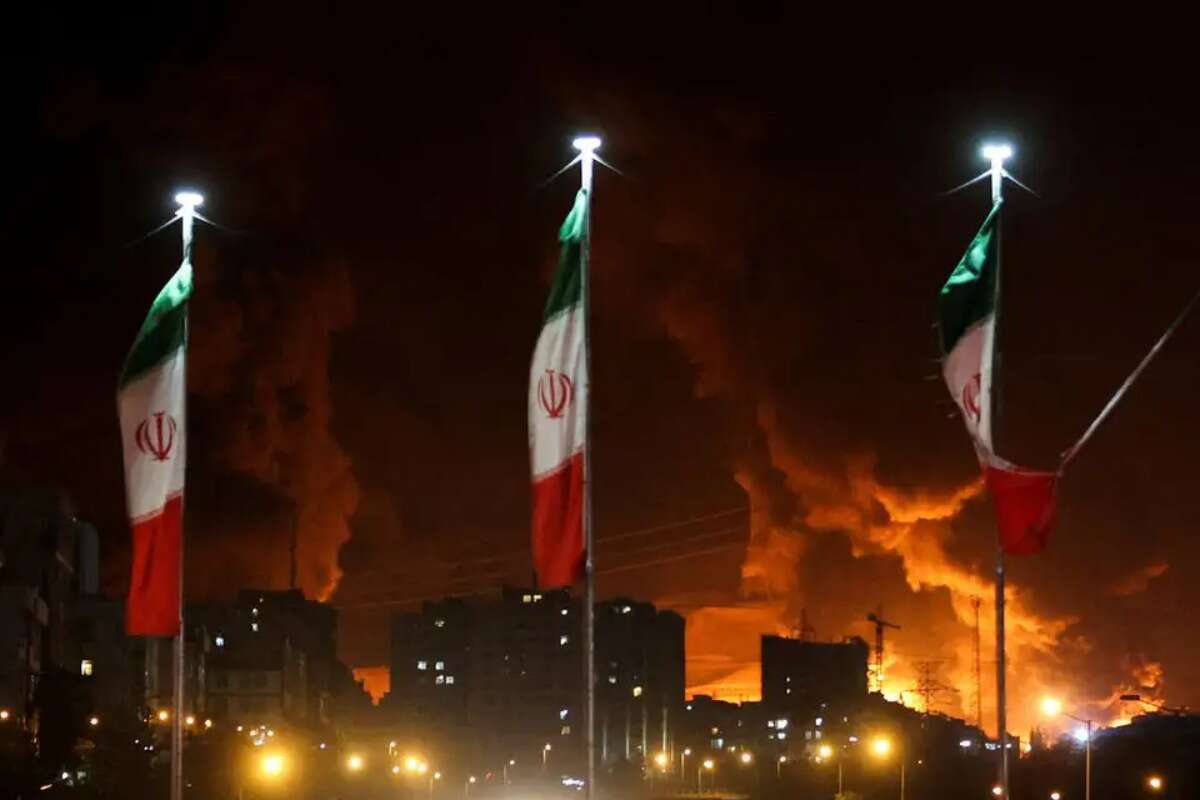
Central to Israeli planning is Iran's nuclear program, which retains dozens of kilograms of highly enriched fissile material. Despite diplomatic assurances, Tehran views its nuclear stockpile as its primary remaining strategic leverage alongside threats to global energy shipping through the Strait of Hormuz.
Israeli forces are preparing both proactive strike options and defensive postures should Tehran initiate hostilities to break its economic isolation. While unilateral action by Israel or the US before the American midterms appears unlikely, defense officials emphasize that Iranian actions do not always align with Washington's political schedule.

Complicated mission in Judea and Samaria
In Judea and Samaria, security conditions remain highly volatile. Although the Judea and Samaria Division has curbed Palestinian terror activities relative to past peaks, military commanders cite growing operational friction caused by Jewish rioters.
The expansion of dozens of unauthorized outposts and farms across the region has strained operational resources, forcing troops to cover expanding territories without adequate force adjustments.
Repeated violent clashes between Jewish rioters and local Palestinians – often involving land seizures, destruction of property, and direct confrontation with security personnel – have further complicated the IDF's mission.
Military officials express frustration that law enforcement, judicial authorities, and the Shin Bet have failed to curb the unrest, leaving soldiers in an untenable enforcement role.
Commanders harbor deep concerns that civil unrest could escalate ahead of elections, particularly if political actors seek to shift the domestic agenda toward security issues rather than military draft legislation or economic pressures. Officials worry that heightened tensions could trigger widespread Palestinian unrest or a surge in terror attacks, destabilizing the broader domestic landscape.

Inevitable flare-up in Gaza
In Gaza, three years after the October 7 attacks and one year following the return of hostages, the IDF maintains routine targeting operations across the Strip.
On average, Israeli air strikes eliminate roughly 80 operatives monthly. Many of those targeted are actively engaged in rebuilding Hamas' organizational structure or executing localized attacks against IDF positions.
Despite severe degradation, Hamas remains operational. The organization retains roughly 20,000 personnel who, while less trained than pre-war cadres, continue to reorganize while diverting resources from the approximately 600 humanitarian aid trucks entering daily.
Although Hamas has not fired rockets into Israel for nearly a year, intelligence assessments indicate the group retains several hundred rockets and continues small-scale production alongside ongoing tunnel construction.
Senior military figures acknowledge that renewed large-scale combat in Gaza remains inevitable over a longer horizon. For now, bound by ceasefire terms and international diplomacy, the IDF focuses on targeted elimination while maintaining combat readiness for future operations.